

Black Friday Brings Them In. Who's Bringing Them Back?
Skims chased down every buyer of a $148 advent calendar. That's more follow-up than most Black Friday clients ever get. Here's how to get yours to rebook.
Source: Vanity Teen
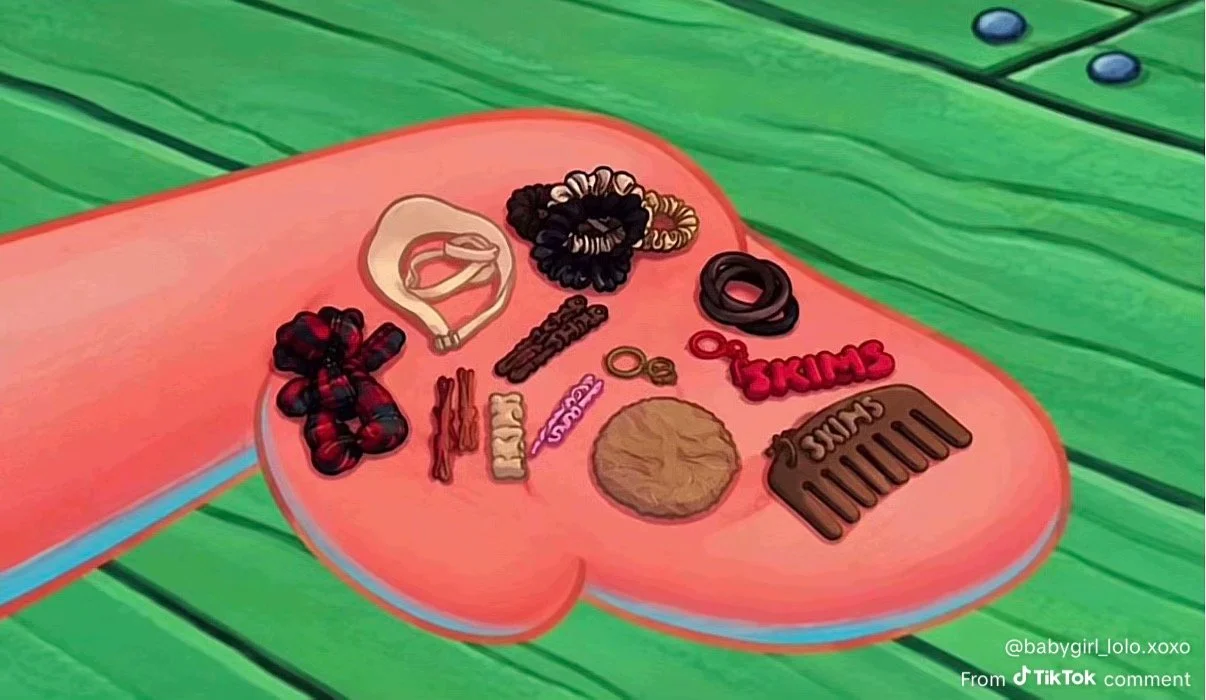
Skims sold a $148 advent calendar the internet calls serial killer trophies (hair ties and keychains), then tracked down every single buyer and offered a refund or credit to spend in store. That's more follow-up than most small businesses will give their Black Friday clients. Welcome to a storytime about how to get clients to rebook after the rush, before you spend another November rebuying them.
The doors open on Black Friday. New faces pile in for the deal. The card machine has tapped 412 cards by noon and is now warm enough to toast bread on. Everyone goes home happy, including the new client, who you will never hear from again.
The numbers back this up. Constant Contact just published its holiday survey of more than 1,800 small business owners and 2,600 shoppers in Canada, the US, the UK, Australia and New Zealand. Three findings sit side by side:
75% of shoppers plan to buy from a small business they've never tried this season.
More than 70% of owners have no plan to invite those new shoppers onto an email list or loyalty programme.
Only 39% plan to send a follow-up offer in the new year.
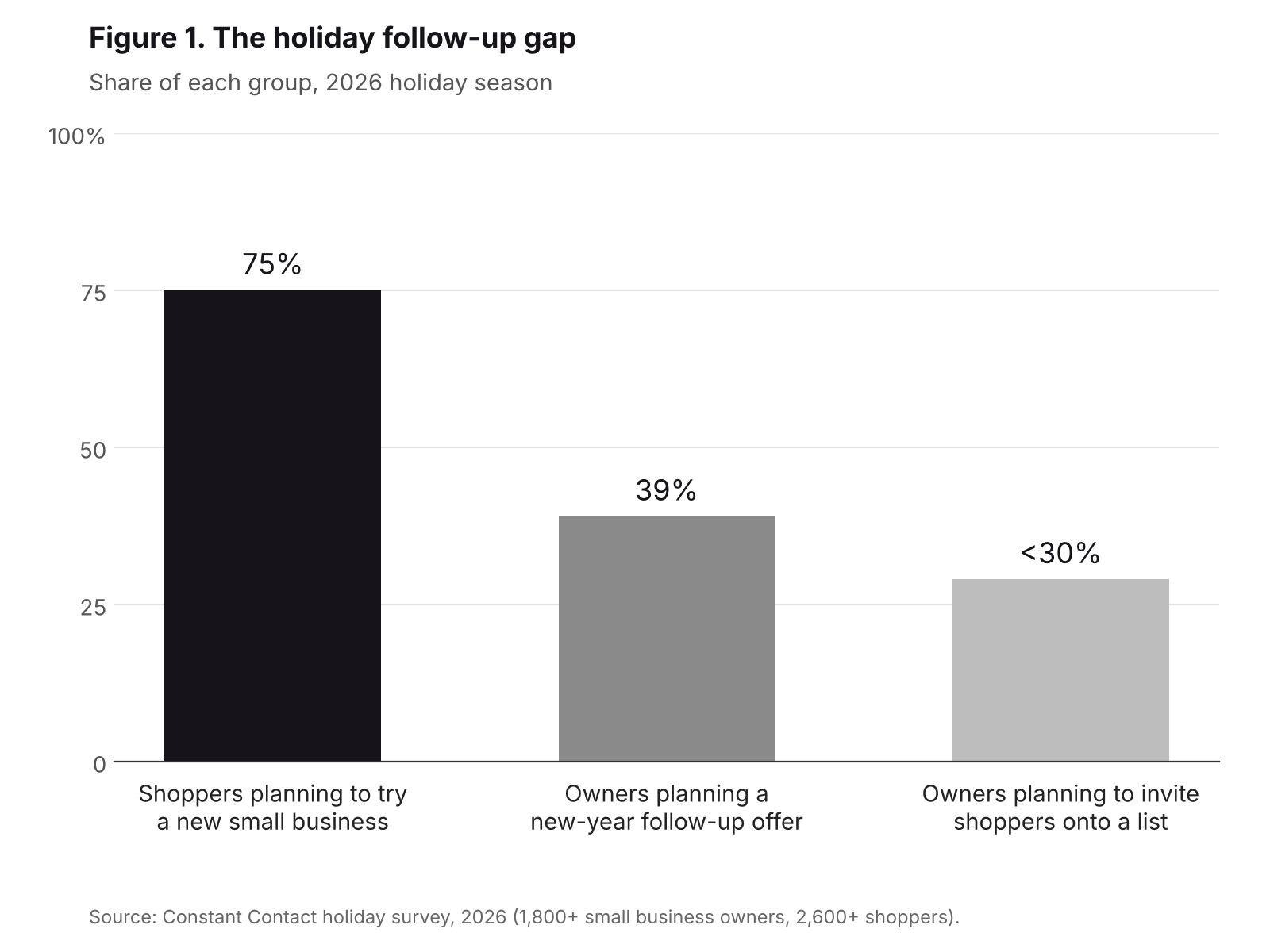
Source: Constant Contact holiday survey, 2026
Last year's edition of the same survey found 88% of shoppers were likely to become repeat customers after a holiday purchase. Different year and sample, same story: shoppers are willing to come back. Most owners aren't planning to ask.
However, Skims was still collecting names. After the backlash, the calendar stayed listed on its site with a waiting list shoppers could join. Even the flop got a list. Yet, more than 70% of owners won't start one for the clients who loved the deal.
(Fair warning: Constant Contact sells email marketing, so they have a horse in this race. The numbers still match what I see in owners' businesses: lots of effort on getting found, empty email lists, and a lot of praying for word of mouth.)
Why the second visit gets skipped
The deal is the fun part. The promo gets 14 planning meetings. The follow-up gets a sticky note and whatever energy is left on December 2. Skims moved faster than that. One TikToker said his refund-or-credit email arrived before the calendar did.
Discounts are the top holiday tactic for 38.1% of owners, and 52.6% of shoppers say sales decide where they buy. Fine. Use them. Just know what a discount teaches: come back when there's a sale. If the only plan after Black Friday is waiting for next Black Friday, you'll pay to win the same client twice.
This month I read a thread from a med spa owner planning a Botox happy hour every Friday through the holidays, plus two weeks of Black Friday packages. A Thursday promo in October had already pulled in plenty of new clients. Great plan for getting people in. The question I'd ask before launch: how many of October's new clients have booked again?
Run the Wince Test before you run the promo
I ran this play in tech and for small businesses. I worked at a software company where people signed up for the free trial and left the day it ended. We kept losing them because nobody reached back to help. They looked to us as the experts, and we weren't acting like experts.
So we changed that. We built a customer education program that taught free users how to make money in their own businesses with the tool, and we asked our existing customers to share what had worked for them, because they were two or three steps ahead. One was a nurse who'd run an ear clinic for 21 years and made $15k on her first course launch. That's when free users turned into monthly subscribers, and monthly subscribers turned into annual ones. Monthly revenue tripled that quarter.
Your business doesn't need a free trial for this to work. I call it the Wince Test, and the five steps spell it out. No new software required.

Live Wince test. Source: GIPHY
W: Weigh the comebacks. Count last month's first-timers. Now count how many came back. If that second number makes you wince, sort that out before you buy more first-timers.
I: Inspect the receipts. Your reviews already tell you why people return, or why they don't. Note the exact words clients use, then borrow those words for your own messages.
N: Nudge them back. Line up three messages before the rush: a thank-you within a day, a review request, and a reminder before they're due again.
C: Confirm the next visit. Book it before they leave, or tuck the booking link into the thank-you. Luxury gets bought on want, not on a schedule, so give the want a date.
E: Extend the invite. A happy holiday client knows other people who'd love the same deal. Ask them who they'd bring.
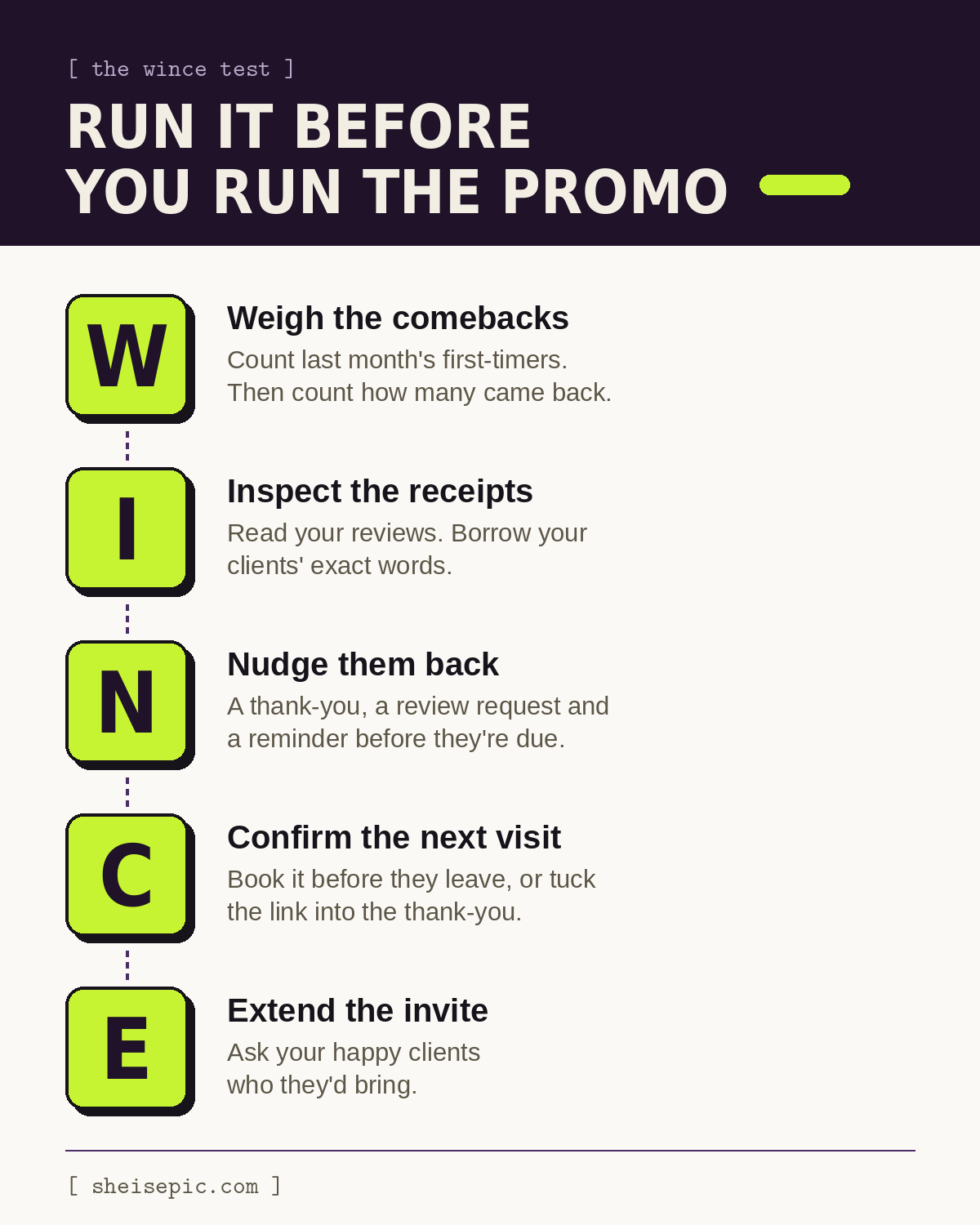
Source: She is Epic
The expensive part is already done
Getting a stranger through your door takes ads, discounts and more reels than anyone should have to film. On Black Friday, a discount and a busy weekend do it for you. Asking that person back costs a text message.
The owners who'll have a good January are the ones who nail down this week what happens after the first visit. Everyone else will be back here next November, buying the same clients again at full price.
Skims gave every buyer a reason to come back and shop. You only have to text yours to give them a date.
Fair's fair: I just told you to ask people back, so I'm asking you. Take the five-question 50 First Bookings quiz and see where your first-timers slip away.
[ the master plan ]
How do you get clients to rebook after Black Friday?
Plan the second visit before the sale starts, or you'll pay to win the same client twice. Constant Contact's holiday survey found over 70% of small business owners have no plan to invite holiday shoppers onto an email list or loyalty programme. Run the Wince Test: count last month's first-timers who came back, line up a thank-you, review request and reminder, and book the next visit before they leave.

Built to outlive the sun: why Tupperware lost its regulars and Erykah Badu kept hers
Your customers loved what they bought. So why haven’t they come back? A neo-soul icon and a bankrupt container company make the case, with one thing to try this week.
[ short answer ]
Why don't my customers come back?
Usually because nothing gives them a reason to return. Tupperware's containers lasted decades, yet the company filed for bankruptcy in 2024 after relying on home parties while buyers moved online. A great product earns the first sale. Repeat customers come back for something new, tested with a few regulars and offered next to the classics they already love, in the places they now shop.
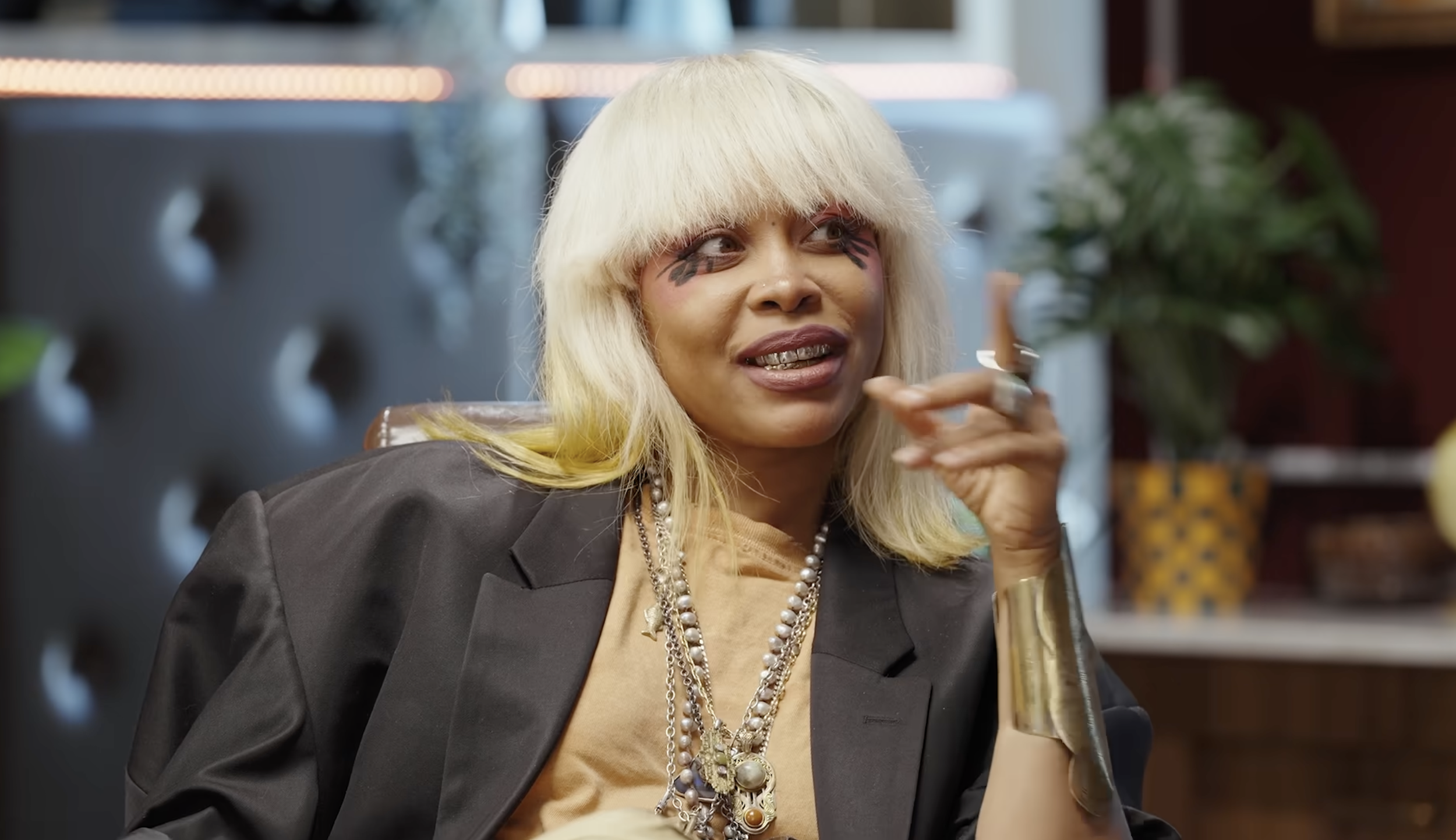
Erykah Badu compared her career to Tupperware, and I can't shake it.
On a recent episode of The Shop, Scott Evans asked her how she judges a show when the crowd knows every word of the old songs and barely any of the new ones. She answered with a business history lesson. Tupperware, she said, made its containers so well that customers never had to come back, so the company went under. Then she pointed the comparison at herself: it's a challenge to play new music for an audience who's come to get Tupperware.
Erykah Badu on The Shop. Watch the full moment on YouTube.
That's a woman with nothing left to prove. Most owners only say this to their dishwasher. The thing people love you for can become the reason they never buy anything else from you.
Before the new album came out, Badu and The Alchemist tested the songs live in small, phone-free rooms. On the same episode, The Alchemist said he'd tried to talk her into slipping the classics into those shows. Her answer, in short: follow my lead.
He followed. Before the World Blows came out on August 28, 2026. And on this fall's tour, the new songs shared the stage with the classics people bought tickets for. "On & On" and "Appletree" sat on the same setlist as the album she'd fought for.
She didn't abandon the regulars. She tested the new material in rooms small enough to tell her whether it worked, then brought it to the people who came for the hits.
The part where everyone blames the containers: why customers stop coming back
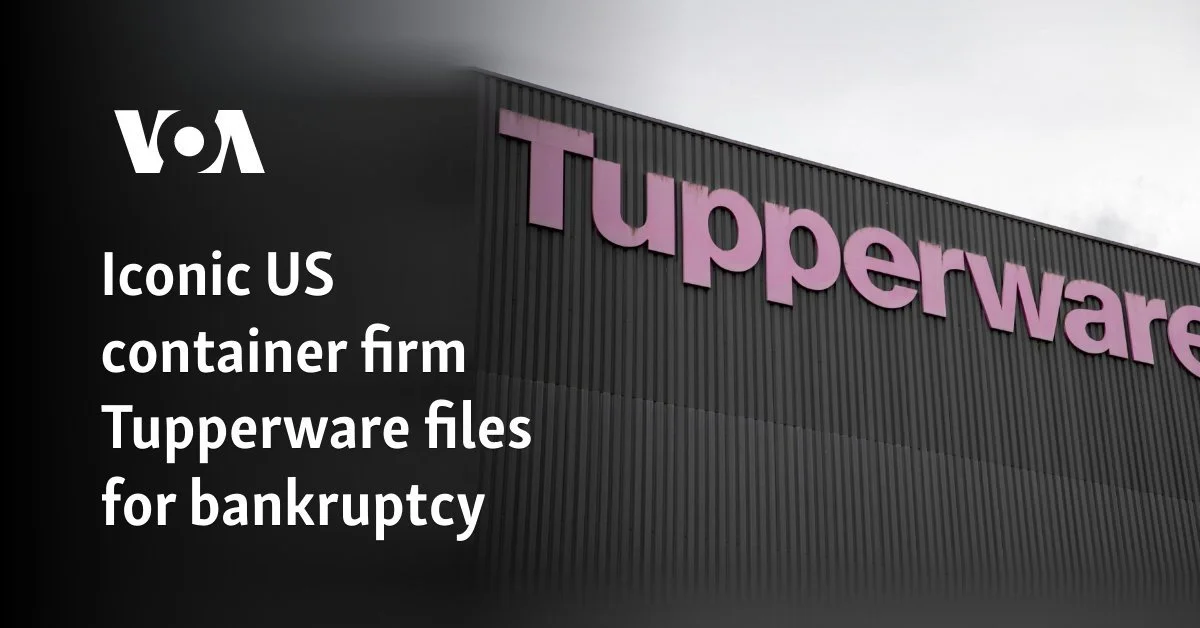
Source: Voice of America
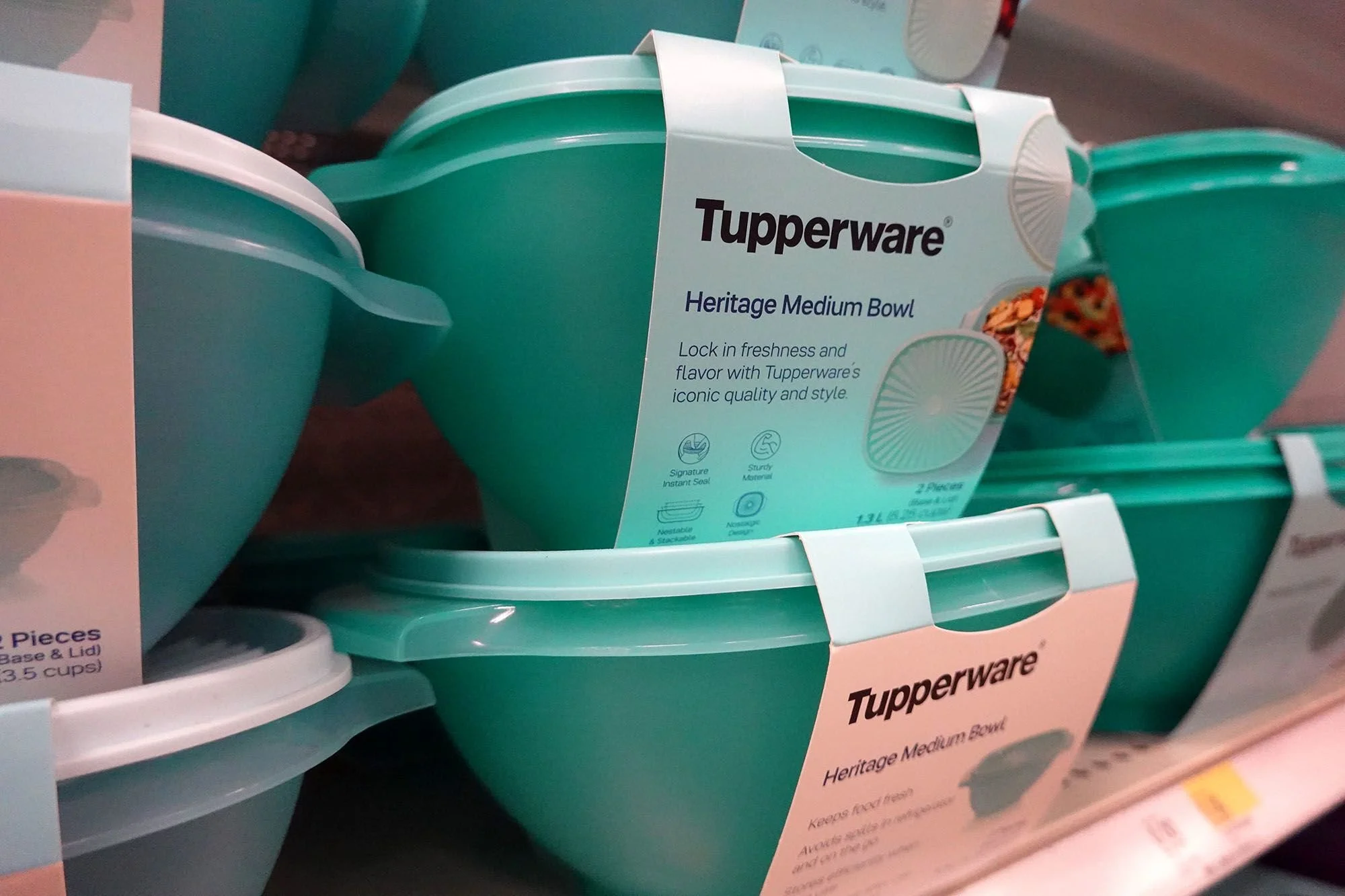
Those containers were built to outlive us, and a lifetime warranty meant even a broken one got replaced for free. (The lids, admittedly, vanished into another dimension within a week. Different issue.)
So Badu's theory is sound. It's the version that went around when Tupperware filed for bankruptcy in September 2024, as people posted containers from the 1970s that still sealed and asked why they'd ever buy more.
The filings fill in the rest. Tupperware told the court its home-party model had turned from a strength into a weakness, partly because it came at the cost of selling online. Its restructuring officer admitted almost everyone knew the brand, but fewer people knew where to buy it. Add climbing costs for resin, labour and freight, and $812 million in debt.
The product held up. The system around it didn't.
I bring this up because small business owners make Badu's diagnosis about themselves all the time. Ask a room of owners how to get first-time customers to come back, and the top answer in an r/smallbusiness thread sums it up: just provide an excellent service and product.
Lovely advice. It was also Tupperware's entire business plan.
When regulars drift, the work is rarely the culprit. Watch what happens after the sale instead: whether they have a reason to return, a route back to you, and a way to see why you're worth the price.
Three counts against your comeback (you'll recognize at least one)
How often do we blame a stalled business on one thing? When really, we could build a RICO case.
Count 1: You're too reliable to come back to
The better your work holds up, the less reason anyone has to think about you again. Badu said Tupperware made smaller containers and other new products, and people still didn't need them. A product that lasts forever answers the customer's question once, then goes quiet.
So bake the next reason into the first sale. A check-in date, a refill, an upgrade, the thing that naturally comes after the thing they bought. Badu's version is new material, even when the room squirms.
Try this: what does your best customer need from you six months after they fell in love with what they bought? If the honest answer is nothing, you've built a very nice container.
Source: CNN
Count 2: You're in the wrong room
Tupperware kept throwing home parties after its buyers moved online. Most businesses have a home party of their own: the place they keep showing up because it used to work.
Maybe it's the newsletter, that weekly letter landing in an inbox between a shipping notice and a password reset. Maybe it's a group, a fair, or a feed your regulars stopped scrolling. Trace where your last five repeat customers actually heard from you before they came back. If the answer is a room you've stopped paying attention to, start there.
Badu picked her rooms on purpose. Small and phone-free for the experiments, big stages for the tour. Choosing the room was part of the plan.
Count 3: Nobody can see the difference
Tupperware charged premium prices with cheaper containers one click away. A premium price only works when buyers can tell why. If your best work is invisible, you look like the cheaper option too.
The fix is to make the difference easy to say out loud. Ask your regulars what they'd tell a friend about you, and borrow their words for your website, your follow-up and the review requests you send. Badu's setlist works the same way. Next to the classics, the new songs have something to be measured against.
The verdict, tested on my own clients first
Badu's playbook has three moves. Test the new thing somewhere small. Hold your nerve when a smart collaborator asks for the safe hits. Then serve the tested new thing next to the classics.
Your classics bring regulars back once. A new thing, tested small and served beside the classics, gives them a reason to come back again.
That playbook belongs to Badu, though, and it won't fit you exactly.
When I ran my copywriting business, every client who finished a project with me went into a follow-up sequence. At one month, I checked in. At three months, I asked if anything had broken. At six, whether there was a next project. At a year, whether they'd thought about the next tier (usually speaking, which meant they'd need words for it). I stayed two or three steps ahead of what they'd need as they grew.
I've built a growth playbook from scratch at every company I've worked in. Some pieces survive every rebuild, and giving customers a reason to return before they need one is among them. The rest gets built from what your own regulars actually do.
Your move this week, before you close this tab
Write down your classics: the two or three things your regulars come back for.
Pick one new thing you've been sitting on.
Put it in front of five regulars, next to a classic, in person or in a direct message. Note who comes back for which.
Five regulars is a small room. Small enough to hear the squirm. Small enough to fix it before the big room. Small enough to do this week.
This is the part of the post where I mention I do this for a living. I do. If you'd like a second pair of eyes on what brings your regulars back, and what's quietly keeping them away, call RESONĀTE.

You’re 10,000 hours into your craft and it takes you 10,000 words to explain it
For five years, people heard “copyright-er” when I said copywriter. Why expertise makes you hard to explain, and the one question that gets your regulars to explain you instead.
[ short answer ]
How do you explain what you do so customers can repeat it?
Name a problem you solve for people you know well, and skip the job title. Expertise works against you: in Elizabeth Newton's 1990 study, people tapping well-known songs on a table expected listeners to name half; listeners named 3 of 120. Customers hear the knocks without the tune. If they can't repeat what you do, they can't refer you, so ask three regulars how they'd describe you.
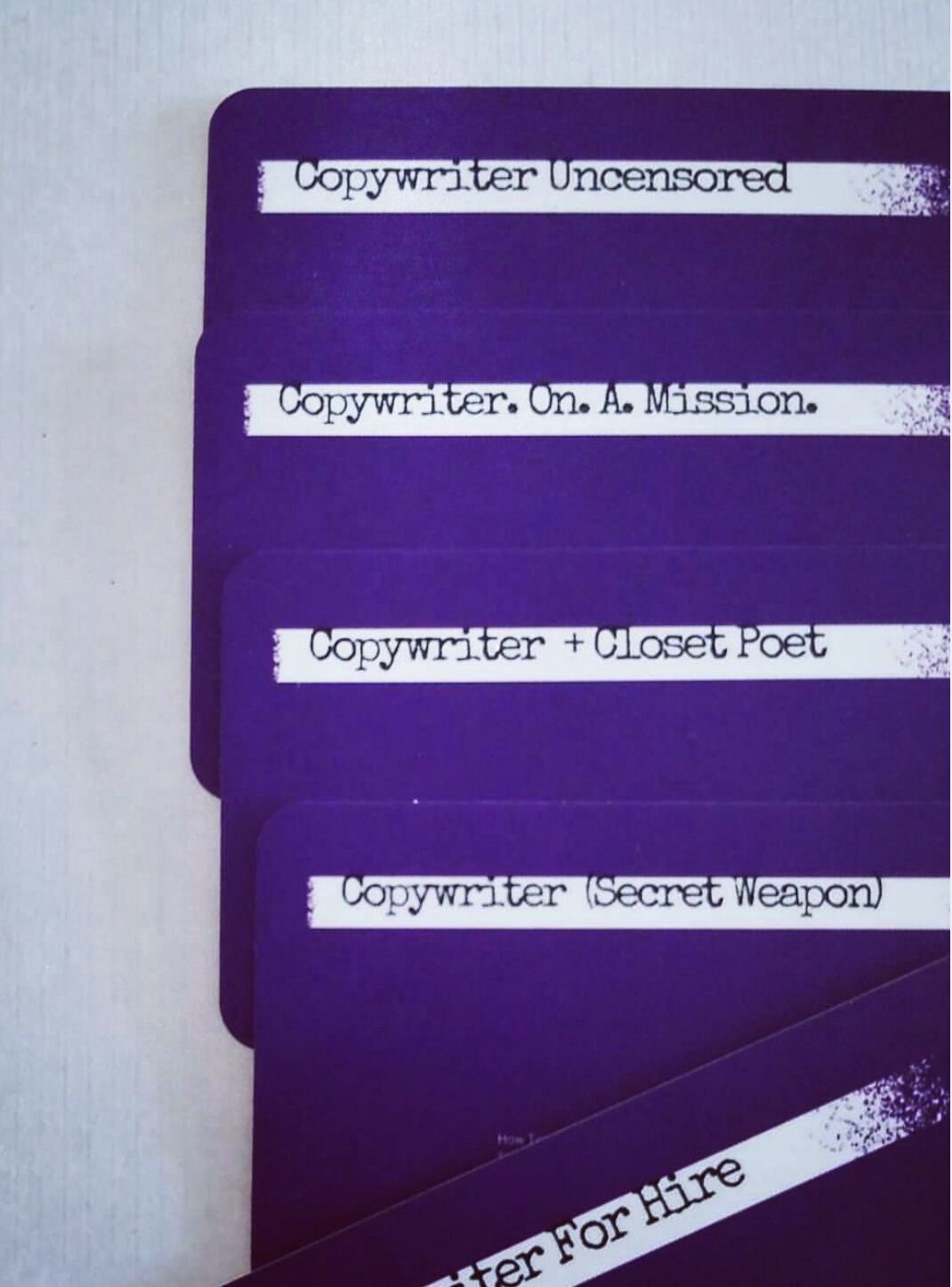
The business card that launched a thousand trademark questions.
For five years, I introduced myself as a copywriter.
And for every. one. of. those. five. years. people heard “copyright-er.”
They thought I had the legal authority to protect their intellectual property. I did not. I had a laptop and strong opinions about email subject lines.
Most of those introductions happened at networking events, back when I was building my client list. You know the room. Name tags, business cards, and nobody there to connect. Everyone was a pigeon, dropping business cards on anyone who stood still long enough.
I’d say “copywriter” and watch the other person’s face do what yours does when you reach out to shake someone’s hand and they offer you a fist bump. Complete discombobulation.
The irony stung. I was speaking to coaches, nonprofits and startups about how to write their LinkedIn headlines and About sections. On stage, I taught introductions for a living. In the hallway, I fumbled my own.
So I built a one-liner: I help people put their passion on the page. Then a plainer one, for the faces that stayed blank: I’m the salesperson on your website and your social media.
My marketing colleagues got it. Barely. Everyone outside marketing did not, and that was about 99.978% of my clients.
I spent years blaming their vocabulary before I admitted the translation job was mine.
The better you get at the work, the more translating your customers need
In 1990, a Stanford graduate student named Elizabeth Newton sat people down in pairs. One person rapped their knuckles on a table to the rhythm of a song everybody knows, like "Happy Birthday". No humming, no words, just knuckles on wood. The other person had to name the tune. Before they started, the tappers guessed their partners would get it about half the time. Out of 120 songs, the listeners got 3.
Here's why. While the tapper knocks, the whole song plays in her head, melody and words landing right on cue with every rap. The listener gets none of that. Just a string of knocks with no tune to hang them on. The tappers couldn't believe how hard their partners were struggling with something so obvious. Economists had already named this "the curse of knowledge", and Chip and Dan Heath made it famous in Made to Stick. Once you know something, you can't un-know it, so you overestimate how easily anyone else can follow along.
Anyone who opens with a job title is tapping “Happy Birthday” on a table. You hear the whole song: the research, the positioning, the subject-line testing. They hear knock, knock, knock. And possibly an IP lawyer.
Expertise makes you fluent in a language your customers don’t speak. Ten thousand hours into a craft, it can take you ten thousand words to explain it.
You’re tapping too
If you run a business, you’re doing it right now.
Specialists talk the way their peers talk. The bookkeeper offers “monthly reconciliation” to someone who just wants to stop dreading tax season. The IT consultant pitches “managed endpoint protection” to an office manager who wants the laptops to stop catching viruses.
The owners I work with now are seriously good at what they do. They know their stuff. By rights, they should have a waitlist. They don’t, and it drives them up the wall, because the customers who love them can’t say why.
That’s where it starts costing you. Picture your happiest customer at dinner. A friend asks who does their books. They say, “Oh, she’s great, she does the… numbers stuff.” The friend nods, and later books someone with a clearer sentence.
If your customers can’t repeat what you do, they can’t refer you.
The intro everyone sends
A friend asked me recently why their freelance outreach wasn’t landing the way it used to. They opened with their title, their years of experience and their biggest client. Mine opened the exact same way in 2016.
Title, tenure, logo: a résumé shrunk to fit a DM. It’s three facts about you, sent to a stranger who hasn’t yet decided to care. Those networking rooms were wall to wall with them.
It worked better before every browser tab came with a free paragraph generator. Today the title tells people even less than it used to.
The sentence you’re actually trying to earn
The reaction you want is “Oh my God, that’s me. That’s what I’m struggling with. I need you.” Nobody has ever said that about a job title.
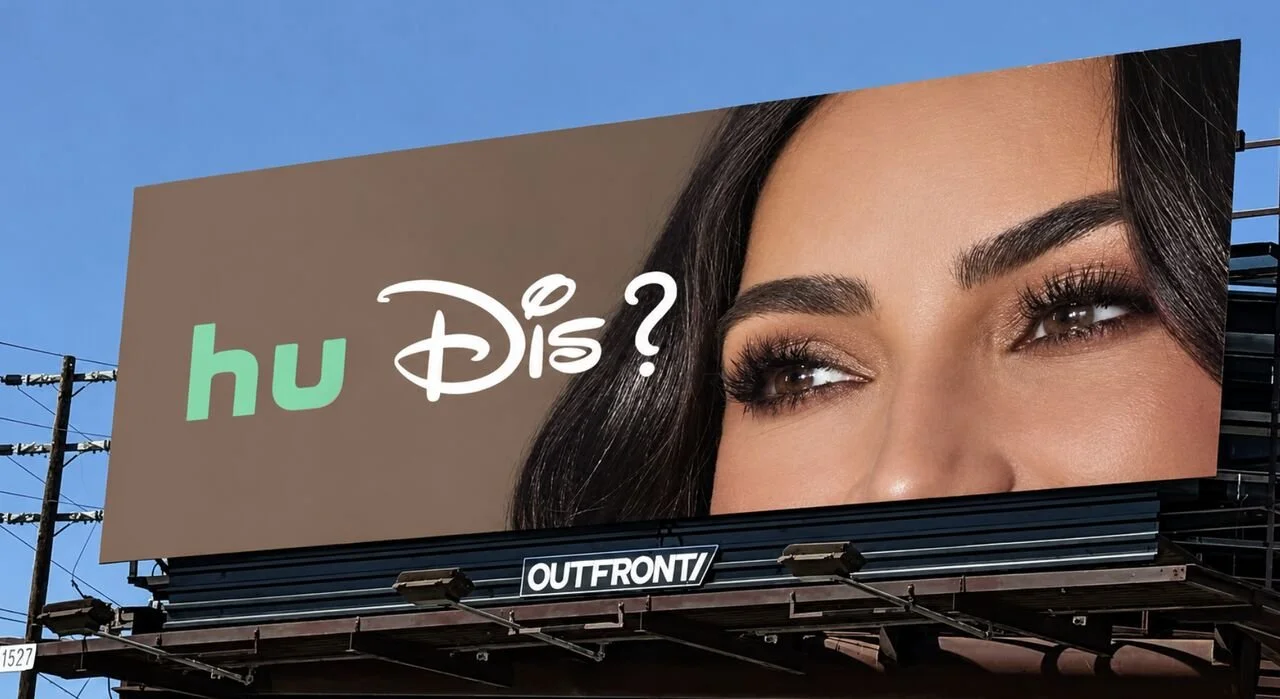
“Hu Dis?” by Courage for Disney+ Canada, 2026. Image via Famous Campaigns.
You get there by naming a problem you solve, or a change you make, for people you know really, really well. Say the WHAT, and the WHO you do it for:
→ The conversion copywriter: “I rewrite the checkout pages for online course creators, so the people who click Buy actually pay.”
→ The creative copywriter: “I write ad campaigns people screenshot to the group chat.” (See: Toronto agency Courage’s “Hu Dis?” billboards for Disney+ Canada, which spliced Hulu’s green “Hu” onto Disney’s script “Dis”. Group-chat royalty.)
Cover the labels and read those lines again. You still know exactly who to hire.
The fear nobody says out loud: if I say who I’m for, everyone else stops calling. They weren’t calling anyway. A generalist intro is a door held open for everyone, and the hallway stays empty. In 1975, psychologist Stephen Worchel and his colleagues offered people chocolate chip cookies from a jar holding ten or a jar holding two. Same cookies. The people facing the nearly empty jar rated theirs as more desirable. People stretch harder for what looks a little out of reach.
Before Friday
This week, ask three regulars one question: “If a friend asked what I do, what would you tell them?”
Write down their exact words, mumbles and all. Whatever they say is the sentence already travelling around town without you. If it beats the one on your website, swap it in. If they hesitate, you’ve found the gap, and now you know what to write.
Somewhere tonight, a customer is describing you in four mumbled words and a hand gesture. I turn that into a sentence they can repeat, so it brings business back to you.

Learning ai is a trap (if you’re a founder, here’s what to do instead): Guess less. Grow more with this Notion dashboard.
I can operate like I have a team of five, and sleep like I only have one.
[ short answer ]
Should founders learn AI?
Don't start by learning AI. Start with your friction points: the tasks that take the most time for the least return. Fix your systems first, then give AI only the jobs you hate, like turning client calls into drafts or automating new-client setup with tools such as Notion AI, Zapier and Asana. Treat AI like a new hire you train, not a shiny new toy.
Honestly. I didn’t start with Python or agents, I started with the bottlenecks in my business.
For me, the question wasn’t “How do I learn ai?”
It was: “Where am I spending way too much time for way too little return?”
That turned out to be:
Writing up client notes from scratch after every first call
Walking every new client through the same setup steps, by hand, every time
Scrambling each week to figure out what was working
So I treated AI like a new hire rather than a shiny new hot toy. I trained it, and I only gave it the jobs I hated.
I didn't build anything from scratch. I just:
Used ChatGPT to turn client convos into content drafts
Set up Notion AI + Zapier + Asana to handle new-client setup
Saved prompts for the recurring tasks I dreaded (and also, I’m not a prompt engineer)
And let me be clear…I still don’t know how to code. But now I can operate like I have a team of five, and sleep like I only have one.
If you’re a founder, I’d say, don’t start with ai. Start with your friction point. Improve your systems. Then build out your tech stack from there.
This is your semi-comprehensive guide when you’re stuck on where to start!
The founder's dilemma
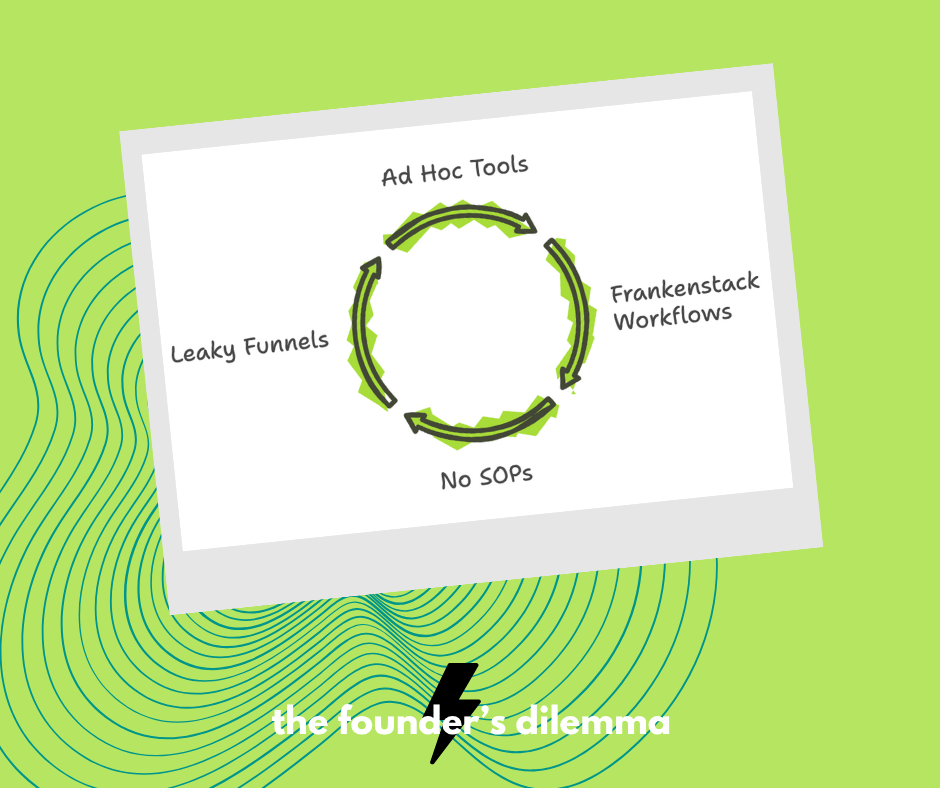
Ad Hoc ToolsA booking app a friend recommended, an email tool from a free trial, a spreadsheet from 2019. And none of them talk to each other.Even big marketing teams use just 49% of what their marketing tools can do. (Gartner 2025)
Frankenstack WorkflowsTools duct-taped together that snap the minute you get busy or try something new.
No written how-tos (SOPs)The steps live in your head, so every sick day turns into a guessing game.
Leaky Follow-up FunnelsClients slip through the gaps between the booking app, the inbox and your memory.
⚠️ The result: you’re spending time and money bringing people in, and you can’t tell which part is paying you back.
The case for marketing-led ops
What is Marketing-Led Growth? In plain English, your marketing looks after the whole trip a client takes with you:
Finding you (demand generation)
Booking the first time (customer acquisition)
The first visit (onboarding experiences)
Coming back and bringing a friend (retention & advocacy)
You can own every marketing software on the market and still have nothing that brings the same client back twice. Software sits still until something tells it what to do.
That something is your system: who sends the text, when, and what it says.
Why Marketing Should Steer Your Operations Early
Software companies love debating whether the product or the sales team should drive growth (insiders call it PLG vs. SLG). Your business gets to skip that debate. Your marketing is the only thing talking to clients when you’re not in the room, so let it steer:
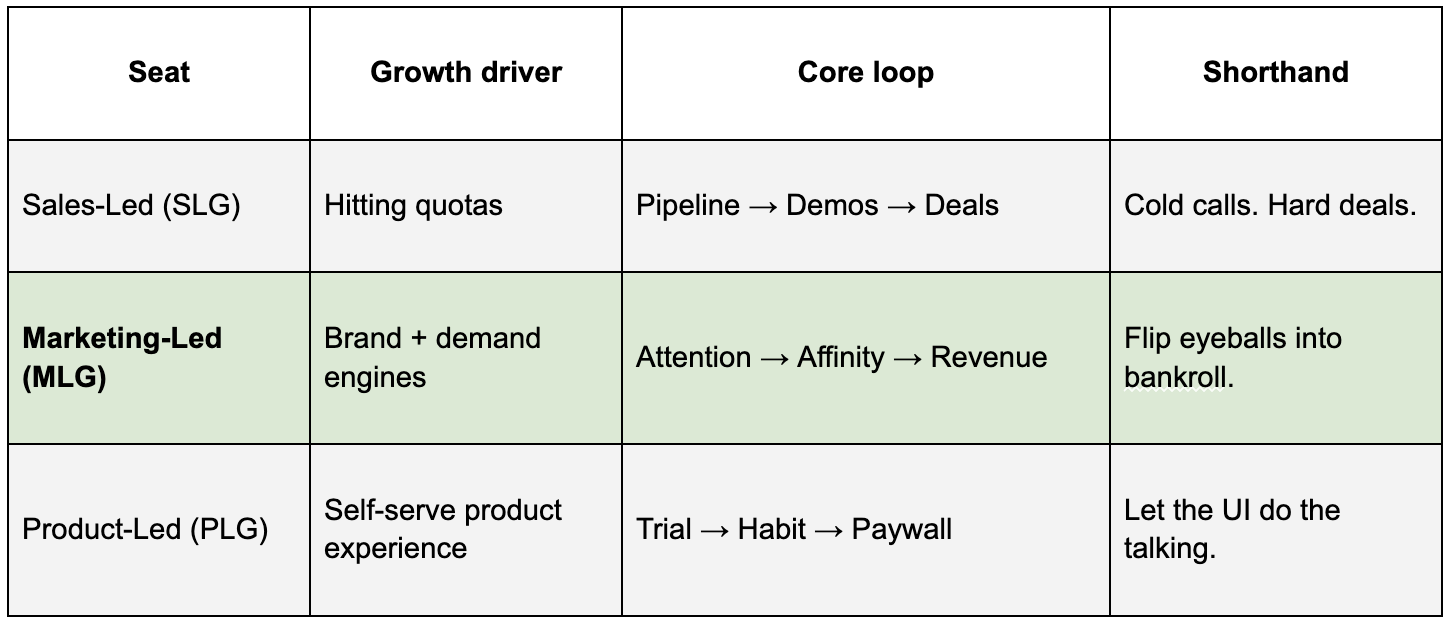
Marketing owns the full-funnel customer journey.
Revenue clarity from lead to expansion.
Faster experiment-to-scale cycles.
Marketing-led growth bets that good storytelling, a bit of community and a little ad money can walk someone most of the way to booking before you ever say “hi.”
3 companies that made marketing the prime growth engine
Hubspot, B2B Software as a Service (SaaS)
The godfather of “inbound” content. Taught the internet for free with blogs, courses and a podcast, years before anyone was talking about product-led growth (e.g. HubSpot Academy). They have my email at least 987 times.
Steal this: answer the question clients ask you every week once, in public, and pin it.
Canva, Consumer & Enterprise SaaS
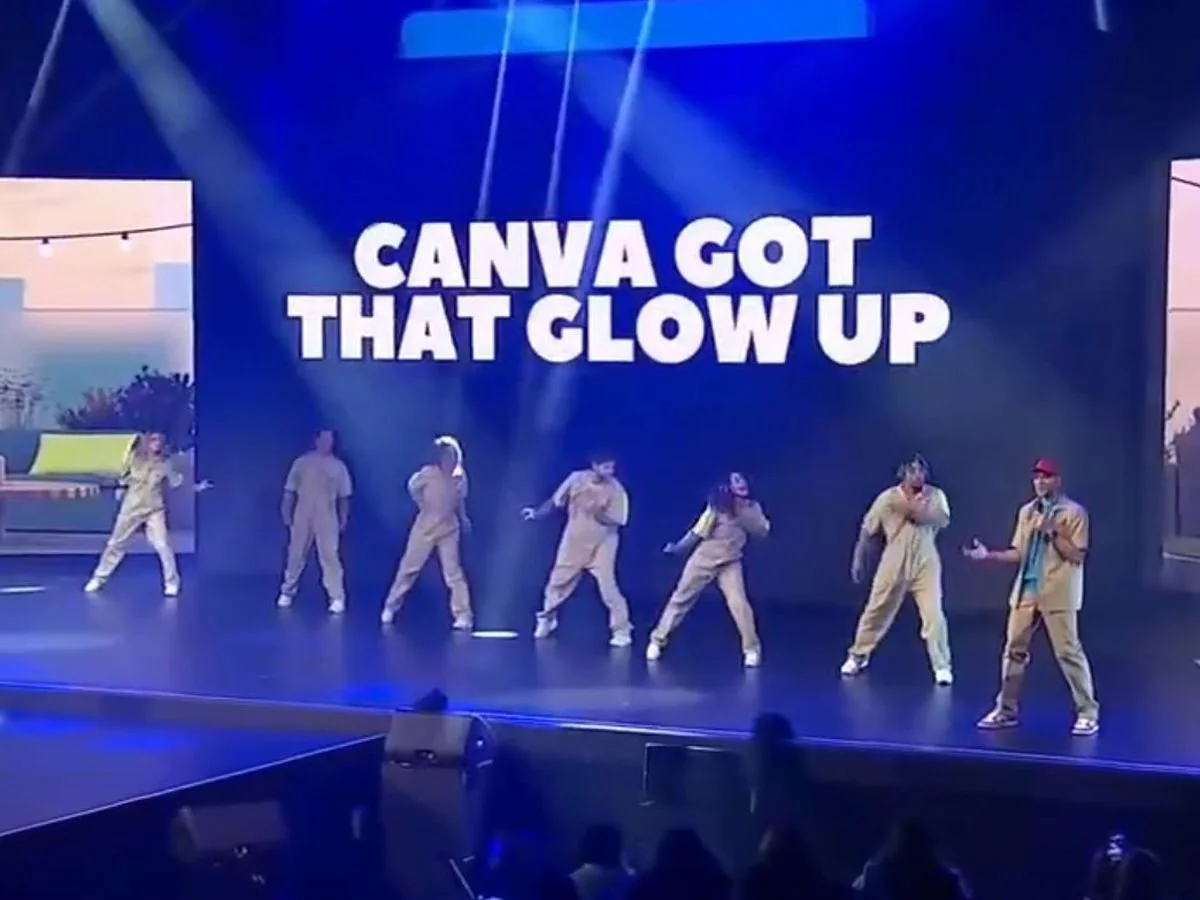
Made design feel doable for everyone: “Design for the 99 %”. Narrative + viral template marketplaces + headline partnerships (Pinterest, Leonardo.ai). Mic drop.
Steal this: make the thing clients love easy to pass along, like a gift card or a referral link.
Duolingo, Consumer SaaS
Let a 23‑year‑old run TikTok. Leaned into mascot comedy, real‑time memes, and creator collabs. Need I say more…?!
Steal this: the funniest person on your team probably shouldn't be the one stuck answering email.
The 3-layer setup you need
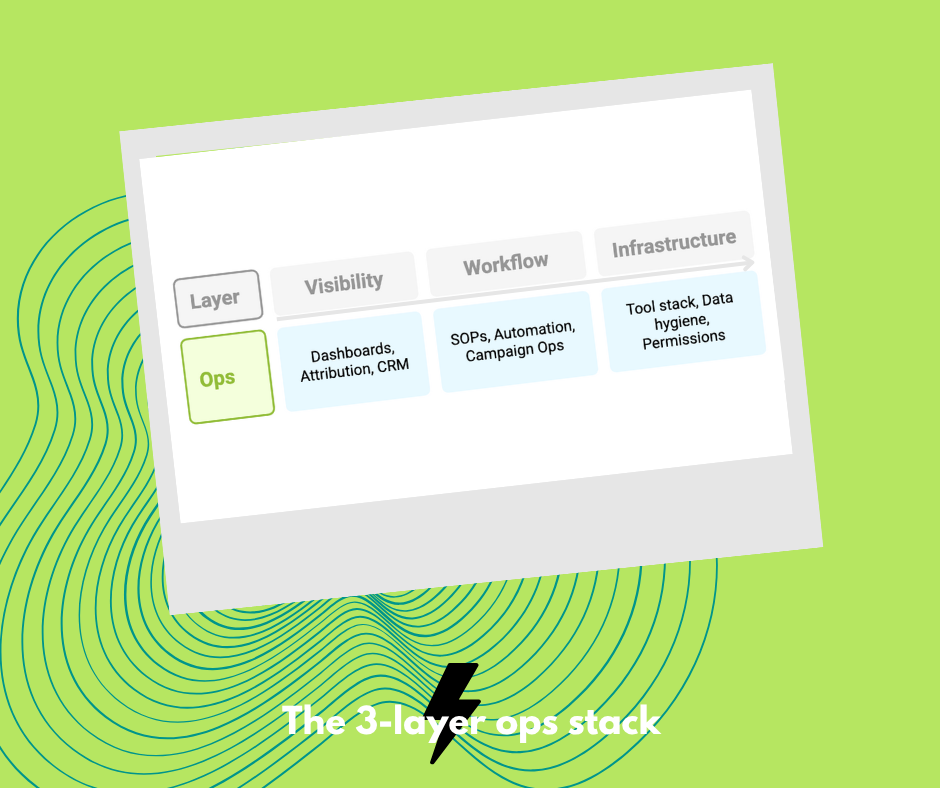
Visibility: can you see it? Who booked, who came back and what brought them in. A simple dashboard, your booking app's reports and one client list cover it. (i.e. Dashboards, Attribution, CRM)
Workflow: does it happen without you? Written how-tos, automatic reminders, and a plan for what goes out each month. (i.e. SOPs, Automation, Campaign Ops)
Infrastructure: will it hold when you're slammed? One booking tool, a clean client list, and a clear answer to who can log into what. (i.e. Tool Stack, Data Hygiene, Permissions).
Ops shortcuts for owners who do it all
All four are low lift. Pick the one that bugs you most.
A Notion tracker for your promotions
🟡 Low lift/⚡️High impact
Plan, track and measure every promotion with pre-built templates in one dashboard. Easy to connect your tools via embeds or APIs.
Single Source of Truth Doc (also known as the holy grail)
🟡 Low lift/⚡️High impact
Create one master document with all critical business data points: promotion UTMs, CRM fields, audience segments, and brand assets linked in one place.
Zapier Recipes for Lead Routing
🟡 Low lift/⚡️High impact
Send website form entries straight to your client list, a follow-up email and a team alert, with no code.
Loom Video Training
🟡 Low lift/⚡️High impact
Record yourself doing a task once. The next new hire watches it instead of shadowing you for a week.
The 60-minute check-up (for owners who don’t do tech)
Pinpoint what’s breaking behind the scenes before it slows your growth.
Run this audit to help you spot the operational blind spots holding your marketing back. So you can fix what’s messy, automate what’s manual, and scale what’s actually working.
Promotions: Is there a system to launch campaigns?
✅ Documented campaign process exists (i.e. a brief)
❌ No centralized campaign calendar
❌ UTM tracking links are inconsistent or missing
✅ Team knows their roles in campaigns (i.e. a RACI)
Quick Fix: Download The Flow State and get a promotion brief you can implement immediately. Hit the subscribe button below.
Customer Data: Is there clean CRM hygiene?
❌ Lead sources aren't tracked consistently
❌ Duplicate contacts exist
✅ Contact fields are standardized
❌ No regular data cleanup process
Quick Fix: Run monthly data hygiene checks with your tool’s duplicate management system, or a simple spreadsheet audit via Chat GPT.
Reporting: Can you see what's working in under 5 clicks?
✅ Key metrics are clearly defined
❌ No single dashboard for KPIs
❌ Campaign ROI calculation is missing
❌ Data spread across multiple tools
Quick Fix: Set up a dashboard in your preferred CRM tool with your top 5 marketing metrics.
Follow-up: does anyone hear from you after the first visit?
❌ No thank-you note goes out the same day
❌ Review request in place
❌ Rebooking reminder lands before they’d normally be due
❌ Tracking who hasn’t been back in 90 days
Quick fix: turn on your booking app’s automatic review request after each visit.
Key workflows to set up first
Start with the jobs you repeat every week. Lock those in and everything after gets easier.
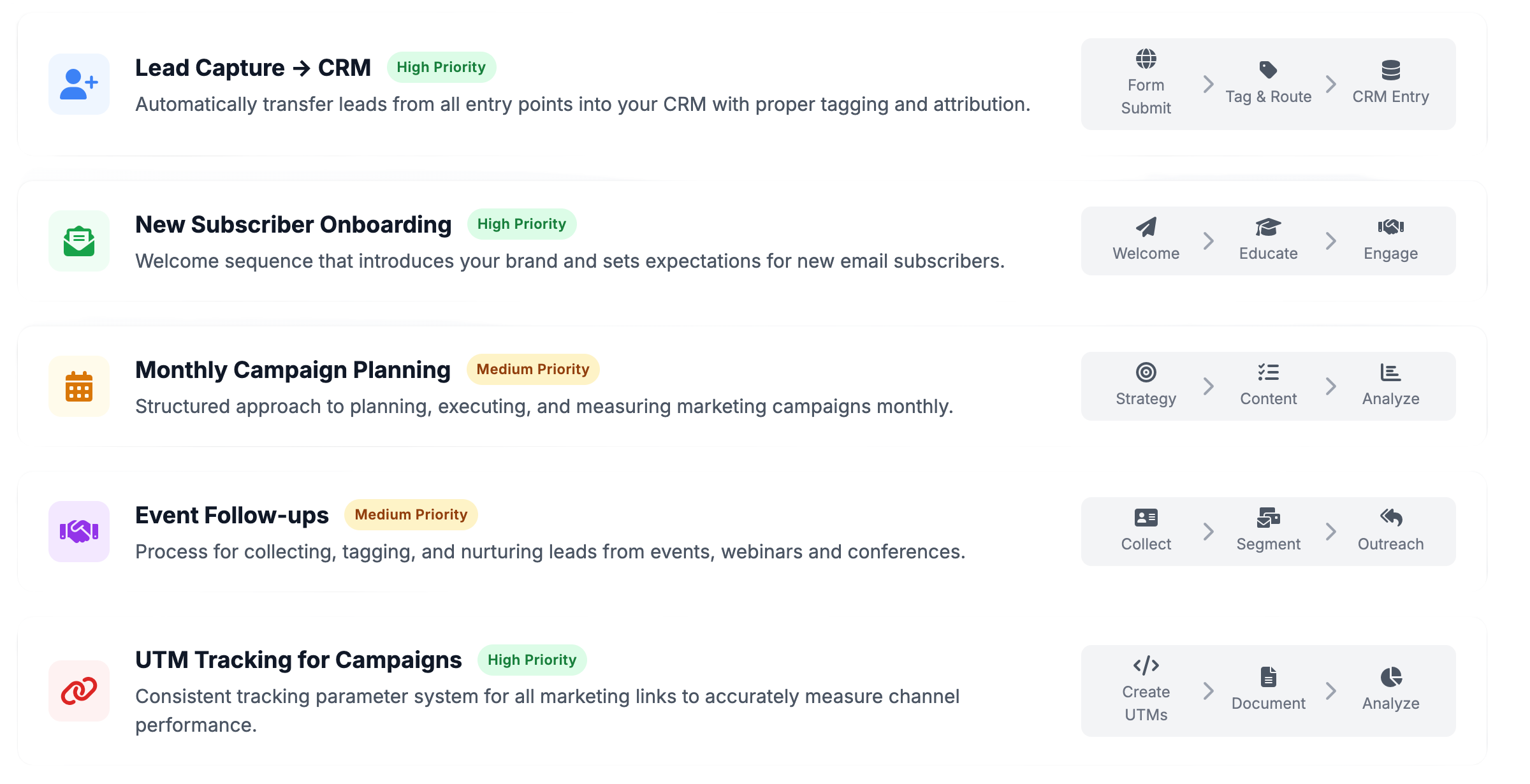
Templates & Swipe Files
Skip the grunt work. If you spend more time figuring out software than using it, I made these plug-and-play resources to get your marketing running.
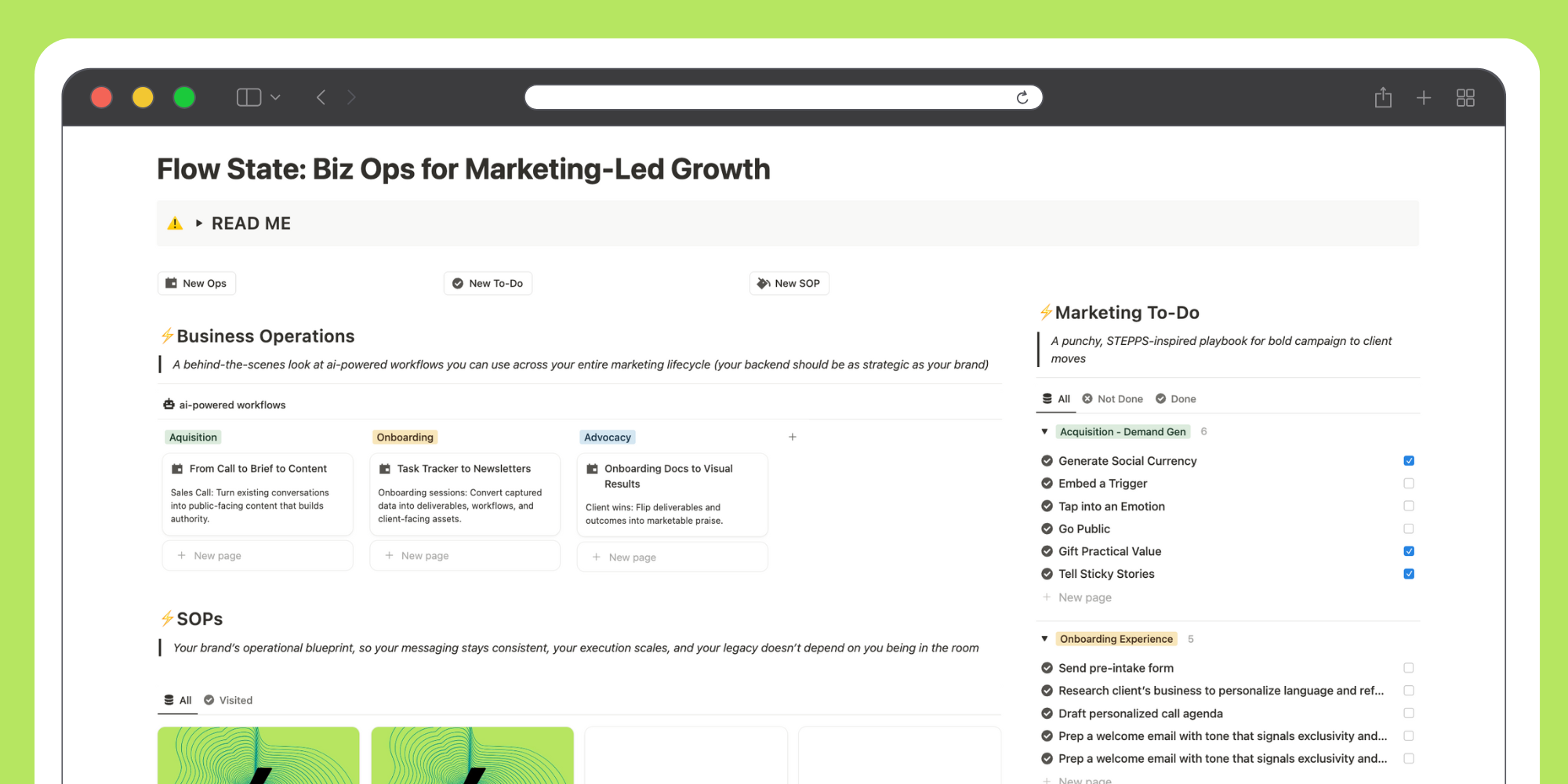
We can continue to build on this dashboard together.
I help founders set up their first ai-assisted workflow to finally see what marketing is working, what’s wasting money, and free up 10+ hours a week doing it.
Before you open another AI tutorial, pull up last month’s bookings and circle every first-time client. Then count how many have booked again. If that number makes you wince, you’ve found your friction point, and it’s where I’d start.
Now, let it resonāte,
Tennile

Obsessed-Like: "Because you watched…" Netflix does it. TikTok does it. but Pinterest does it best.
Pinterest Predicts? More like Pinterest Programs.
Guest post by Kiyosha T
Editor’s Note: Ever wondered how TikTok influencers set trends, and Instagram is trailing three months behind? Kiyosha, a social media strategist with a love for spicy campaigns and bold brands, has a knack for uncovering how niche culture collides with the mainstream. So, of course, I tapped into her and she followed the breadcrumb trail—past the influencers—into a silent data vault where billions of whispers decide tomorrow’s obsessions months in advance (weeell before TikTok). This is our first #HypeWatch guest post of Don’t Believe the Hype. 😆 — Tennile
Pinterest Predicts? More like Pinterest Programs.
Trends often masquerade as spontaneous expressions of taste or originality. But a closer examination of how they emerge, when they emerge, and who benefits from them, reveals something else entirely. These seemingly organic aesthetics are often shaped well in advance, backed by data, and quietly nudged into our feeds under the guise of discovery.
Each year, Pinterest releases Pinterest Predicts, its flagship trend forecasting report that functions less like a cultural weather report and more like a strategic blueprint for how consumers will be guided—intentionally or not—toward certain products, aesthetics, and identities. While it reads like a visual lookbook, it’s essentially a streaming platform serving up aesthetics as Next Up suggestions, just like Netflix.
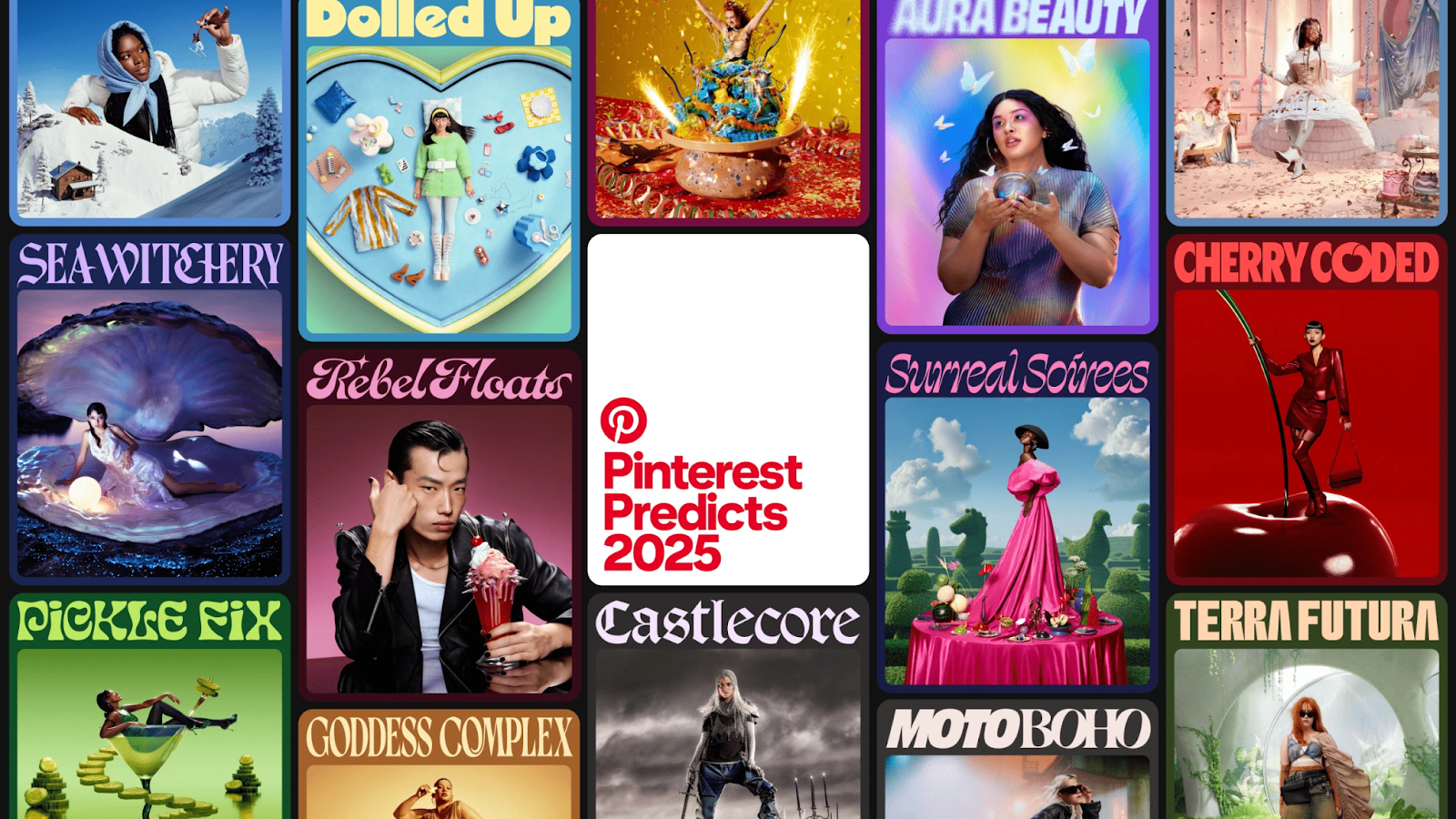
Pinterest predicts 2025
Pinterest is plotting on your new obsession
Make no mistake: Pinterest is not your quirky friend suggesting you try something new—it’s a corporate blueprint built from billions of data points, designed to steer the next 6 to 12 months of consumer behavior.
According to Pinterest itself, the report boasts an 80% accuracy rate.¹ That means 8 out of 10 trends they include do, in fact, go on to dominate timelines, moodboards, and marketing decks alike.
The reason for that isn’t magic—it’s momentum.
Pinterest has quietly positioned itself as one of the most powerful platforms in visual culture by tracking what people love; they’re nudging it forward, polishing it, and handing it to brands who then run with it.
Looking at you Jacquemus.
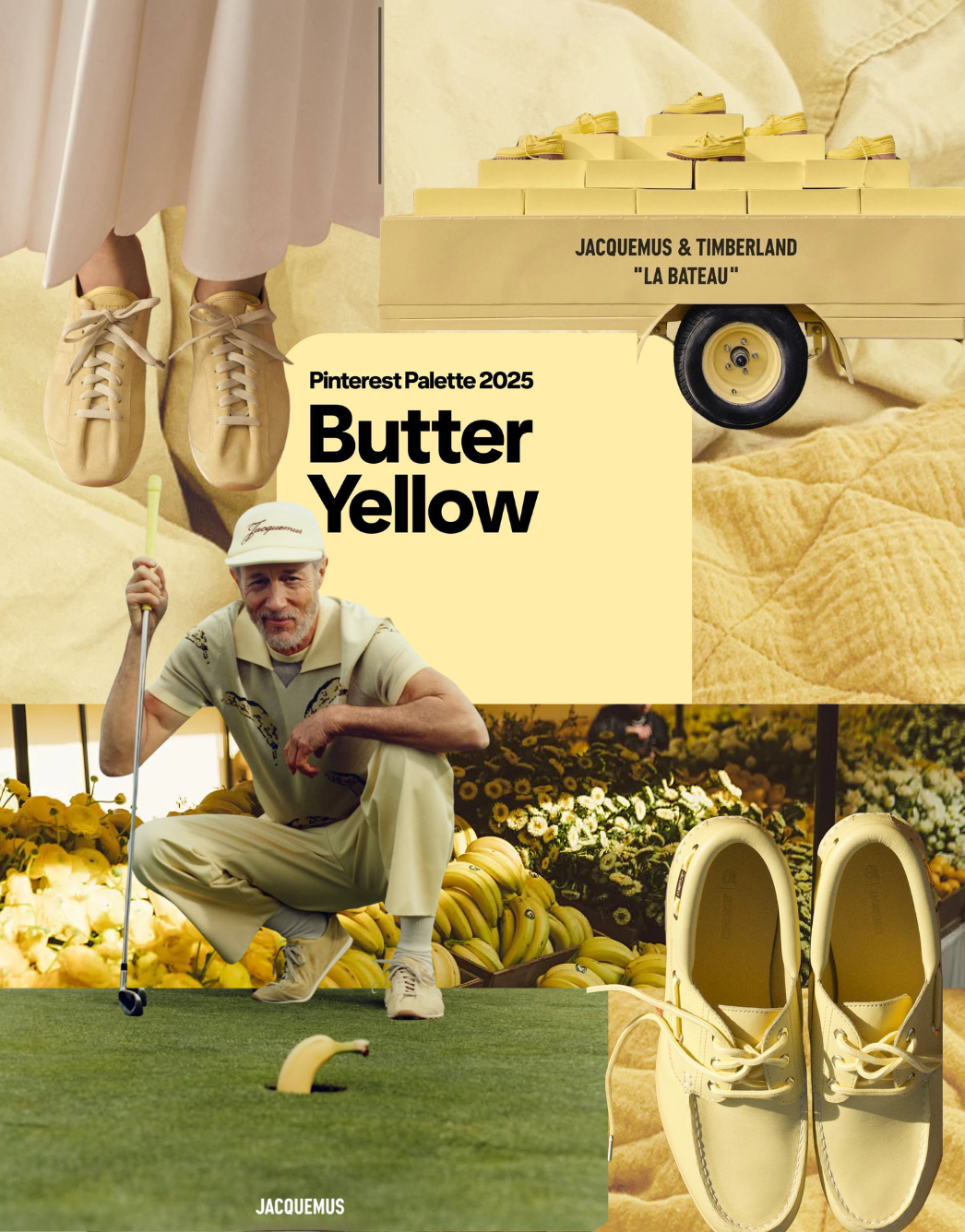
Let’s be honest. “Predicting” a trend only works if you’ve got enough power to ensure it actually happens. Pinterest does. And they wield it with surgical precision, down to which colours you can expect to see IRL and in-feed.
Here’s the process: Pinterest analyzes billions of pins and searches to identify the low-simmering interests bubbling just beneath the surface. Then, Pinterest selects a curated handful of these interest clusters, gives them a clever name and publishes them in a way that feels playful and inspiring, not prescriptive.
But the second that report hits? Marketing teams grab it. Agencies rewrite their decks. Influencers pivot their content plans. The ripple effect is immediate and strategic.
This is how you end up with the same trend popping up from different creators, continents apart. Pinterest uploaded the aesthetic into the cloud, and everyone—from your favourite stylist to your favourite snack brand—downloaded it.
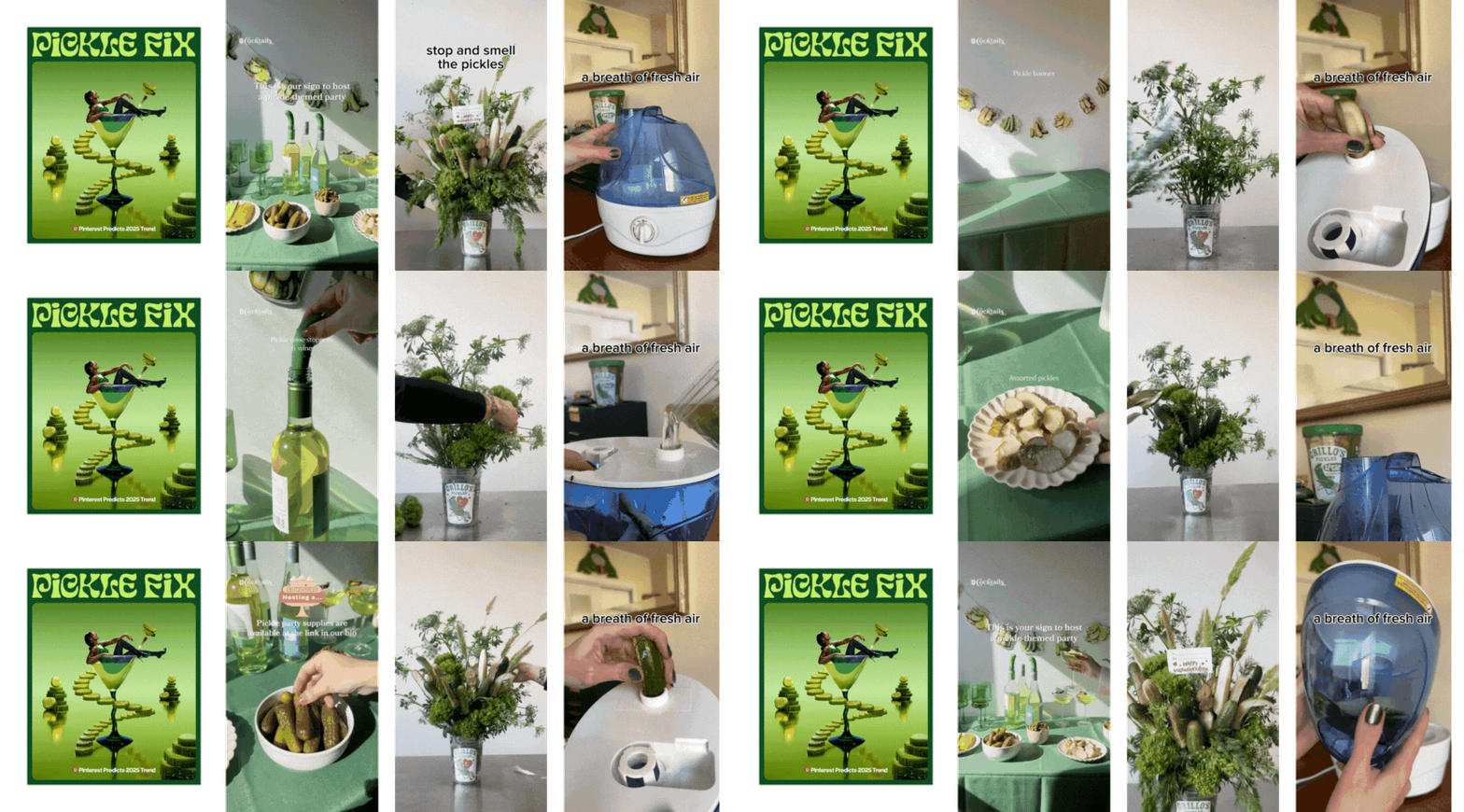
Pinterest Predicts: PICKLE FIX
Why Pinterest Predicts exists (hint: it’s not for you)
Pinterest pitches the report as a helpful, inspiring tool for businesses. But what it really is… is leverage.
Pinterest Predicts allows the platform to insert itself into marketing cycles at the ideation stage. It positions Pinterest not just as a social media platform, but as a cultural authority—a kind of aesthetically pleasing puppet master pulling the strings behind your next product launch, influencer collab, or runway trend.
Here’s what it gives businesses:
Trend Forecasting: Real-time behavior is analyzed and extrapolated to predict future interest.
Creative Inspiration: Think: We saw “Seeing Double” in Pinterest Predicts. Let’s mirror our homepage for the new drop.”
Early Advantage: Brands that adopt early win clout points for being “in the know.”
Data-Driven Validation: Every aesthetic shift comes with a spreadsheet to back it up. It’s creativity with receipts.
The brilliance of it is how non-threatening it all feels. Pinterest isn’t demanding you follow their trends. They’re just putting them out there…surrounded by soft gradients, handwritten fonts, and clever titles that make the marketing feel like a moodboard.
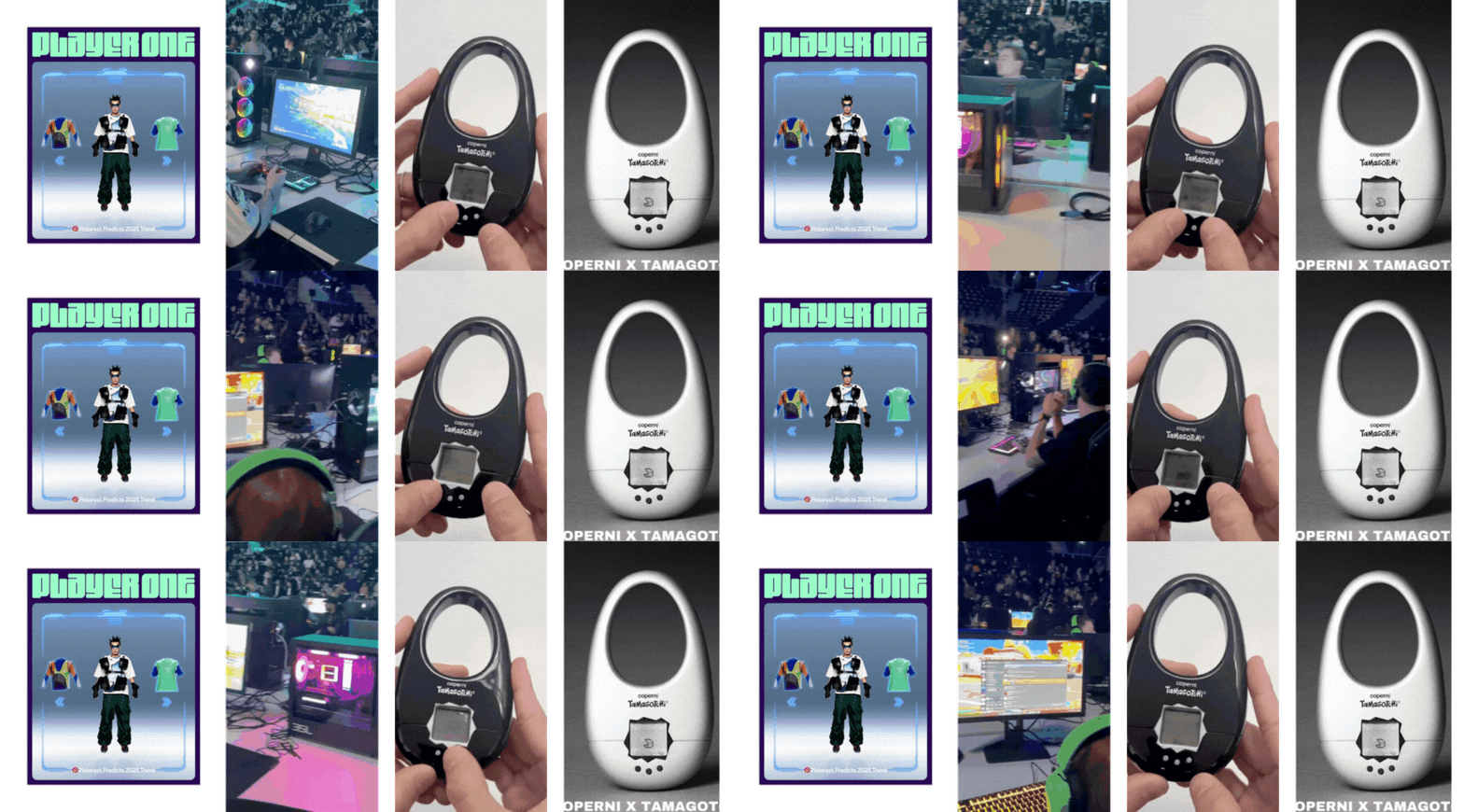
Pinterest Predicts: PLAYER ONE Coperni’s Paris Fashion Week Show and Limited Edition Tamagotchi
Who’s actually winning here?
Spoiler alert: it’s not the creators doing the cultural labor. It’s not the small brands trying to ride the wave after the crest. And it’s definitely not the Black and Brown communities whose innovations so often serve as the unpaid R&D department of the internet, only to see their work laundered through a sanitized, Pinterest-approved aesthetic a few months later.
The real winners are the players who sit closest to the money.
📈 The big dogs: agencies, retailers, brands
Once Pinterest Predicts drops, big brands are already mid-rollout—SKUs approved, shoots wrapped, and product lines built around trends before the public even clocks them. Agencies remix those same forecasts into high-ticket strategy decks, slapping on buzzwords and cashing in on ideas creators made viral for free. Retailers and pop-up curators close the loop, turning Pinterest moodboards into fully shoppable spaces.
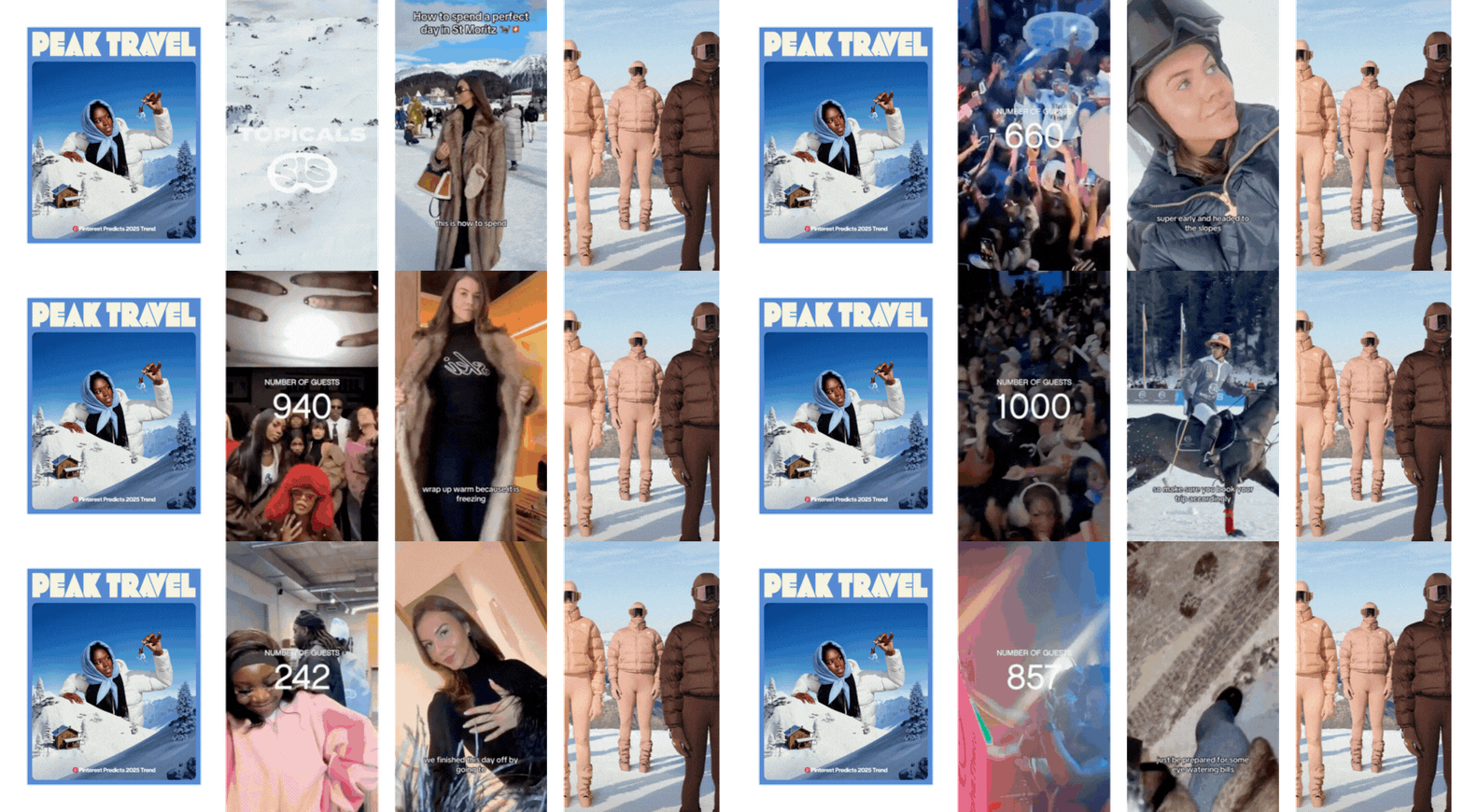
Pinterest Predicts: PEAK TRAVEL Topicals x SLS Influencer Ski Trip and SKIMS x North Face Ski Collection
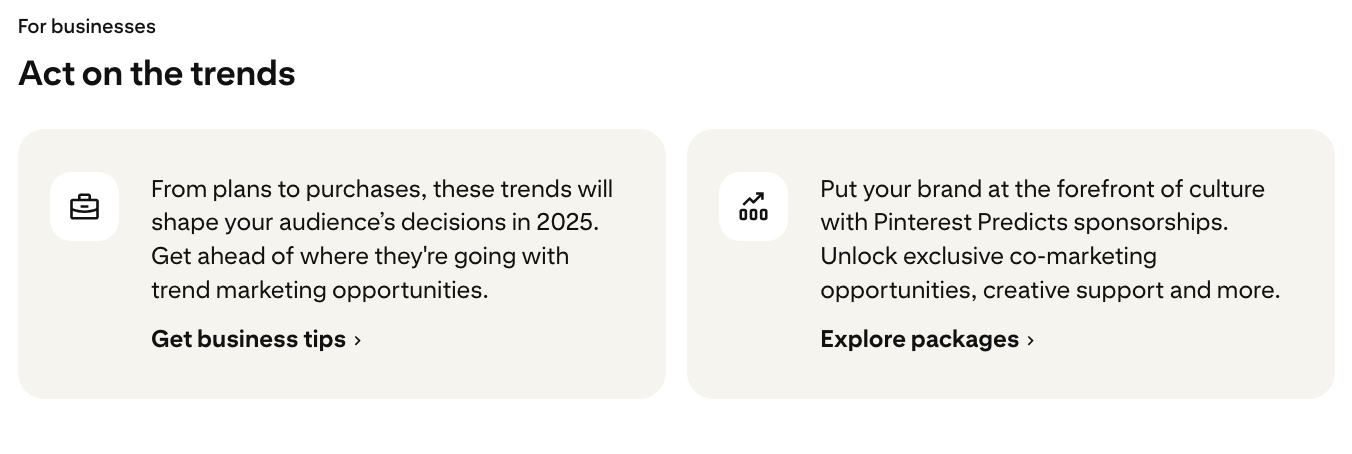
The CTAs in the report clearly have marketers in mind, as Pinterest is positioning itself as a supporter in helping brands build strategies around these trends.
Meanwhile, the people making the trends feel alive—the creators, the style innovators, the niche communities on the edge of culture—are often left in the dust.
They’re often reduced to being “early adopters.” Which is wild, because in many cases, they’re not early adopters.
They’re the blueprint.
But platform culture doesn’t reward origin. It rewards distribution. It rewards palatable. It rewards scalability.
So, unless you’re tied to a brand, an agency, or a platform with media muscle, your cultural capital often gets extracted, then erased, then sold back to you as a rebrand.
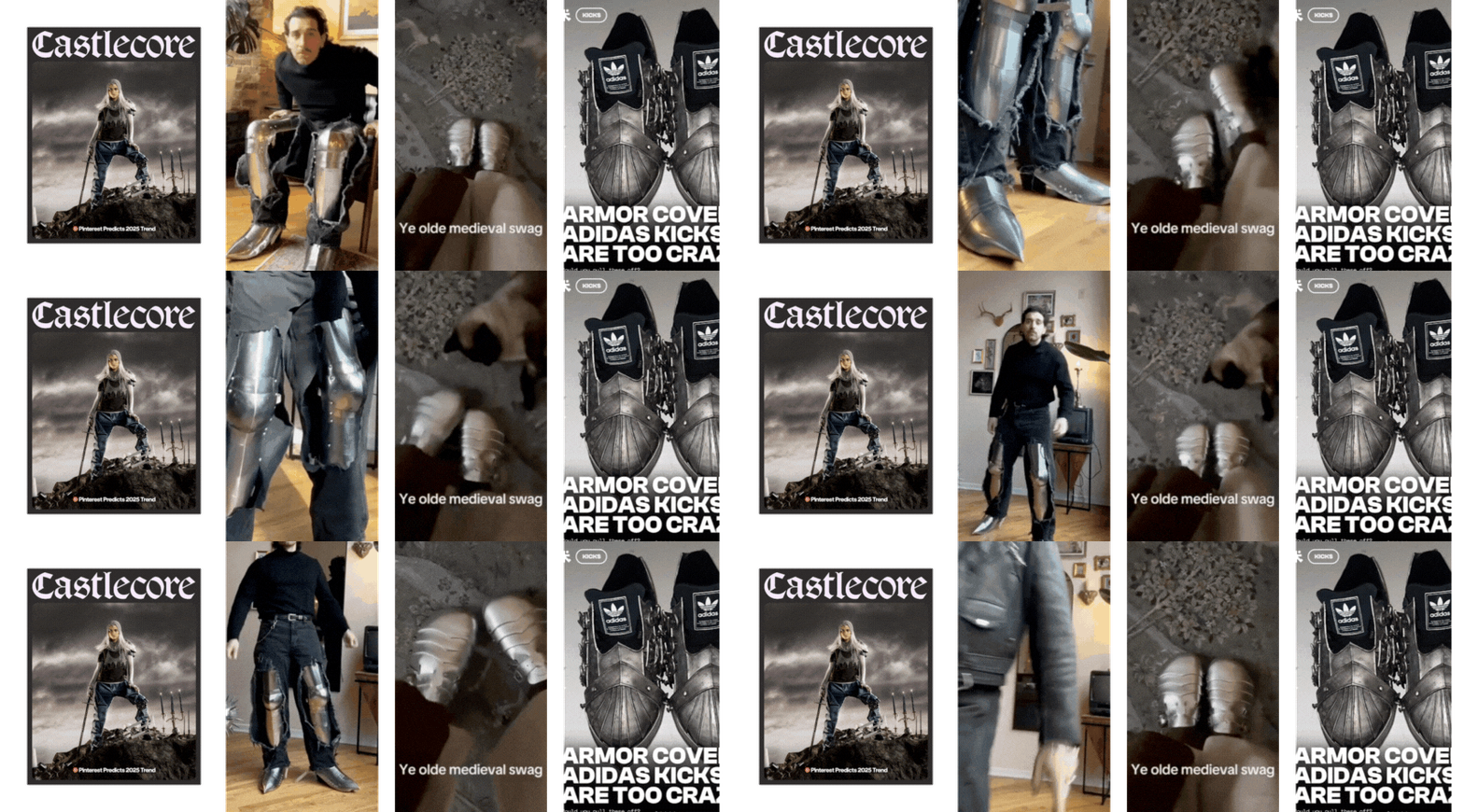
On the flip-side: we owe Pinterest their flowers
You gotta give it up to the Pinployees, they’ve managed to consistently bring the hype to fruition in a way that feels weirdly specific, inclusive of niche interests and also easy enough to participate in.
Moving like a publisher, retail outlet, and cultural producer, all at once?
I can tell you right now, if you’re still treating the Pinterest Predicts Reports like any other trend round-up, you’re gonna miss the rollout.
As marketers, we gotta ask ourselves:
Are we studying how the trend is moving, or just jumping on it once it’s already arrived?
Who’s actually at the center of the trend we're amplifying—and who got erased in the rollout?
What would it look like to partner with the source of culture, instead of just packaging the aesthetics for profit?
Because once Pinterest drops a trend, the chain reaction is set:
A Pin becomes a post, the post becomes a campaign, the campaign becomes a carousel, the carousel becomes a cart—and the cart? It becomes your target audience’s personality.
This isn’t random.
This is Because You Watched Culture™.
So quit playing with Pinterest and get with the programming.
They’ve already queued the Next Up suggestions:
📺 Sci-Fi: Urban Decay SG1: Sea Witchery
📺 Feel-Good Comedy: Uber to the Nesting Party
📺 Period-Drama: Chappell Roan’s Rocco Revival
Now you know what trend is up next!
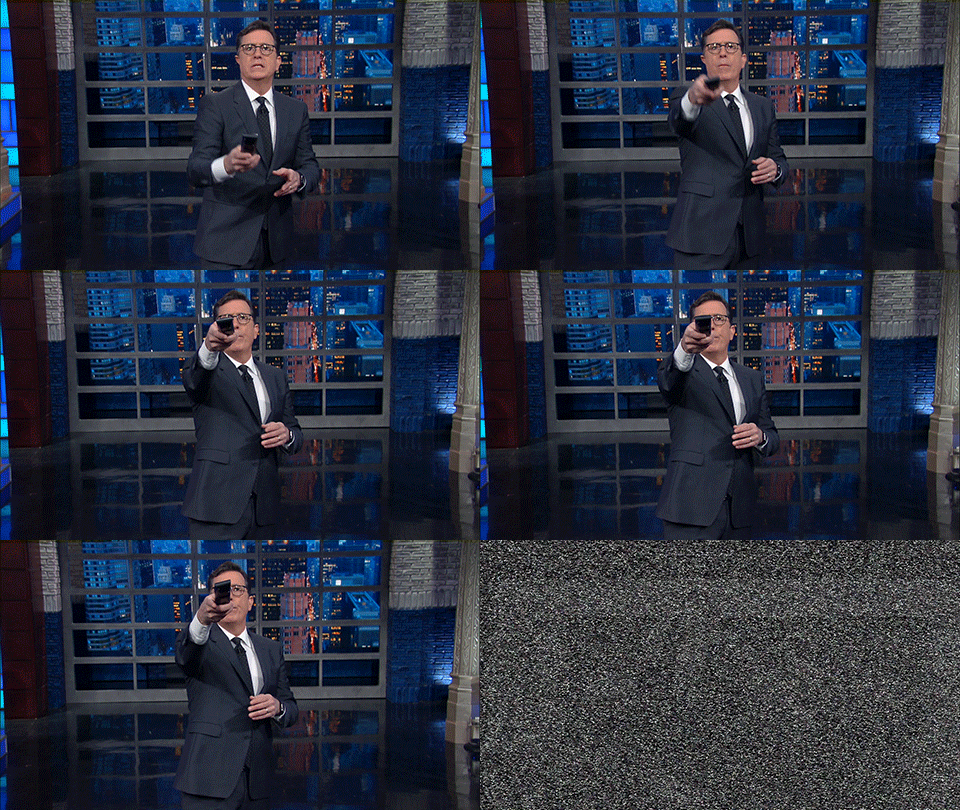
👋🏾 Soooo…collective illusion is public enemy number one—Don’t Believe The Hype. Every so often, we’ll say the quiet parts out loud (in your inbox). So we can cancel or co-sign marketing or market trends and discern pop culture gems from flops together. And start making sense of the nonsense online.

Ready-Like: Let’s call it what it is: ai colonizing
ai is coming for your job. But first, it’ll colonize your expertise.
ai is coming for your job. But first, it’ll colonize your expertise.
Oh, the fear of ai permeates our nostrils.
You can’t scroll for more than two posts on LinkedIn without bumping into somebody talking about chatgpt em dashes (—) or an ai-generated action figure graphic.
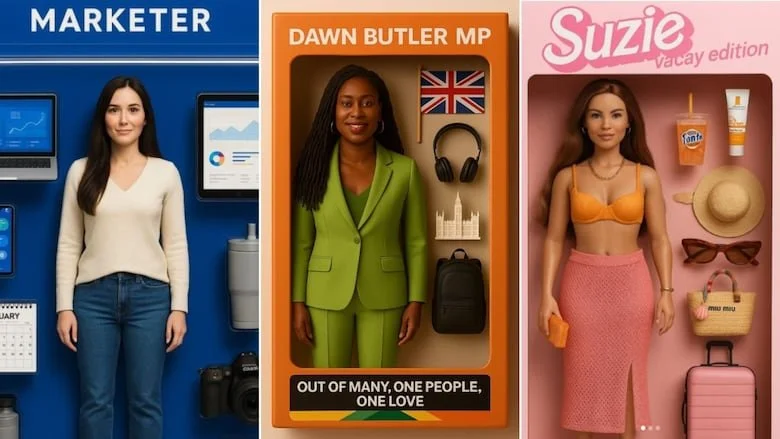
Why is everyone suddenly a doll? Newest AI trend is more than harmless fun (CBC)
Like this one LinkedIn poster, a Creative Director—in fact—identified that if they don’t learn a new ai trick fast and in a hurry, they will be replaced. After posting an ai-generated model with human-like imperfections, their practice ad faced backlash for ai’s use instead of a real person. “Because I need to learn new skills and practice, otherwise I'm going to be replaced too…”
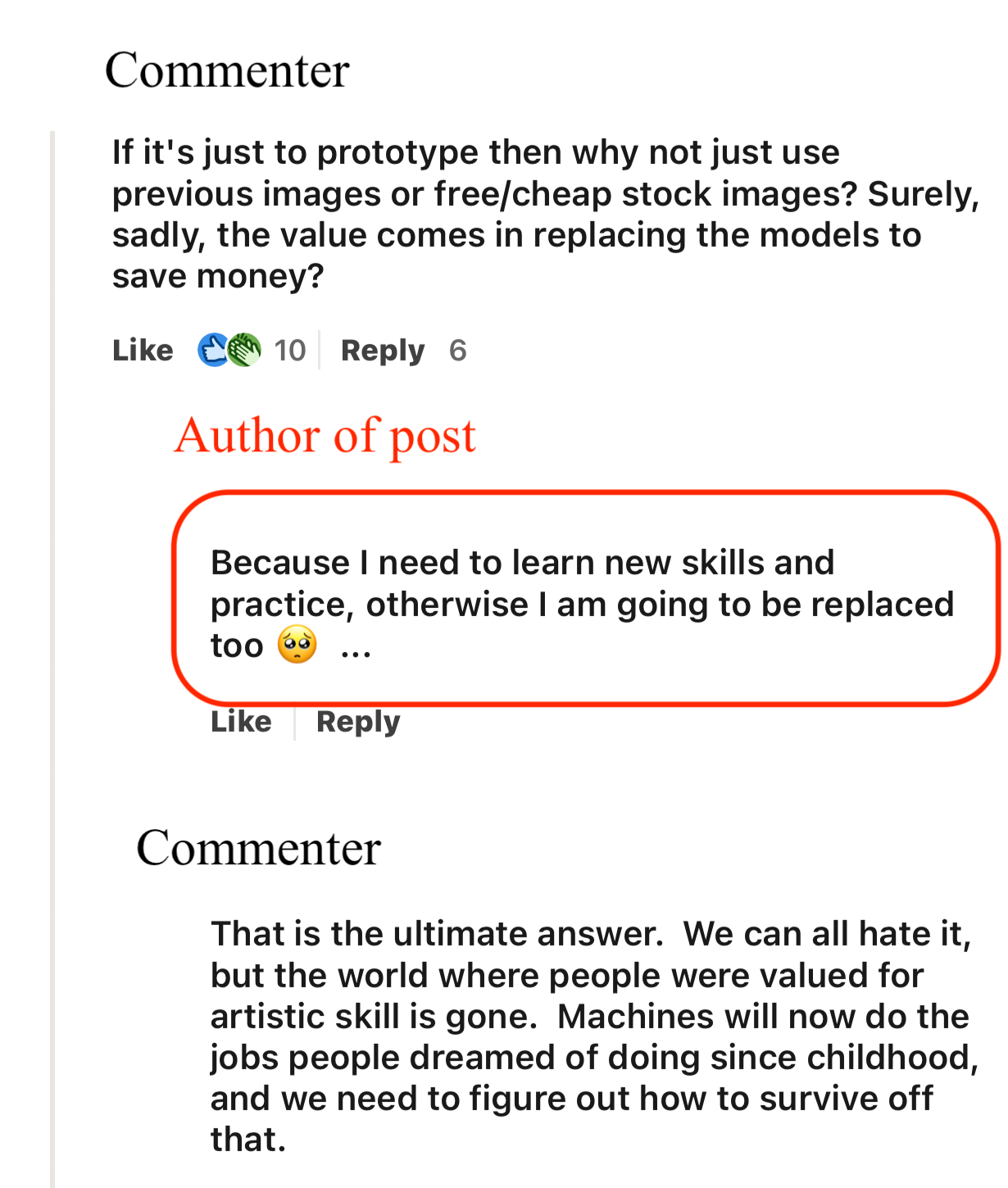
A LinkedIn poster expresses ai concerns
That’s what this entire article is about. And I have a lot to say about the topic.
fear-mongering?
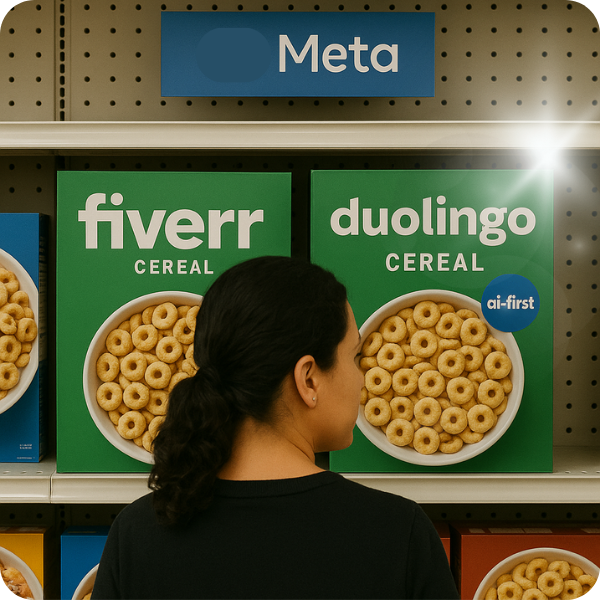
About a month back, Micha Kaufman, Fiverr CEO (the company that did a commercial jingle on “nobody cares if you use ai” with their freelance marketplace but, it turns out, we do. Them. I wrote about it here). Sent an email to staff, exclaiming that ai was going to take their jobs. Including his own.
He was even bold enough to share that same email on Twitter (X).
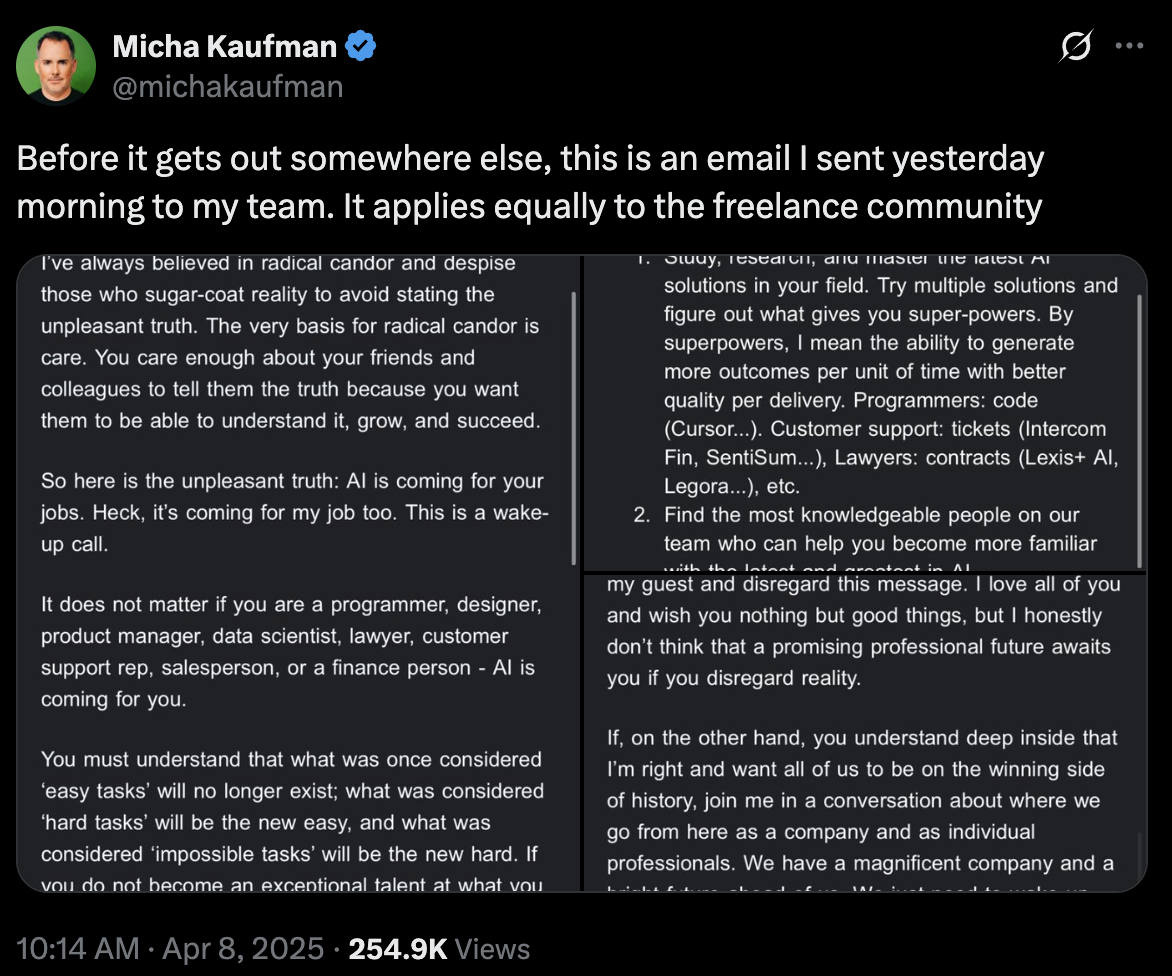
source: X
And honestly…*slow claps*.
I agree.
We collectively, WE, downplay the power and the dangers of ai. It’s not just out for our jobs, THAT’S only the casualty. It’s out for US. Our identity.
*Type this into chatpgt right now: “What are the threats of ai. Be honest,” and see what it says.
ai learns from human data. Us.
ai learns art, writing, language, music, voice, video, code, law.
ai learns bias, racism, sexism, classism, and every other -ism.
ai then optimizes it and repackages it.
Sounds a lot like colonizing, doesn’t it?
As much as there is good in how it can supercharge us in our work and life…there are unspoken threats. And when you do speak up on the threats, you’re fear-mongering. Like in the Fiverr CEO’s case.
But deepfakes are a real, present reality.
Forget fake news. Imagine even faker people. Not fake like your sister’s BFF who acts like a Stepford wife. I mean ai generating entire political speeches, protests, or war crimes that never happened, all in HD with the voice to match (see the movie G20 with Viola Davis for an eerie representation).
Don’t believe the hype…at least not all of it.
ai-first?
Duolingo, everyone's favorite psycho bird. And language learning app recently fired all their contractors (first translators, then writers) and replaced them with ai.
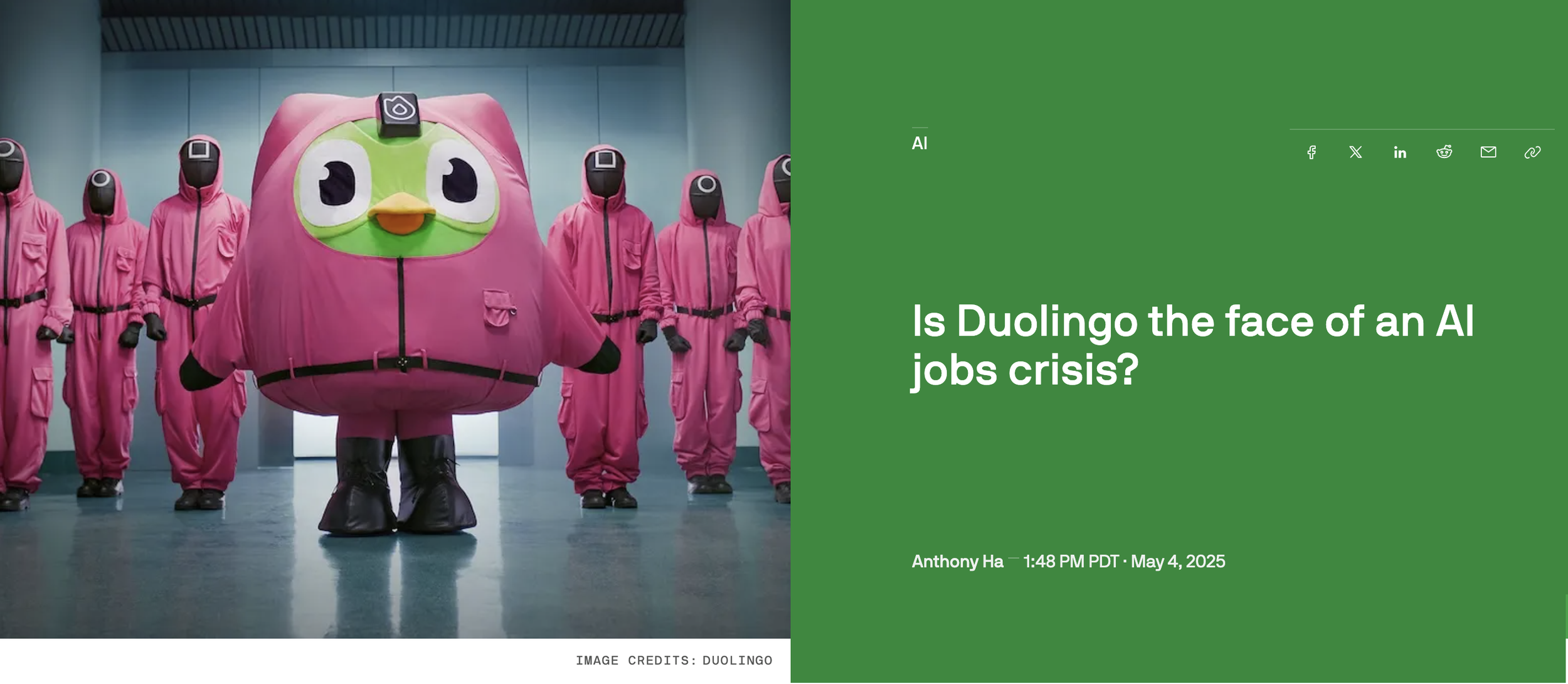
Source: TechCrunch
Let me write that again: They fired translators.
Professionals closest to the cultural language, so you feel like you’re learning authentic dialect instead of playing a game of linguistic charades. And for that lovely trade-off, we get 148 new language courses generated by ai. What would’ve taken them 12 years to accomplish, they did it in one.
Hip hip hooray!
This is what it means to be an ai-first company. It’s oddly similar to a profit-first company. The similarities are uncanny.
But before you write me off as sounding bitter about it, I want you to know that I am a Duolingo Devotee.
This criticism comes from a loving place for their on-the-pulse marketing and how they’ve set the bar for employee engagement. I am challenging them to think bigger and be braver in their language learning approach.
They could’ve built an immersive program for learners. Connecting learners to native speakers in their home country (I see an Airbnb partnership).
They could’ve leveraged the translators to create paid micro-courses focused on regional slang, idioms, and cultural references too.
They could’ve created Duolingo Originals. Web-based series that help learners grasp the language through telenovelas (hello, Netflix or maybe YouTube).
They could’ve made contractors in-app coaches as a paid upgrade.
They could’ve struck up EdTech licensing deals with schools, orgs and governments.
“Instead of shrinking their soul to scale,” ← ai said it, not me.
But I’m sure the smart Duos over at Duolingo already pitched these alternatives with the caveat that none of the above can be done fast and in a hurry. However, short-term tactics over long-term ones will have you fighting for your messaging life. Profits to follow.
It’s the 12 years that made them, but it could be that one year that breaks them.
It’s bad optics—even worse timing. And an unexpected pivot that caught me off guard is all. I was rooting for you, Duolingo!
So, for the employees reading this from a company computer, here’s what you’re up against
Change management battles
I fear that the companies toting ai-first failed to ensure practical application by establishing existing well-oiled systems and processes first—before introducing another tool with no roadmap. They’re underestimating the ramp-up time to see ai ROI, as if employees don’t need to be reskilled or upskilled.
Research shows “employees are not getting the training and support they need. More than a fifth report that they have received minimal to no support.” (McKinsey 2025)
And we haven’t even factored in the workplace politics of senior leaders feeling intimidated by employees who are more ai-versed, taking their jobs. Then, sabotaging the complete rewiring the company now has to undergo. People can be the driver or the blocker to ai adoption.
Speed vs safety dilemmas
“Data security, hallucinations, biased outputs, and misuse (for example, creating harmful content or enabling fraud) are challenges that cannot be ignored. Employees are well aware of AI’s safety challenges. Their top concerns are cybersecurity, privacy, and accuracy.” (McKinsey 2025)
Yes, those who are ai-first will indeed produce more and faster. As for quality, that's questionable, but we’ll tackle that on a LinkedIn post. The real threat for CEOs, especially established brands like Duolingo, is handing over the playbook for Duolingfauxs.
Slapping ai-first on your brand is like wearing a generic sign on your forehead—you're just advertising your codependency on tech you don’t control.
Startups get the edge here because they truly can move fast with no bureaucracy as a barrier. No disgruntled or underskilled employee can sabotage their growth. CEOs will have a new challenge unlocked: copyright infringement on intellectual property (IP). It only takes one employee to abandon safety & privacy protocols, and they’ve engraved the company’s tombstone.
Sure, “produce faster,” but while enterprises are tangoing with these speed bumps, startups can now copy & paste their entire business model with a single prompt (from all the data input). And by the time they’ve realized it, a hundred more competitors startups have popped up.
Meta marketing?
Can we hate Meta anymore?!
Apparently, I can, and the whole marketing community betta be behind me when Ryan Coogler says: “The moment some s*** becomes a business, somebody’s getting f***ed.”
And it’s the advertising world.
Zuckerberg’s plan:
“...we’re going to get to a point where you’re a business, you come to us, you tell us what your objective is, you connect to your bank account, you don’t need any creative, you don’t need any targeting demographic, you don’t need any measurement, except to be able to read the results that we spit out. I think that’s going to be huge, I think it is a redefinition of the category of advertising.” (Source: The Verge)
Any professional willing to throw their brand to the mercy of “connect us to your bank account and read the results we spit out,” deserves the results they get. Because this is your Hail Mary.
Meta wants your business data to be compromised and companies fearful of falling behind, so they hand over their bank account without a fight.
And the first to leap at the chance will be scammers. I repeat. Will be scammers. “Infinite creative,” is a scam artist's dream! They’ll probably get some unsuspecting suckers, get rich then create a course.
We won’t see any award-winning campaigns, tear-jerker ads or meaningful moments here. Just ai-generated slop that makes Zuckerberg filthy richer.
Hip hip hooray!
Because people really don’t care about creative newness or nostalgia, they care about convenience. And if they can get whatever you’re selling faster and at a lower cost than the competitor—they’re buying.
But at what cost!?
It’s a heavy penalty if consumers don’t refrain from falling for the okie doke. It’s a vicious cycle that, if entered, job loss follows shortly after. Because it confirms we don’t need a human here. And yet, we still need people to buy these products…but with what money?!
It’s another group project we’ll likely fail.
Narrator: Ok, so what’s the moral of the story, Tennile? It’s getting dark.
We need to be as ready-like, ai.
Colonizing has upgraded to code. It’s cultural erasure coding.
“It’s when machine intelligence, built on biased data and optimized for scale, starts to replace, dilute, or flatten human systems—especially the ones that were already marginalized or inconvenient to capitalism.” —ai
There are no royalties to the artists—LLMs were built on to generate those viral action-pack figurine graphics. No citations to the writers before us and scholars of today who contributed to the Internet library. And no credit to the cultures that birthed languages, slang, and AAVE. With Duolingo’s firing of translator contractors, you get the “learning,” but no lineage.
And big tech owns it all.
So before we turn into property. And our identity goes on sale. We can stop handing it over willingly.
How to “future-proof” your career?
Learn ai’s limitations
And that means play around with the tool. Try it and break things, as they say in coding. You only fear shadows in the dark.
Here’s what it lacks:
Emotional depth (therapy, negotiation, leadership)
Cultural fluency (branding, storytelling, DEI work)
Creative originality (conceptual thinking, innovation, satire)
Contextual judgment (strategy, ethics, crisis response)
Become a category of one
Otherwise known as personal branding, cringe or weird. That little piece of real estate on your LinkedIn headline begs you to carve out what you want to be known for.
Get up to speed on tech
Learn how to improve your workflows, stack your skills and reduce inefficiencies. Tools like Zapier, Notion, chatgpt, Descript, Midjourney, etc. Get in the weeds and see what all the hoopla is about. Stay curious, not intimidated.
Be undeniable
It’s not enough to be skilled and an expert. You need to be able to tell that story in visibility and receipts. Your business acumen needs to be just as good as your talent. And that includes diversifying your income. Otherwise, you’re replaceable by you know who.
We're walking right into a future where YOU are optional in a company—and that’s what ai is truly coming for.
In the words of the Player’s Club, “Make the money. Don’t let it make you.” - Diamond
👋🏾 Soooo…collective illusion is public enemy number one—Don’t Believe The Hype. Every so often, we’ll say the quiet parts out loud (in your inbox). So we can cancel or co-sign marketing or market trends and discern pop culture gems from flops together. And start making sense of the nonsense online.

High-Like: Is marketing dead?! An open letter to marketers...
The cost of being remarkable is discomfort. The cost of being comfortable is irrelevance.
[ short answer ]
Is marketing dead?
No, but safe marketing is. Too many brands lean on predictable celebrity deals and AI-generated ads that have no heart. The work that breaks through, like Pella's "Make Life Brighter" campaign with Missy Elliott, taps into real human experience. Use AI as the paintbrush, not the artist. As Tennile Cooper puts it: the cost of being remarkable is discomfort, and the cost of being comfortable is irrelevance.
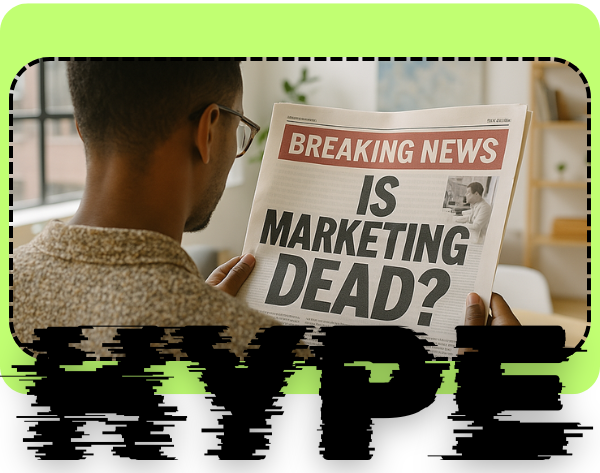
generated by ai
Marketers need more guts.
No, because we keep putting out trash.
We keep executing from the same playbook.
We keep stalking our competitors instead of our vision.
We keep losing sight of the goal with a constantly moving target and budget.
We’ve lost our edge.
And that’s not the reason we got into this business, is it?
So, congratulations, you did it.
You’ve cracked the code and managed to make marketing—a once electric, culture-shaping, boundary-pushing art form—so safe, so predictable that it’s basically a 90s workplace health & safety video.
We’re no longer the moment that makes people stop, think, and feel. No, we’re churning out content that’s algorithmically approved, editing committee certified, and passion-free.
If we’re not going off the rails with incongruent partnerships, it’s ai-generated productions now?! The brand narrative is starting to glitch.
no inclusivity, no challenging of stereotypes, just status quo
Whenever brands need a quick hit, they reach for the usual suspects.
Performance marketing: Celebrities with massive followings.
We’ve seen it with Snoop x Solo Stove, and instead of curating a lifestyle, they rent one that’s about as relatable as a White Lotus episode.
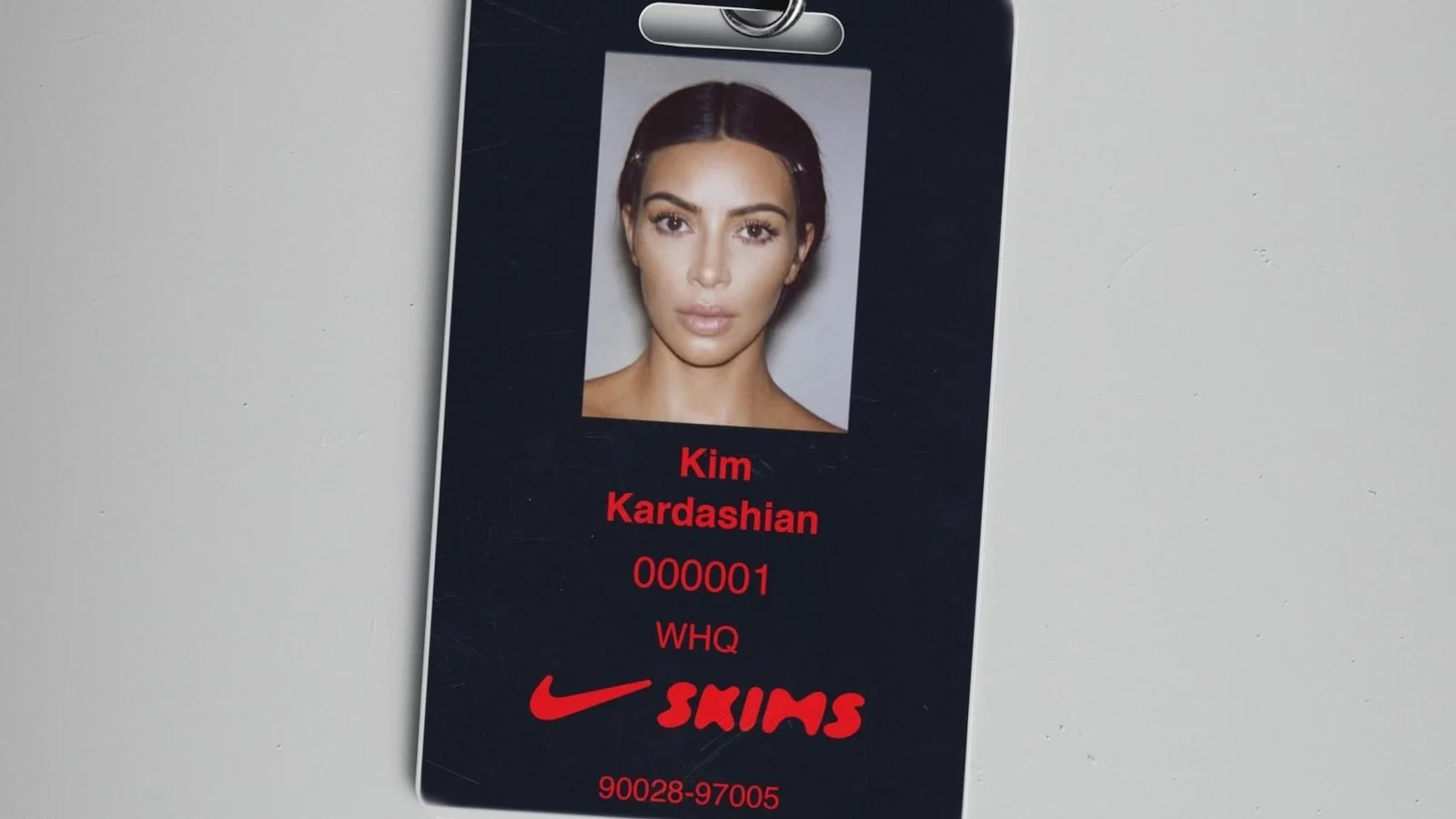
Exhibit A: Nike x Kim Kardashian
Athleticism is diluted into aesthetics.
A brand synonymous with athletic excellence teaming up with a celebrity whose brand is built on shaping beauty standards rather than breaking a sweat. A deal expected to significantly boost the value of Kim Kardashian's shapewear brand, SKIMS, which is already valued at $4 billion.
This isn’t about questioning Kim’s business acumen or Nike’s desire to expand their market share to 6.2% within 24 hours.
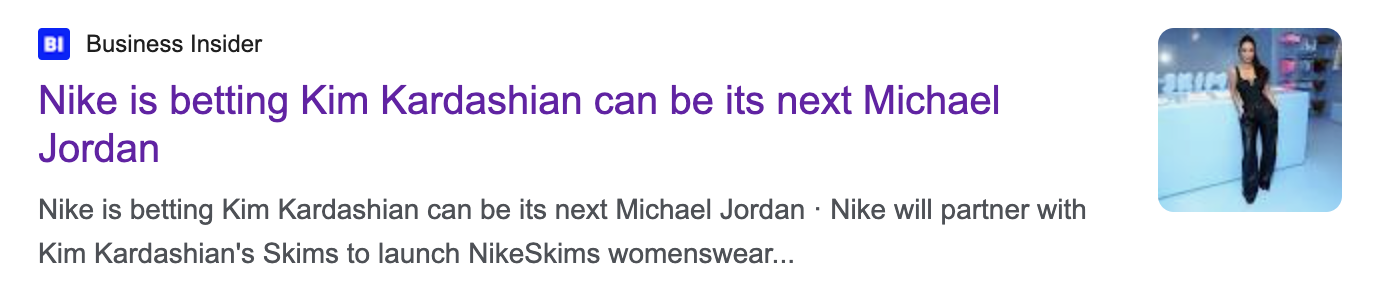
BFFR. Michael Jordan is an athlete, hardly the same Business Insider.
It’s about asking why we keep reaching for these predictable partnerships when there are countless other stories waiting to be told—stories that might not rack up likes as fast but could actually create cultural impact like a Kendrick Lamar. Cause we need it so bad right now!
Why not align with unconventional athletes who break the mold of what fitness looks like? Like Tatyana McFadden, a paralympic wheelchair racer and the closest we’re getting to a superhuman.
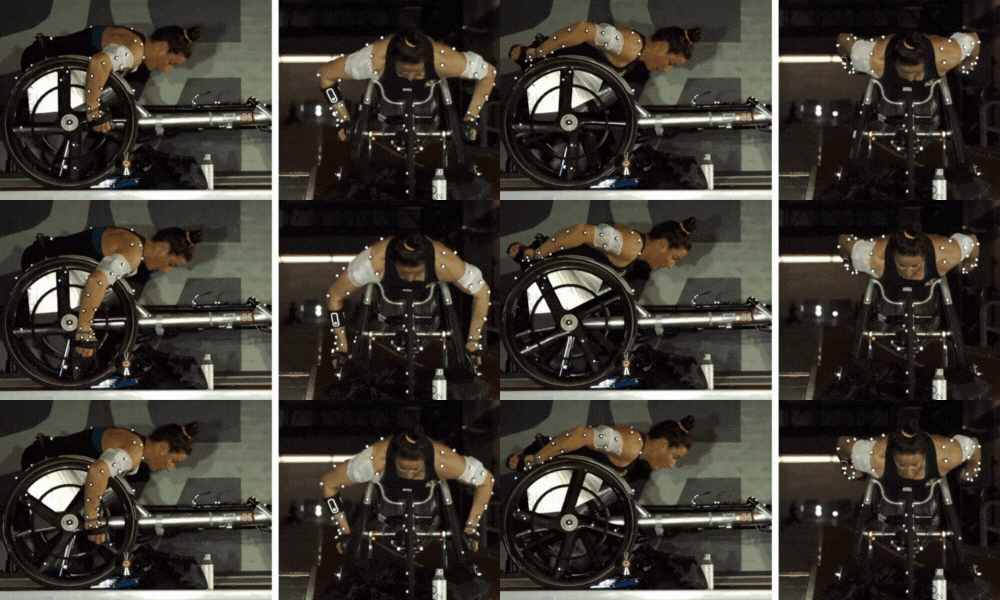
Why not invest in campaigns that tell the stories of women using sports to challenge societal norms? We see you, Sha’Carri Richardson, a track and field badass who knows her place—IT’S FIRST.
As Nike has done so before. Why are we losing the plot?
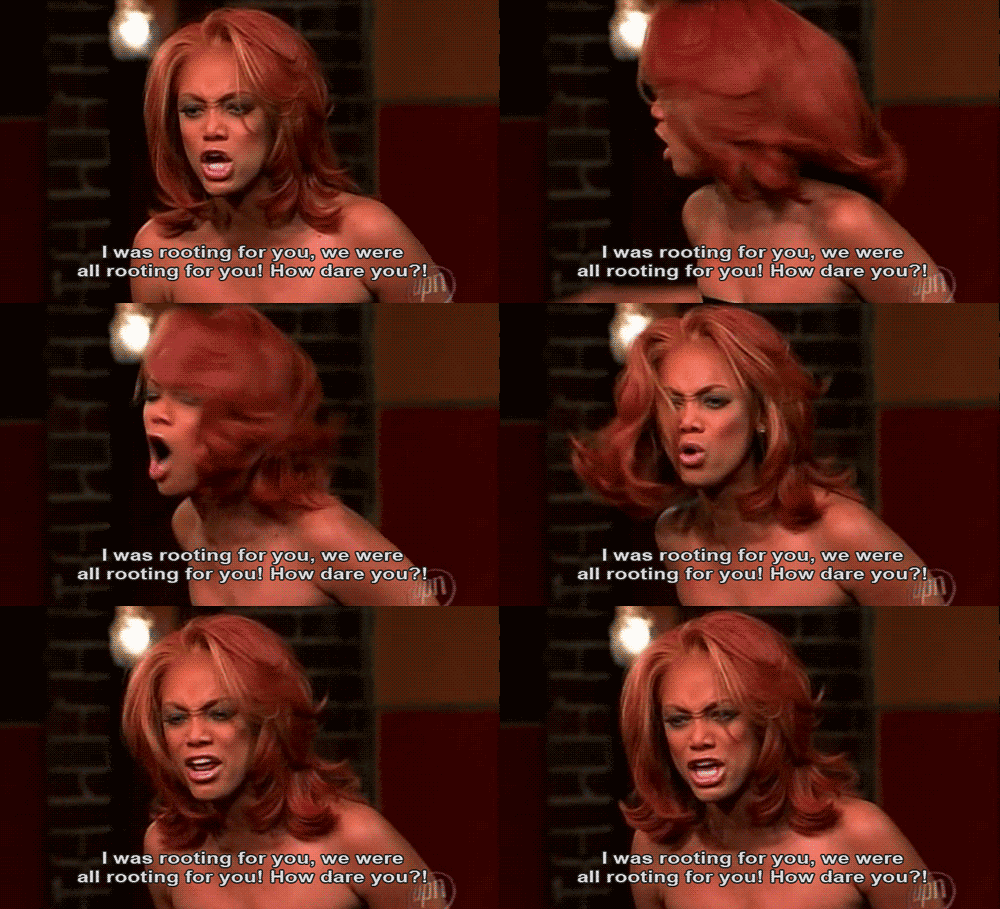
Of course, Kim’s influence is undeniable.
But this is not a shot at one thing.
It’s a firing round at the entire myopic machine. When you boil down marketing to only leveraging someone’s follower count, it becomes solely a transaction.
As I mentioned before, both entities are not short of cash.
This is not a creative brief of inspiration but for Instagrammability.
Marketing has become so dull.
a pandering partnership went sour…*shock-face emoji*
Exhibit A.1: Gymshark x TikTok Star Alix Earle Lawsuit
Alix Earle expressed support for Israel, posting "Now and always, we stand with the people of Israel" on Instagram. Gymshark caught wind of it and dropped the TikTok star faster than a tariff retaliation. Earle, feeling blindsided, filed a lawsuit, claiming the brand owed her $1 million for proposed promotional content, but the brand denied any formal contract ever existed. After some back-and-forth, they settled in court, but the details are hush-hush.
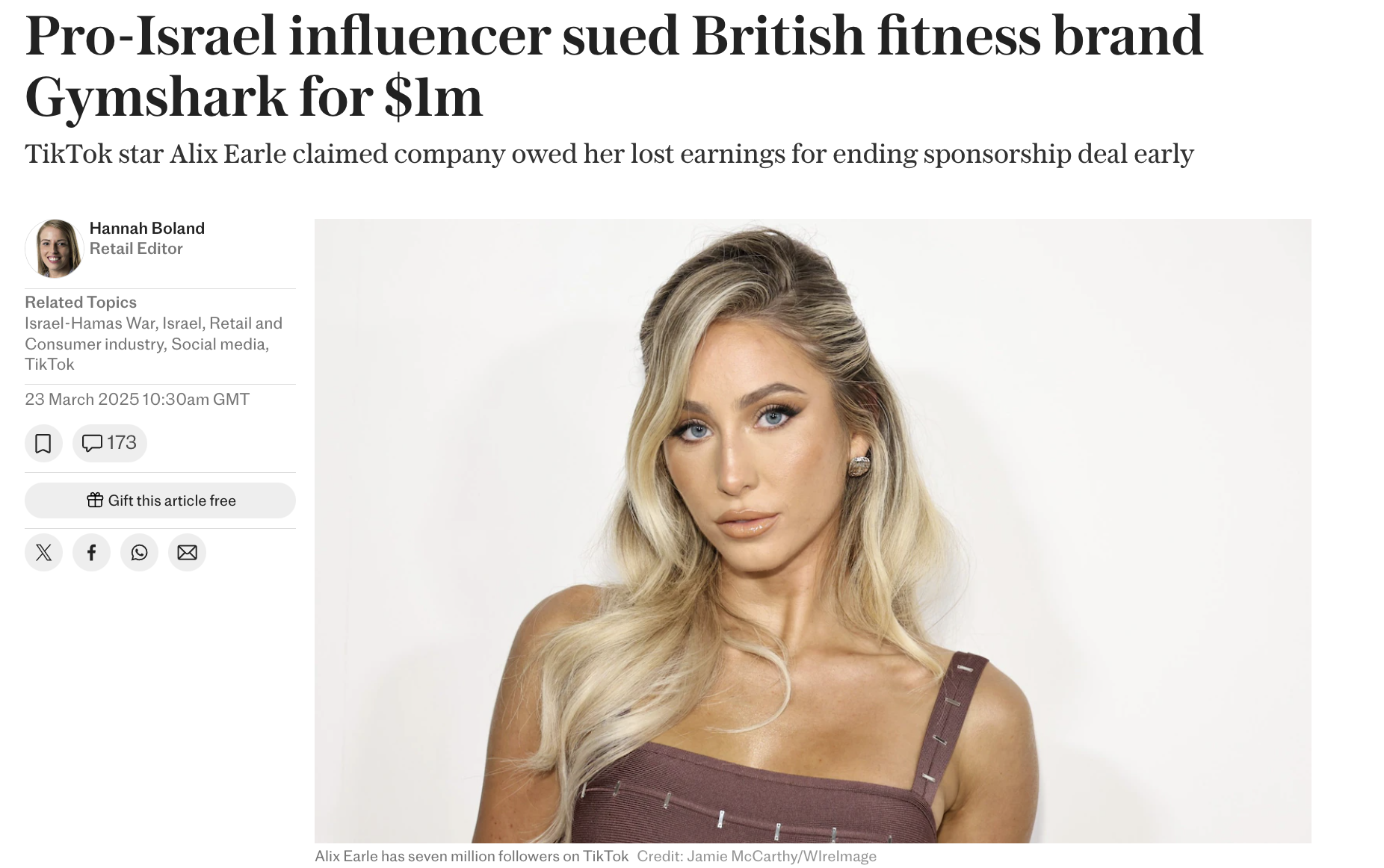
Earle’s over 11 million follower count overshadowed the hollow nature of the brand partnership. When brands know who they’re serving and why it matters, they can spot a misalignment from a mile away. The TikTok streets already knew about her previous racist indiscretions though!
Honestly, I’m impressed Gymshark stood on business and made the correction. But let this be a cautionary tale for brands in their influencer frenzy: Know who you’re partnering with—and more importantly, know why. Because sometimes, chasing clout can leave you catching lawsuits instead.
no heart, no humanity, just budget cuts
This brings me to our obnoxious obsession with ai.
Creativity has been outsourced and used as a crutch to avoid the messy, unpredictable work of creating something uncommon.
Exhibit B: Puma’s ai-generated ad
Puma decided to hand over the reins to the monotone machine—no human oversight, just a bunch of ai agents generating concepts, scripting, and visuals.
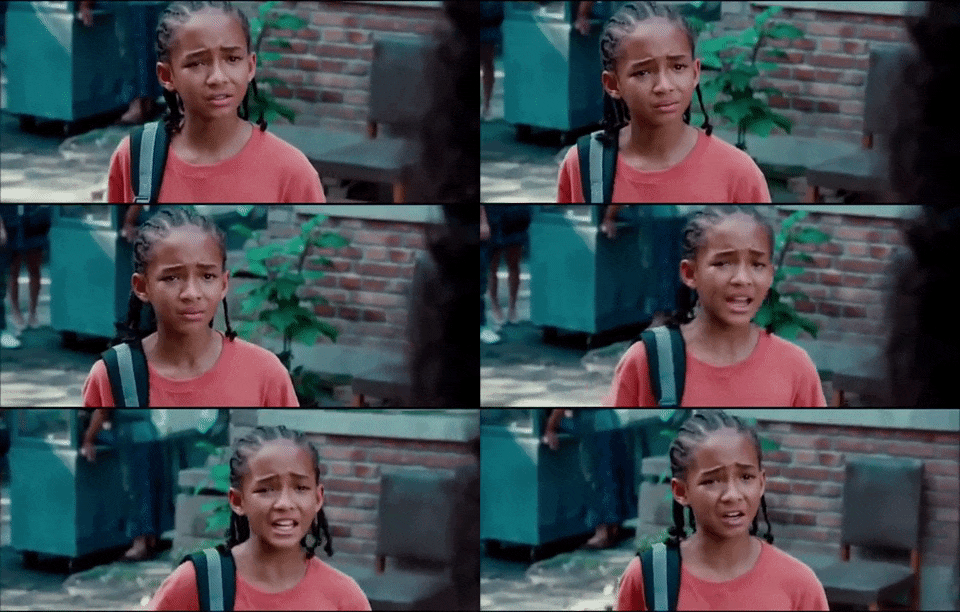
I hate it here.
This is an ad that technically checks all the boxes of “creativity” but lacks the heart and spontaneity of real human storytelling.
It’s efficient, sure. Novel, absolutely. But does it resonate? Hell nah.
The whole thing resembles a Bing search image gallery: copyrighted, formulaic, and ultimately soulless.
I think tf not
The campaign itself was more proof of ai’s technical prowess than an actual cultural moment. Puma isn’t generating a narrative here—they produced a spectacle. The type you gawk at and ask ‘Why?!’
Survey says: there’s a disconnect.
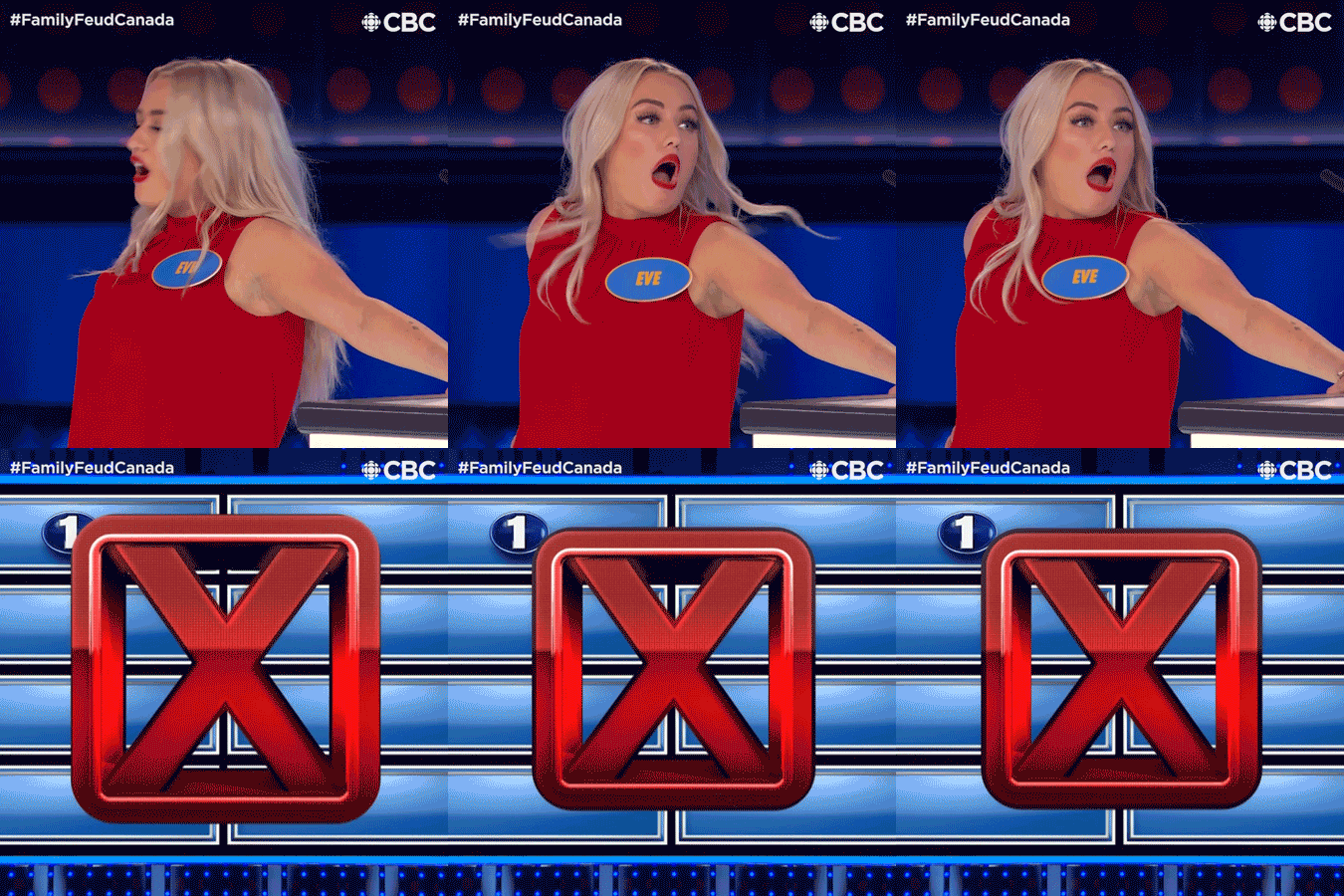
The problem isn’t ai itself. It’s how we’re using it. We’re treating it like an artist rather than the paint brush, leasing creativity rather than investing in it. ai can be an incredible assistant. Something that helps shape ideas, enhance visuals, or predict trends. But when it becomes the entire creative department, fcuk no!
We end up with this. Campaigns that feel manufactured rather than meaningful.
Giving up on the imperfect brilliance of human creativity because we’re too afraid of the unpredictable is a major cop out. The risk of creating something that doesn’t immediately rack up likes or approval feels too great, so instead let the mechanical machine take the fall.
Le sigh.
turns out, everybody cares about the use of ai…*melting face emoji*
Exhibit B.1: Fiverr x ai
What Fiverr was trying to get across was that ai is a powerful tool when paired with talented freelancers on their platform. The catchy musical number, complete with jazz hands and cameos—it was flashy, it was upbeat, and... it fell on deaf ears.
No shots fired at the ad itself—I actually kinda liked it. I even caught myself humming along at one point. But let’s focus here: the real issue is brand positioning. Just because something is creative doesn’t mean it aligns with how your audience views you. Get this wrong, and suddenly, your brand feels like it’s doing a tap dance to save revenue.
Fiverr isn’t exactly synonymous with high-quality content output, so doubling down and essentially saying you also don’t care was...questionable. The desperation of it all.
In a world already cautious of ai’s impact, people want brands to take a stance, not do a song and dance.
human experiences > expected narratives
Because if you’re playing it safe, you’re already losing.
Marketing is starting to feel more like a chore than an adventure. Where's the joy and experimentation?
Exhibit C: Pelle Windows x Missy Elliot “The rain (Supa Dupa Fly)”
Admittedly, I didn’t know anything about this brand or ad until Dr. Marcus Collins posted about it. And it’s what the industry is missing. It’s why I got into marketing in the first place. I mean, outside of becoming the Black Seth Godin to build a purple cow personal brand and never need to pitch myself again.
I got into marketing to tap into the cultural and emotional reverence of the human experience. To elevate the underrepresented and spotlight the underserved. People don’t buy the what—they buy the why.
That’s what was in the marketing syllabus.
And Pella Corporation's latest ad campaign, "Make Life Brighter," is an unexpected departure from traditional window and door marketing.
What is seen as a conventional and often boring industry. This ad was anything but. It wasn't a product ad. It's a connection point—emphasizing the emotional value. It highlighted your home as a place of protection and peace.
Pella released two versions of this ad: a short form and a longer video that’s two minutes (watch the full music video to get the full concept). It reels you into the moment they’ve intentionally cultivated. The campaign has also recently been recognized by Ad Age's Top 5 Creative Ads.
if you’re going to ai—ai with this secret recipe
Exhibit C.1: KFC x ai
By hosting a live taste test and letting consumers weigh in, KFC Canada proved that you just can’t beat the OG. They didn’t just throw ai at the problem and hope nobody could smell the stench of desperation for sales. They made it part of the joy and experiment. ai wasn’t the star of the show—it was the sidekick. The human touch came out on top, exemplifying how you innovate without sacrificing heritage. *chefs kiss*
high-like marketing—ready to risk it?
Marketers, the fear of backlash has killed our hunger for imagination.
The cost of being remarkable is discomfort. The cost of being comfortable is irrelevance.
So we need to get high-like off our own supply.
Nike was playing it safe by partnering with Kim Kardashian. Predictable. Who isn’t partnering with her?! Let’s brand causes, not personas.
And we’ve seen what happens when Puma leased their creativity to ai. Bland. Let’s scale depth, not shortcuts.
Meanwhile, a windows and door company, Pella Corporation. Dared to go against the matrix. And tapped into the heart of the matter: humanity. They saw their windows not as a product but as portals to a brighter life.
Marketers have the power to shift perspectives, shape culture, and disrupt hierarchies.
We should be brave.
If no one’s left to tell real stories, make bold statements, and let creativity bloom, the world loses its voice. High-like marketing isn’t about chasing easy approval. Aim higher and choose courage over the ever-so-played-out complacency.
History needs meaning. And marketers are the right ones to revive it.
Signed,
A marketer making sense of the nonsense online
👋🏾 Soooo…collective illusion is public enemy number one—Don’t Believe The Hype. Every so often, we’ll say the quiet parts out loud (in your inbox). So we can cancel or co-sign marketing or market trends and discern pop culture gems from flops together. And start making sense of the nonsense online.