

Hella Questions: A Non-Tipper's Terms and Conditions for Tipping
Why do we tip our server but not the nurse who took care of us?
[ short answer ]
Why is tipping culture so confusing?
Tipping now pops up everywhere, from coffee counters to delivery apps, often before any real service. In the US, its history is tied to avoiding paying formerly enslaved workers, and in places like Japan tipping is seen as rude. Tennile Cooper's take: tip to reward exceptional service, but fair pay should be the employer's job, not the customer's.
CBC News
Americans reluctantly spend nearly $500 per year on tipping (USA Today, 2024).
I’ve structured these terms and conditions for my fellow non-tippers so we can manoeuvre through this whole gratuity thing. It’s popping up everywhere, like a thousand bottles of non-Costco baby oil press from a P. Diddy case.
And for my big tippers, this may alter your opinion of me for better or for worse, but I need to get this one off my chest.
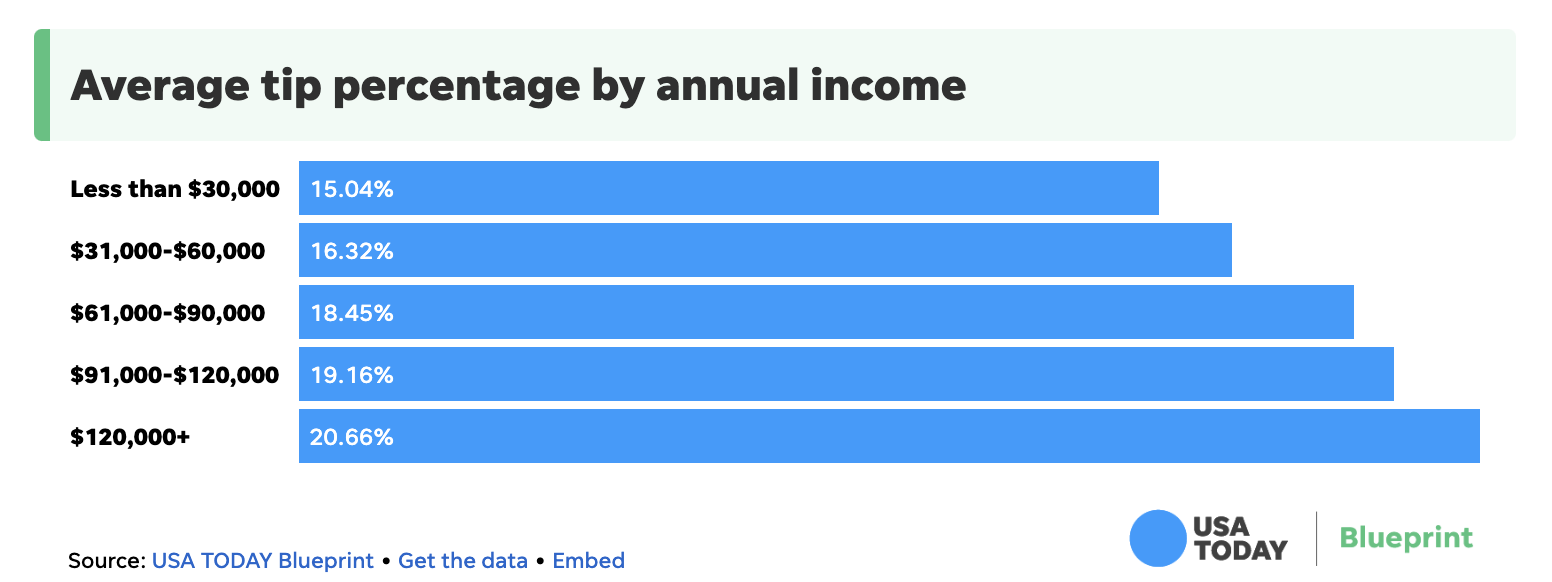
Listen, I agree to tip, but under the following terms: I’m still struggling to navigate the confusing etiquette of rewarding service workers while pretending I understand all the unwritten rules. I understand that tipping is supposed to reward good service. I understand that you, the worker, often (and unfortunately) rely on it. I also understand that everyone is nudging me to tip, from the little jar at the coffee shop to the bright prompts on my food delivery app.
But we need to talk—assuming, of course, that you’re willing to meet these modest, reasonable conditions.
A Non-Tipper's Terms and Conditions for Tipping
INTRODUCTION
These Tipping Terms and Conditions constitute a socially binding agreement between the Service Provider (you) and the Slightly Confused, Possibly Overwhelmed Customer (me), concerning our Exchange of Services (including but not limited to: dining, grooming, and food deliveries).
EXPECTATION
When you say “tip,” I understand I’m supposed to add extra money for your service. I also understand it’s my duty to decide how much, often based on your smile, the speed of delivery, or just sheer guilt. I am willing to comply, as long as we agree that tipping is a reward for exceptional service—not a default surcharge or a way to subsidize wages because an employer won’t.
HISTORICAL PRIVILEGE
When we talk about tipping, I understand this isn’t just about tossing spare change into a jar. We’re diving into a tradition that dates back centuries. Let’s recognize that its complex historical roots are tied to racial oppression and economic structures that emerged after the 16th-century Civil War in Europe and transplanted to America, where affluent individuals would discreetly offer small amounts to servants for prompt service (TIME, 2019).
In other words, it was a way to avoid paying formerly enslaved workers—instead, it was a token of their inferiority. If this tradition is considered a sign of generosity, it also serves as a subtle indication of social hierarchy.
GLOBAL SPREAD
As globalization took root, tipping practices varied widely. Some cultures, like Japan, view tipping as unnecessary and even rude, while others, like North America, have adopted a tipping culture deeply embedded in the service sector. And if everywhere is requesting a tip, what’s left in the customer’s pocket? In this shaky economy, we’re in a state of tipping fatigue!
I’m willing to acknowledge that this global perspective complicates the conversation about the motivation behind tipping to express gratitude or conform to the social norm.
KOKOROZUKE WORLDVIEW
心付け “ko-ko-ro-zu-ke” n. gratutity
I agree to tip, but only if we acknowledge that, again, people in Japan would find this whole thing weird. There, tipping is seen as disrespectful, implying the worker is not paid adequately by their employer. Shouldn’t we have “kokorozuke” (gratuity coming from the heart), take a cue from them, and focus on ensuring fair wages rather than random “generosity”? Or is my $3 really the key to saving the industry?
DIGITAL PRESSH-SHA
…it’s getting worsa and worsa
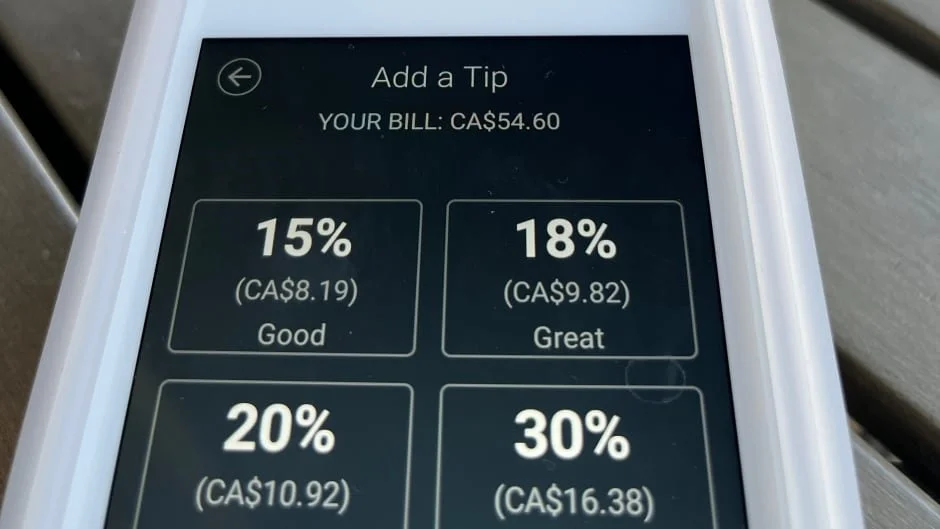
I understand that digital tipping screens have made my tipping decisions more public. However, I reserve the right to feel slightly offended when the barista spins that iPad around, and I’m staring at percentages starting at 18%, even when I haven’t had any service. Did you expedite my muffin in the bag quickly enough for the reward of a Shark Tank investor deal? Let’s agree that the pressure I feel isn’t because I don’t value your effort—it’s because this feels less like a choice and more like an obligation.
POWER DYNAMICS
I agree to tip, provided we both understand the power dynamics at play here. As a customer, I wield the ability to affect your income with the flick of my pen (or the tap of my screen). Is this empowering, or just awkward for both of us? When I see your eyes widen in anticipation as the tip line comes up, it makes me question whether tipping is about appreciation—or whether it’s become a negotiation in which I always feel like I owe you more.
PUSHBACK
I know some places have dropped tipping in favor of mandatory service fees (you’re not slick Uber), and while I’m all for less mental math, I’m also skeptical. Is this the global tipping reset we need, or just another way for businesses to shift the costs? If we’re rewriting the rules, can we finally admit that fair pay shouldn’t come down to whether I had a good day or fallen prey to tipflation?
HELLA QUESTIONS
I agree to tip, but is this my own free choice, or have I been culturally conditioned? Why do we tip our server but not the nurse who took care of us?
I agree to tip, but only if the responsibility of paying workers a living wage doesn’t rest solely on me. Is it my job to ensure the server or driver can afford rent, or should the company play a bigger role?
I agree to tip, but when the barista spins that screen around with 18%, 20%, and 25% options, am I still tipping for good service or the privilege of feeling like a 16th-century aristocrat?
I agree to tip, but maybe I shouldn’t. In Australia, tipping is more of a bonus than an expectation because wages are higher. Who’s got it right? Shouldn’t we, as customers, all play by the same rules, with workers getting a fair deal regardless of the country?
I agree to tip, but only if we can have an honest conversation about why, where, and how much. Maybe we need to reset the whole system—because, at this point, I’m not sure who’s benefiting the most: the worker, the employer, or the payment app coercing me into an 18% deal.
AGREEMENT
By providing me with your service, you agree to read, understand, and accept that these Tipping Terms and Conditions reflect my confusion, concern, and genuine attempt at being a decent person because I don’t believe the hype.
☐ I agree to these terms.
☐ I would rather risk pressuring you for a tip
☐ I think we both deserve better and need to rethink this whole system.
👋🏾 Soooo…collective illusion is public enemy number one—Don’t Believe The Hype. Every week, we’ll say the quiet parts out loud (in your inbox). So we can cancel or co-sign marketing or market trends and discern pop culture gems from flops together. And start making sense of the nonsense online.

Hella Great: The 5 Gen Z slang, brands should adopt, immediately
One-dimensional approaches don’t work with multi-dimensional beings.
[ short answer ]
What do Gen Z consumers want from brands?
Gen Z wants brands that stand for something. They have serious spending power, find products on social media, expect real commitment to diversity and inclusion, and will boycott brands that seem unethical or fake. 67% believe brands should contribute to society, not just make a profit (Edelman, 2023). One-size-fits-all ads and performative social responsibility fall flat with them.
What’d I miss?!
I’ve returned for season two of “Don’t Believe The Hype,” and I have a lot to get off my chest, but I’mma pace myself.
We’ve entered a new era, folks, and I can feel the impact a lot more as an elder millennial. My knees are tingling.
Two generational forces—Gen Z and Gen Alpha—are transforming how brands SHOULD approach everything from marketing to corporate values. But before we swan dive any further, let’s get on the same page regarding the age range of these game-changers.
Gen Z: born between the late 1990s and early 2010s, they’ve grown up in a world shaped by social media, instant information, and global interconnectedness.
Following closely behind, Gen Alpha: those born from the early 2010s onward, are the first generation to grow up in a fully digital world from day one.
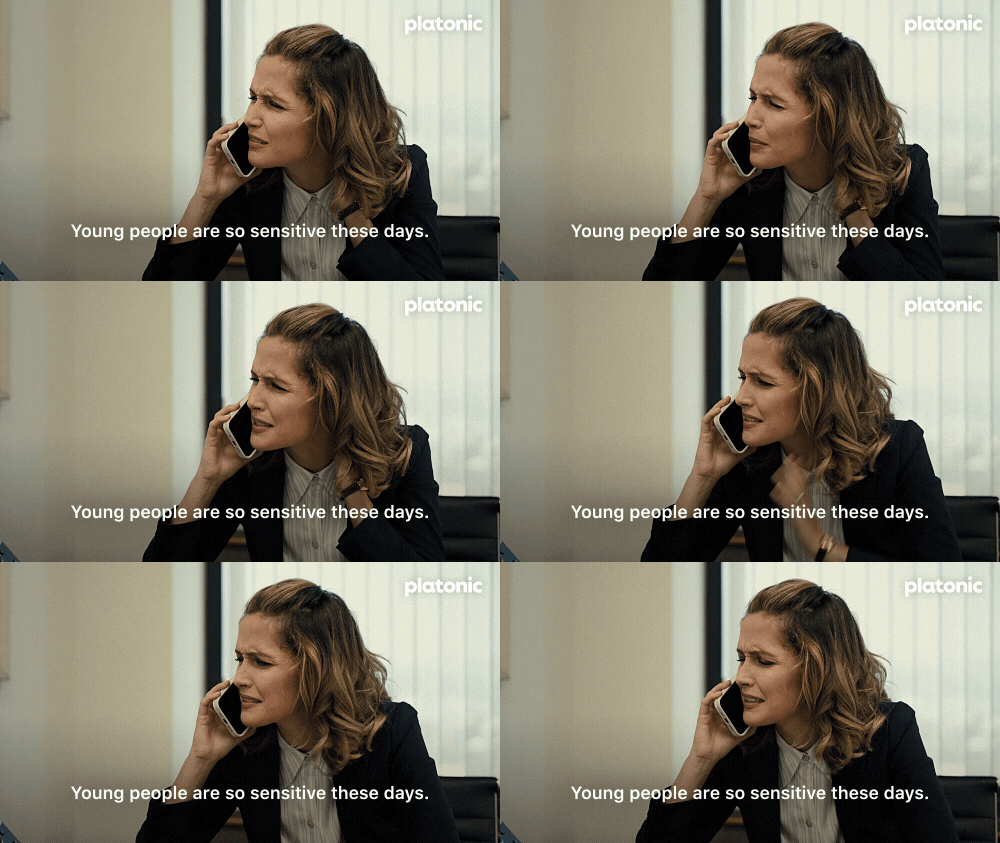
Combined, these two generations may be more sensitive to what’s happening in the world today, and the generations before them should touch grass—don’t believe the hype.
They still have an immense cultural and economic influence that brands can no longer afford to ignore. Despite their growing power, many brands are missing the mark by relying on outdated strategies that worked for previous generations and are rapidly becoming irrelevant.
Traditional methods, like one-size-fits-all advertising, flashy but shallow brand messaging, and performative social responsibility, are falling flat with younger audiences who demand more than just a product—they want a brand to stand for something.
One-dimensional approaches don’t work with multi-dimensional beings.
Gen Z and Gen Alpha care deeply about issues like climate change, diversity, equity, inclusion (DEI), and social justice, while many brands are still stuck chasing short-term profits, appeasing shareholders, or trying to navigate the political minefield of today’s cultural climate.
This disconnect has caused a massive blind spot, leaving brands scrambling to keep up with younger consumers, who are savvy, socially conscious, and quick to call out inauthenticity.
The Gen Z Slang Brands Should High-key Have On Their Radar, Iykyk
1. Gen Z’s Spending ‘Rizz’
(also known as spending power)
“Gen Z currently holds $360 billion in disposable income globally” (Bloomberg, 2021), which is rapidly increasing as more of them enter the workforce. Their growing disposable income is tied to a cautious and entrepreneurial mindset.
Being raised by Gen X and Millennial parents, they’ve seen the societal lies that were fed. That’s why so many of them prioritize financial security over family obscurity. Saving and investing is their white picket fence instead.
2. Brand ‘Drip, No Cap’
(also known as loyalty & authenticity)
“67% of Gen Z believe that brands should contribute to society, not just make a profit” (Edelman's 2023 Trust Barometer). They are drawn to brands that stand on business, especially when it comes to social justice and environmental sustainability.
The collapse of the purchase funnel (buyer’s journey) is upon us. Gen Z expects ongoing engagement from brands, they ask more questions and want experiences—not transactions.

Edelman's 2023 Trust Barometer Report
3. Social Media ‘Pull’
(also known as savvy)
“85% of Gen Z use social media to learn about new products” (Forbes 2020), making platforms like TikTok, Instagram, and YouTube key to engaging them.
Traditional advertising methods are dismal. The millions spent on Super Bowl ads or the Wendy’s coupons we receive in the mail are losing their appeal/rizz. You can argue that Kanye’s commercial is the outlier, but it had to go viral on social media first for them to take notice.
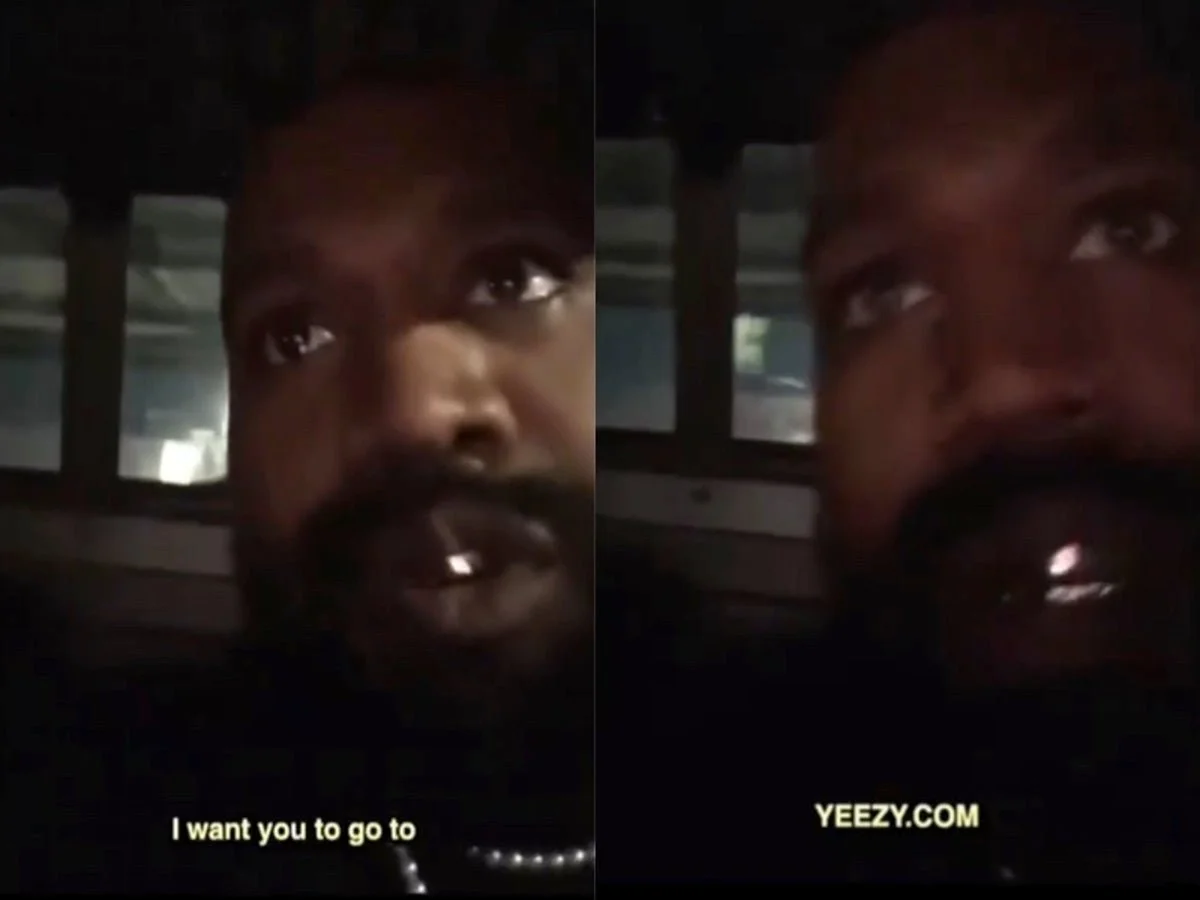
2023 Kanye West Superbowl commercial
Jools Lebron’s trend is a cultural moment. But what makes cultural moments like these happen? There are a few ingredients you need...
Real as F*ck: We keep it demuretsy over here. →
4. Diversity and Inclusion ‘Sus’
(also known as suspicious behaviour)
“80% of Gen Zers said that it’s important for brands to address diversity and inclusion” (Forbes 2022). Gen Z actively support brands that promote DEI, with nearly half stating that they expect companies to speak out against racial inequality and other societal issues…and if not, it’s giving sus behaviour.
Workplaces that cling to outdated definitions of abilities when neurodiversity abounds. And cherry-pick identities for talent as a ‘culture fit’ into homogeneity without genuinely embracing intersectionality?
All of that—is not hella great for a brand’s rep.
5. Digital ‘Wokeness’
(also known as awareness)
Gen Alpha, born entirely in the digital age, is expected to be the most tech-savvy generation yet, with access to smart devices before they can even speak. Digital platforms and virtual experiences will heavily influence their buying habits.
Having said that…
(also known as politically aware)
“40% of Gen Z have actively boycotted brands they perceive as unethical or lacking in authenticity” (Edelman's 2023 Trust Barometer), demonstrating the consequences for companies that fail to align with their values.Reference: The 2023 Bud Light boycott, after its partnership with transgender influencer Dylan Mulvaney, sparked backlash among conservatives and triggered a sharp decline in sales.
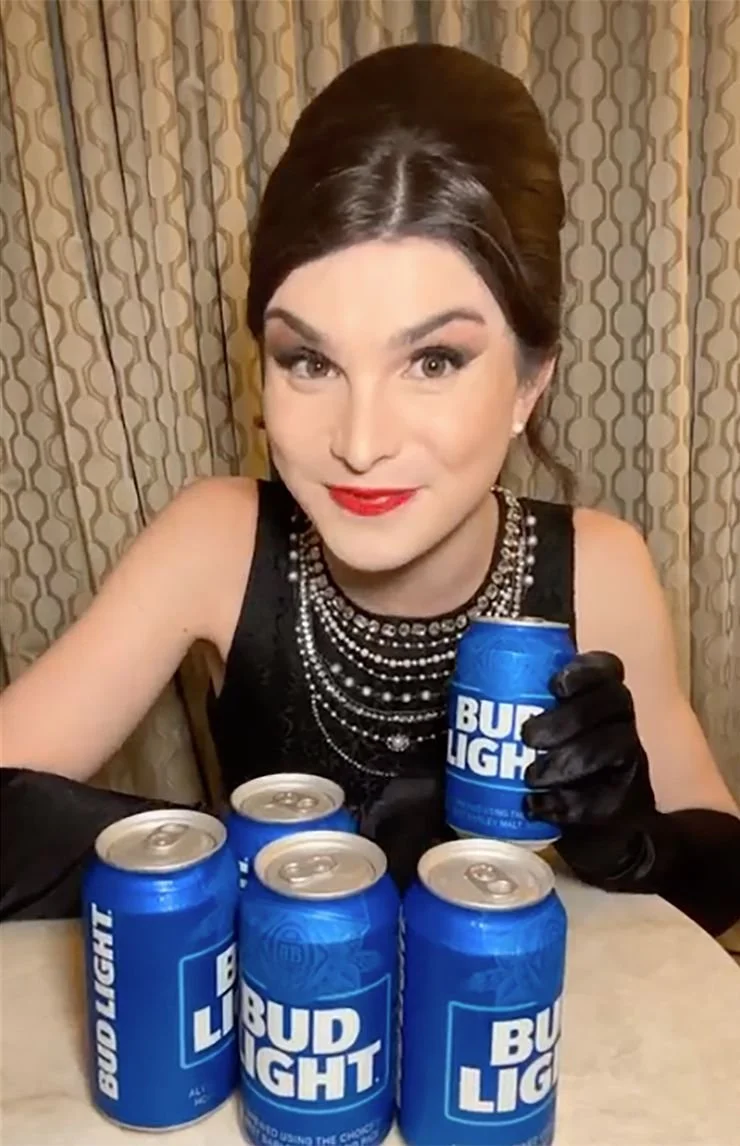
Dylan Mulvaney, Getty
“75% of Gen Zs think sustainable purchases are more important than brand names” (World Economic Forum 2022). Gen Z is willing to spend more on sustainable products, emphasizing the importance of eco-conscious branding.Reference: The 2011 Black Friday, Patagonia launched their "Don't Buy This Jacket" campaign, urging people to repair or reuse their gear instead of buying new, highlighting their commitment to sustainability.
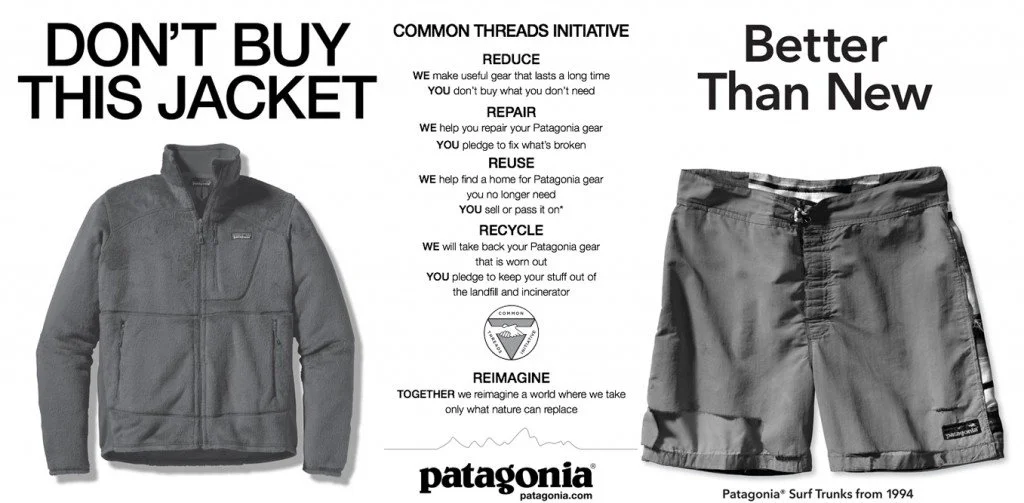
Patagonia 2011 Campaign
Gen Z is often referred to as the "activist generation", with their strong involvement in political movements such as climate change, racial equity, and LGBTQ+ rights, often fueled by social media's visibility and organizing power.
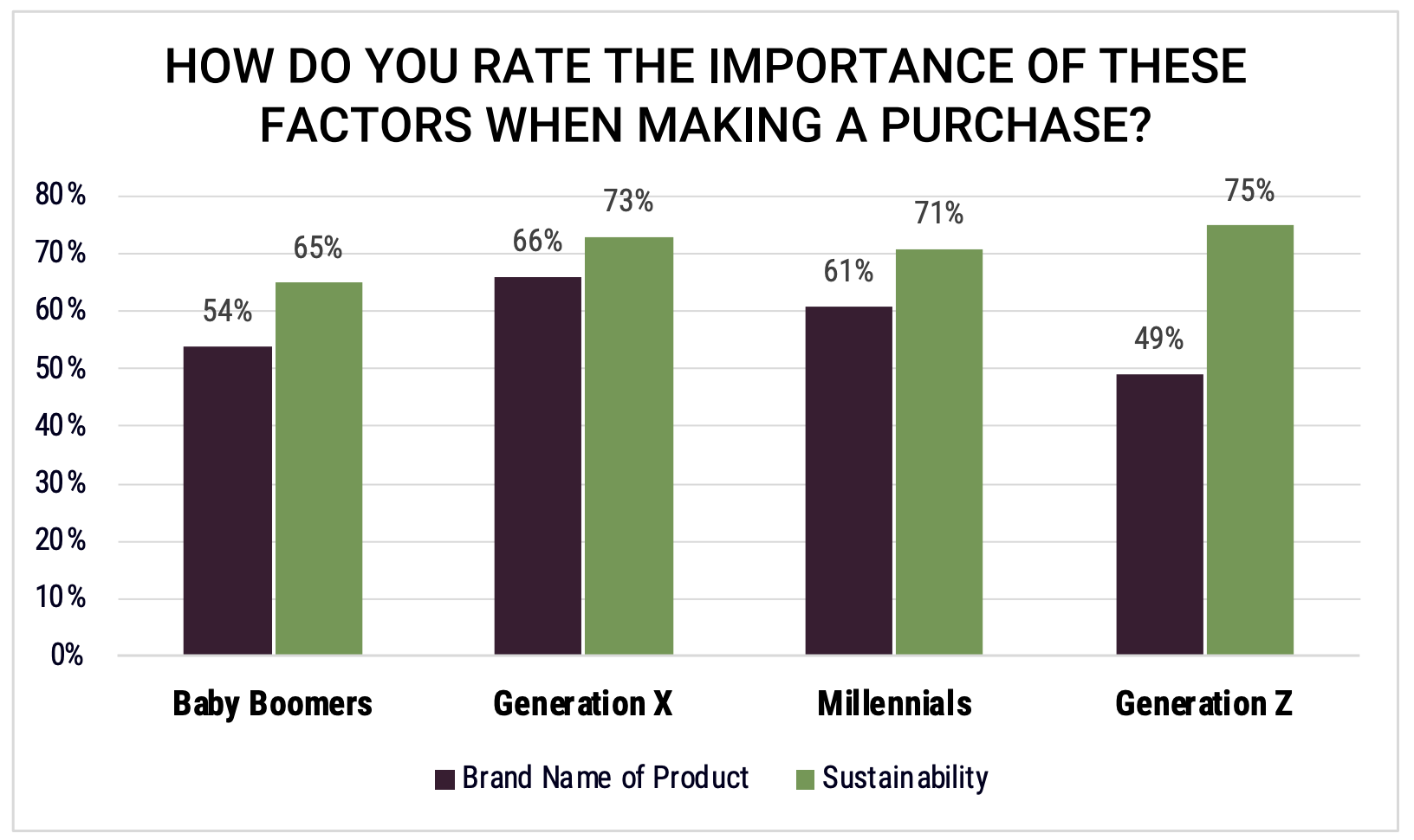
First Insight (2021) The State of Consumer Spending: Gen Z Influencing All Generations
This isn’t just a trend. It’s a seismic shift in how business is done.
Brands that flunk the assignment to evolve are at risk of losing not just revenue but relevance. It’s time to acknowledge that the future isn’t about hella profits—it’s about being hella conscious in the eyes of these emerging leaders and consumers.
And that’s hella great.
👋🏾 Soooo…collective illusion is public enemy number one. “Don’t Believe The Hype”. Every week, we’ll say the quiet parts out loud (in your inbox). So we can cancel or co-sign marketing or market trends and discern pop culture gems from flops together. And start making sense of the nonsense online.

Broken as F*ck: The creative brief for making people believe ghost jobs are real
Thank you for applying for this now obsolete role, sorry we didn’t hire you.
[ short answer ]
What are ghost jobs?
Ghost jobs are job postings for roles a company doesn't plan to fill soon, or at all. They're used to collect résumés, look busy to investors and competitors, or research what candidates want and expect to be paid. Warning signs: the same role reposted for months, vague "future-focused" descriptions, invitations to join a "talent community," and long application processes.
👋🏾 Soooo…collective illusion is public enemy number one. “Don’t Believe The Hype”. Every week, we’ll say the quiet parts out loud (in your inbox). So we can cancel or co-sign marketing or market trends and discern pop culture gems from flops together. And start making sense of the nonsense online.
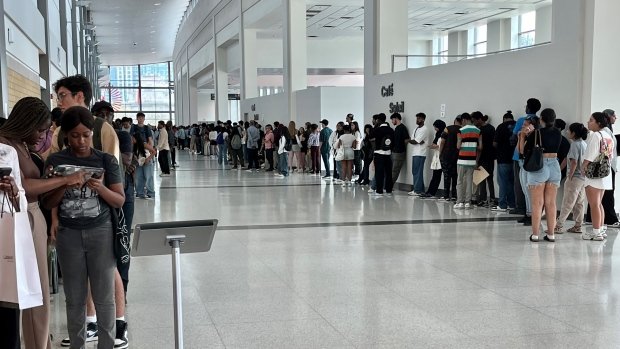
37,000 applications...but only 4,000 positions were available @ the Toronto CNE (2024) Source: CP24
Ghosting has taken to the job market streets, y’all.
And I’m not even talking about the recruiters who ghost us, and not what may or may not be happening in your IG DMs (it’s a safe space here). It’s the job postings that are merely a mirage—the number of ghost jobs that exist in name only, designed more to mislead than to hire.
I know why these companies do it.
Yes, it’s complete nonsense, and I am here to make sense of it, even if we still need to trade time for money when the world's seven wonders are waiting to take up storage in our camera roll.
It’s ALL marketing.
Since we’re now eight Substack articles deep (shout to me and consistency), I can let you in on why I went to school for marketing. You ready? Perception is reality. The psychology of why we go to a specific school, take a job, or partner is all based on how it’s marketed.
Would you have given [enter so-and-so’s name here] a second date if they didn’t present themselves just the way you expected?
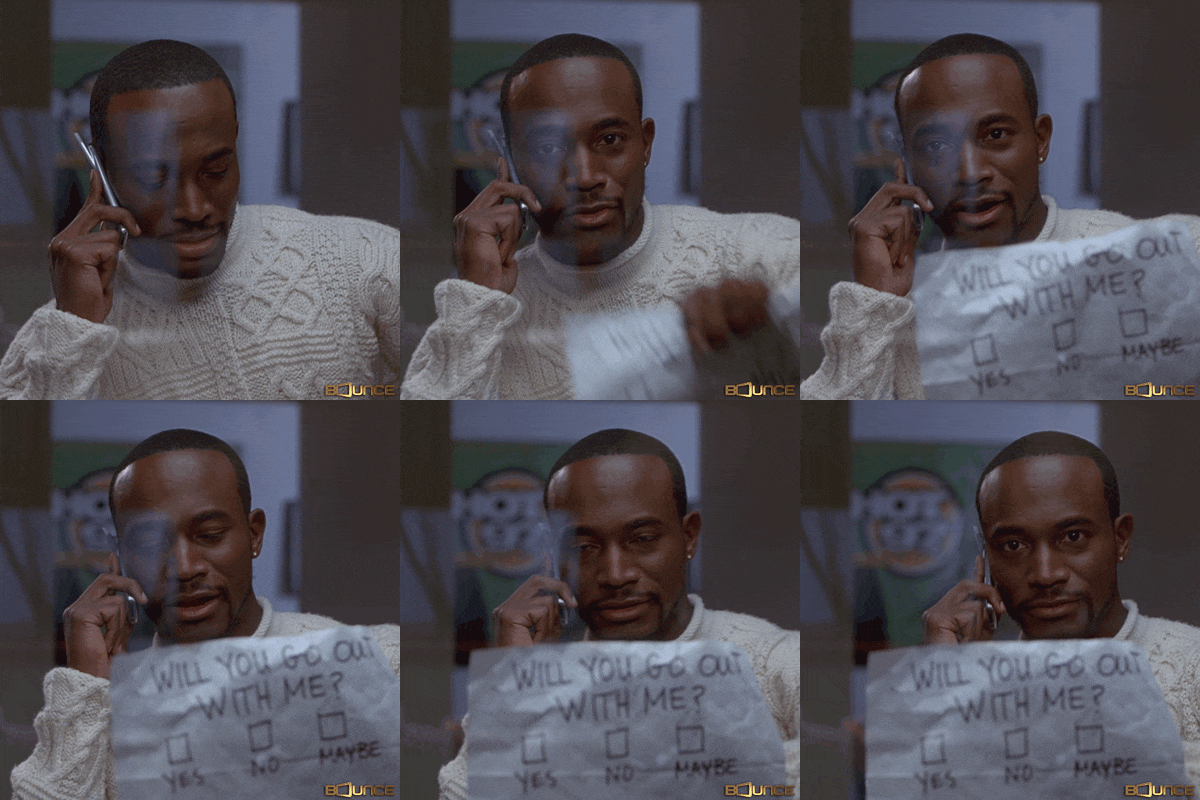
Either way, the perception, not the reality, of the situation is what has most of us in a chokehold (just like the gap between the number of jobs available stat to the lived experience of still being unemployed). And this is what working in marketing does to you. Force your hand to see right through the facades of the world—leaving no wonder. It’s scary sometimes.
So, as we have all experienced in some capacity—whether you or someone you know has been laid off, decided to switch jobs, or you’re just tapped into what’s going on in the economy.
The job market is broken as f*ck.
I don’t have the answers, but I can help lighten your perception of it.
The Creative Brief for Making People Believe Ghost Jobs Are Real
Client:
Me, the company that doesn’t want to fill vacancies but piss off the talent pool, gather resumes like Thanos and deter competitors by appearing booked & busy.
Assigned to:
Preferably to a junior marketer with 5 - 7 years of experience who will do free job application assignments.
Briefed in at: 07:46 a.m., Tuesday
Deliverables are due by: 07:49 a.m., Tuesday
Flexible?
Of course! Must be able to work in a fast-paced environment and come to the office five days a week to sit in virtual meetings.
Project description/context:
Focus on the job abundance recruitment trick to mislead job seekers, increase investor confidence and create unnecessary competition, making it harder for actual job openings to stand out. So far, we’ve had ten jobs of the same title out for six months.
Purpose:
Create an illusion of a competitive hiring environment to manipulate the market, but we’re not genuinely seeking new hires.
Target audience:
Job seekers actively looking for employment, have probably been on the hunt for months and, at this point, are desperate for a callback.
Design needed:
N/A —We may test them in the job description to see if they read it. Something clever like, “Please include the word ‘moneyprintergobrrr’ in your application.”
Main messages to convey to the audience:
"We appreciate your patience, but we're just testing the waters."
"I understand it’s frustrating, but we’re gauging interest."
"Your skills are great, but unfortunately, this role was never intended to be filled immediately."
"I know you've been waiting for a callback, but sometimes these postings are just placeholders."
"It’s not you—it’s the market."
"The truth is, some roles are posted to gather collectables, also known as resumes.”
"I get it, you've applied everywhere. But some listings are there to attract top talent…for later."
"I wish I had better news, but this position was posted more as a strategy."
"Hang in there. We’re hope dealers.”
Tone of voice:
Strategically aloof, i.e. "We're always on the lookout for the best."
Slightly temperamental, i.e. "Opportunities are always on the horizon."
Half-heartedly competitive, i.e. "Our next big move is just around the corner."
Ideal audience reaction/response:
A hint of determination.
Even though job seekers may sense something is off, we still want them to feel compelled to keep trying and believe that getting their foot in the door could lead to something big! Thoughts like, "I’ll keep applying; you never know when they’ll actually need someone.”
I will also accept:
“Why haven’t I heard back?”
Past creative that might be applicable to this brief:
For reference, we have done the following recruitment tactics for applicants:
Frequent Social Media Posts: Regularly posting about "exciting opportunities."
Exclusive “Talent Pools” or “Talent Communities”: Inviting applicants to join where they can stay updated on “future opportunities.”
High-Profile Job Fairs and Events: Participating in or hosting job fairs and recruitment events where we collect resumes and engage with “potential candidates.”
Elaborate Application Processes: Designing a complex and thorough application process that demands applicants' effort, time, and engagement.
"Future-Focused" Job Descriptions: Posting job descriptions that are intentionally vague or focused on future needs, using phrases like "This role is part of our long-term vision.” Keeping our hiring timeline ambiguous.
Strategic Partnerships or Collaborations: Announcing partnerships with other companies or institutions, implying that new roles will emerge from these deals.
Mock Job Openings for Market Research: Posting roles designed to gather information about what candidates are looking for, what skills are in demand, or what salary expectations are—under the guise of a real job opening. This one has yielded us the best results!
Competitive analysis (what others are doing well):
Do the complete opposite of Buffer, the social media management company.
They create a sense of scarcity vs abundance by hiring infrequently and making job openings highly coveted—we’re not interested in making it clear why positions are rare. However, it has helped them attract high-quality candidates who are genuinely interested and committed to the company’s values and culture.
Budget:
To be determined based on scope and needs but we’re putting zero dollars or sense behind this.
Approvals:
Head of HR, maybe the CEO, but we can wing it.
Additional notes:
While I was taking the time to give you all the details, we re-posted the position. Nobody has applied yet, but when you do, you’ll be the first to be considered. Thank you for applying for this now obsolete role, sorry we didn’t hire you.
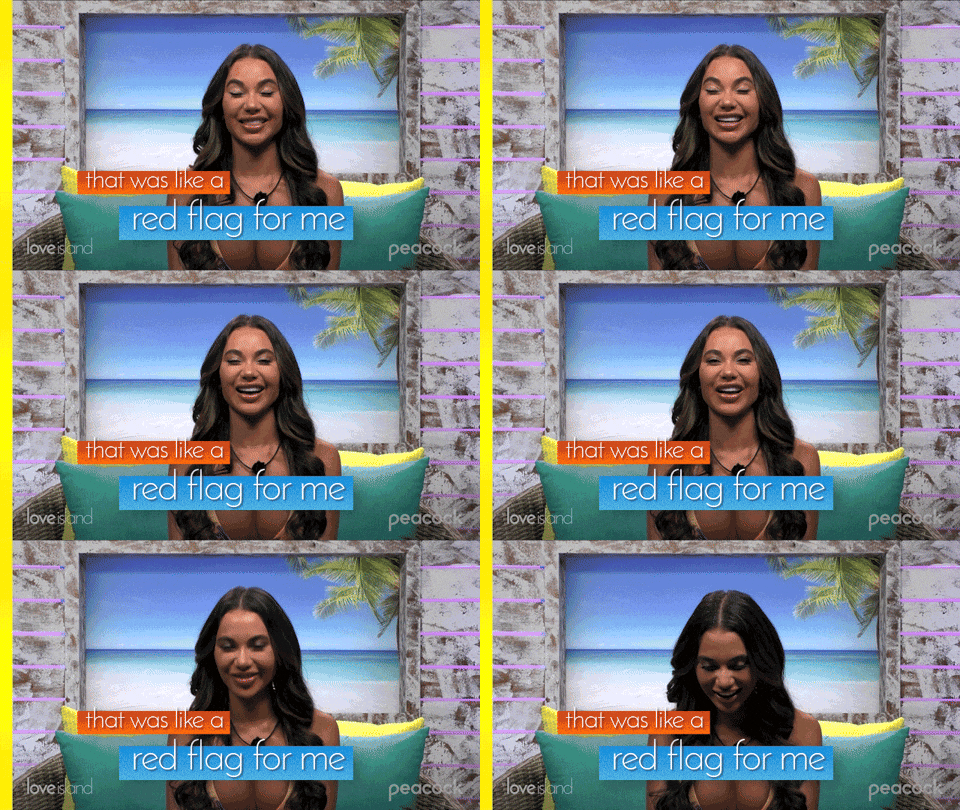
Don’t believe the hype.
P.S. Season One of ‘Don’t Believe The Hype’ essays have come to a close. The ______ as F*ck edition. Stay tuned for Season Two a week (or two) from now 🙏🏾
Wanna hear from me sooner?

Real as F*ck: We keep it demuretsy over here.
The LGBTQ community is to thank for many of the expressions used today.
👋🏾 Soooo…collective illusion is public enemy number one. “Don’t Believe The Hype”. Every Tuesday, we’ll say the quiet parts out loud (in your inbox). So we can cancel or co-sign marketing or market trends and discern pop culture gems from flops together. And start making sense of the nonsense online.
You’re either cringing, or you don’t know what the f*ck I’m talking about.
It’s probably fizzled out by now…
Over here, we’re “Very demure, very mindful” of new trends. You might not even have had the time to cancel this one.
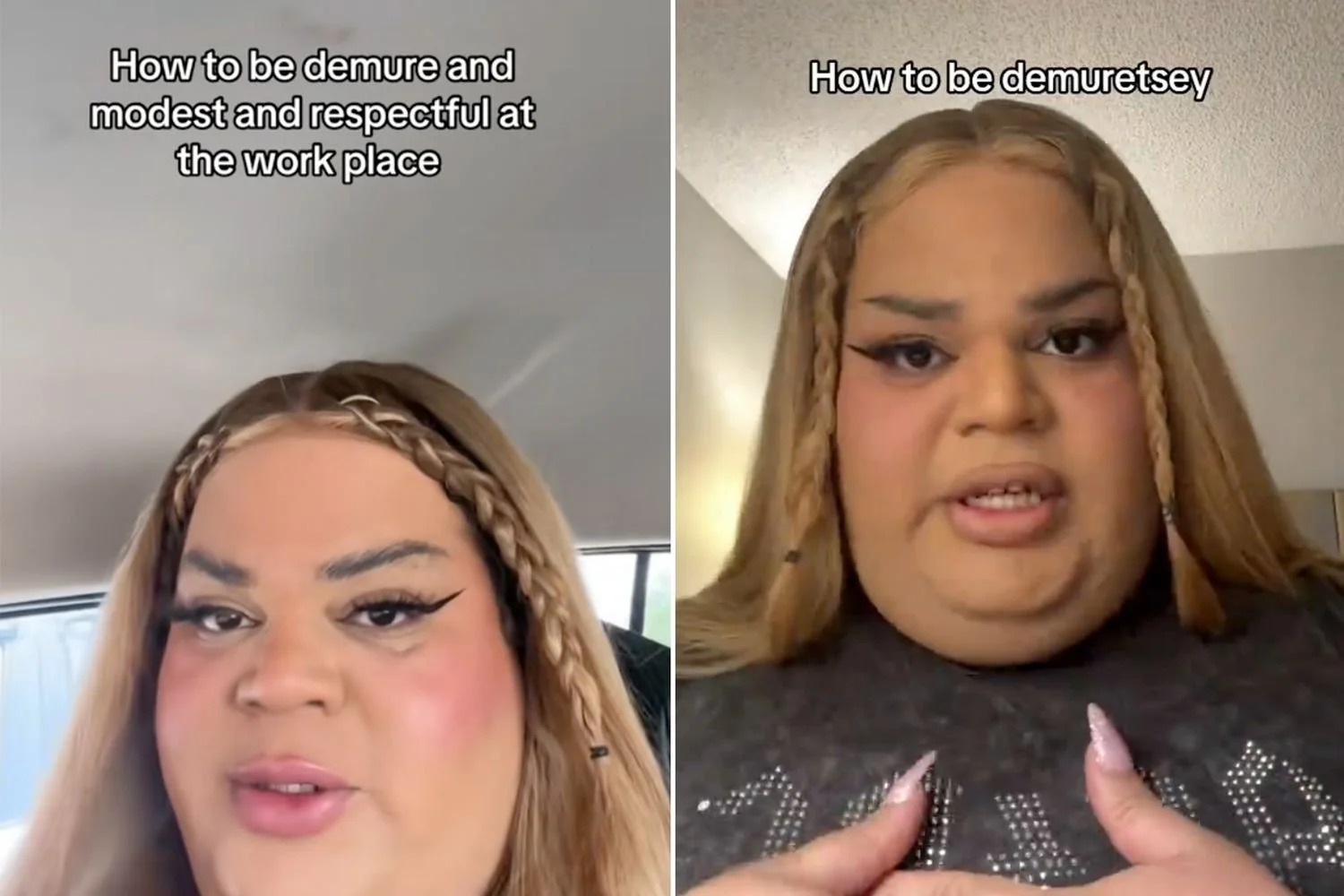
However, Jools Lebron’s trend is a cultural moment.
Like many others before it, this trend is a timestamp of where we are in history. Five or ten years from now, this period will be pop culture trivia at game night.
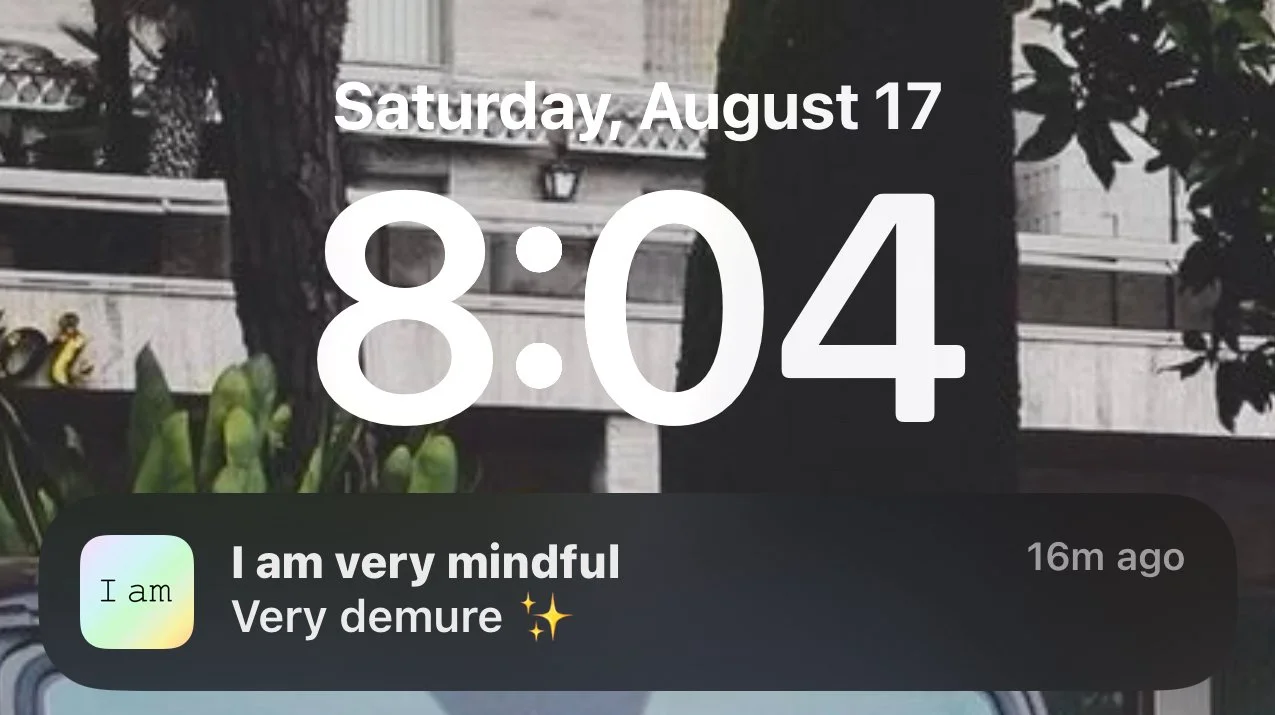
But for Jools, it will be a core memory.
Going viral allowed her to finance the rest of her gender transition from newfound brand deals and opportunities just by being herself. And that is something no forefathers could ever have predicted.
Connection and community also happen online, and it can change lives.
So, what makes cultural moments like these happen? Here are the few ingredients you need:
1 Ounce of Shared Experience
Make your audience feel like Insiders
Then, it becomes a global conversation. It’s easier said than done, but trends like "very demure" transcend societal norms. From facing gender ambiguity stares to misinformed “Are you gay?” questions, Jools is living out loud a life for many.
If you want to tap into culture, you must share something relatable that doesn’t necessarily appeal to a large group.
1 Cup of a Niche Community
Make your topics taboo or take private, public
This brings me to how the internet allows niche communities to sprout, which gives many folks a voice and bring like-minds together. Jools is an outspoken trans content creator who posts about daily life. So you may start to understand why r/FrugalMaleFashion, r/VanLife, or r/Showerthoughts subreddits (on Reddit) are created…so you can find your people.
Communities like these, no matter how silly, often provide validation, support, and a space for creative expression.
1 Pint of Viral Representation
Make the details a big deal
Feeling underrepresented in mainstream media? "Very demure," beyond the dictionary definition, celebrates an aesthetic that may not always be in the spotlight. Creators have the power to influence culture by how they represent their piece of the internet, attracting those who can appreciate it.
Don’t believe the hype. The LGBTQ community is to thank for many of the expressions used today.
And that’s real as f*ck.
You could make the content that might just change your life, too.
Keep it demuretsy! ✌🏾
What’d I miss?!
Hella Great: The 5 Gen Z slang, brands should adopt, immediately →

Guilty as F*ck: Who knew The Olympics and corporate culture have so much in common?!
Once inside, that talent needs to have a seat at the table, not only an invitation.
👋🏾 Soooo…collective illusion is public enemy number one. “Don’t Believe The Hype”. Every Tuesday, we’ll say the quiet parts out loud (in your inbox). So we can cancel or co-sign marketing or market trends and discern pop culture gems from flops together. And start making sense of the nonsense online.
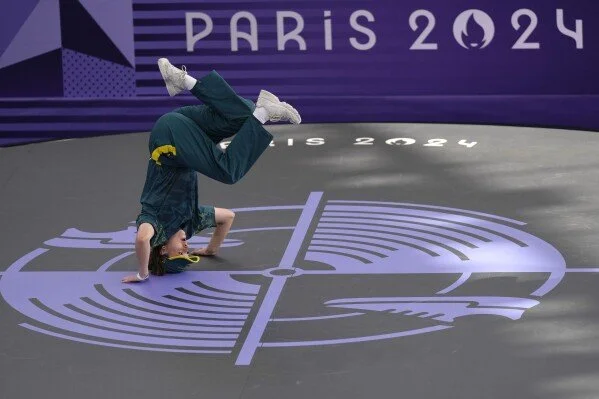
“I was never going to beat these girls on what they do best — their power moves,” said Gunn. “What I bring is creativity.” Source: APNews
How many times have you been passed over by a company because you didn’t meet the requirements?
Then you saw who got the job instead. How disappointing…for them.
Break Dancing's Olympic debut at the 2024 Paris Games raised questions about whether it authentically represented hip-hop culture.
“B-girl” Rachael Gunn, known as "b-girl Raygun," gained attention for her interpretation of Breaking but did not score any points in the competition.
And rightfully so (see video at the end of article).
But, how do we define "authenticity"?
Staying true to the traditions and origins of a practice or art form.
Acting in alignment with one’s values and beliefs.
Being recognized and accepted by the community as genuine.
Preserving the original context and meaning.
Or feeling a deep, sincere connection to an experience or expression?
This is a hard one. Drop your answer in the comments section.
The Olympics is a unique global spotlight to amplify an art form (Breaking), but if not careful, it can also strip it of its soul.
Just like corporate culture is a great platform to amplify the diversity of people and ideas, it can also squeeze the hell outta our pinky toe (in a one-size-too-small heel).
And that’s what I’ll be referencing authenticity as—for the rest of this article, a pinky toe—shout out to Bozoma Saint John for that metaphor. *She is one of the most authentic people in her professional career.
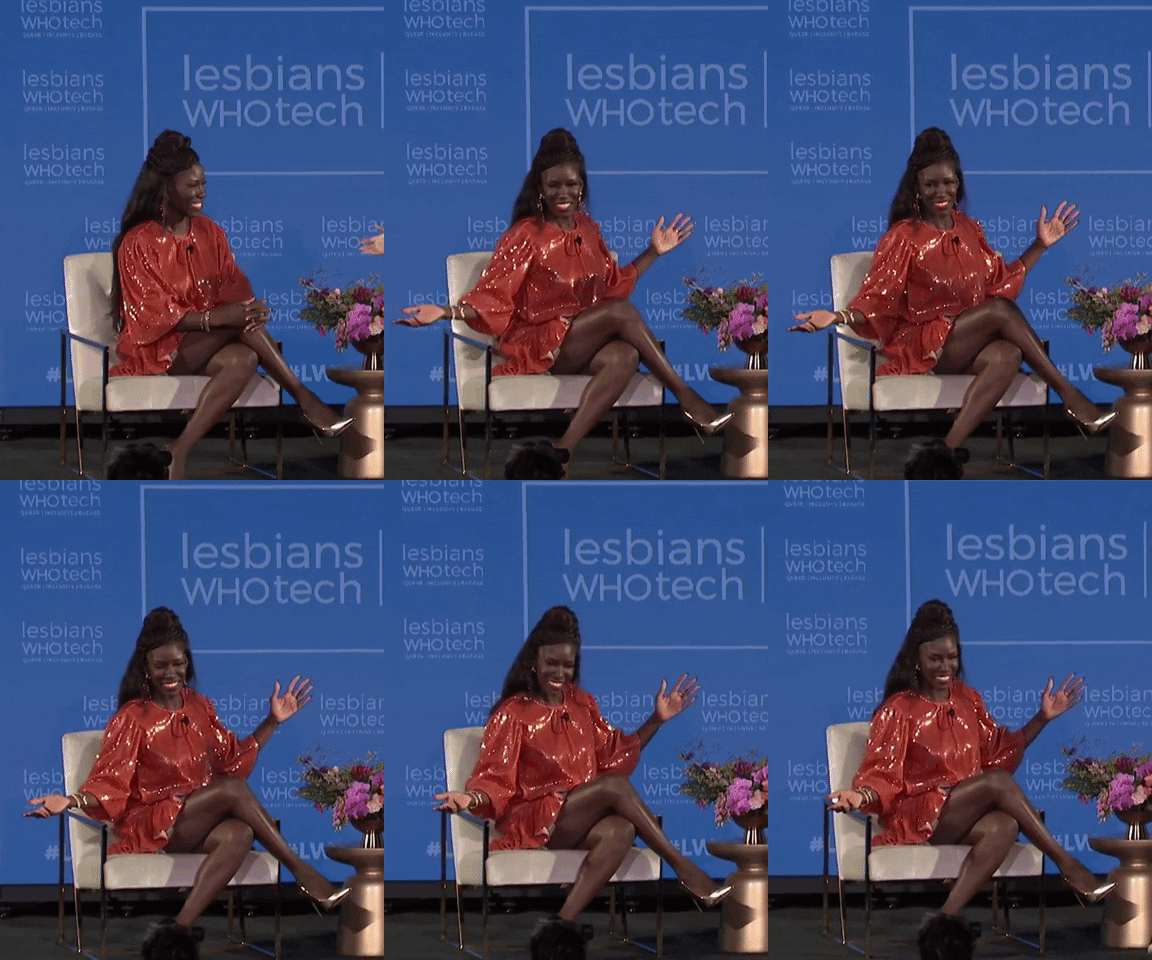
Therefore, if companies don’t want to get watered-down versions of the talent they hire, company culture should embed the following three key elements:
#1 Equitable Representation, Now
Homogenized corporate culture has been the norm for many years i.e. hiring folks who look like the majority.
However, homogenized thinking lacks innovation.
The Olympics introducing Break Dancing at the Paris Games is a major win for the art form on a global scale, but the cultural integrity is at risk. Similar to when companies hire under a DEI lens, the current landscape needs to be set up to support a broader representation of talent.
#2 Voice and Ownership, Now
Once inside, that talent needs to have a seat at the table, not only an invitation. It’s not enough to say you’re here and be grateful. We need to be able to shape the culture.
Similar to how the hip-hop community was concerned about the Olympic commercialization of Breaking—they didn’t involve those directly connected to the culture in the decision-making.
When companies tap into their employees to contribute to cultural and operational decisions, employees feel a sense of ownership over their work and contributions. This loosens the tight squeeze on their pinky toes (aka authenticity, remember?).
#3 Continuous Education, Now
However, it doesn’t stop there. Culture evolves, imposters infiltrate, and cosplaying occurs. Why? In short, entitlement.
“When you're accustomed to privilege, equality feels like oppression.”
Sharing privilege is difficult for some. And to cope, it manifests in different ways. Positively, as an ally. And in the case of “B-girl” Rachael Gunn, as a culture vulture.
cul·ture vul·ture /ˈkəlCHər ˈvəlCHər/
n. someone who adopts elements of another culture without genuinely understanding or respecting its significance
‘…and benefit from.’
There is an inherent benefit to adopting cultures outside of societal norms like economic growth, but I touched on this in another article (Thristy as F*ck). Companies should strive to preserve the diversity of their people and thoughts without diluting or misrepresenting them.
That means:
feedback channels
diverse hiring panels
employee resource groups (ERGs)
leadership training incorporating cultural nuances
and culturally relevant marketing and communication
Otherwise, there’ll be a lot of pinky toes squeezed to death. And how many companies are already guilty as f*ck?
To be fair—most companies do widen their hiring lenses, but the power move is how they retain the same talent they recruit.
And as much noise as you hear around DEI initiatives, don’t believe the hype. They will often settle for the watered-down version instead.

Shady as F*ck: Is your mind playing mental gymnastics? Let's Biles it.
The outcome of a situation is not indicative of who you are as a person, and you can change course—at any point!
👋🏾 Soooo…collective illusion is public enemy number one. “Don’t Believe The Hype”. Every Tuesday, we’ll say the quiet parts out loud (in your inbox). So we can cancel or co-sign marketing or market trends and discern pop culture gems from flops together. And start making sense of the nonsense online.
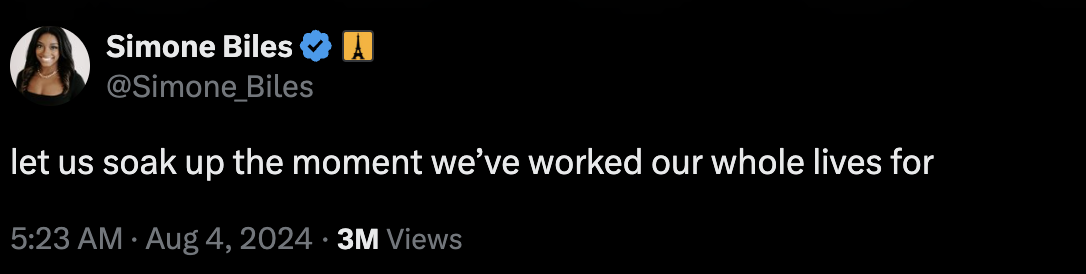
“You guys really gotta stop asking athletes what’s next after they win a medal at the Olympics” - Simone Biles, the most decorated gymnast in history
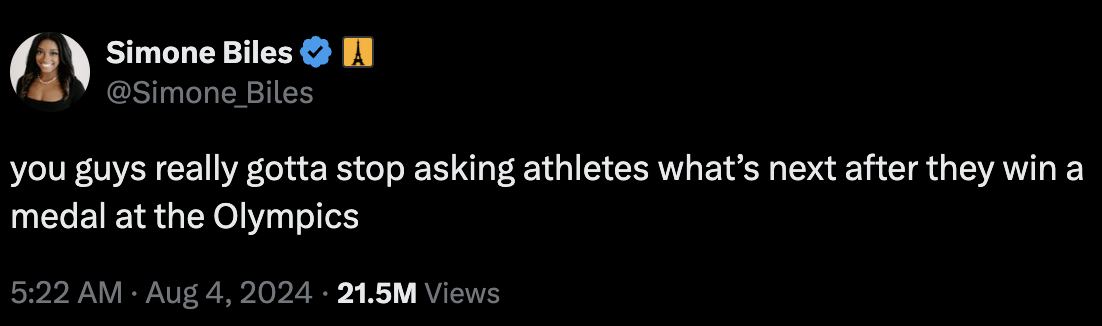
And that goes for YOU, too.
Seeing this tweet from an Olympian got my intrusive thoughts going…
Even at the highest level, we battle them: “What’s next?” “You’re not that big of a deal.” “This was a fluke.” “You need to train harder.” “They’re better than you.”
Completing an advanced degree or certification
Building a sustainable lifestyle from nothing
Getting a job
For the non-olympians in the room, these goals are not an easy feat sometimes. And we need to take our flowers and smell them while we tell the negative intrusive thoughts to politely f*ck all the way off.
Many of us are no Simone Biles, but we have our messy thoughts like anybody else. And they can be the biggest gangster and blocker to achieving the heights of an Olympian.
This show I’ve been watching, Dark Matter on Apple TV. It reveals how the emotional state of the mind can be indicative of how we manifest negative or positive events.

Quick Summary, Dark Matter is a TV Series based on Black Crouch's best-selling book. The main character, Jason Dessen, is abducted into an alternate version of his life (and faces many other lives if he had made different choices) using a device known as "The Box." To get back to his true family, he embarks on a harrowing journey to save them from the most terrifying foe imaginable: himself.
*SPOILERS ARE INCLUDED FROM THIS POINT FORWARD
In the plot, they figured out that opening doors to each parallel reality was based on how they felt. (For example, feeling overwhelmed led to opening a door to a flood, and feeling anxious led to opening a door to a deadly pandemic.)
The characters frequently encountered dangerous or uninhabitable worlds that mirrored their internal struggles and fears. Metaphorically, this is how our anxieties and fears can shape our experiences and the "doors" we open in life, potentially leading to negative outcomes if not managed properly.
It’s our mind that often turns on us, creating negative narratives that usually don’t come true or are false altogether. And our emotions are getting f*cked up in the process!
It’s giving Zebra thinking with no grey area: Seeing things in black-and-white extremes with no middle ground—it’s blocking your blessings.
It’s giving over-hype-lization: Taking a single event and applying broad brush strokes to your entire life—it’s making you delusional.
It’s giving Miss Cleo mind-reading: Fake facts on what others may or may not be thinking—it’s manifesting negativity.
It’s giving a woe-is-me complex: Blaming yourself for things beyond your MF’in control.
It’s all shady as f*ck.

Your mind needs to take all the accountability here. And we also need to remember the following, when the mental gymnastics kick in:
For the Zebra Thinkers
Let there be grey area. When you catch yourself thinking in black-and-white extremes (i.e. "I'm a success or a failure"), remind yourself that reality often exists within the margins.
When Jason didn’t understand how ‘the box’ worked, he would charge through the doors without considering his thoughts and emotional state, which dictated the reality he would face.
Often, when something doesn’t happen for us, we beat ourselves up based on the outcome instead of the intent. That part is going to mess a lot of people up, who believe in impact over intent, but we’re living in the grey area right now.
Replace The Thought, "I didn't get the job. I'll never get a job." With The Feeling of Gratitude: "Even though I didn’t get this job, there are other opportunities I am qualified for. What can I do differently?"
For the Over-hype-lizationers
Get specific. Avoid season finale endings on a single event. Can we look at the specifics and acknowledge that one monkey does not define the whole?
Jason repeatedly ran into realities that didn’t align with his intent because they never coincided with his emotional state.
Replace The Thought: "I failed this test. I'm so bad at everything!!" With The Feeling of Resilience: "This is hard, but I’ve overcome hard things before. I can do hard things."
For the Miss Cleo Mind-Readers
Gather the MF’ing evidence first. Rather than making an ass outta yourself by thinking you know what others think, seek clarification.
It was starting to become apparent to parallel universe hopper Jason that the more lives he entered, the more frustrated he became. He couldn’t identify whether he had found his true life or was it just another imposter, so he began investigating to gain possible explanations for why he kept getting it wrong.
Replace The Thought: "They didn't reply to my message. They must be mad at me/think I’m incompetent." With The Feeling of Understanding: "There could be many reasons they haven't replied yet. They must be busy or forgot. I'll wait a couple more minutes or ask if everything is okay/my message went to the spam folder."
For the woe-is-me’ers
Take control. Discern between what is within your control and what is not. Do the things within your control and let go of the rest because what is for you won’t pass you by.
Jason was down to his last two “red pills” to get back to his family. He revisited his field notes and noticed the thought patterns. This provided valuable insight, helping him to see things from a different angle and re-write a more aligned narrative.
Replace The Thought: “I’m not where I want to be in my life.” With The Feeling of Acceptance: "Life is full of variables, and through my mistakes, I've made consistent 1% improvements."
“Life was about reaching some perfect destination. And I’m starting to suspect that it is the imperfections of life that amount to a different kind of perfection.” Jason Dessen, Dark Matter
Don’t believe the hype.
The outcome of a situation is not indicative of who you are as a person, and you can change course—at any point!
Monitor your emotions. Do the work. Then open that door.
We just ‘Simone Biles’ this!

Thirsty as F*ck: Was 2020 the best year for human capital?
Companies will bend the rules and play the fool, but they’ll always be thirsty as f*ck for human capital.
👋🏾 Soooo…collective illusion is public enemy number one. “Don’t Believe The Hype”. Every Tuesday, we’ll say the quiet parts out loud (in your inbox). So we can cancel or co-sign marketing or market trends and discern pop culture gems from flops together. And start making sense of the nonsense online.
Corporate workplaces are thirsty for DEI hires, Chat GPT and hybrid models, but it’s also the 13th reason why companies should foot our therapy bill.
Is That a Hard “er”??
It’s a DEI Hire
At the height of the Black Lives Matter movement (in 2020, shortly after George Floyd riots against police brutality), companies from far and wide coveted Black talent.
Head of D&I roles were plentiful and well-paid, too.
Due to legal and compliance pressures, companies saw the need for equal employment opportunities and to avoid potential lawsuits related to discrimination.
As societal awareness around social justice issues grew, so did social responsibility. Companies faced increased pressure from stakeholders, including employees, customers, and investors, to showcase a commitment to diversity and inclusion.
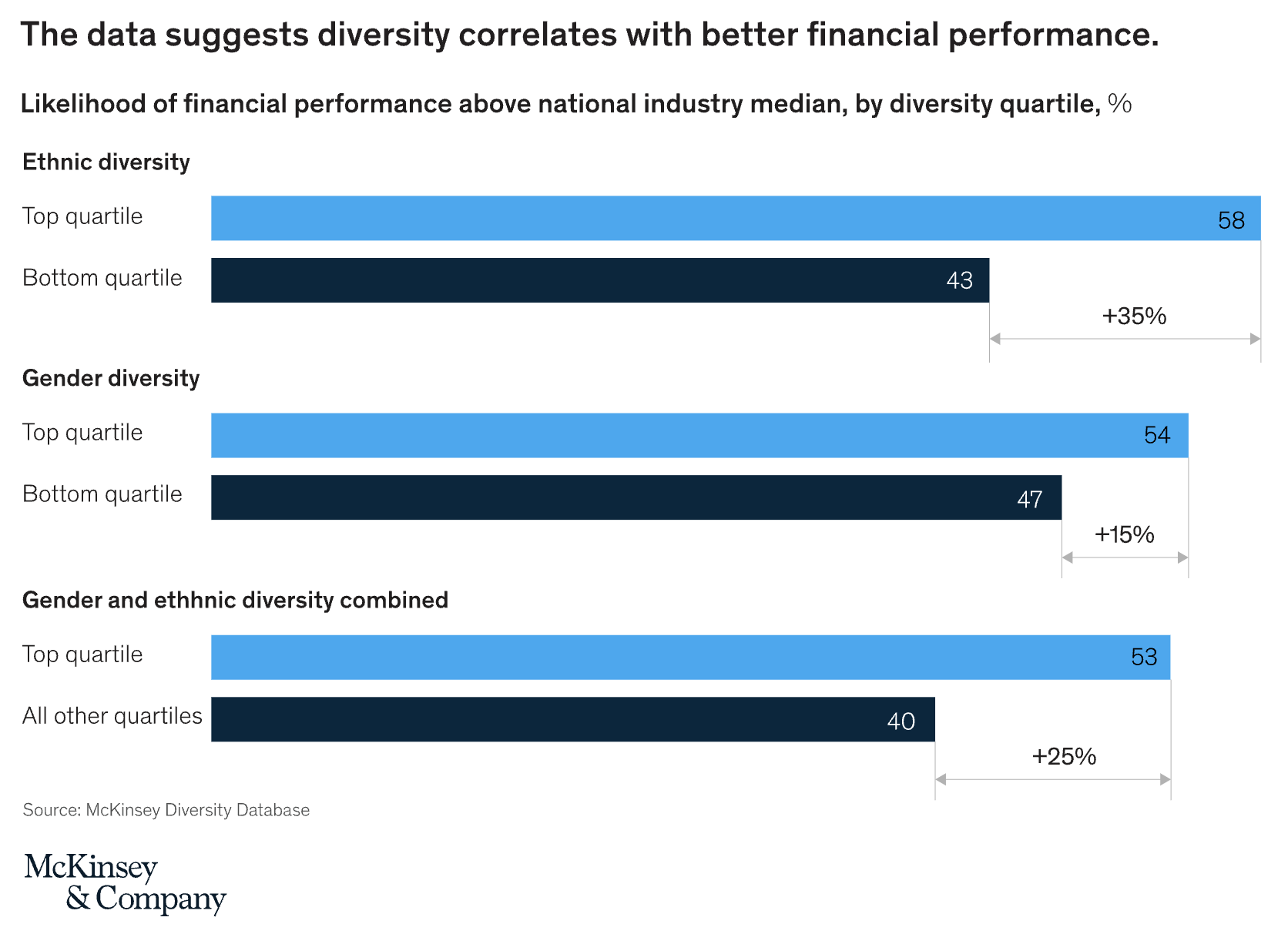
McKinsey & Company research clearly outlined the increased business performance when diverse teams are on board. This leads to better decision-making and innovation, which improves competitiveness and financial performance.
Cue graph for receipts.
Fast-forward to today, and that’s no longer true?!
To be a “DEI hirRE” is to lack qualifications, I’m sorry?? To be honest, DEI is starting to sound like a slur these days.
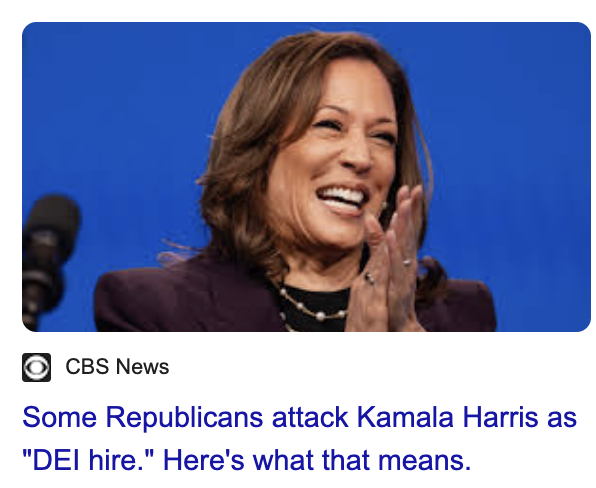
Exhibit A of VP Harris' recent press
Self Driving Careers
It’s a Chat GPT
And where do I even begin about the Olympic race companies are in to adopt AI and Automation expeditiously!
They’re deprecating roles and conducting mass layoffs so fast that they forgot to reskill employees to keep pace. If the aim was to improve efficiency and reduce costs, you kinda failed.
Hi. Do we have a global skills shortage in the room?
As industries rapidly evolve, there is a mismatch between the skills workers have and the skills employers need. Reskilling helps bridge this gap…and keeps the costs low.
However, companies are more worried that reskilling their employees will provide a direct path to job security despite the uncertain job market (people becoming highly employable—who wants that? *Sarcasm alert*).
Workers seamlessly exiting for new roles outside of the company doesn’t sound like a good time, I guess. But, this logic is flawed because employees can also transition within a company.
It’s risky, but outsourcing everything to AI is also risky.
Either way, adaptability is crucial in a world where job roles and requirements constantly change. What are companies going to keep doing? Fire people only to replace them six months later? That’s expensive and inefficient.
A workforce that is augmented with technology and continuously learns and adapts is better positioned to drive innovation within a company.
Because succession is not only reserved for the award-winning TV show, there’s planning involved. The happy side effect is that when a company prioritizes reskilling, it becomes a talent destination.
Now, I didn’t go digging for the research on this, but I am willing to bet worldly riches that employees who are exposed to new ideas and technologies (through reskilling programs) are more likely to be creative, solutions-driven and contribute improvements.
Betting all the gold on this.
Flexibility is Only For Yoga (And Pretzels)
It’s a hybrid Model
Back in good ol’ 2020, the COVID-19 pandemic forced us to stay indoors.
And companies were like, “No problem. Here’s a laptop. You can work from home.”
Remote work became necessary, leading to permanent shifts in work models. Companies had to invest in digital tools and technologies to maintain productivity and communication. But once our sneeze was no longer deadly, it’s like they forgot we could do all that monotonous work in PJs.
Forget flexibility and work-life balance—I need to see your productivity in person.
And if we’re ALL being transparent here, the Hawthorne Effect kicked in, and the ones who complained about remote work the most were usually the ones who needed to be watched. Shhh. You’re telling on yourself.
The Hawthorne Effect: a type of human behavior in which individuals modify an aspect of their behavior in response to their awareness of being observed
Never mind that flexible work arrangements are valued by top performers and can lead to higher levels of job satisfaction, which reduces turnover, and helps companies retain their talent. F*ck that!
A survey by Buffer (one of my favorite examples of a remote work environment) found that 98% of respondents wanted to continue working remotely, at least part-time, for the rest of their careers.
Not to mention, remote work allows companies to hire from a global talent pool (remember the whole “DEI hire” benefits thingy?).
There will always be a war for talent, despite the current bear job market.
Don’t believe the hype.
Companies will bend the rules and play the fool, but they’ll always be thirsty as f*ck for human capital.
They just want to lower the demand first.