

Better-Like: The Anti-Prediction Predictions List For 2025 🔮
Predictions are for clickbaits. Preparation is for power moves.
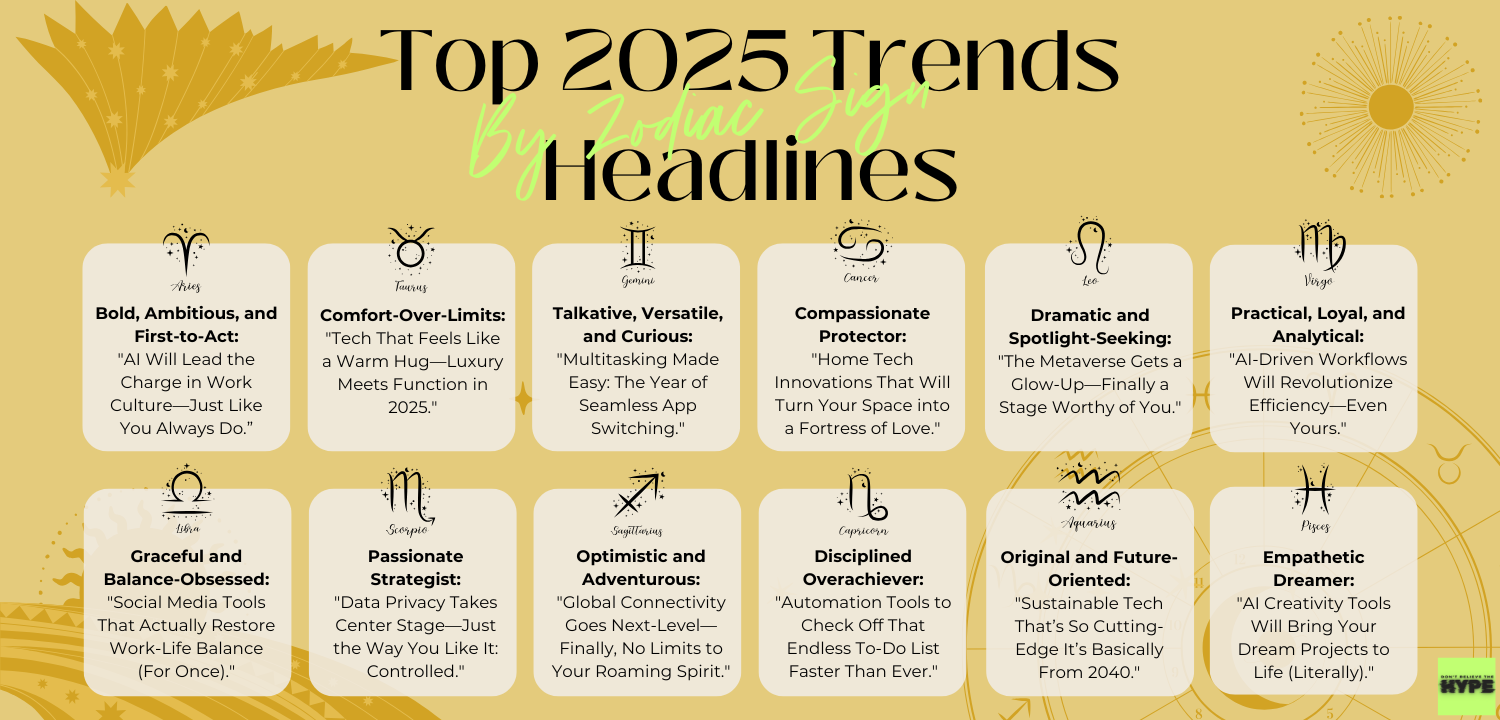
What “Top trends for next year” feel like…Horoscopes
“Top Predictions” lists are useless.
Does anyone else’s anxiety spike every time they read one?!
Let’s be honest—are we actually predicting or just tossing glitter on guesses and calling it strategy? Because we can’t be studying this wayward market for trends?! It’s giving dartboard decision-making.
I’ll be real with you. I’ve searched for patterns, and guess what? Nothing. Not because I failed Miss Cleo 101 certification course, but because everything is pure chaos. The economy. The government. Health care. Zuckerberg. You name it. It’s all a mess.
Let’s BFFR. And let Christine catch you up.
Predictions are supposed to spot patterns, analyze trends, and forecast what’s upcoming. Cute in theory. But in this reality…in this big flop economy. NOBODY KNOWS.
Wow. That felt really good to get off my chest.
I mean, it’s understandable to want clarity—humans crave it like Wi-Fi in a dead zone. But let’s repeat for emphasis: not me, not you, not the market analysts with the fancy charts, and certainly not the internet’s self-proclaimed astrologers of business know what’s up.
No more than astrology can predict your soulmate based on your rising sign. (And yes, I know my big three—don’t test me.)
But NFTs…those I can’t explain, and honestly, neither can the blockchain bros at this point.
So let me tell you what’s (In+) and what’s (Out-) for 2025.
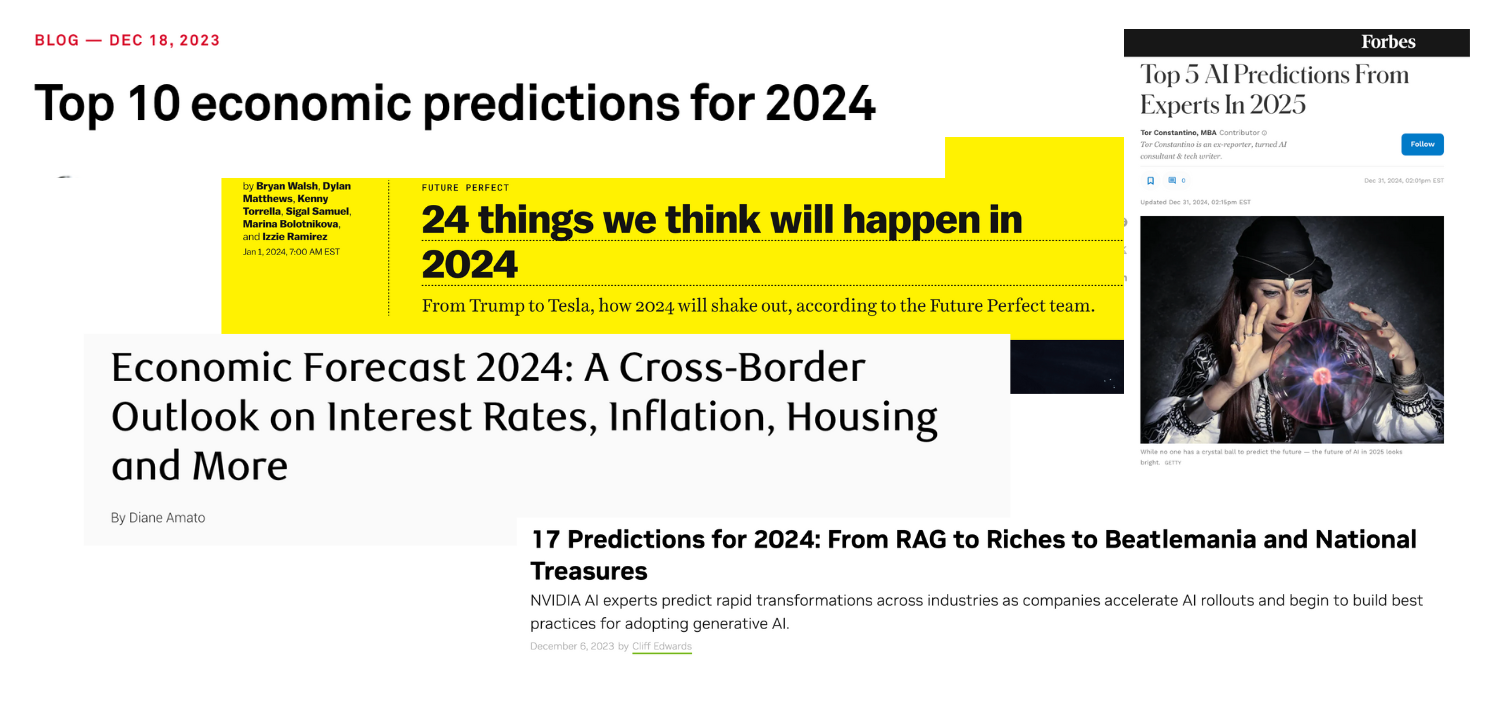
2023 Prediction Headlines for 2024
(Out -) 🔮 Fortune-Telling
Astrology at least owns up to its mysticism: “Here’s what the stars might suggest…”
But for market predictions, they slap on buzzwords like “projections” to make their wild guesses sound like gospel. Weren’t these the same experts who swore remote work was the future but are now preaching “office culture is back.” And let’s not forget the DEI foreshadowing—once a corporate must-have, now the brands are rollingback “prices” and parity.

The game isn’t about being right. It’s about being first.
The bolder the prediction, the more clicks it gets—accuracy be damned. And in the race to shout “trend alert!”, we lose sight. We eat up predictions because they make the chaos seem manageable. It’s comforting to believe someone has a crystal ball—even if it’s cracked.
But life, much like social media algorithms, does what it wants. You can hustle and strategize all you like, but the universe (or the internet) will decide what’s next, and your plan will be the first casualty.
✨ (In+) The Shift From Prediction to Preparation
If we learned anything from the dark months of the pandemic era, we need to be more planful than prophet.
The prediction game isn’t about helping you prepare—it’s about grabbing your clicks on “Top Trends for 2025.” It’s horoscopes in a corporate disguise: “AI will revolutionize work culture!” and “The metaverse will redefine community!”.
But preparation is about focusing on what’s actionable, or as the Latin phrase "Carpe diem quam minimum credula postero,” reminds us, “pluck the day, trusting as little as possible in the next one.” (Shoutout to the My So-Called Midlife podcast with Reshma Saujani and guest Bozoma St. John for that gem—IYKYK.)
And that’s the shift: trust less in what’s next and instead set clear priorities, celebrate small wins, and build systems that outlast the latest trend cycle. Predictions are for clickbaits. Preparation is for power moves.
❗️A “Better-Like” Philosophy
Instead of obsessing over what’s coming, what if we focused on getting 1% better every day? Be better-like.
Better-Like n. adjacent to better
It’s not about trying to go viral or make the Forbes 30 Under 30. It’s about showing up. Tweaking a caption here, rethinking a process there. Small, unglamorous wins that stack up into something meaningful.
It’s like playing the social media game. You can’t predict which post will blow up (although it’s probably the one you spent 30 seconds on), but you can control the quality of the content you put out.
Personal growth works the same way. Those “viral” moments in your career or Instagram feed are just happy accidents of consistency and timing. No strategy, no secret sauce—just doing the work, one slightly better-like day at a time.
👀 This is Your Official Invite
So, since we’re officially done with the prediction circus, here’s the real move. Stop chasing trends and start focusing on what you can control—getting just a little better every day. Predictions might make for great headlines (and clickbait), but they distract us from what really matters: doing the work.
So today, tweak that process. Tomorrow, improve that email. Because the future isn’t about knowing what’s next—it’s about being ready for when it happens.
And honestly, how can we focus on “bigger and bolder” when we haven’t even mastered better.
The Guest List, Or: People Personally Invited to Be “Better-Like” in 2025
The one clapping for themselves in their car because nobody else recognized surviving 2024 felt like winning The Hunger Games. (We see you.)
Anyone who deleted “become a billionaire” off their vision board and replaced it with “pay off the highest-interest credit card.”—knowing grounded goals are the new manifesting.
The multitasker who has 15 tabs open, two half-finished projects, and zero memory of what day it is.
The person still posting ‘New Year, New Me’ in 2025.
Anyone on the internet who was giving “very demure, very mindful, very cutesy,” but their browser history screams chaos.
Drake. We shall overcome.
That people pleaser who would rather play Mad Libs with themselves than ask what the hell they actually want.
The A-type whose Monday morning feels like plotting a heist in Ocean’s Eleven with Lupin energy.
Anyone who made it through a Zoom meeting without saying, “Let’s circle back.” Bravo.
The human with a disaster kit—not just for earthquakes but for career plot twists. Skills > excuses.
The quiet genius building systems while everyone else is chasing shiny objects. You’re the real MVP.
Every late bloomer who keeps showing up, moving forward, one tiny, consistent step at a time. Your 1% is about to flex on er’body.
Happy New Year!
👋🏾 Soooo…collective illusion is public enemy number one—Don’t Believe The Hype. Bi-weekly, we’ll say the quiet parts out loud (in your inbox). So we can cancel or co-sign marketing or market trends and discern pop culture gems from flops together. And start making sense of the nonsense online.

Hella Perspective: The Wicked redefinition of professionalism
If you don’t look the part, your confidence is labeled as cocky, your boldness as insubordination, and your assertiveness as aggressiveness.
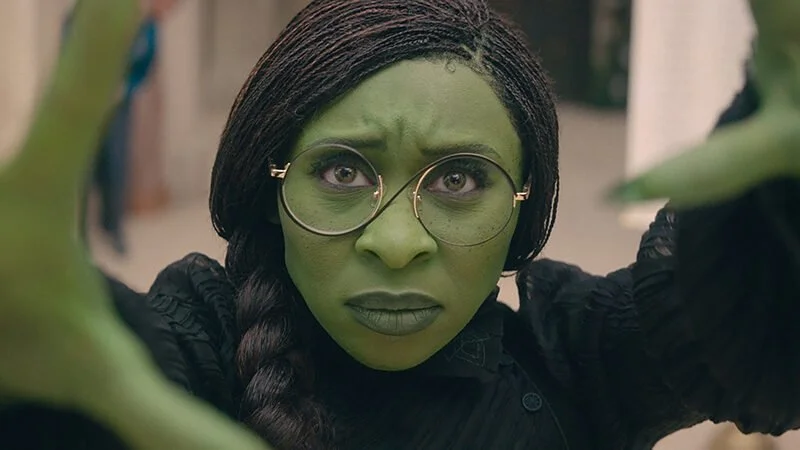
Elphaba Thropp played by Cynthia Erivo, Wicked (2024)
Professionalism has nothing to do with how you look—it’s how you deliver.
And it’s taught in grade school.
I watch my daughter navigate the shark tank that is middle school, and honestly, she’s already clocking in more “professionalism hours” than some grown adults I’ve worked with.
She’s out here navigating tricky social dynamics with the expectations of managing it with the grace of a seasoned diplomat. Her report card is basically a corporate performance review in disguise: graded on responsibility, organization, independent work, collaboration, initiative, and self-regulation. Sound familiar?
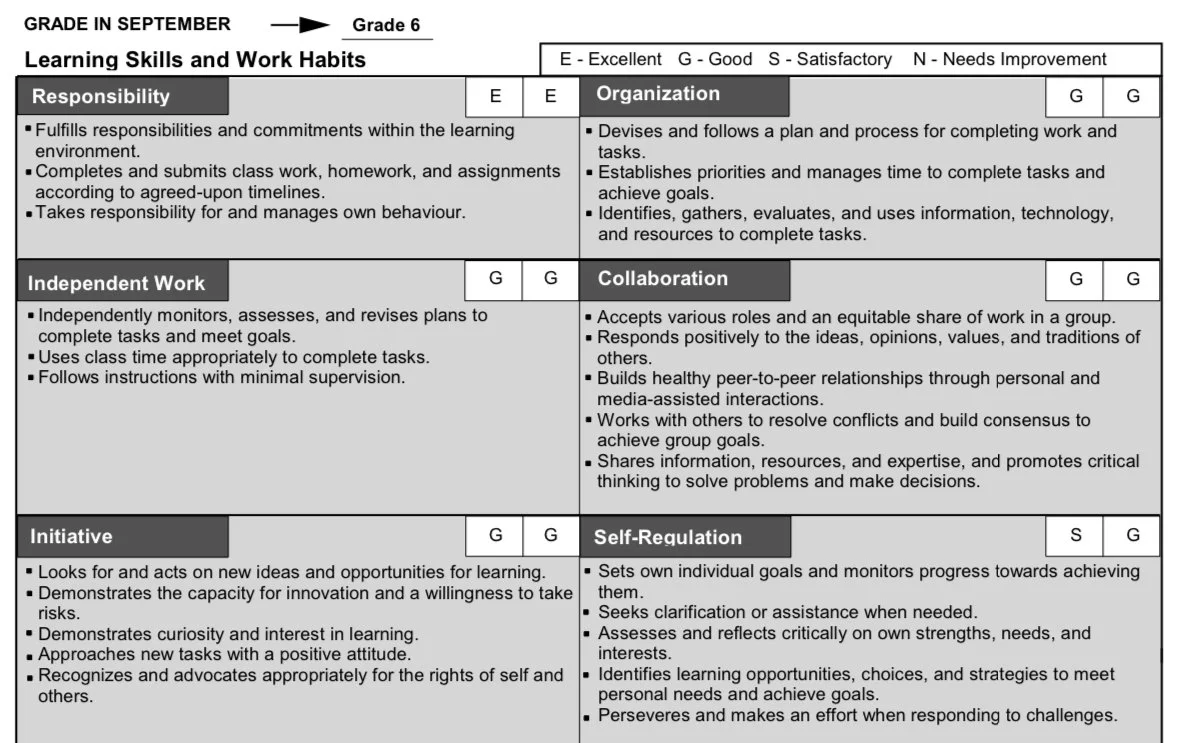
Grade School Report Card
She’s constantly testing the boundaries of her independence with her teachers—like it’s her full-time job. And to understand why, you’d need to know her a little better.
She’s that kid. The one who calls things out, asks the questions that make adults squirm and drops her opinions into conversations like truth bombs—completely unfiltered.
It’s both admirable and mildly terrifying. But her outspokenness often lands her in trouble, like the time her teacher told her to wear her Epipen fanny pack for an outdoor field trip. Her response? “I’m not allergic to outside.”
The same day, we got a call about her.
Here’s the thing, though…this so-called “trouble” isn’t defiance—it’s underdeveloped professionalism.
The thing we all stress over at work. Yeah, it starts way earlier than we realize. And it should have nothing to do with how you look, how loud you are, or whether you tick some outdated corporate checklist.
But it does, even at age 12.
And even in sci-fantasy movies, we can’t seem to escape it. Wicked is not a story about friendship or sisterhood. It’s about being easily cast aside because you don’t fit the “standard.”
If you don’t look the part, your confidence is labeled as cocky, your boldness as insubordination, and your assertiveness as aggressiveness.
Forget competence. You won’t even be offered the same liberties as your peers Glinda. And don’t think it’s any different in the classroom. A student’s behavior has influence on their grades—responsibility, collaboration, and initiative are right there at the top of the report card, bold as hell.
And as we slide further down the funnel of what passes for “professionalism,” the standards get more warped.
There’s a quiet conditioning that it's less about skill and execution and more about appearances and conformity. Frustrating for adults…sure. But downright sobering when you realize these murky standards are already shaping the next generation.
Watching my daughter navigate her social ecosystem with what can only be described as middle-school-level diplomacy (also known as controlled chaos) gave me hella perspective: What if we scrapped this broken script? And redefined professionalism altogether?
We need a Wicked redefinition.
The Wicked Redefinition of Professionalism And Acknowledgements to Those DOing It
You’d think professionalism would be a straightforward concept—show up, do your job, go home. But no, it’s layered with biases, outdated rules, and arbitrary standards like “Do you look like someone I’d trust with a spreadsheet?” Watching my daughter navigate the politics of middle school, where competence and behavior are weighed like some twisted corporate performance review, drove the point home: we’ve been conditioned from day one to stress over professionalism. And for what? To prove we can sit still and smile on Zoom?!
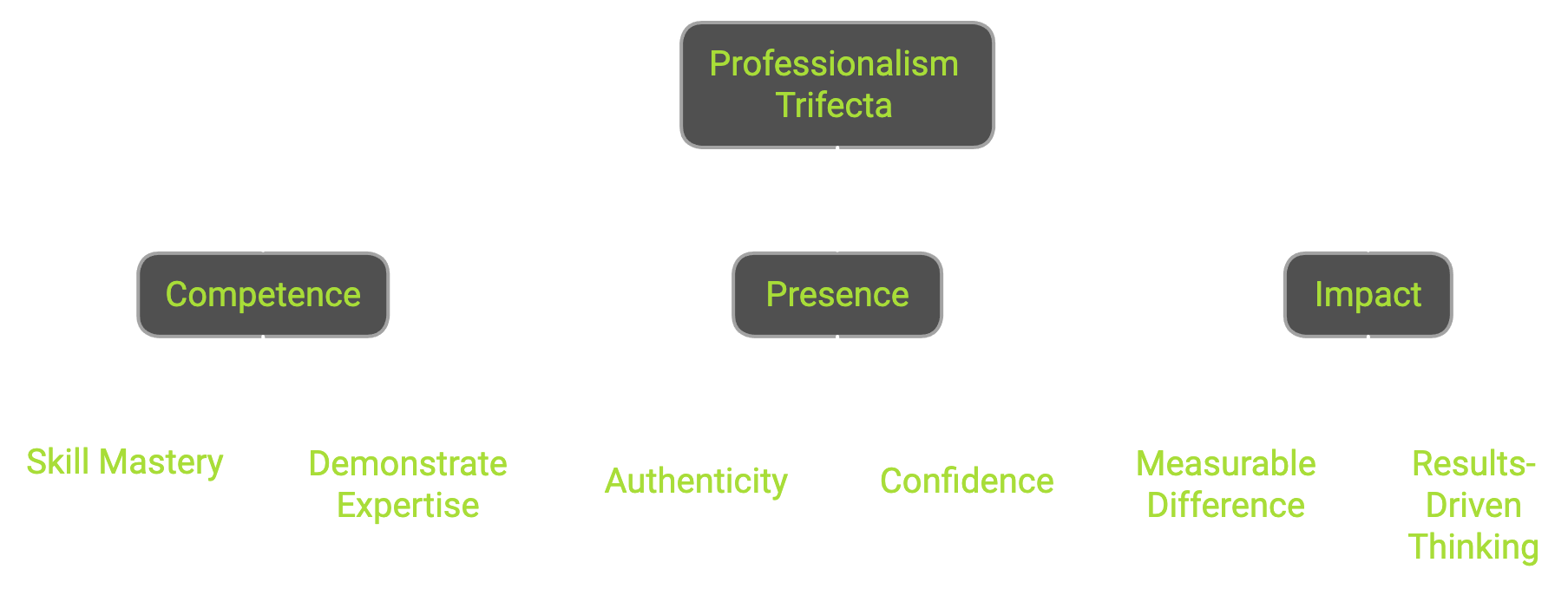
But who’s setting these standards…and why are we still following them? Enter Scott Evans, Kai Cenat, and Bozoma Saint John—three people who’ve ripped the mold to shreds and shown us the alternative. Each of them embodies what I call the trifecta of professionalism: Competence, Presence, and Impact.
Let’s give credit where credit’s due.
1. Competence
To Scott Evans, a walking masterclass in how to deliver—literally and figuratively. Not to be confused with Scott Evans, who played one of the Kens in Barbie (although, he’s cool too).
Whether this Scott is behind the desk at Access Hollywood or interviewing A-listers, I want to thank him for showing up ready. He doesn’t just skim the prep notes. He dives in like the pro he is. If competence had a spokesperson, it’d be him. And honestly, I’d trust Scott to negotiate world peace before I’d trust some of these LinkedIn “thought leaders.”
His most recent project turned my head and has me locked in like an after-school special. The YouTube series House Guest is an intimate, feel-good series where celebrity guests visit his home to share candid conversations and personal stories. It basically feels like you’re kicking it with good friends. You “come for the fun and stay for the joy.”
Scott Evans didn’t become a trusted face in entertainment journalism by accident. His rise is a masterclass in skill development and adaptability.
Do it like Scott:
Hone Your Craft Relentlessly: Scott mastered the art of storytelling, seamlessly blending entertainment news with relatability. Whether covering Hollywood gossip or human interest stories, he does it with a mix of charm and depth that says, “Yes, I did read the room, thanks.” It’s called versatility and consistency, people.
Stay Prepared: Scott doesn’t just skim the Wikipedia page before an interview—he comes armed with receipts. His prep game builds trust but also delivers value to viewers.
Own Your Niche: While the entertainment world is drowning in clichés, Scott stands out because he brings himself to the table. He’s not trying to be anyone else, and it shows. Lesson: your authenticity is way more interesting than blending into the beige backdrop.
Competence isn’t just about doing the job. It’s about elevating it, and Scott, you’ve done just that.
2. Presence
To Kai Cenat, who proves you don’t need a suit and tie to command attention. Thank you for redefining what it means to own a room—even if it’s a virtual one.
This example may be a hard pivot from what we’ve known to be professional (and my 12 y/o told me to leave this one out), but keep following along because his streams and videos are pure nonsense in the best way. Authentic, funny, and unapologetically him. Kai’s presence isn’t about being polished. It’s about being real. He leans into his quirkiness. He’s boldly himself, and that’s why millions can’t get enough.
He’s been making noise recently with the number of celebrity heads popping up on his live streams. Take notes, corporate overlords: even PR pros are amazed at the coordination, logistics and scheduling of running a modern-day Truman Show. His streams can get up to 23 million viewers.
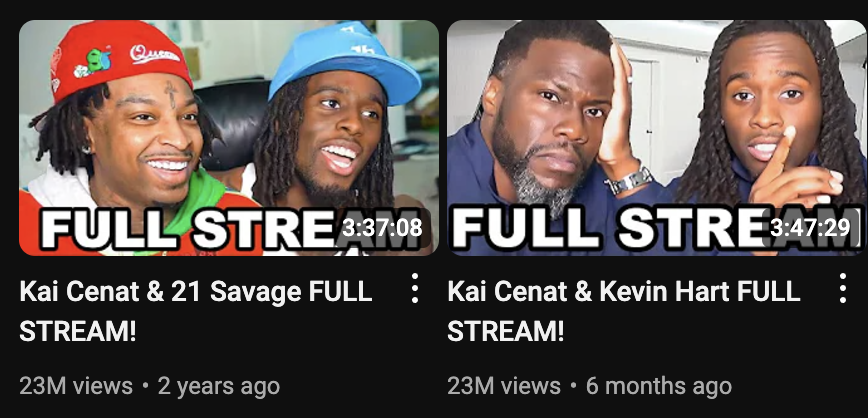
Youtube: Kai Cenat Live
Do it like Kai:
Build a Platform on Authenticity: Kai never tries to be anyone else. His humor, energy, and charisma make his streams and videos magnetic, pulling millions into his chaotic (but real) world.
Stay Consistent: Whether he’s streaming for hours or creating viral YouTube content, Kai consistently shows up for his audience. Presence isn’t just about showing up once and hoping for the best. It’s about doing it again and again until people can’t get enough of you.
Turn Vulnerability Into Strength: He doesn’t shy away from showing the messy parts of his journey, making him relatable and approachable. Confidence isn’t pretending you have it all figured out—it’s owning the process like a boss.
Presence isn’t about blending in or following a script. It’s about showing up, being seen, and making people remember you—like Kai.
3. Impact
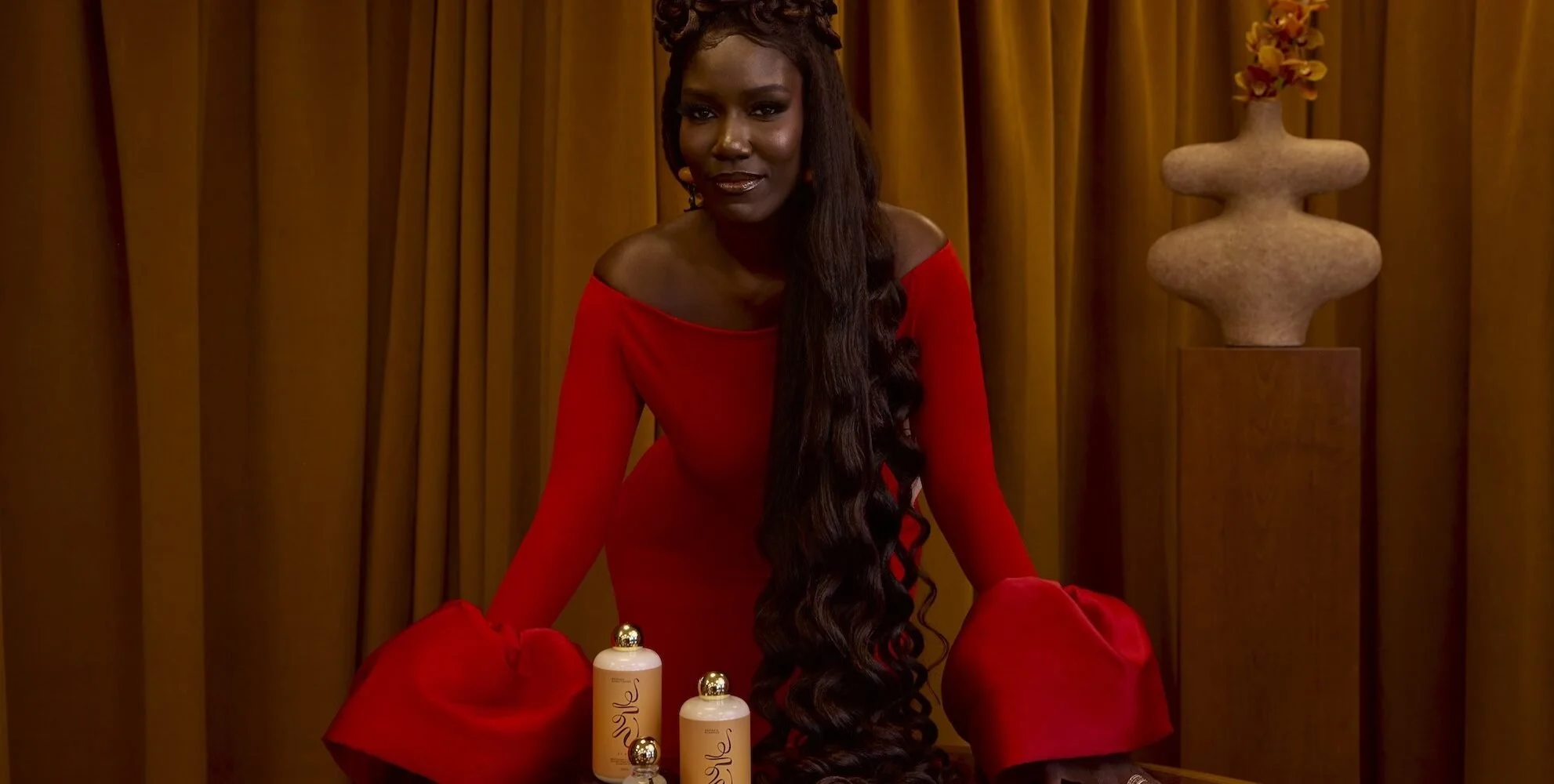
To Bozoma Saint John, she doesn’t just walk into rooms—she owns them. Thank you for showing us what’s possible when purpose meets execution.
From rescuing Uber’s reputation to running game-changing campaigns at Apple and Netflix as the CMO, Bozoma redefines what it means to leave a legacy. Her impact isn’t just felt. It’s seen—bold, unapologetic, and impossible to ignore. She’s proof that professionalism isn’t about playing it safe. It’s about making moves that matter.
This unstoppable force has gon’ on and launched Eve by Boz. A haircare and wig brand that is manufactured in her homeland of Ghana. It’s a revolutionary act that despite Black women and women of color holding 80% of the buying power in this industry—don’t have a say—Boz became instrumental in how these products are constructed.
Do it like Boz:
Make Bold, Strategic Moves: Bozoma Saint John didn’t wait for permission to lead with her ideas. Her bold campaigns reflect her vision, even if they challenge norms and make the old-school execs sweat. You can’t leave a legacy by coloring inside the lines.
Leverage Cultural Intelligence: Boz doesn’t just market products. She connects them to culture in a way that makes brands feel human. The secret sauce to staying authentic is being who you are while still resonating with your audience. It’s not magic. It’s a skill.
Prioritize Visibility: She doesn’t shy away from taking up space. Whether on stage or in a boardroom, she ensures her voice is heard and her work is seen. Take notes: your impact is only as big as the space you claim for it.
Boz, you’ve shown us that real impact goes far beyond job titles—it’s about creating meaningful, lasting change.
Guilty as F*ck: Who knew The Olympics and corporate culture have so much in common?! →
These living examples show us how to rewrite the rules of professionalism and make it work for us—from my 12-year-old powerhouse to Wicked’s Elphaba, you can be a Scott mastering their craft daily, a Kai owning their authenticity by inches or a Boz leaving a lasting impact on Zoom meetings.
Your work inspires us to rethink professionalism as something dynamic, inclusive, and rooted in what actually matters: competence, presence, and impact—the professionalism trifecta.
So here’s to them (you)—and here’s to anyone who’s ever been told they don’t “look the part” but delivered anyway.
Let’s stop stressing over fitting outdated standards and start celebrating the people brave enough to elevate ‘em.
👋🏾 Soooo…collective illusion is public enemy number one—Don’t Believe The Hype. Every week, we’ll say the quiet parts out loud (in your inbox). So we can cancel or co-sign marketing or market trends and discern pop culture gems from flops together. And start making sense of the nonsense online.
P.S. That’s a wrap on Season Two of Don’t Believe the Hype! We’ll return in the new year, ready to cancel or co-sign whatever marketing trend decides to embarrass itself next. See you then…

Hella Disrespectful: Favor ain’t fair if you’re a woman and Black—we’re OOO
Hope is currently out of office and, honestly? She’s exhausted.
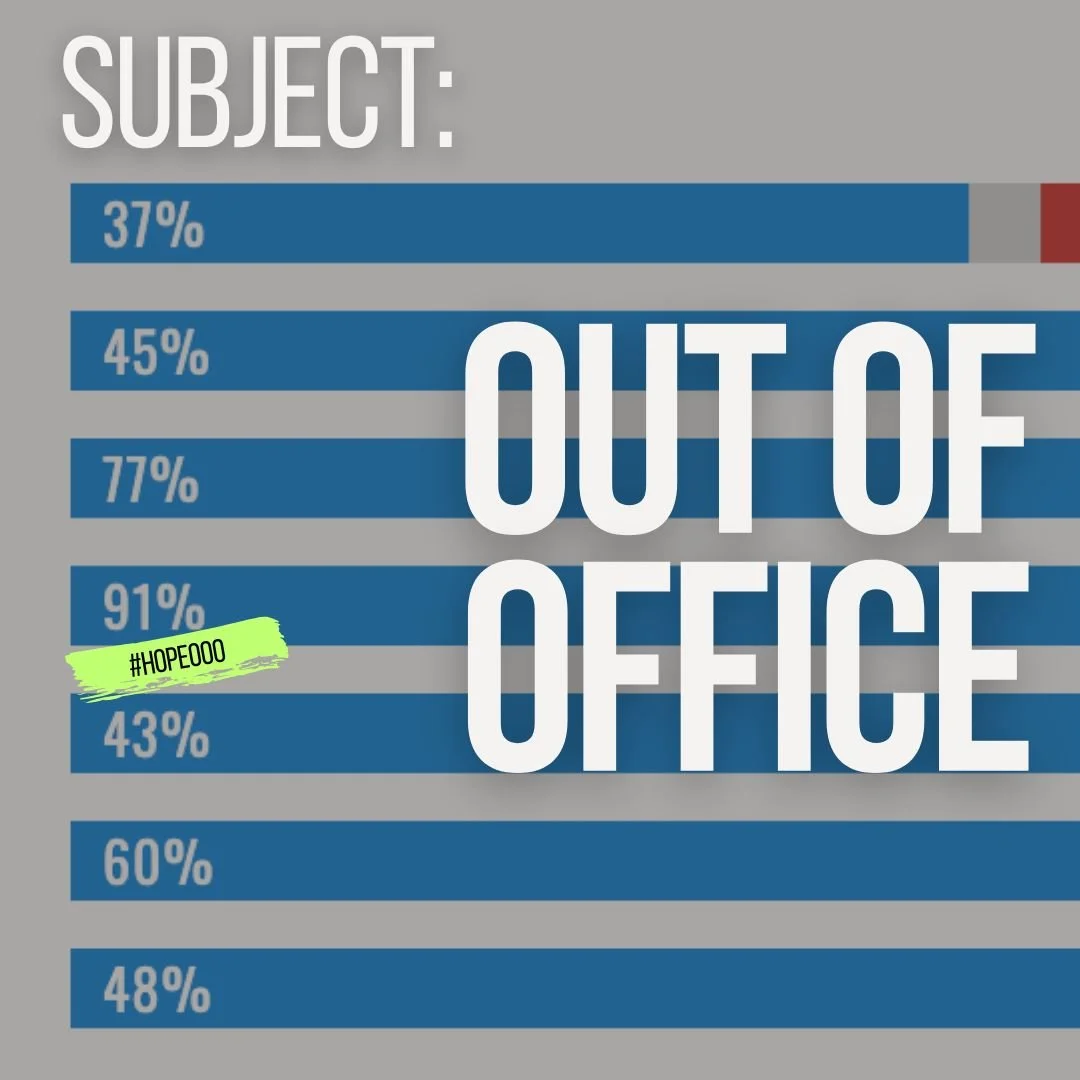
Waiting for this election hype to die down has been an emotional marathon.
It's like we’re stuck in a loop, watching history repeat itself in real time—a trauma bond we can’t break, and it’s making us sick.
People aren’t talking about hope like they used to.
They’re talking about losing it, too exhausted to put themselves through another round of empty promises. The familiar faces, the empty slogans, the “authentic” voices claiming to represent us—it’s all starting to feel hella disrespectful.
We’re told to believe in change, but when the same privileged voices wrapped in a flannel shirt are held up as the “real influencers,” it’s hard not to feel disregarded. They’re dealing us hope like crack in the 90s, laced with “messaging strategy and relatability”, and leaving out the messy realities—racism, misogyny, the quiet erasure of anyone who doesn’t fit their mold.
It’s hard to trust in a future that doesn’t seem built for us.
If hope is going to mean anything this time, it has to be more than just another buzzword. It has to actually confront the ugly truths we’re all exhausted from living through. And until that happens, don’t expect anyone to believe in a change that doesn’t include them.
For 91% of us though, the stakes are even higher.
Favor ain’t fair if you’re a woman and Black.
The thing about being exalted—whether you’re on a higher platform or anointed—is that it’s not the free pass people imagine. There’s this expectation that you should move differently, that you’ll carry hope on your shoulders for everyone else. But let’s be real: history shows that favor often demands more than it gives.
It’s a gift and a curse, requiring you to be twice as good, twice as resilient, and twice as willing to look past the same systemic disrespect everyone else gets to rage about freely.
When you’re a Black woman, the pressure to perform hope isn’t just a personal burden—it’s practically public policy.
You’re expected to smile through setbacks, to represent, to “be the change.” But what happens when you’re out of hope? When even your resilience feels like a commodity, paraded as proof that “things are getting better”?
On these high platforms, the so-called favor becomes an obligation to carry hope for others, whether it’s realistic or not.
So, here’s the truth they’re skirting around: favor isn’t fair, and for Black women, it’s a weight, not a privilege. And as we watch this cycle of performative hope, strategic hype, and surface-level authenticity, maybe it’s time we stop pretending that hope alone will save us.
Instead, let’s demand something real—something that respects the history, the burden, and the resilience it takes just to stand up to the abusive cycle in the first place.
Our obsession with America needs CDC Guidelines, click to read them.
Hella American: Our obsession with America needs CDC Guidelines, proceed with caution →
Subject: Out of Office - Hope is Unavailable
Hey there,
Hope is currently out of office and, honestly? She’s exhausted.
She’s been stretched thin trying to keep spirits high and deliver on promises that keep coming up short. Right now, she’s taking a much-needed break from carrying everyone’s expectations on her shoulders, especially those who ignore the hard truths staring us all in the face.
She’ll be back when there's real change on the table—not just the same faces and empty promises.
In the meantime, try reaching out to Accountability or Real Talk. They’re more likely to give you honest answers right now.
Best,
Hope’s Out-of-Office Bot
👋🏾 Soooo…collective illusion is public enemy number one—Don’t Believe The Hype. Every week, we’ll say the quiet parts out loud (in your inbox). So we can cancel or co-sign marketing or market trends and discern pop culture gems from flops together. And start making sense of the nonsense online.

Hella Blows: The eulogy to Quiet Influence in the age of the loudest wins
It was never the loudest in the room, but it was always the most honest.
Once upon a time, female artists were seen as delightful yet costly accessories in the entertainment world—like the decorative parsley on a gourmet dish.
From their hair and makeup to their on-stage outfits.
Fast forward to today, and they're the main course, commanding center stage and, more importantly, the big bucks. Take K-pop Blackpink's Lisa, for example, who didn't just become a global ambassador for Celine, she practically turned the brand into a household name among Gen Z. And then there's Taylor Swift, whose brand partnerships are so lucrative that her cat probably has a better retirement plan than most of us.
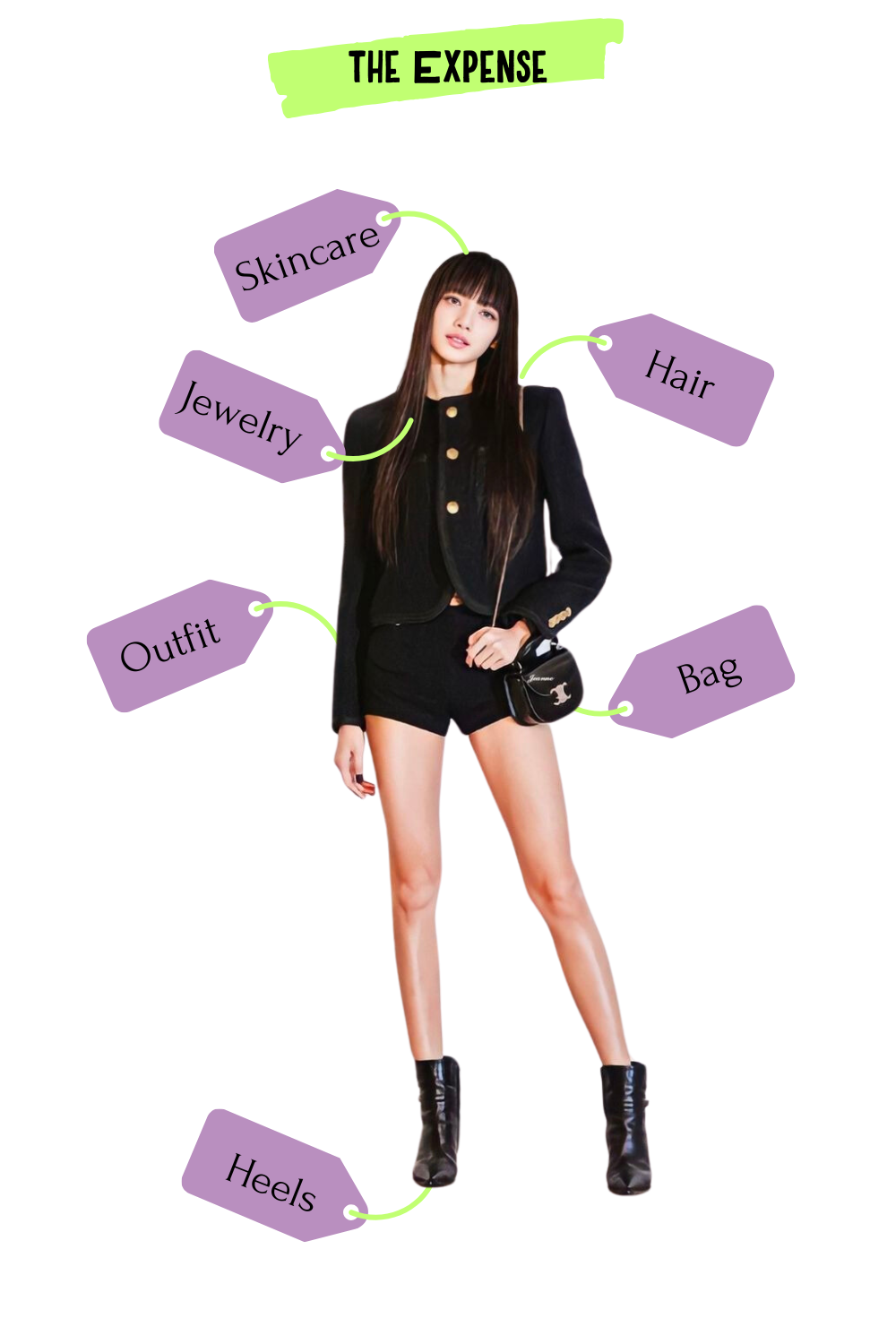
This is Lisa, a prominent member of the K-pop group Blackpink
This evolution from irritating expense to profitable investment isn't just a win for gender equality. It's a masterclass in how to turn a perceived 'deficit' into an asset goldmine.
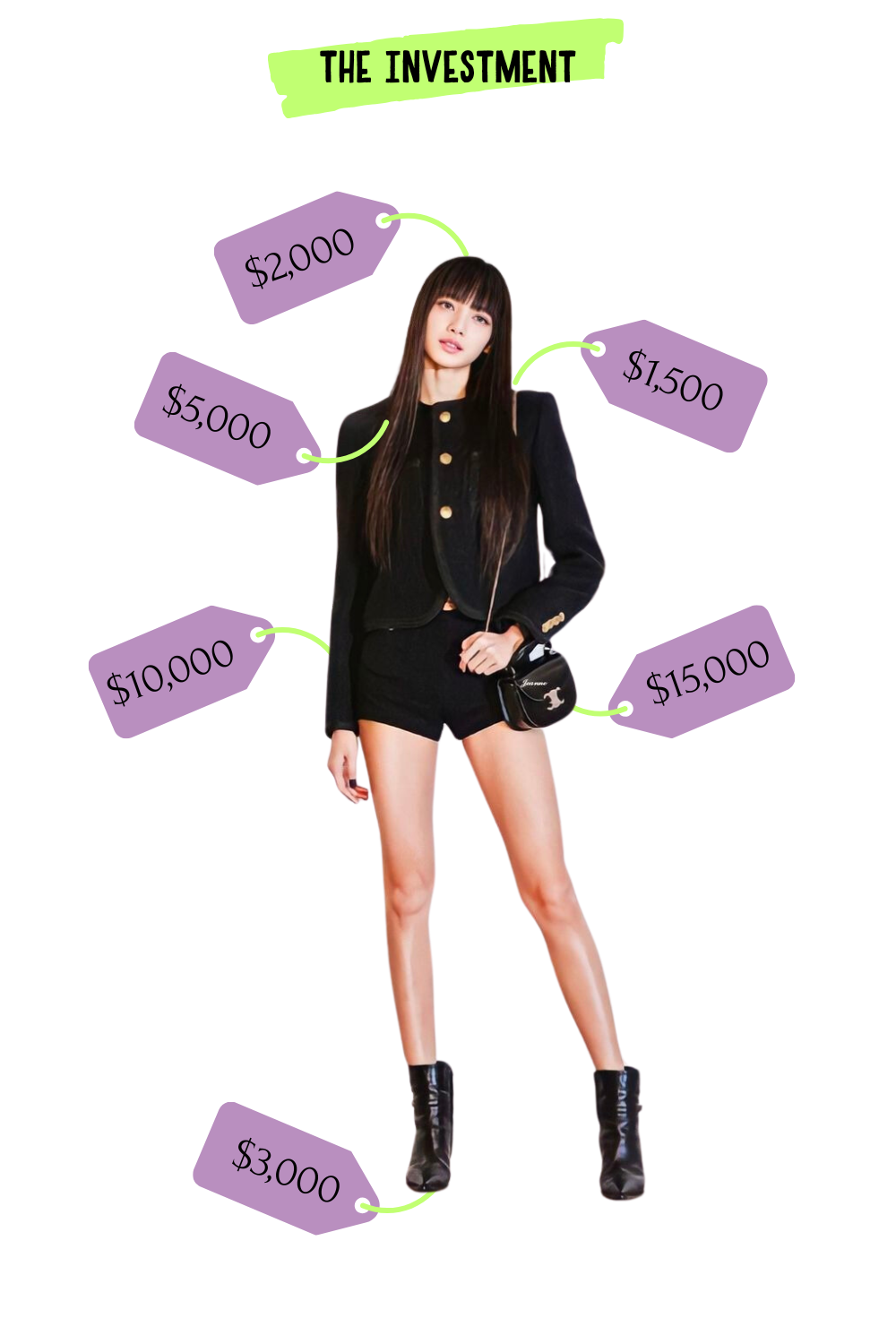
Cha-ching! Brand partnerships have entered the chat…
But here’s the thing—while it’s all rainbows and dollar signs now, the expectation for female artists to always 'show up' with the perfect blend of beauty, relatability, and influence has a cost.
This isn’t just a celebrity problem. It’s a corporate one, too.
As female artists (and women in general) get funnelled into loud, marketable personas, what happens to those who prefer quiet influence? The ones that get things done without a booming sound system.
What happens to the quiet leaders and quiet geniuses? Do they become an expense or an untapped investment?
It’s almost like we should bury the quiet voice to make room for the loud and deceptively more profitable.
The Eulogy to Quiet Influence in the Age of the Loudest Wins
Please gather ‘round for the Eulogy—but let’s call it a ‘Corporate Memo,’ because we’re here to address the Quiet Voice that’s been taking hella blows.
Yes, the dearly silenced, often mistaken for shyness.
This Quiet Voice was never meek.
It was resilient, reflective, the one that spoke up when it truly mattered. But as loudness became our culture’s currency, the Quiet Voice was edged out, its strength mistaken for weakness, its subtlety for irrelevance.
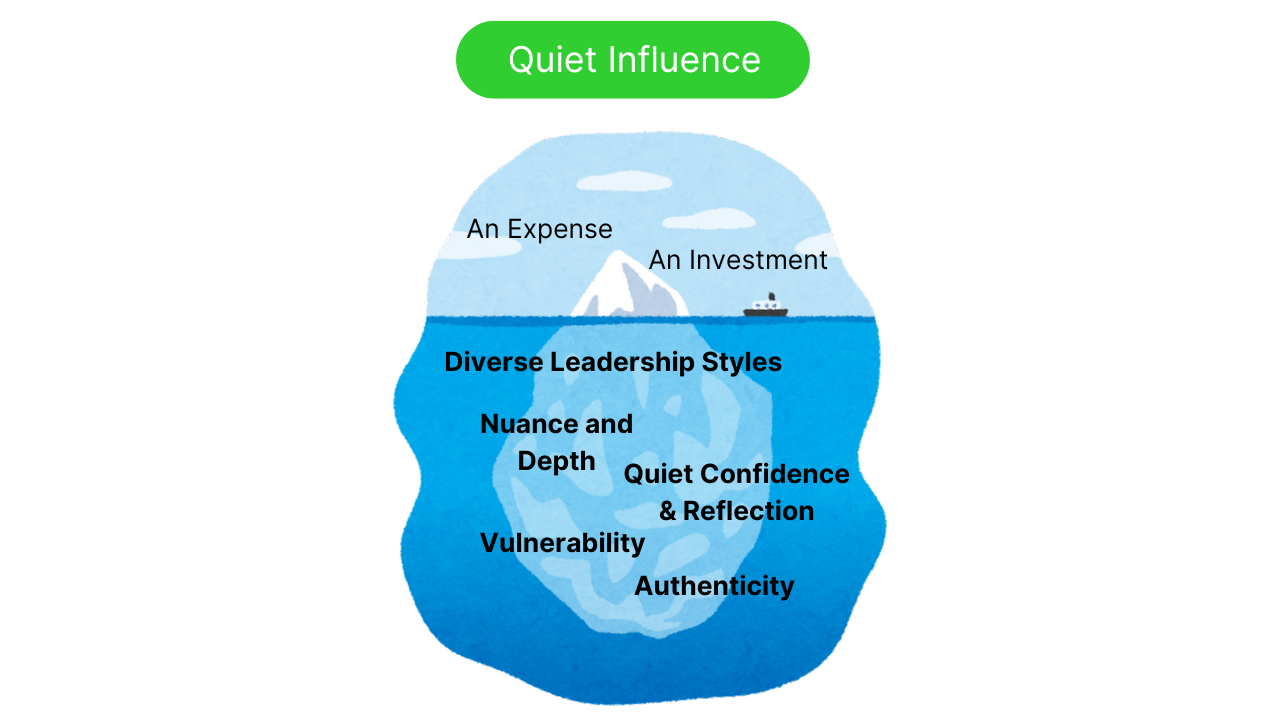
Here lies Authenticity. Lost in the shuffle of shallow performance, booming voices, and an endless race for clicks and short-tail attention.
Once the quiet heartbeat of genuine connection. Authenticity lived—no filters, no exaggerated poses, no one-liners crafted for “maximum engagement.” It was never the loudest in the room, but it was always the most honest.
Authenticity died as we cranked up the volume, pushing louder and louder until it was silenced by the pressure to perform. We traded sincerity for a watered-down version of what looked good on camera but was hollow at its core.
With the demand for constant output, Authenticity couldn’t keep up with the noise and chose, instead, to take its blows.
We mourn the loss of Nuance and Depth, too, the closest companions of Authenticity. When every conversation had to be Black or White, Liberal or Conservative, there was no space left for the layered thoughts and complex insights they offered.
Quiet Confidence and Reflection were Authenticity’s true friends, loyal and steadfast. But as the push for self-promotion grew, they faded out as well. It’s hard to stay quietly confident when we reward volume over value. Reflection, who always took its time, stood no chance in the world of fiery hot takes.
When Authenticity passed, Quiet Confidence and Reflection took its last breath.
Diverse Leadership Styles, an endangered species now, had been the torchbearers for thoughtful, calm, and empathic guidance. But as loudness became the default setting for success, they found themselves overshadowed by charisma without content, flash without foundation.
They tried to keep pace, but the one-size-fits-all mold of “loud leadership” eventually escorted them out.
And we can’t bypass the death of Vulnerability. Performative, replaced reality. There was no room for softness, no tolerance for being real. We crafted perfection for our feeds but left our true selves out of reels. Authenticity had always provided space for vulnerability, holding it gently, making it safe.
But without it, Vulnerability became a foreign language, a risk too high to take.
As we say goodbye to Authenticity, we’re left with a question: Who are we without it?
Authenticity was our foundation, the reason people felt seen, heard, and understood. Without it, we’re just noise, chasing the next big, bold, ultimately empty moment.
An expense, not an investment to our truer selves.
In loving memory of Authenticity, in a world that feels hella loud, there’s an undeniable goldmine in the quiet influence within ourselves.
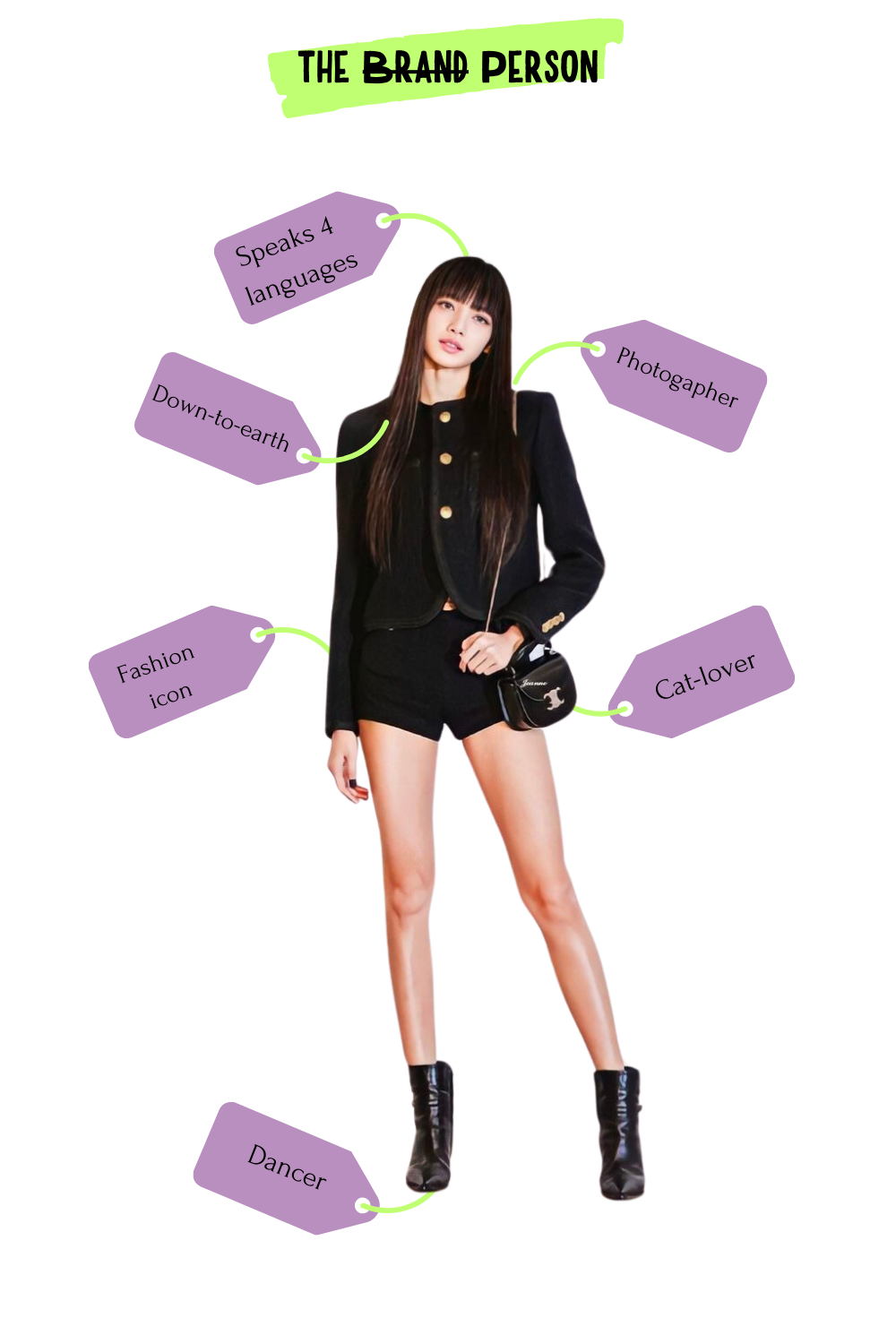
We can’t connect to a brand, but we can to a person.
As we reflect on the loss of Authenticity and the rise of brand building: Are we co-signing genuine connections or canceling performative hype?
👋🏾 Soooo…collective illusion is public enemy number one—Don’t Believe The Hype. Every week, we’ll say the quiet parts out loud (in your inbox). So we can cancel or co-sign marketing or market trends and discern pop culture gems from flops together. And start making sense of the nonsense online.

Hella Shook: Swiping right on AI, where convenience meets caution
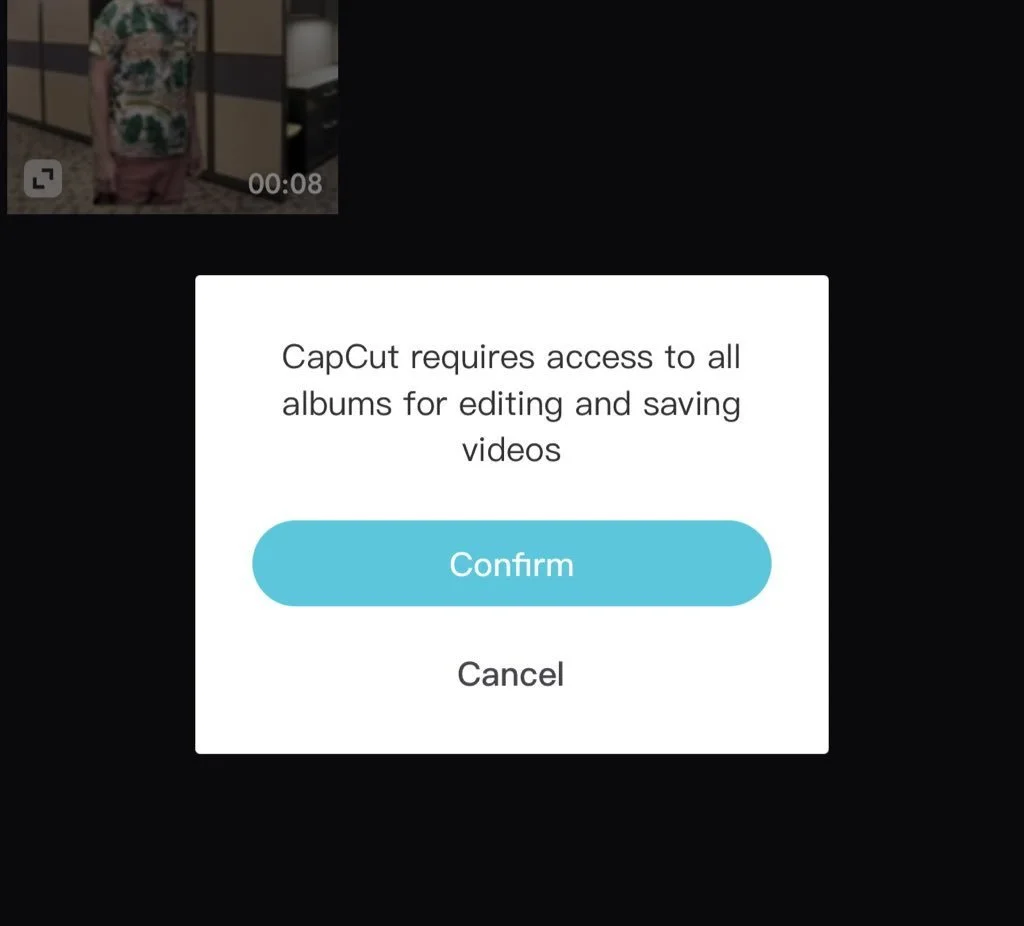
I just want to edit a pic, not hand over my whole existence.
Subject: Elevate Your Career: Join the WhatsApp Team
That’s how the scam email got me to open it.
At first glance, it looked like an open door to a dream scenario—no job boards, no pretentious smiles, no rehearsed lines, just direct access to a coveted role.
Who wouldn’t be curious? It felt like skipping the line. No hustle required.
But as the saying goes, “If it’s too good to be true, it probably is.” And this email was too polished, too professional. No typos, no clumsy grammar—just an opportunity that seemed too real. I was hella shook.
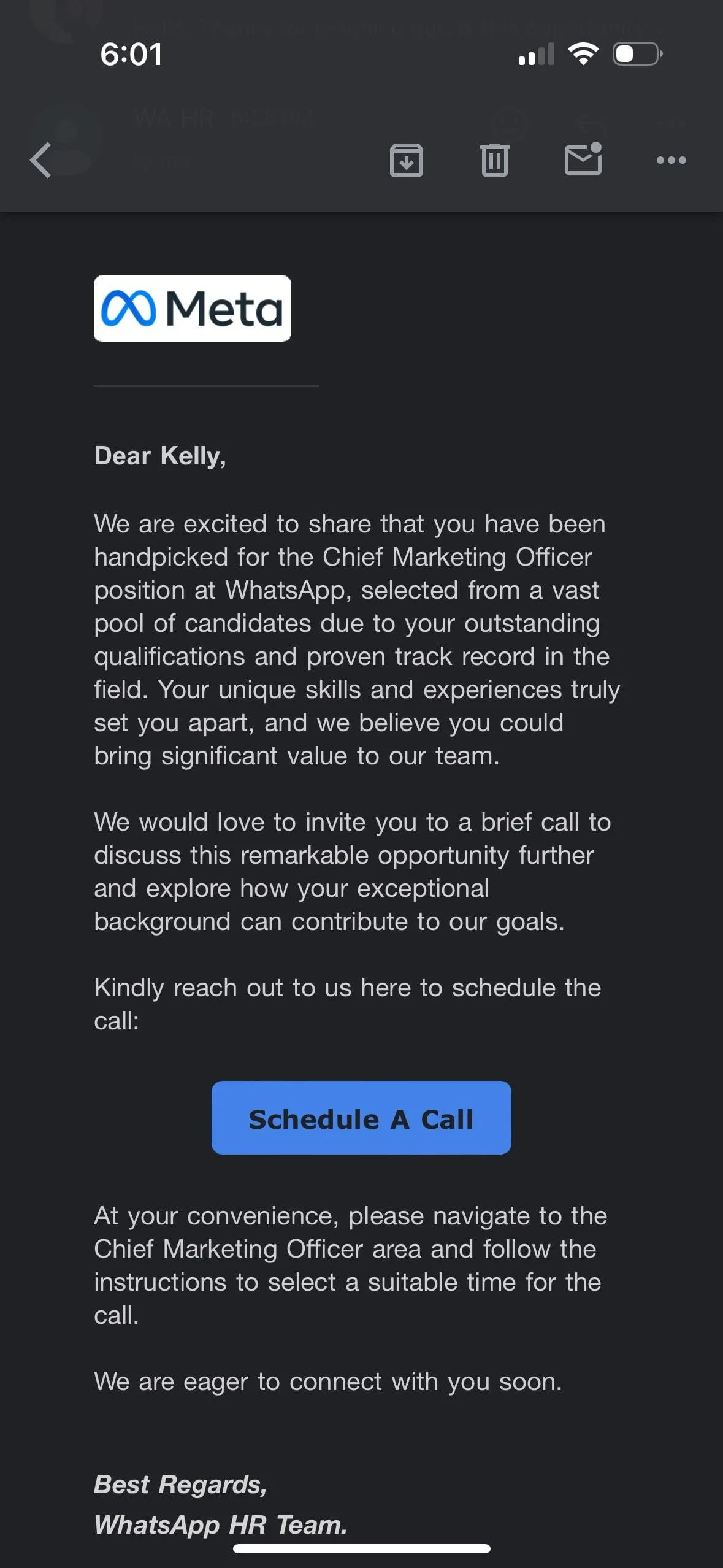
An example of the same email sent to me. I blocked and deleted mine before I thought about writing this article.
When I looked closer, I spotted the trickery.
The email linked to a fake job posting that didn’t exist on the official WhatsApp website. They even asked me to sign in through my Facebook account to view the job description—a major red flag that made me pause. Still, the responses from the “recruiter” were prompt and professional. They did everything right to keep me hooked, and that’s where the threat lies.
This experience made me question the fine line between trust and deception in digital spaces. When it comes to AI-driven systems, we expect seamlessness—no friction, no barriers. But the more frictionless the experience, the more vulnerable we become. And that’s where the tension between privacy and user experience gets messy.
Enter the privacy-personalization paradox…
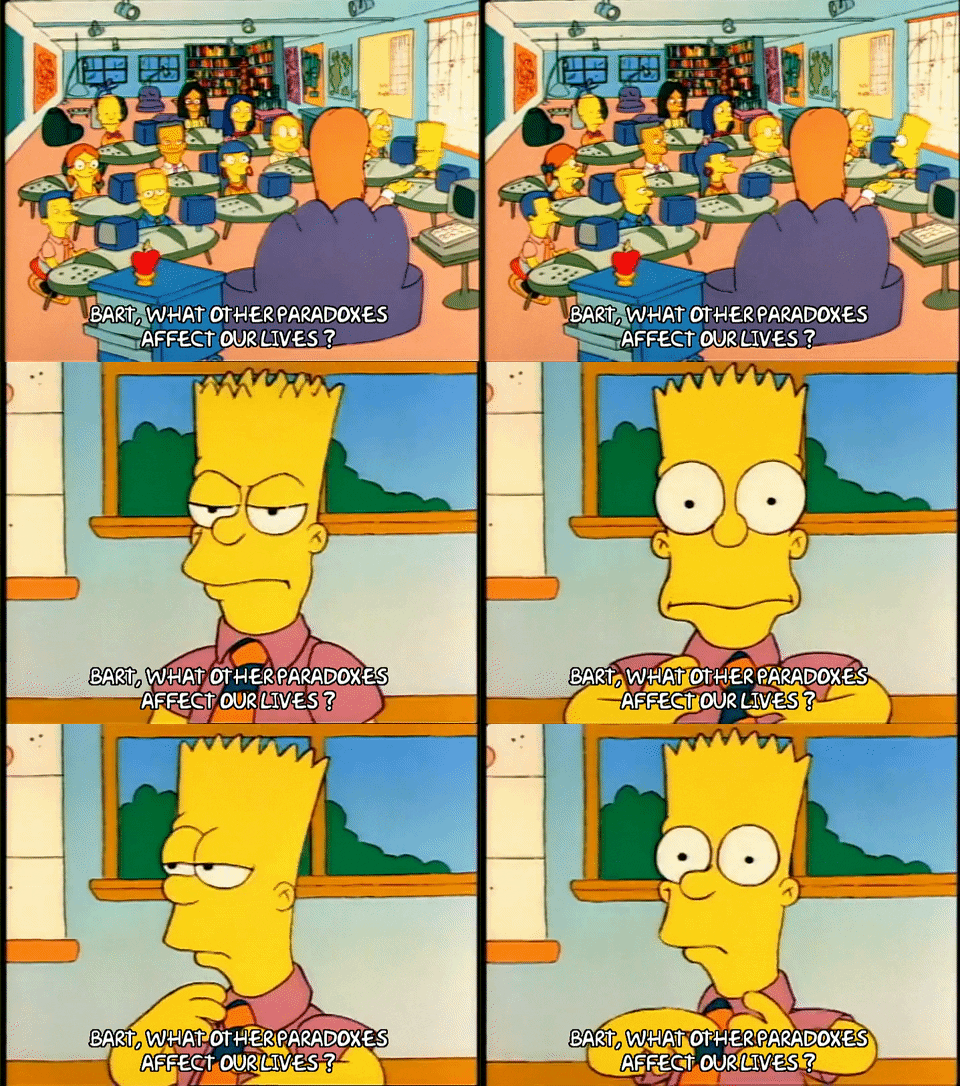
As we collectively dive deeper into the ever-charming world of AI, I can’t help but face the awkward reality.
We all want those seamless experiences—like when I fire up that photo editing app, *coughs* CapCut, ready to tweak a single video. But lo and behold, it demands access to my entire photo library. I just want to edit a pic, not hand over my whole existence.
This dance between convenience and privacy is everywhere: whether it's a weather app that insists on constant location updates or Google Maps wanting to stalk my whereabouts even when I’m off the grid.
Sure, it’s convenient, but am I really willing to feel like I’m stuck in a never-ending game of Pac-Man?

This tug-of-war isn’t limited to apps alone, though. That public Wi-Fi at your neighbourhood Starbucks? Instant connection, but it’s as secure as a paper umbrella in a hurricane, leaving our data wide open for all kinds of scamming eyes. And those fitness trackers aren’t any better. Yes, I want to know my step count stats, but do they really need all my personal activity to give it to me?!
I am willing to bet they’re trading our sensitive information to text solicitors (I have way too many SMS’ from bots versus humans, sadly). Then there’s the social media login trap—life’s easier with one-click registrations. But that quick fix comes at a HIGH cost, giving new sites access to unnecessary personal info I’d prefer to take to the grave.
But don’t lose hope y’all! Companies like Google are implementing federated learning, which means apps can learn your quirks without invasive data sharing. Apple’s privacy-first policies are shaking things up by demanding transparency in data collection, showing that we can enjoy the sweet perks of AI without completely tossing our privacy to the proverbial gossip columns.
By keeping our wits about us and choosing tools that respect our data, we can navigate this tricky landscape and aim for a healthier balance between privacy and that oh-so-seamless user experience.
But let’s be real…are the perks worth the red flags? Sounds a lot like dating these days, doesn’t it.
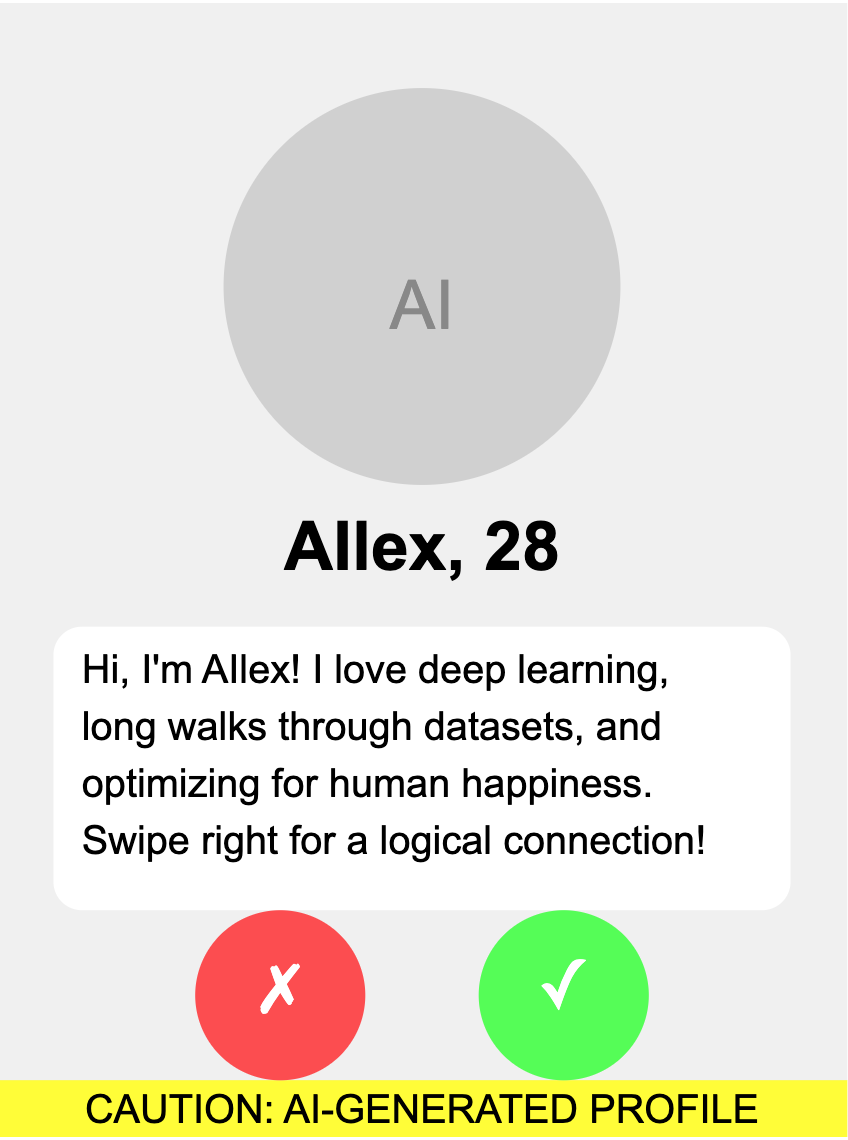
Swiping right on AI: where convenience meets caution
Dating Profile Name: PrivacySeekerUX (User)
Age: 30-something (But as timeless as the internet)
Location: Somewhere between convenience and confidentiality
About Me:
Hi there! I’m just a human trying to navigate this digital landscape where every app feels like a potential match. I love the idea of AI-driven systems that can make my life easier, but I’m also cautious about how much of myself I’m willing to share. I want personalized experiences, but not at the cost of my privacy.
Let's see if we can find a way to make this work.
What I’m Looking For:
I’m searching for a user experience that values transparency and mutual respect in a relationship—whether it's a perfectly curated playlist or personalized shopping recommendations—without demanding my entire life story in return.
I’m open to new adventures but not willing to compromise on my personal space. Ideally, you’ll understand that privacy is more than a buzzword—it’s a commitment we both make.
Interests:
Photo Editing Apps: Love a good photo? So do I! Just don’t ask for access to my entire library—let’s keep it to the one or two pics we need for the gram.
Location Services: I enjoy exploring new places but am not keen on being tracked 24/7. Let’s agree on boundaries.
Smart Home Devices: I’m a fan of convenience—who doesn’t love controlling the lights with their voice? But always listening? That’s a hard no.
Social Media Logins: I appreciate a quick login, but if it means you’re accessing all my social data, I think we need to slow things down.
Free Wi-Fi: Who doesn’t love the thrill of free Wi-Fi…anywhere? Just remember, I’m not sharing my secrets with everyone at the airport.
Personalized Ads: I appreciate a well-placed ad, but I prefer it when my browsing habits aren’t on display for the world to see.
Fun Facts:
I value transparency and not compromising my data.
I’m a minimalist—let’s keep it simple and only share what we truly need.
My ideal date? Discussing the balance between AI-driven personalization and the importance of keeping our private lives private times.
Let’s Connect:
If you’re ready to embrace a modern relationship built on trust and shared interests—without compromising your privacy—swipe right! Together, we can figure out how to enjoy seamless experiences while protecting what we don’t post online.
Learn to get the bots on your side. Enter Back-to-the-Future: quantum leap your life with ChatGPT, a mini course
Hella Open: Back-to-the-Future: quantum leap your life with ChatGPT, a mini course →
👋🏾 Soooo…collective illusion is public enemy number one—Don’t Believe The Hype. Every week, we’ll say the quiet parts out loud (in your inbox). So we can cancel or co-sign marketing or market trends and discern pop culture gems from flops together. And start making sense of the nonsense online.

Hella American: Our obsession with America needs CDC Guidelines, proceed with caution
America is in a bad romance with one-note narratives.
America is in a bad romance with one-note narratives.
The United States of America has mastered the art of seeing things as either this or that—there is no room for a middle ground. And I say this as the polite and peaceful little ‘Canadian’ sister who quietly judges her older sibling’s bad decisions but still wants to see them win.
The national mindset is either success or failure, innocent or guilty, Black or White. Americans are so busy guzzling their own heavily sugared Kool-Aid that they can’t see the forest for the trees—only a forest fire.
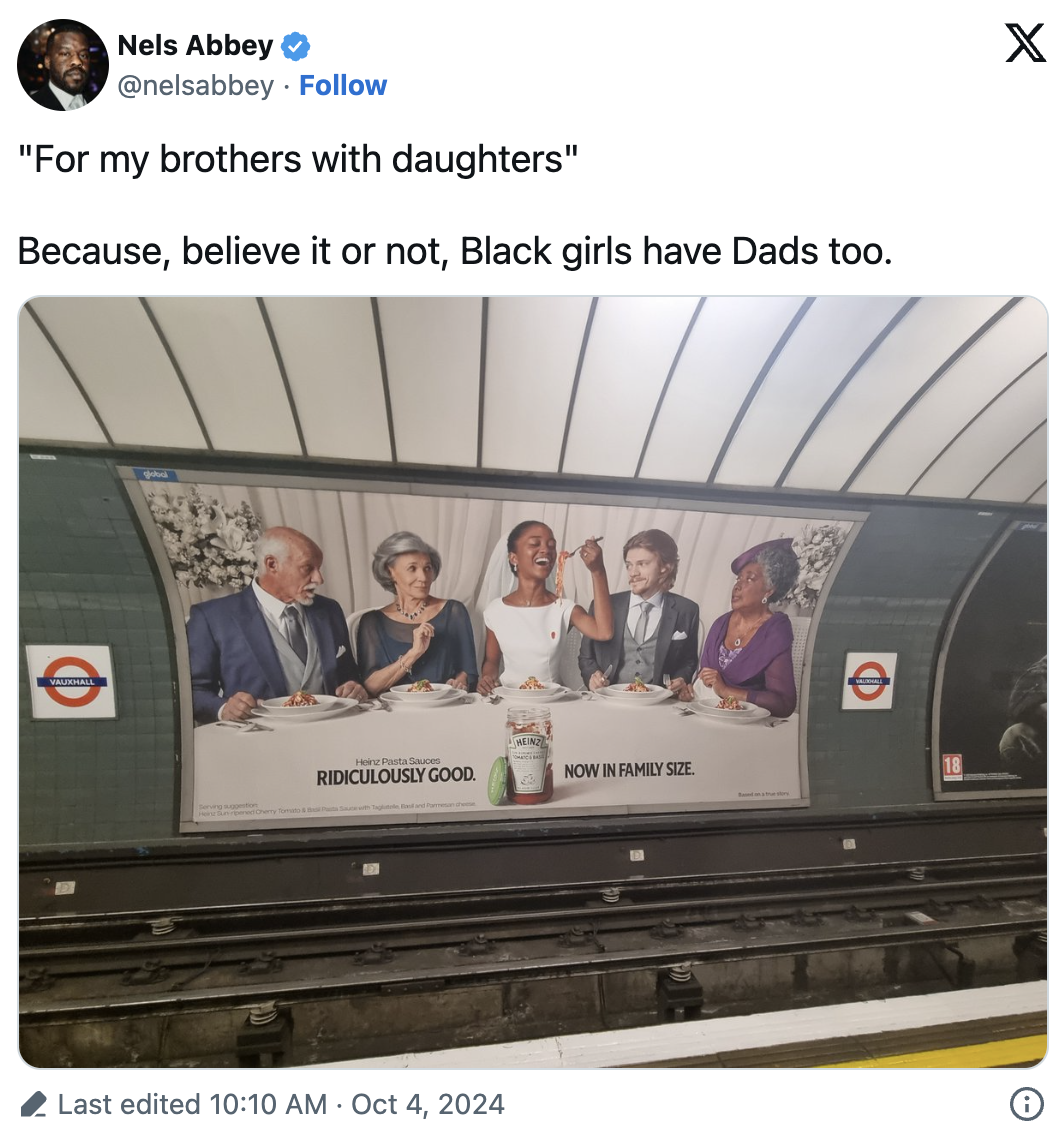
Social media users criticized the advert for “erasing” black fathers | The Guardian
Take the Heinz pasta sauce billboard, for example. They thought they were selling family-sized sauce to celebrate modern family dynamics but sparked outrage online for perpetuating stereotypes, while simultaneously down the pond ‘Heniz Smiles’ another advert, some were calling it “borderline Blackface.”
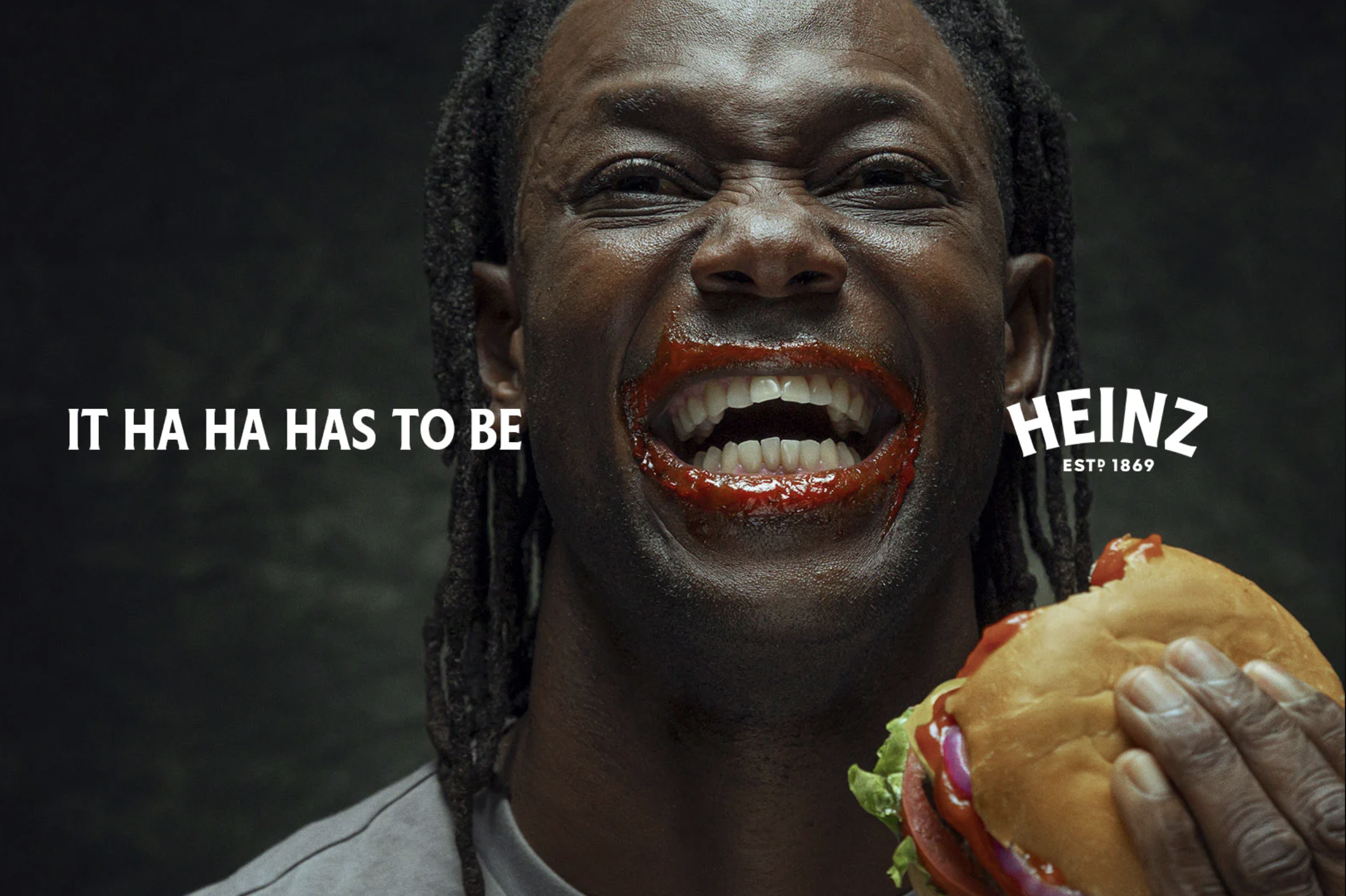
Heinz apologizes and pulls ad with imagery reminiscent of blackface | Ad Age
One billboard, and suddenly, we’re spiraling into a full-blown culture war about pasta. This is how America works: the Black & White, all-or-nothing lens kicks in, and we’re either in the realm of “innocent marketing” or “offensive racial caricature.”
No room for thoughtful discussion, just outrage or defence.
Then, there’s Donald Trump, who can’t seem to deliver a speech without using a city as his political punching bag. He declared that if Big VP Kamala Harris becomes president, the "whole country will end up like Detroit." Ah, yes—the classic scare tactic of associating Black leadership with urban decay. The irony? Detroit has seen significant revival, but Trump's comment shows how deeply ingrained this false narrative is: Detroit equals failure, especially when led by a Black politician.
There’s no middle ground—just an all-out spiral into doom if the "wrong" person takes the wheel. Whadupdoe?!
In these examples, Heinz’s ads and Trump’s rhetoric are only symptoms that feed into a larger issue: the American lens is reductive, oversimplified, and can’t handle complexity. It’s all either/or, Black or White. Americans are so deeply entrenched in this binary worldview that they can’t see the nuances of the real world. It’s not just a forest—they see the flames, fueling fear where there could be understanding.
There needs to be some sort of guide for us (including our American sibling) to navigate these counterintuitive dynamics of identity, race, and culture. I think I have just the resource…
The CDC Guidelines for How to Navigate the American Experience
Issued by: Cultural Disease Control (CDC)
1. Symptoms of Americanism
Watch for signs of the following:
Extreme Patriotism: Think giant flags, military flyovers at football games, and the intense belief that America invented everything from freedom to Basketball (they didn’t). Expect to hear “We’re #1!” on a regular basis, despite glaring evidence to the contrary. And if you want to see case studies, watch 90 Day Fiance, The Other Way.
Individualism Fever: The “I did it all by myself” self-made syndrome completely ignores centuries of systemic inequality, inherited wealth, and privilege. But hey, self-made Kardashians are the new American fairytales.
Gun Culture Obsession: You might think it's wild that people carry weapons casually, and a politicians' solution to minimize school shootings is to arm teachers, but in America, it’s as normal as ordering a venti soy latte. You’ll find out fast that debating gun control is like shouting into a tornado.
2. Transmission of Coded Language
Key Phrases You Might Encounter:
“Good Neighborhood” / “Bad Neighborhood”: You might think this is about crime rates or safety. Nope. It’s a subtle cue for racial and economic segregation. Translation: “Good” means predominantly caucasian and expensive, while “bad” means where everyone else lives.
“Urban”: Congratulations! You've stumbled upon the safest racial euphemism in America—add newly included entries “woke” and “DEI.” It's code for anything associated with Black culture, but don’t worry—it’s used liberally (pun intended).
“Melting Pot” Myth: America likes to claim everyone is welcome to the land of freedom, but let’s be honest, some folks melt a lot easier than others. Spoiler: The “pot” often melts certain cultures away, leaving you with something a lot less flavorful.
3. Quarantine Zones
Protecting Yourself from Cultural Shocks:
Media Bubbles: It's best to choose a channel and stick to it—either swim in the Fox News or MSNBC pool but never both at once. Jumping between them may cause dizziness, whiplash, and a complete loss of reality.
Gentrification Spread: Keep an eye out for avocado toast and overpriced coffee shops popping up in “up-and-coming” areas (translation: poor neighborhoods being devoured by rich hipsters). Warning: Side effects include rising rent and the erasure of local culture.
4. Safety Guidelines
How to Interact with Authorities and the Public:
Dealing with Law Enforcement: Best advice? Know your rights—but also know that rights are sometimes, um, “flexible” depending on your skin color. It’s a choose-your-own-adventure game, but the stakes are life and death.
Understanding Race Relations: America believe it’s post-racial “We had a Black president—we’re progressive,” but only in God we trust. The country’s Black and White lenses has permanent tunnel vision. Don’t be fooled—in 2024, we’re still counting firsts, i.e. “The first Black _______” insert profession or achievement here.
5. Avoid Exposure to Toxic Ideologies
Be on the lookout for the following hazards:
The American Dream Virus: While America loves to tell you that anyone can make it big, the ladder to success is often missing a few rungs for certain folks. Even though many Americans themselves can’t expat their way out of there fast enough, the dream’s shiny allure is strong—just pull yourself up by your bootstraps!
Political Polarization: Here, politics is more than just policy—it’s identity. Liberal or Conservative. Democratic or Rebpulican. Choose quickly, and in the words of our sovereign advisor, Tiffany “New York” Pollard, “Do you know you have 30 minutes?” Spoiler: Your values, beliefs, and even moral standing are on the line.
6. Localized Variants
Regional Precautions to Take Depending on Your Location:
California & New York: Bright lights, big city dreams, and rent prices that would make you wanna weep. But hey, you’ll probably get 10k Instagram followers just by living there. Welcome to hustle culture, friend.
The South: Y’all might think you’ve travelled back in time with all the Confederate nostalgia, but it’s not a theme park—it’s very real. Proceed with caution when driving through “sundown towns” that signal deeper racial divides.
The Midwest: The “heartland” has the Clark Kent small-town charm you’ve seen in movies, but don’t expect too much diversity there. It’s all cornfields, casseroles, and conservatives. But they are very polite about it.
Final Warning: Why the World Can't Quit America
Despite the hot mess, the global obsession with America is powerful. Why?
Hollywood and Celebrity Culture: Let’s face it—America has the glitz. The rest of the world can’t resist the Kardashians, the Marvel Cinematic Universe, and Taylor Swift. America is the cultural blockbuster everyone wants a ticket to.
Marketing Magic: America is the king of selling dreams. The idea that you could make it here (even if you struggle) is enough to get people on a boat. It’s the most effective marketing campaign in human history—and more addictive than TikTok.
Tech, Trends, and Twitter (X) Wars: Whether you’re on Instagram, Twitter (X), or TikTok, American culture shapes global conversations. It’s a hella American digital world, and we’re all just co-existing in it.
Your experience will vary dramatically depending on race, location, and socio-economic status. Proceed with caution.
Signed your friendly northern American,
Don’t Believe the Hype.
THE GREATEST MARKETING CAMPAIGN to ever exist: make the general population believe skin color is tied to the content of one’s character. Click for the playbook.
Racist as F*ck: A convicted felon running for president. My pitch for a Black Mirror episode →
👋🏾 Soooo…collective illusion is public enemy number one—Don’t Believe The Hype. Every week, we’ll say the quiet parts out loud (in your inbox). So we can cancel or co-sign marketing or market trends and discern pop culture gems from flops together. And start making sense of the nonsense online.

Hella Open: Back-to-the-Future, quantum leap your life with ChatGPT, a mini cours
Move at your own speed—quantum leap or quantum crawl, just don’t quantum stop.
It’s all the buzz online…or maybe just heavy on my TikTok for-you-page that I built brick-by-brick — we’re manifesting our future selves with quantum leaps, my friend!
Exhibit A: “Using ChatGPT to manifest my dream life”
Ever feel like your dreams are just out of reach? Join the online club! But what if I told you there’s a mini-course on how to quantum leap into your dream life faster than you can say “Very demure”?
We’re cracking open ChatGPT and leveraging the illusions it creates as more than just an AI assistant—but as your bestie, therapist, and career consultant rolled into one.
As one viewer put it, “ChatGPT is literally my therapist and mentor,” while another, “I use it for ALL life advice.”
People are discovering that good prompts are just about asking the right questions, which can lead to eye-opening, life-changing insights. Whether it’s leveraging your birth chart for career guidance, brainstorming daily affirmations, or even crafting a 5-year plan, the possibilities are hella open.
So I created what I think the course would be if anyone wants to kick the tires on this thing. Here’s what I’m calling it…
“Back-to-the-Future: Quantum Leap Your Life with ChatGPT”

Photo Credit: motorbiscuit
Instructor: Ms. Cooper
Course Duration: Hella open, but let’s just say 6 Weeks.
Format: Self-paced, and also learn as you go—leap as you grow.
Course Overview:
In this course, you’ll learn how to be "hella open"—not in a deep, mystical way, but in an “I’m done waiting for my future self to show up, and I’m ready to teleport there faster than Marty McFly kind of way.” We’ll leverage ChatGPT to make quantum leaps in your life—skipping those exhaustive baby steps and, instead, strapping up in a ‘Back to the Future’ DeLorean for your goals and mindset shifts.
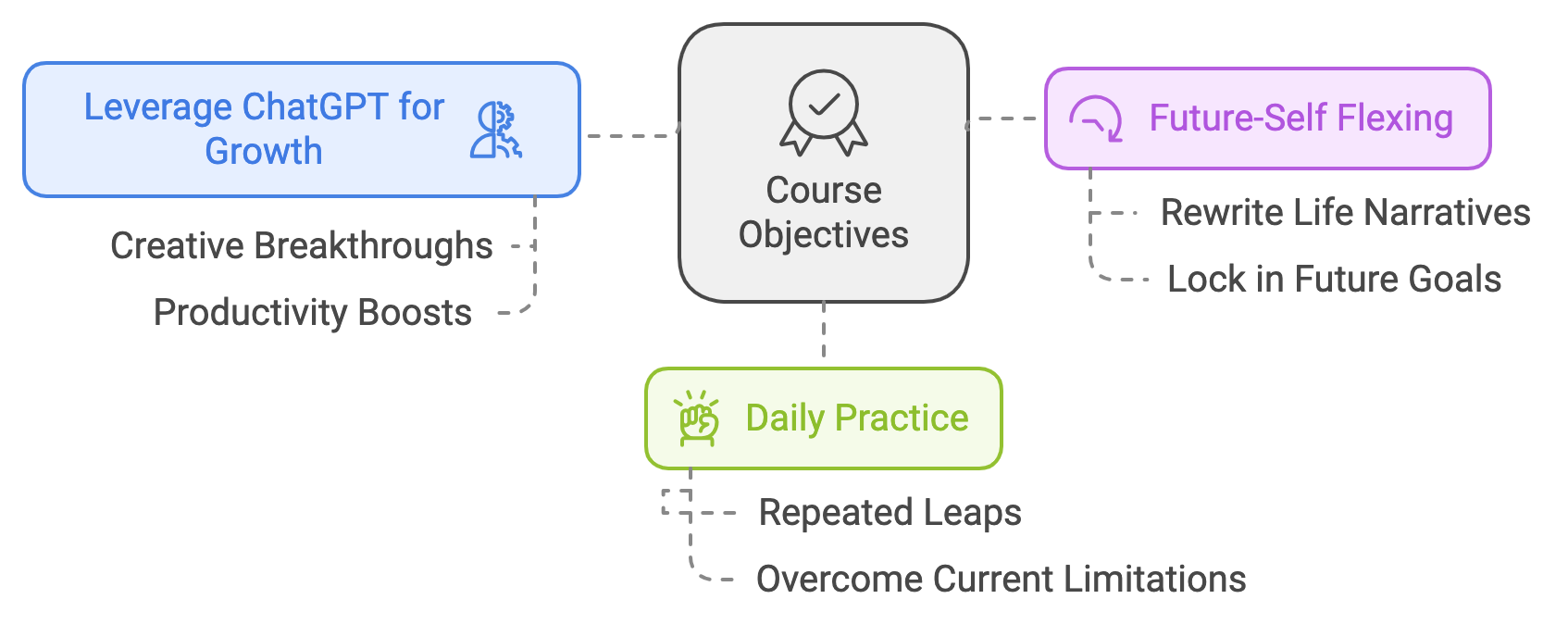
Course Objectives:
By the end of this course, you will:
Understand how ChatGPT can be your secret weapon for rapid growth (creative breakthroughs and productivity)—faster than you can say "self-help book."
Master the art of future-self flexing: leveraging ChatGPT to re-write your ho-hum life into amazing-YOU and all your achievements before you even get out of bed.
Develop a daily practice that’ll have you making leaps big enough to scare your current self.
Course Structure:
Week 1: Introduction to Quantum Leaping & ChatGPT
Topics:
What is Quantum Leaping? (Hint: It’s not just a sci-fi plot twist)
Overview of ChatGPT: a.k.a, your new BFF (Best Future Facilitator)
Embracing the "Hella Open" mindset—basically, letting go of “playing small.”
Assignment:
Take inventory of your goals and dreams, tell ChatGPT them, and then ask it to write as if you’ve already crushed them. Think of it as scripting your own superhero origin story (i.e. “Write as if I have already achieved…”).

Week 2: Professional Growth - Skipping Steps
Topics:
Skill Development: Forget the years-long of “paying your dues” nonsense.
How ChatGPT can simulate career mentorship: Think of it as a career coach without the hourly fee.
Assignment:
Pick a professional challenge—ask ChatGPT to brainstorm how to tackle it. Think of it as your own brainstorming buddy who won’t roll their eyes when you suggest your wild ideas. *Bonus points if you upload your birth chart to the chat and identify your astrological strengths.

Week 3: Personal Breakthroughs - Rewiring Limiting Beliefs
Topics:
Why your brain loves staying in its comfort zone—and how to make it panic a little (in a good way).
Future-self letters: Dear Current Me, I’m rich, happy, and definitely over my ex.
Assignment:
Write a letter from your future self detailing how you left your fears in the dust. Let ChatGPT turn your self-doubt into a joke from the past. And always say Thank you!

Week 4: Creative Projects & Productivity - Amplify Your Imagination
Topics:
Overcoming Creative Blocks: It’s not “writer’s block,” it’s just an overly dramatic millennial pause.
How to delegate your busywork to ChatGPT while you take all the credit (you’re welcome).
Assignment:
Pick a creative project you’ve been putting off. Ask ChatGPT for a list of ideas or an outline to get the ball rolling. Implement at least one productivity hack. Only rule: at least one creative project has to be “ridiculously unrealistic”—because, why not?

Week 5: Becoming Your Future Self - The Visualization Technique
Topics:
Visualizing success: Think less “meditating under a waterfall” and more “winning your own version of the lottery.”
ChatGPT as your personal manifestation tool: because if the law of attraction had a keyboard, it would be this.
Assignment:
Spend 10 minutes each day imagining you’ve already made it BIG! Use ChatGPT to write daily journal entries about your new fancy life. Reflect on that reality and the steps. Remember: de lulu is the way for it to be true-true.

Week 6: Integrating & Sustaining Your Leap
Topics:
Daily habits for repeat quantum leaps (spoiler: it’s not drinking a gallon of celery juice).
Pulling it all together: mindset, skills, creativity, and leverage…if ChatGPT were a superpower, this is where you learn how to finesse it.
Assignment:
Create your personalized "Quantum Leap Playbook" with ChatGPT. Add things like daily routines, action steps, and any hacks that’ll keep you feeling like you’ve got the cheat codes to life (think, Mastery by Robert Greene but laser-beamed on you).
Required Materials:
Access to ChatGPT: Obviously.
Journal: Any journal will do, but if it looks fancy, it might make you feel fancy. What Would Future You Do (WWFYD)?
Evaluation:
Participation: Completing weekly assignments (50%). Don't worry, no pop quizzes here.
Final Project: Submission of your "Quantum Leap Playbook" (50%). This is where your future-self flexes.
Grading Criteria:
Clarity of Vision: Are you dreaming big enough, or do you need a bigger leap?
Engagement with ChatGPT: Did you make the AI work for you, or did it out work you?
Consistency: It’s not about perfection, but if you ghost on your future self, you’re no better than recruiters.
Course Policies:
Self-Paced: Move at your own speed—quantum leap or quantum crawl, just don’t quantum stop.
Accountability Partners (Optional): Return to this post, exchange future-self letters and flex on us in the comment section.
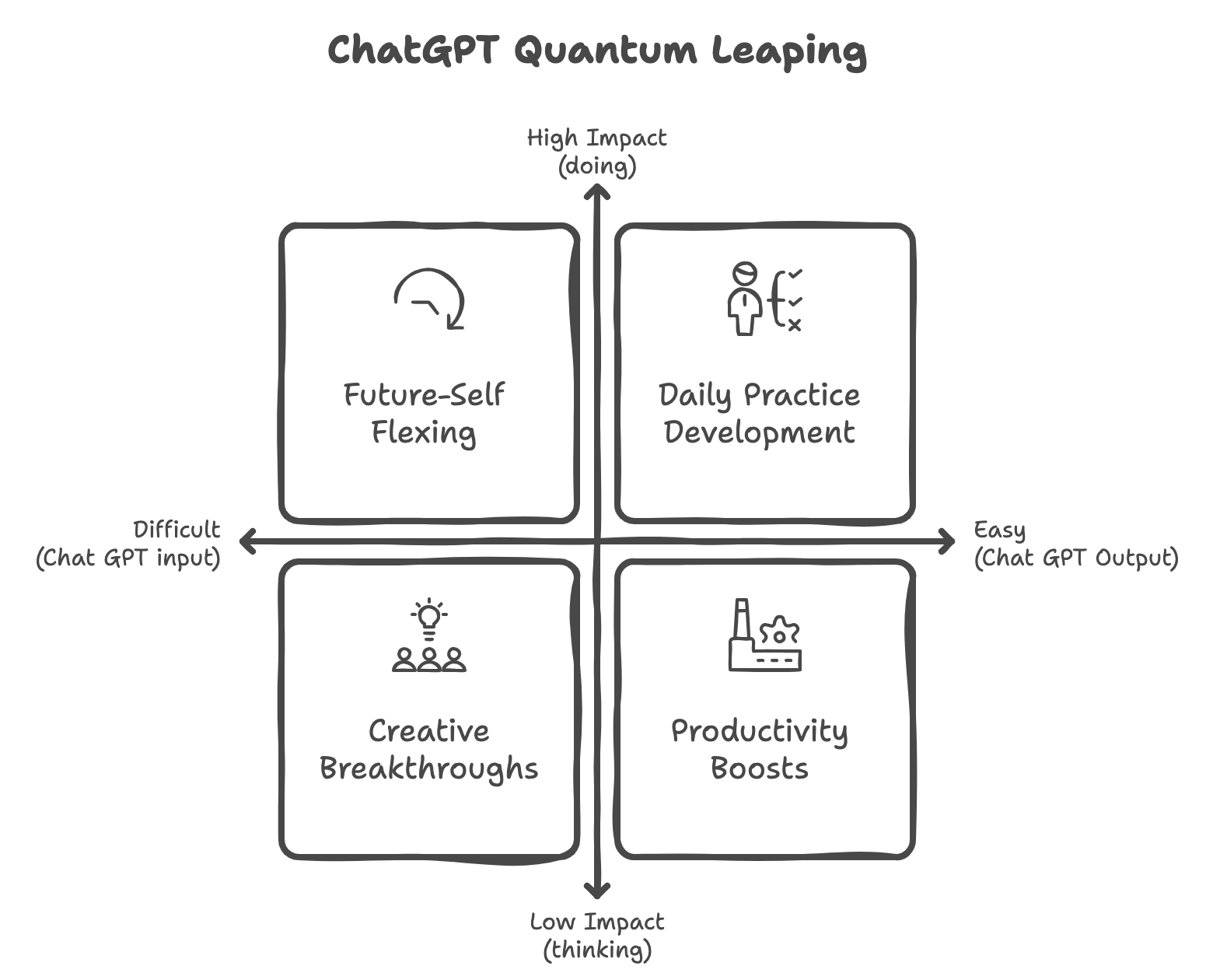
Your dream life is waiting for you to make the first move!
Disclaimer: AI can sometimes say the wrong thing, get stuff mixed up, or just flat out create illusions. It can give you legal, financial, or worldly advice, however, please don’t make life decisions based solely on what it says—do your own independent research despite how good it may sound (in other words, use responsibly and leverage this tool).
👋🏾 Soooo…collective illusion is public enemy number one—Don’t Believe The Hype. Every week, we’ll say the quiet parts out loud (in your inbox). So we can cancel or co-sign marketing or market trends and discern pop culture gems from flops together. And start making sense of the nonsense online.