

Built to outlive the sun: why Tupperware lost its regulars and Erykah Badu kept hers
Your customers loved what they bought. So why haven’t they come back? A neo-soul icon and a bankrupt container company make the case, with one thing to try this week.
[ short answer ]
Why don't my customers come back?
Usually because nothing gives them a reason to return. Tupperware's containers lasted decades, yet the company filed for bankruptcy in 2024 after relying on home parties while buyers moved online. A great product earns the first sale. Repeat customers come back for something new, tested with a few regulars and offered next to the classics they already love, in the places they now shop.
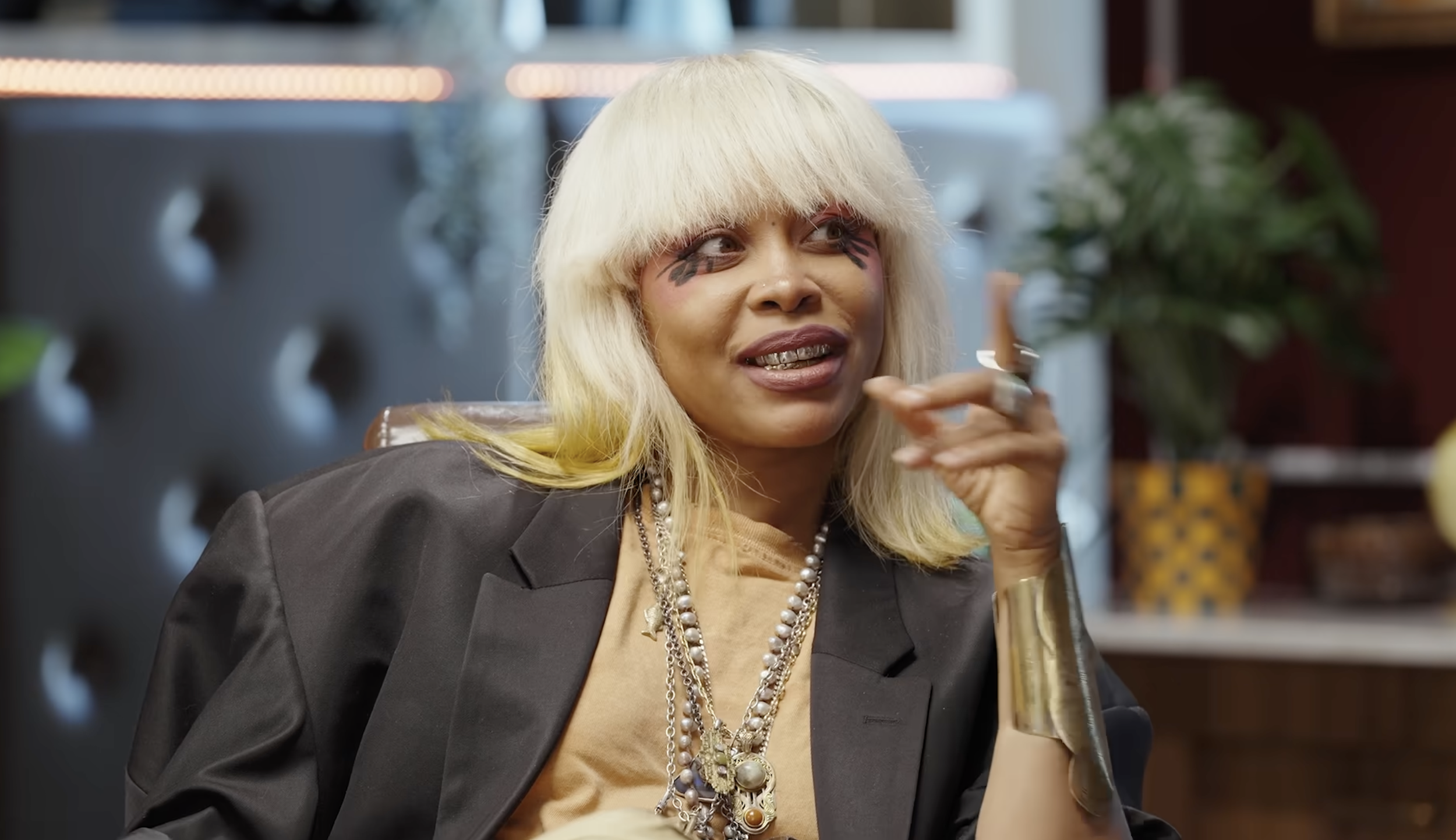
Erykah Badu compared her career to Tupperware, and I can't shake it.
On a recent episode of The Shop, Scott Evans asked her how she judges a show when the crowd knows every word of the old songs and barely any of the new ones. She answered with a business history lesson. Tupperware, she said, made its containers so well that customers never had to come back, so the company went under. Then she pointed the comparison at herself: it's a challenge to play new music for an audience who's come to get Tupperware.
Erykah Badu on The Shop. Watch the full moment on YouTube.
That's a woman with nothing left to prove. Most owners only say this to their dishwasher. The thing people love you for can become the reason they never buy anything else from you.
Before the new album came out, Badu and The Alchemist tested the songs live in small, phone-free rooms. On the same episode, The Alchemist said he'd tried to talk her into slipping the classics into those shows. Her answer, in short: follow my lead.
He followed. Before the World Blows came out on August 28, 2026. And on this fall's tour, the new songs shared the stage with the classics people bought tickets for. "On & On" and "Appletree" sat on the same setlist as the album she'd fought for.
She didn't abandon the regulars. She tested the new material in rooms small enough to tell her whether it worked, then brought it to the people who came for the hits.
The part where everyone blames the containers: why customers stop coming back

Source: Voice of America
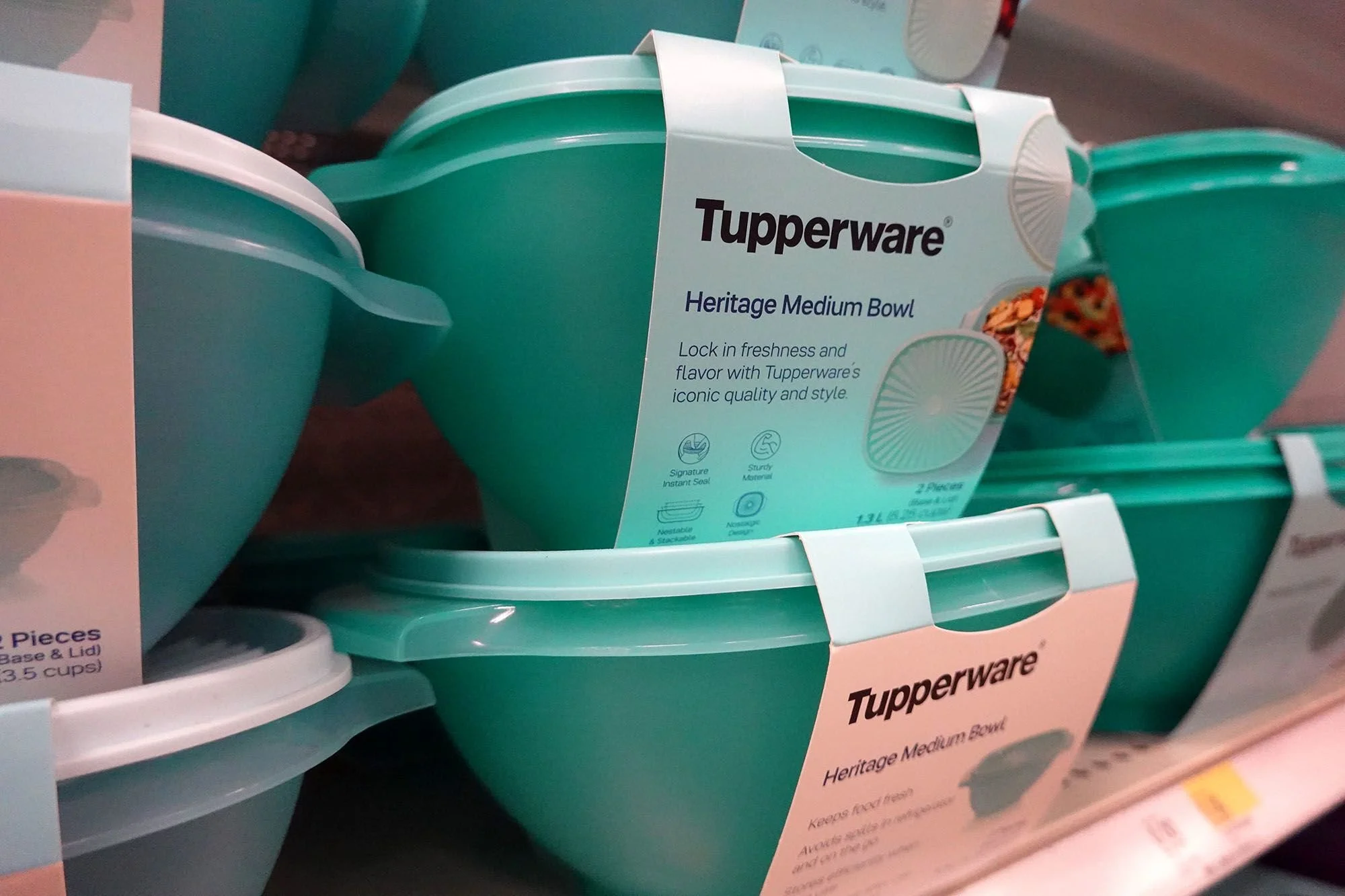
Those containers were built to outlive us, and a lifetime warranty meant even a broken one got replaced for free. (The lids, admittedly, vanished into another dimension within a week. Different issue.)
So Badu's theory is sound. It's the version that went around when Tupperware filed for bankruptcy in September 2024, as people posted containers from the 1970s that still sealed and asked why they'd ever buy more.
The filings fill in the rest. Tupperware told the court its home-party model had turned from a strength into a weakness, partly because it came at the cost of selling online. Its restructuring officer admitted almost everyone knew the brand, but fewer people knew where to buy it. Add climbing costs for resin, labour and freight, and $812 million in debt.
The product held up. The system around it didn't.
I bring this up because small business owners make Badu's diagnosis about themselves all the time. Ask a room of owners how to get first-time customers to come back, and the top answer in an r/smallbusiness thread sums it up: just provide an excellent service and product.
Lovely advice. It was also Tupperware's entire business plan.
When regulars drift, the work is rarely the culprit. Watch what happens after the sale instead: whether they have a reason to return, a route back to you, and a way to see why you're worth the price.
Three counts against your comeback (you'll recognize at least one)
How often do we blame a stalled business on one thing? When really, we could build a RICO case.
Count 1: You're too reliable to come back to
The better your work holds up, the less reason anyone has to think about you again. Badu said Tupperware made smaller containers and other new products, and people still didn't need them. A product that lasts forever answers the customer's question once, then goes quiet.
So bake the next reason into the first sale. A check-in date, a refill, an upgrade, the thing that naturally comes after the thing they bought. Badu's version is new material, even when the room squirms.
Try this: what does your best customer need from you six months after they fell in love with what they bought? If the honest answer is nothing, you've built a very nice container.
Source: CNN
Count 2: You're in the wrong room
Tupperware kept throwing home parties after its buyers moved online. Most businesses have a home party of their own: the place they keep showing up because it used to work.
Maybe it's the newsletter, that weekly letter landing in an inbox between a shipping notice and a password reset. Maybe it's a group, a fair, or a feed your regulars stopped scrolling. Trace where your last five repeat customers actually heard from you before they came back. If the answer is a room you've stopped paying attention to, start there.
Badu picked her rooms on purpose. Small and phone-free for the experiments, big stages for the tour. Choosing the room was part of the plan.
Count 3: Nobody can see the difference
Tupperware charged premium prices with cheaper containers one click away. A premium price only works when buyers can tell why. If your best work is invisible, you look like the cheaper option too.
The fix is to make the difference easy to say out loud. Ask your regulars what they'd tell a friend about you, and borrow their words for your website, your follow-up and the review requests you send. Badu's setlist works the same way. Next to the classics, the new songs have something to be measured against.
The verdict, tested on my own clients first
Badu's playbook has three moves. Test the new thing somewhere small. Hold your nerve when a smart collaborator asks for the safe hits. Then serve the tested new thing next to the classics.
Your classics bring regulars back once. A new thing, tested small and served beside the classics, gives them a reason to come back again.
That playbook belongs to Badu, though, and it won't fit you exactly.
When I ran my copywriting business, every client who finished a project with me went into a follow-up sequence. At one month, I checked in. At three months, I asked if anything had broken. At six, whether there was a next project. At a year, whether they'd thought about the next tier (usually speaking, which meant they'd need words for it). I stayed two or three steps ahead of what they'd need as they grew.
I've built a growth playbook from scratch at every company I've worked in. Some pieces survive every rebuild, and giving customers a reason to return before they need one is among them. The rest gets built from what your own regulars actually do.
Your move this week, before you close this tab
Write down your classics: the two or three things your regulars come back for.
Pick one new thing you've been sitting on.
Put it in front of five regulars, next to a classic, in person or in a direct message. Note who comes back for which.
Five regulars is a small room. Small enough to hear the squirm. Small enough to fix it before the big room. Small enough to do this week.
This is the part of the post where I mention I do this for a living. I do. If you'd like a second pair of eyes on what brings your regulars back, and what's quietly keeping them away, call RESONĀTE.

You’re 10,000 hours into your craft and it takes you 10,000 words to explain it
For five years, people heard “copyright-er” when I said copywriter. Why expertise makes you hard to explain, and the one question that gets your regulars to explain you instead.
[ short answer ]
How do you explain what you do so customers can repeat it?
Name a problem you solve for people you know well, and skip the job title. Expertise works against you: in Elizabeth Newton's 1990 study, people tapping well-known songs on a table expected listeners to name half; listeners named 3 of 120. Customers hear the knocks without the tune. If they can't repeat what you do, they can't refer you, so ask three regulars how they'd describe you.
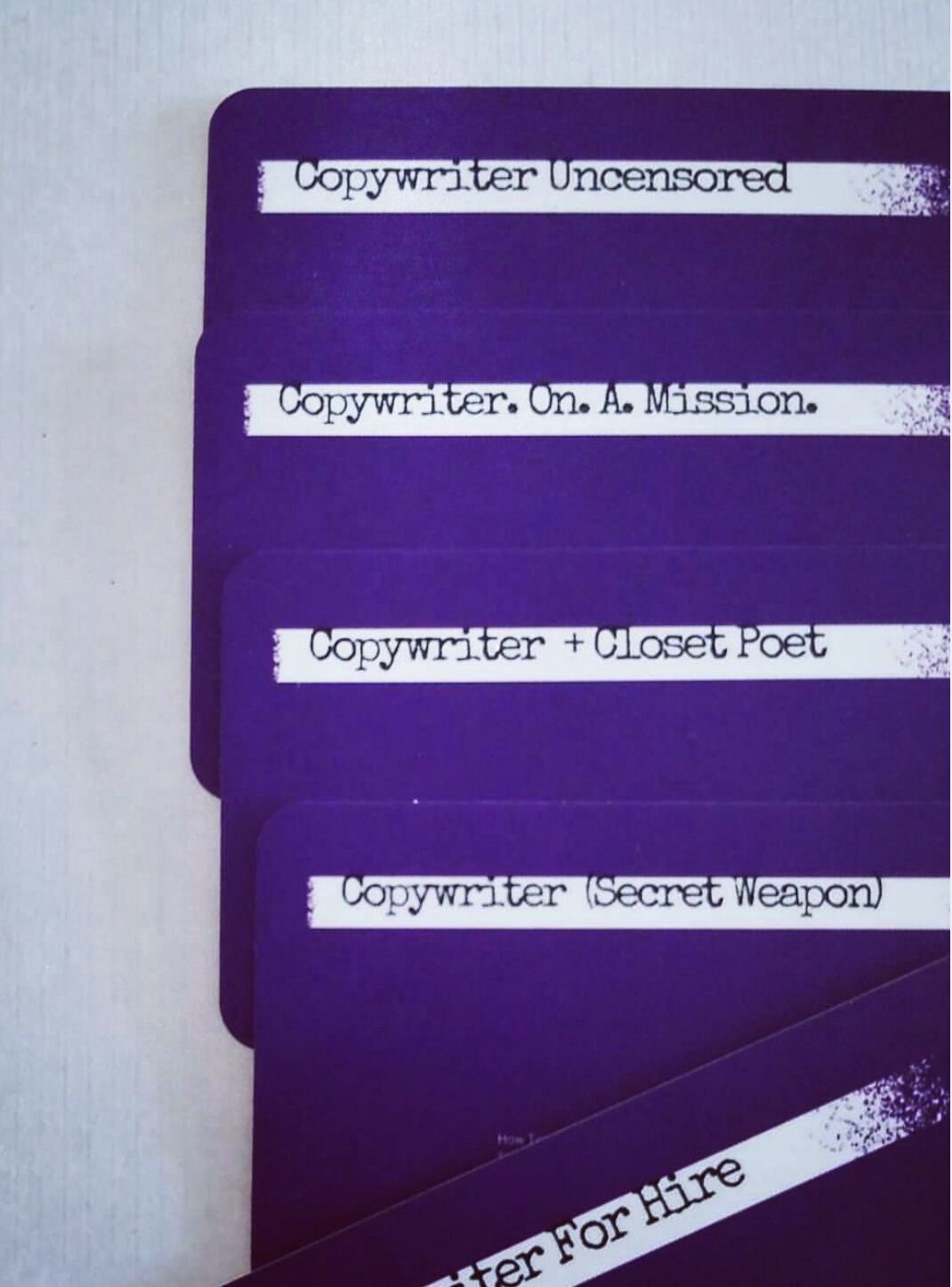
The business card that launched a thousand trademark questions.
For five years, I introduced myself as a copywriter.
And for every. one. of. those. five. years. people heard “copyright-er.”
They thought I had the legal authority to protect their intellectual property. I did not. I had a laptop and strong opinions about email subject lines.
Most of those introductions happened at networking events, back when I was building my client list. You know the room. Name tags, business cards, and nobody there to connect. Everyone was a pigeon, dropping business cards on anyone who stood still long enough.
I’d say “copywriter” and watch the other person’s face do what yours does when you reach out to shake someone’s hand and they offer you a fist bump. Complete discombobulation.
The irony stung. I was speaking to coaches, nonprofits and startups about how to write their LinkedIn headlines and About sections. On stage, I taught introductions for a living. In the hallway, I fumbled my own.
So I built a one-liner: I help people put their passion on the page. Then a plainer one, for the faces that stayed blank: I’m the salesperson on your website and your social media.
My marketing colleagues got it. Barely. Everyone outside marketing did not, and that was about 99.978% of my clients.
I spent years blaming their vocabulary before I admitted the translation job was mine.
The better you get at the work, the more translating your customers need
In 1990, a Stanford graduate student named Elizabeth Newton sat people down in pairs. One person rapped their knuckles on a table to the rhythm of a song everybody knows, like "Happy Birthday". No humming, no words, just knuckles on wood. The other person had to name the tune. Before they started, the tappers guessed their partners would get it about half the time. Out of 120 songs, the listeners got 3.
Here's why. While the tapper knocks, the whole song plays in her head, melody and words landing right on cue with every rap. The listener gets none of that. Just a string of knocks with no tune to hang them on. The tappers couldn't believe how hard their partners were struggling with something so obvious. Economists had already named this "the curse of knowledge", and Chip and Dan Heath made it famous in Made to Stick. Once you know something, you can't un-know it, so you overestimate how easily anyone else can follow along.
Anyone who opens with a job title is tapping “Happy Birthday” on a table. You hear the whole song: the research, the positioning, the subject-line testing. They hear knock, knock, knock. And possibly an IP lawyer.
Expertise makes you fluent in a language your customers don’t speak. Ten thousand hours into a craft, it can take you ten thousand words to explain it.
You’re tapping too
If you run a business, you’re doing it right now.
Specialists talk the way their peers talk. The bookkeeper offers “monthly reconciliation” to someone who just wants to stop dreading tax season. The IT consultant pitches “managed endpoint protection” to an office manager who wants the laptops to stop catching viruses.
The owners I work with now are seriously good at what they do. They know their stuff. By rights, they should have a waitlist. They don’t, and it drives them up the wall, because the customers who love them can’t say why.
That’s where it starts costing you. Picture your happiest customer at dinner. A friend asks who does their books. They say, “Oh, she’s great, she does the… numbers stuff.” The friend nods, and later books someone with a clearer sentence.
If your customers can’t repeat what you do, they can’t refer you.
The intro everyone sends
A friend asked me recently why their freelance outreach wasn’t landing the way it used to. They opened with their title, their years of experience and their biggest client. Mine opened the exact same way in 2016.
Title, tenure, logo: a résumé shrunk to fit a DM. It’s three facts about you, sent to a stranger who hasn’t yet decided to care. Those networking rooms were wall to wall with them.
It worked better before every browser tab came with a free paragraph generator. Today the title tells people even less than it used to.
The sentence you’re actually trying to earn
The reaction you want is “Oh my God, that’s me. That’s what I’m struggling with. I need you.” Nobody has ever said that about a job title.

“Hu Dis?” by Courage for Disney+ Canada, 2026. Image via Famous Campaigns.
You get there by naming a problem you solve, or a change you make, for people you know really, really well. Say the WHAT, and the WHO you do it for:
→ The conversion copywriter: “I rewrite the checkout pages for online course creators, so the people who click Buy actually pay.”
→ The creative copywriter: “I write ad campaigns people screenshot to the group chat.” (See: Toronto agency Courage’s “Hu Dis?” billboards for Disney+ Canada, which spliced Hulu’s green “Hu” onto Disney’s script “Dis”. Group-chat royalty.)
Cover the labels and read those lines again. You still know exactly who to hire.
The fear nobody says out loud: if I say who I’m for, everyone else stops calling. They weren’t calling anyway. A generalist intro is a door held open for everyone, and the hallway stays empty. In 1975, psychologist Stephen Worchel and his colleagues offered people chocolate chip cookies from a jar holding ten or a jar holding two. Same cookies. The people facing the nearly empty jar rated theirs as more desirable. People stretch harder for what looks a little out of reach.
Before Friday
This week, ask three regulars one question: “If a friend asked what I do, what would you tell them?”
Write down their exact words, mumbles and all. Whatever they say is the sentence already travelling around town without you. If it beats the one on your website, swap it in. If they hesitate, you’ve found the gap, and now you know what to write.
Somewhere tonight, a customer is describing you in four mumbled words and a hand gesture. I turn that into a sentence they can repeat, so it brings business back to you.