

17 Lead Magnets That Prove You Don't Need Tricks to Grow Your Email List
Seventeen lead magnet ideas for small businesses, split in two: the ones that earn the email address, and the ones that bring a one-time customer back.
Updated November 2026

Years ago, during Buffer's weekly Twitter chat (do you remember that? Do you remember when X was called Twitter?), they tweeted a chance to win free swag as a thank-you. I gladly obliged, and 3 weeks later I got a handwritten note and branded stickers in the mail.
Who does snail mail anymore? No one.
Quickly. Name one free PDF you downloaded this year. Now name the last business that sent you something after you paid. You remember the one that thanked you, amirite?!
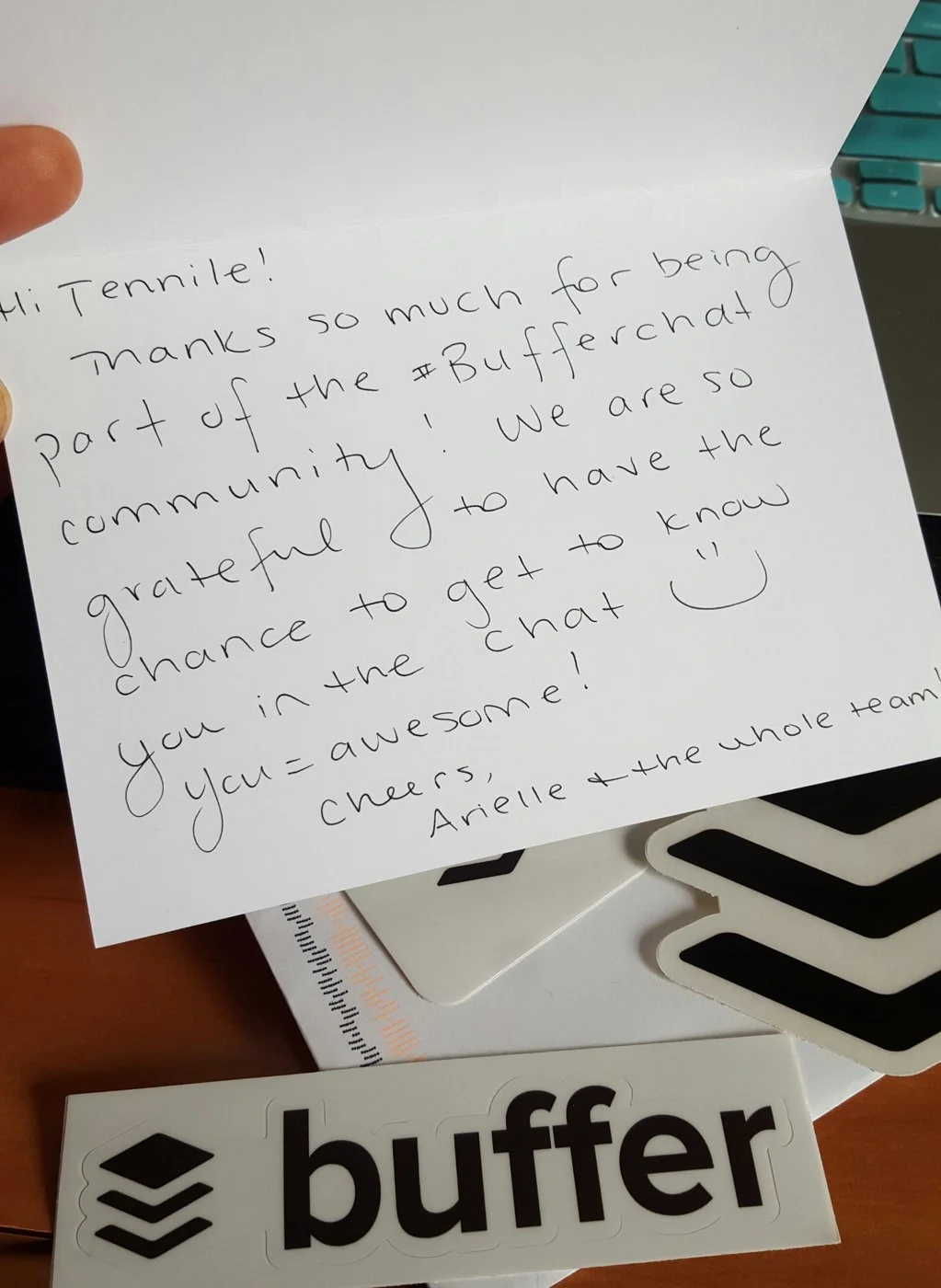
Source: me
There is always some new magic trick on the scene that is supposed to help explode your list-building growth and skyrocket your sales, right? (They even use those exact words too.) From exit pop-ups to a bar that follows you as you scroll the page, and the ongoing debate of a one-click button over forms to fill.
But there is one cold, hard truth that remains. It doesn't matter how sexy you dress up your stuff, or what nip, tuck and stunt you pull to grab eyeballs. Valuable content trumps anything fancy you could ever slip on.
Don't get me wrong. These tactics work… but only when combined with painkiller solutions. The real magic is the unglamorous part: intention, and enough customer research to know which rut your customer would happily trade an email address to get out of.
So here are 17 lead magnet ideas for small businesses that prove the best strategies don't include hocus pocus:
Act 1 earns you the email address and the first sale.
Act 2 earns you the second visit, the repeat order, the regular.
If the term is new: a lead magnet is a small, useful thing you hand over in exchange for permission to land in someone's inbox. A checklist. A quiz. A first-visit offer. Hold on to the word permission. We'll need it later.
How to pick the best lead magnet
Run every idea through three tests before you build it.
It answers a question your customers already ask, in their words. The ones you hear at the counter, in your DMs, in your reviews. If seven people asked it, it's a lead magnet.
It's usable in one sitting. A one-page checklist gets used. A 50-page ebook gets saved to a folder called "Read later".
It points at what you sell. A free colouring page from a plumber is adorable. It books zero drain cleanings.
Act 1: lead magnet ideas that win the first sale
1) A checklist or cheat sheet
One of the easiest lead magnets to create, but you have to make it worthwhile for them to give up the email address. What do you explain so often, you could write the manuscript? Put it on one page: what to bring, what to ask, what to check before they buy. It saves them the overwhelm and saves you from repeating yourself. Best for: any business whose new customers make the same mistake before they find you.
2) A short email course
What have you learned that you can teach? You have 3 clever options: video, audio or email. Drip it out over a week or hand it over all at once. Psst. Word on the street is busy entrepreneurs like it all at once, and when it's a threesome. Best for: businesses where people need to understand the craft before they trust the price.
3) An email challenge
Speaking of challenges… people love a good challenge. What can you teach that's actionable in 3, 5 or 7 days, tops? One small task a day, sent by email. Best for: anything people get better at with practice.
4) A quiz
These are fun. As a kid, I was OBSESSED with getting to know more about me. Who isn't a little narcissistic?? A handful of questions, with the result sent by email. Use a quiz tool that connects to your email platform, so every result lands on a list you own. Best for: businesses with several services or products, where "which one is right for me?" is the question you answer most.
Here's mine: 50 First Bookings, a five-question pulse check on where repeat visits slip away, built with Claude design and connected to Kit. Answer five questions, and you get the dollar figure sitting in your client list, your stuck point and one thing to try this week. The full plan comes by email, and the sign-up box asks before it adds anyone to the newsletter. (Permission, remember?)
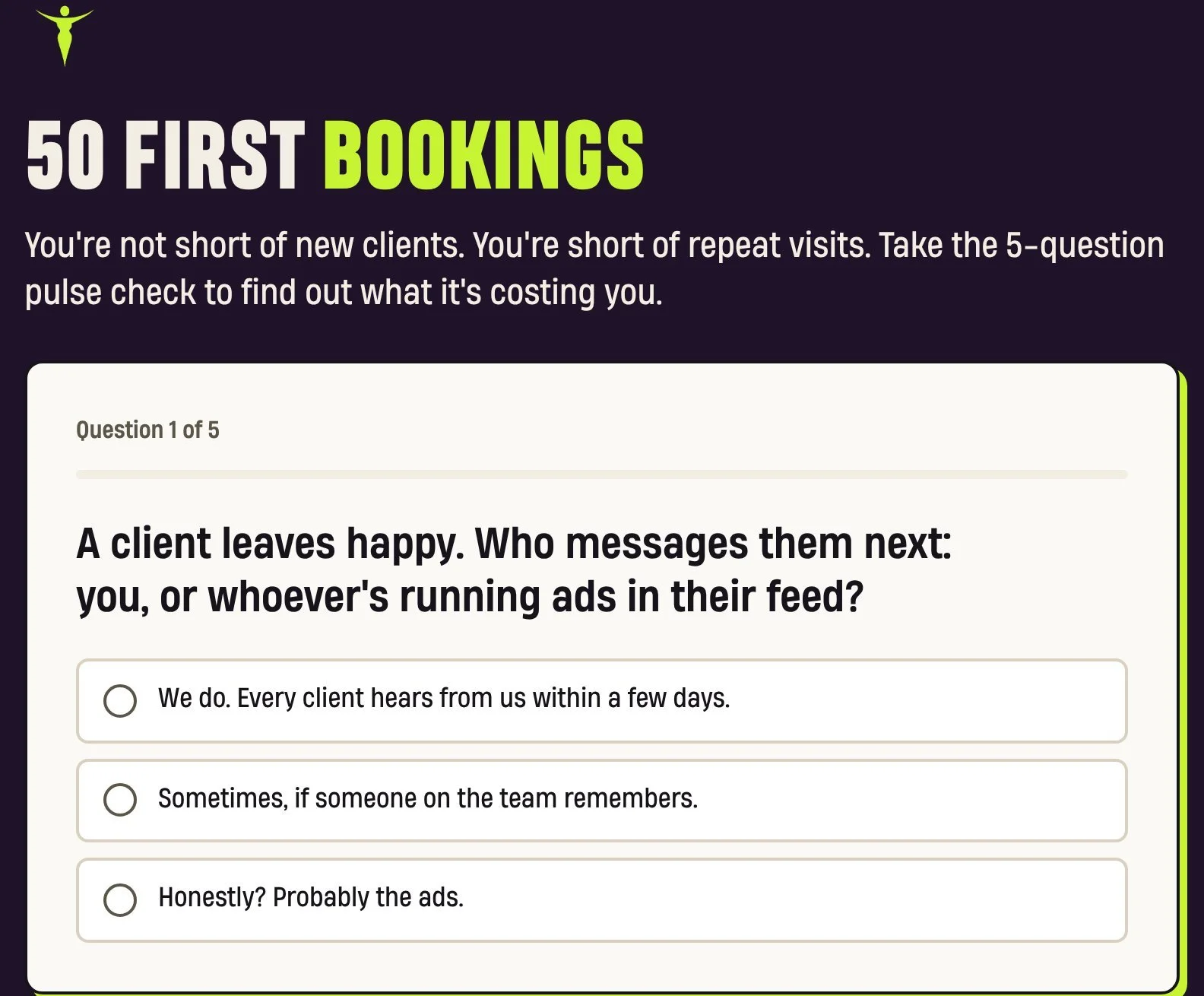
Source: She is Epic quiz
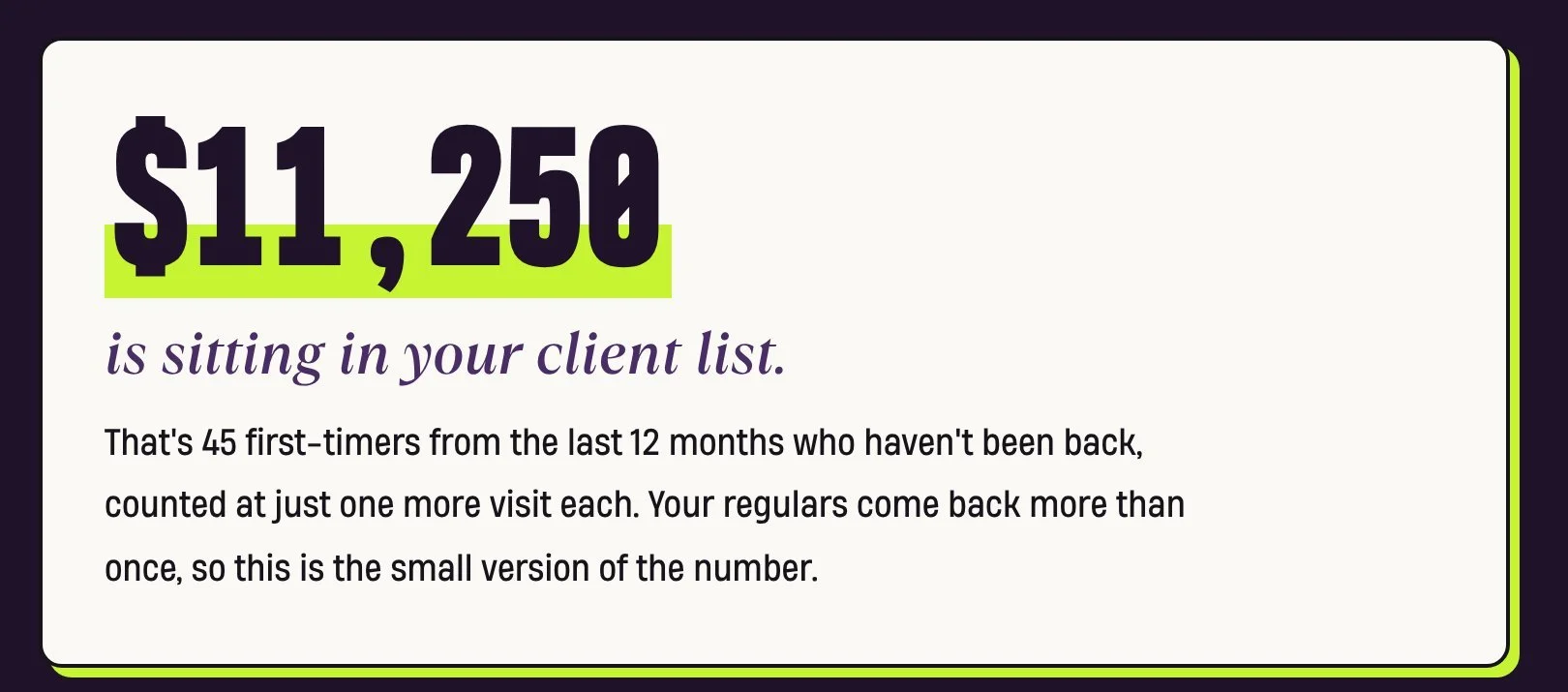
results page
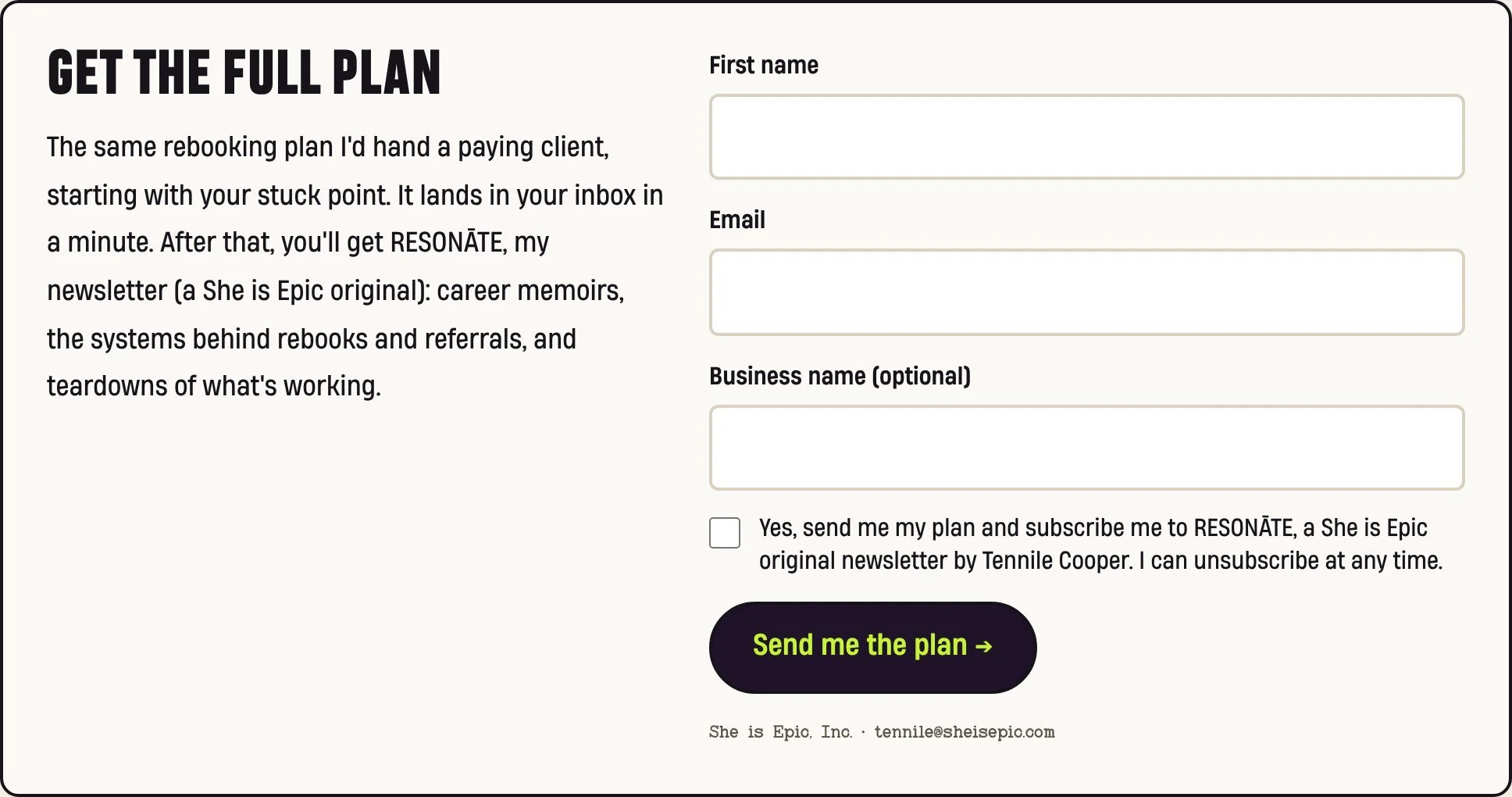
email capture to get the full plan
5) A free quote, estimate, consultation or trial
A number on paper, or a 15-to-30-minute call. Not to give free advice, but to get an opportunity to talk with a live person and see if it's a match made in online heaven. Best for: service businesses where every job is a little different.
Software does the same thing with a free trial. BDOW! (formerly Sumo, now owned by Showit) leads with "Start your free trial" and backs it with a 14-day money-back guarantee, so saying yes feels like no risk at all.
Source: BDOW!
6) A calculator or cost estimator
"How much will this cost me?", answered before they pick up the phone. Best for: businesses whose prices change with size, frequency or scope.
7) A first-timer's guide
What happens on the first visit or the first order: what to bring, how long it takes, what it costs. Best for: businesses whose new customers feel nervous before they walk in.
8) A first-order discount
Coupons can be instant winners: 10% off or free shipping… you get the idea. Highway Robery, a small-batch robe maker in Austin, put a 10%-off offer in a sign-up pop-up and started getting "3, 4, 5 new email addresses a day". Word of caution: discounts can attract deal-seekers who disappear once they redeem. So a Black Friday sale may sound tempting but it trains your audience to wait for the discount. Best for: product businesses with a best-seller people buy again.
Eight Saints makes the new-customer offer feel like a gift: 25% off plus a free Deluxe Discovery Kit and eye gel, a "$119 value" that ships free.
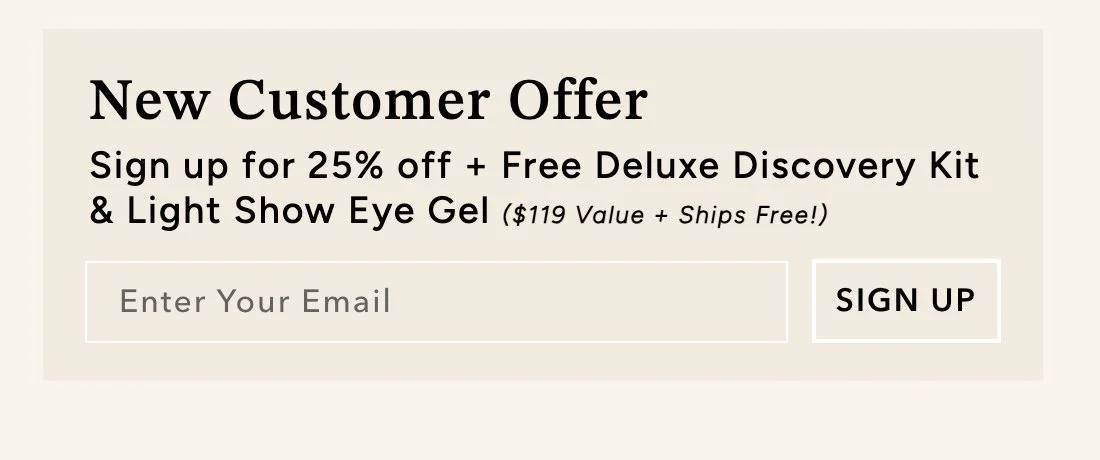
Source: Eight Saints
9) A resource list
The tools, suppliers or apps you'd recommend to a friend. Help your community thrive. They'll thank you for it later. Kinda like this list. (Psst. It's getting a glow-up: a fresh swipe file of lead magnets worth stealing is in the works too. Bookmark this post and check back.) Best for: businesses whose customers keep asking "what do you use?"

10) A short guide or report
Eek! It's not as out of reach as it seems. You may already have one in your arsenal: stitch your last few blog posts, or the questions you answer every week, into a short guide. It's a matter of putting it together in an easier, digestible form. Best for: businesses that know the answers their customers keep googling.
What should you do after someone downloads your lead magnet?
Henry's House of Coffee, a coffee roaster Mailchimp profiled, built the welcome, follow-up and re-engagement emails. It reports its customer retention went from the low teens to an average of 28%. It's an older example, and the system still holds.
Automation scales what you've already mapped out. So map the comeback before you subscribe to another tool.
The freebie earns the address. The follow-up earns the regular.
Act 2: lead magnets that bring customers back
These are for people who already paid you once. Each one hands them a reason to come back. Send only to people who opted in, or who bought from you in the last two years. And every message should name your business and carry an unsubscribe link.
11) A rebooking reminder
For appointment businesses: a message timed to when they're due again. Booking tools like Fresha have a "reminder to rebook" built in. Check yours. It may already be sitting there, switched off.
12) A "your next order" email
For product businesses: ask how the last one went, then shrink reordering to one click. Henry's follow-up emails ask customers to rate and reorder, and its 14-email product follow-up series has made $1,539.
13) A "when to come back" calendar
The classic calendar lead magnet, aimed at the customers you already have: when to reorder, re-service or rebook. Printable, or a calendar invite they can save. Make it one of those eyegasms they tape up on the office wall (or admire on the refrigerator).

lead magnet ideas
14) Customer-only perks
Cheese Grotto sends members monthly emails with exclusive discounts and early access through the email provider's best-customers automation. The members-only club is the one they've already paid to join. Give your regulars a peek behind the great OZ curtain.
Eight Saints runs an exclusive Facebook group where customers see before-and-after photos, ask other customers questions and get new products and sales before anyone else. That's the one kind of Facebook group that earns a spot here: it's for people who already bought.
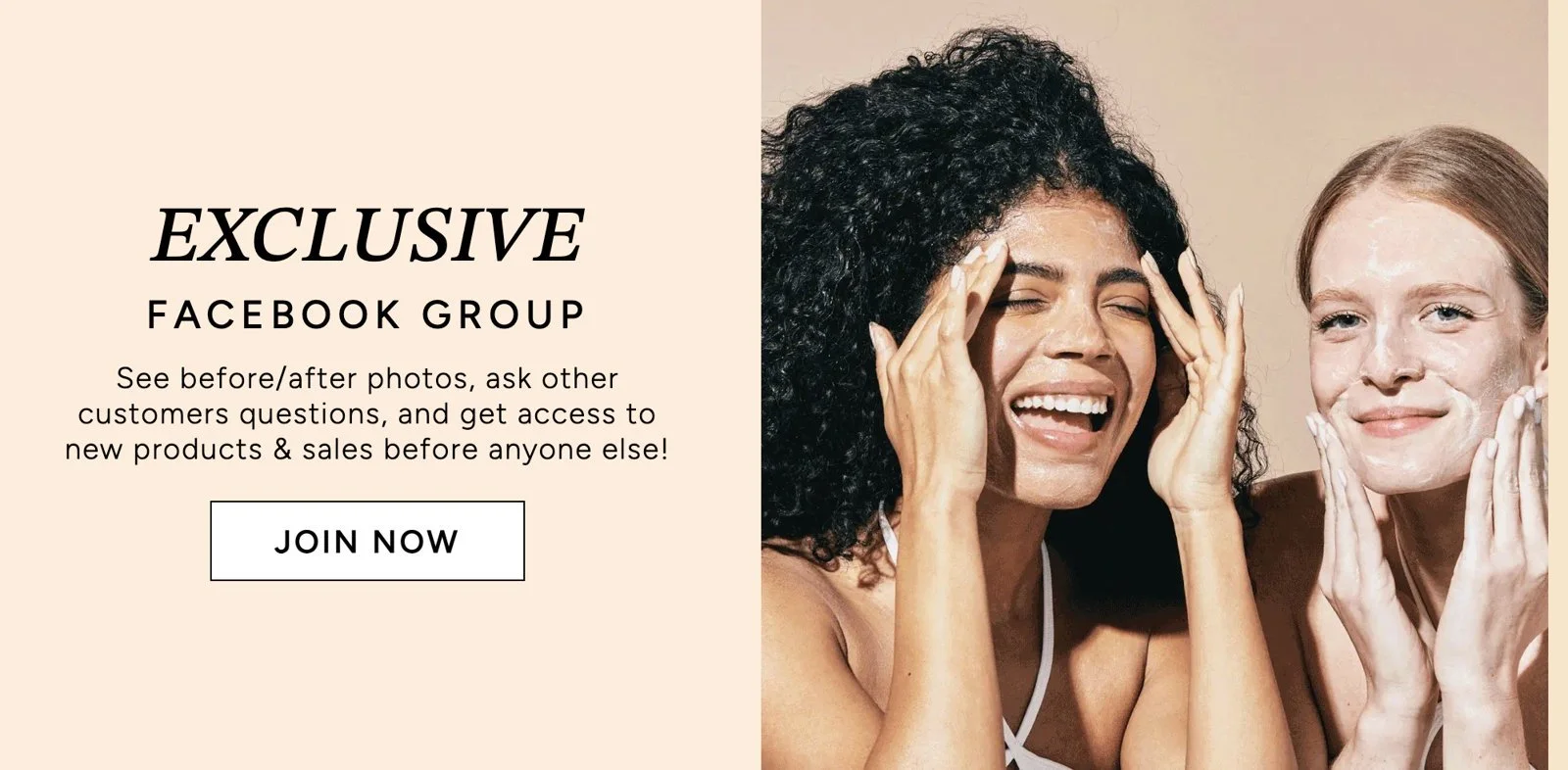
Source: Eight Saints
15) A win-back offer
For the customer who went quiet. Henry's separate two-email re-engagement series, sent to customers who hadn't bought in a while, made $1,466 in seven months. Two emails.
16) A thank-you in the mail
Back to Buffer. For years, Buffer sent handwritten cards, usually with stickers, 40 to 60 packages a week, with stickers costing 28 to 56 cents each. The chat I joined retired in 2018. The lesson didn't. A handwritten note after a first purchase costs a stamp and a pen. Now, that's how you cut through the noise.

Source: Buffer on Twitter (X)
17) A birthday or milestone message
A note on their birthday, or on the anniversary of their first visit. Fresha builds this one in too.
BONUS A pledge
This is totally left field, and I love it! Get your readers involved and have them take a pledge. Ash Ambirge of The Middle Finger Project had readers sign their first name and email to a vow, then hit "Pledge vow."
It works for any business that asks people to commit. A Pilates studio could have new clients pledge to the future version of themselves (revenge body and all). It makes it real, because it's a pledge to yourself. And the email address is the signature.
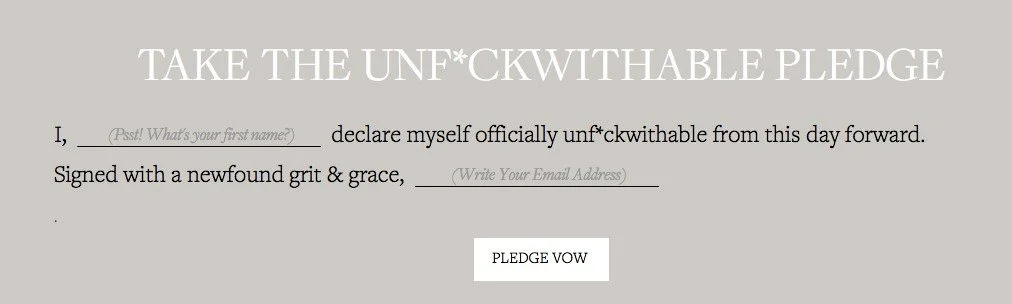
Source: Ash Ambirge
Do this this week
List every customer who bought or visited once and never came back. Pick one Act 2 idea and build one comeback message: a rebooking reminder or a "your next order" email. Send it only to people you have consent for. Under Canada's anti-spam law (CASL), a purchase in the last two years counts as implied consent; everyone else needs to have opted in.
A handwritten note. A rebooking reminder. Two emails to the customer who went quiet. Nobody remembers the PDF.
[ the master plan ]
What lead magnet ideas work for a small business?
The ones that answer a question customers ask, take one sitting and point at what you sell: a checklist, a quiz, a free quote. Then build the second act most lists skip: a rebooking reminder, a "your next order" email or a win-back offer, sent only to people who agreed to hear from you. Henry's House of Coffee reported retention climbing from the low teens to 28% after adding follow-ups.