

How to Build a Career—Not Land a Job, My HDSB Interview
In the midst of COVID-19 (May 2020), I chatted with the Halton District School Board. They reached out for me to share my communications and marketing career journey. The first ten years of my professional life was in a job instead of a career, had I received this insight at high school, I would already have the awards and wealth that match my work ethic.
[ short answer ]
How do you build a career instead of just landing a job?
A career is built around impact, mission and passion, not one employer. Look for internships and mentors early, learn the basics of your field, develop one or two specialties and combine them creatively, stay close to your peers, and keep outside interests that feed your work. Bringing your own way of doing things to the table is what turns a job into a career.

Watch the video at the end of this post.
In the midst of COVID-19 (May 2020), I chatted with Lisa Galay, the Leader of Experiential Learning for Grades 7-12, for the Halton District School Board.
They reached out for me to share my communication and marketing career journey, as well as the subjects that students study in high school that relate to the work that I do on a day to day, including business, english and creative subjects such as the arts. The first ten years of my professional life was in a job instead of a career, had I received this insight at high school, I would already have the awards and wealth that match my work ethic.
This is how I am building my career. Which it’s not tied to an organization, business or job—it's when the impact, the mission and the passion are at the forefront. Thank you to Karamjit, my long time mentor and friend, for this connection.
Here goes my interview with HDSB.
Lisa: We'll start with our first question, which is—what was the educational journey that you took to get to your current career?
Tennile:
Well it was definitely not linear.
I zigzagged all over the place. However, I did start in the social service worker program at George Brown college. And went on to spend 10 years in that field. Shortly after, I pivoted into I.T. because I had a natural ability in computers and wanted a change in my career, but I wasn't sure what it was. I went with what came natural to me. And then pivoted again into communications by starting a copywriting business.
After five years of running my copywriting business, I sought out formal education in marketing and sales. The later part of my education was tied to more experiential learning, which you're very familiar with, being able to connect to people in the industry. That's what helped me to navigate my career journey.
Lisa: Excellent. Can you share a little bit more about your current career and the day to day responsibilities that are involved?
Tennile:
Yeah. So have a full time job. And I also have a side hustle as like, as they like to put it.
At my full time job, I manage the marketing of six event venues at Artscape. In my day to day role, I lead the marketing strategy, planning and execution of it, producing and analyzing Salesforce data reports, the results of my marketing efforts, the advertising and social media campaigns that I put forth to increase revenue targets year to year. And I also develop marketing copy (i.e. communications and messaging) that resonates with Artscape’s target audience, mainly to maximize income generation and gain sponsorship opportunities.

On the flip side, at my side hustle, I run a copywriting business that helps businesses revive their marketing and messaging efforts. In regards to marketing material, website copy and social media. I truly credit my own business for launching my career into communications and marketing. It gave me access to a network, credibility, and leverage, and that has been built through studying and working on my craft—without hesitation of being able to put it forth into the world. It has allowed me to create a fund that helps underestimated women led businesses to scale in their own venture.
So it's that experiential learning again, where it's me being in the field, doing the work and then seeking the knowledge afterwards to round it out, basically.
The challenges & benefits to a career in Marketing & Communications
Lisa: Excellent. It sounds like that's a busy life you're leading there. So I don't know. What would you say are both the challenges and the benefits of your current career?
Tennile:
Oh, okay. Challenges. So I recently had this experience, like I said earlier, I was in my own business for five years, and then I decided to return to the workforce. When you’re applying for a job in communication and marketing, you are put through a series of assignments. Your aptitude is tested over other careers, meaning that they set up assignments for you to showcase your marketing skills, your communication skills, and then you have to submit it back. And so you feel like you're giving your skills and your ideas away before you actually have the job. And it can be emotionally taxing, especially when I was applying to at least twenty jobs a month and I was averaging about a one to two interviews a month.
And so, that was a lot for me to always have to do an assignment then go in to talk about my skills, versus another career where you don't have to jump through all those hoops. That was a challenge!
To add to that, the marketing community is regularly evolving. Nothing ever remains the same. Therefore, the role in communication and marketing requires you to stay current and well-read, and continuously sharpening your skills in writing and staying creative.
Now, for the benefits, because this industry is always evolving, there is room to grow within it. I mean, as long as you're evolving your skills as well, it's not something that can be automated by computers. Although, they certainly will try to automate it, but it still requires a human touch. It requires a human to relay the emotion through storytelling and being creative—computers can not do that.
That is our superpower.
Nothing can be put out into the world without a good writer and a good angle for it to become valuable to the market.
So that's where communication and marketing comes into play. And then in terms of compensation, it's a nice perk because you're paid more due to the demand of this specialty. Under the umbrella of communication and marketing, there are several different roles that you can do. It isn't just Marcomms, which is the short form for communication & marketing. You can hop into any industry, so it isn't just set in healthcare, you can be in tech. You can be in I dunno, environmental science, like every business needs communication & marketing, there's no barrier.
Lisa: Right! Excellent. Well, that's a really nice segue to our next question, which is where do you see this career area going in the future? Both in Ontario and beyond, it sounds like it's going to be promising.
Tennile:
I think so, that's one of the reasons why I pivoted from working in social services, into communications and marketing. I felt like there was more opportunities, way more ways you can hop from one thing to the next thing, still being under the umbrella of communication and marketing.
I think we're moving into a digital data age where our phones, computers and Alexa knows more about us than our family.
They're collecting this data for a reason, you know, to sell to us better and to shorten the sales cycle with personalized messaging and marketing.
So when you see an ad that speaks to your exact need, that is marketing, when the ad captures your exact feelings, that's communications. It's not going anywhere. We're going to be constantly be sold to and therefore we need the experts in place to help companies do that. And more and more brands are trying to find ways to humanize their brand because a corporate logo can't do that.
Less promotion and persuasion and more focused on the customer experience and the culture of the company. Where I see the direction in terms of where marketing & communication is going, it’s definitely influencer marketing. Which means, we see those experts on YouTube and Instagram that have a high following and high engagement. Those are influencers because they are regular people sharing things that they enjoy. And like and in terms of content marketing it's just a consistent way of informing, entertaining and engaging people throughout the whole sales cycle.
And so consumers are starting to trust those forms of marketing over a traditional ad that you'll see, like a commercial. They are more likely to trust another person. It takes great marketers and communicators to foster and sustain that trust. Like I was saying earlier, in terms of communication and marketing, it’s under the umbrella to all these other things that you can do—it isn't just Marcomms. You can get into video, audio production.
Although we'd like to focus on business and English, people who are in the arts, there is an opportunity to get into communication and marketing as well because creativity is needed in these roles. And so video/audio production, interactive technology like AI (artificial intelligence), and managing mobile marketing is how we're shifting marketing. It’s shifting away from commercials and going to mobile—your phone, because what companies are clamoring for is the attention of consumers.
Social media can be so overwhelming and inundated with everyone trying to sell to every and anybody, they had to find another way to reach people. And now it's through text messaging because how likely are you to check your text message over your social media notification? You're more likely to check your text message because you think it's from someone, you know, personally, right? So they're now moving towards that.
SEO, like search engine optimization is a role within itself, as well as search engine marketing, SEM marketing through Google ads. You see those ads that follow you around everywhere online, that’s search engine marketing. They're annoying, but it works! Social media, e-commerce, email marketing, marketing automation, content management and curation (the publications that need someone to write articles for them and distribute it), web development, design, copywriting, and editing (the realm that I'm in), analytics, you need people who can read the data and transcribe the data, can explain the data in lay-mans terms—that is so needed. And the business and marketing strategy aspect as well.
So in 2020, in our current year, mobile marketing, marketing automation and social media are at the top of the list in terms of demand and importance of these skills for now and in the future.
Lisa: Wow. That's a lot to wrap your head around, but fantastic to know, so many opportunities. Again, you touched on this a little bit already Tennile, but when we think back to high school and the subjects that our students are studying, you've made some connections already to your work in terms of english and business communications technology, the creative subjects, such as the arts. Maybe you can just share a little bit more about how you see those different subject areas working their way into the responsibilities that you have day to day.
Tennile:
Okay, with every career or venture you take on, you must learn the fundamentals of it in order to thrive.
Must, must, must, must. I believe school provides that for us and that's why till this day, I take courses and keep my knowledge sharp in my field. I still take courses. I still go to school and take online courses and whatnot. When it comes to business, you must know how to write a business plan. Even if you never need or use it, you must know how to do it. When it comes to marketing, you must know the principles of market research, even if the company that hired you based their marketing decisions on making the CEO happy. Which I've been in organizations where it wasn't about the research, it was about making the CEO happy. Even if that's the case, still know the fundamentals of it. And then when it comes to english, you must know how to effectively communicate and tell a compelling story.
It's the basis of connection. That is what will make you valuable within any company. Being able to communicate to people on a people level and not on a corporate level. But what is most important of all is being able to utilize all three; the skills and talents and education that you have is being able to utilize them all in a creative manner that produces results, streamline processes, or even tell a better story than the existing one that the company has. And that's why I'm also emphasizing the arts being important because you cannot automate or computerize creativity. Humans only can do that.
It's important that we continue to be critical thinkers and be creative in any work that we take on.
The impact of covid-19 on marketing & communications
Lisa: Excellent. Thank you. Switching gears a little bit. Can you tell us about what the impact of the COVID-19 pandemic has been on your career?
Tennile:
COVID. Ahhh. So COVID-19, didn't really affect me in my career, although in my full time job, I work in events. So it affected that aspect of it but in terms of communications and marketing I saw more business in my side hustle.
Also, communication and marketing people are more needed in this time. It is required for more messaging, accurate messaging, comforting messaging, and an angle that helps minimize potential panic in a crisis. Communication and marketing are needed even more so during this time, people are looking to companies to see where they place their importance. Do they care about their customers or only their bottom line? What charities do they support? What's their mission, their values? That comes up more clearly in these types of situations, and people, consumers are paying attention to what companies are doing during this time.
That's why a plugged-in Marcomms person can read the room or gauge the temperature and produce content matching the wants of their audience or the needs of the audience. Like I said, I had increased communication work during the pandemic than the reverse because of this skill, because I was able to read the temperature of what people are looking at, viewing, and knowing that we have to shift from selling and shift to engaging people. More in terms of, you know, what's happening in the world right now, let's speak to that. How are we helping in the community? For example in the events industry (at my full-time job), we shifted from selling our venues because obviously there's no events that could happen, to helping our partner vendors like restaurants who have had to close down or pivot their business to doing takeout.
We then promoted those restaurants so that they can get the business instead of us getting the business because that is our partnership. When we are back to “normal”, we want to ensure that they're thriving, whether we're open or not. So if we're not selling, we're going to be selling our partners food so that they can get the business. Right. So that's an example of how Marcomms can kind of just shift the conversation to less selling, more engaging with their audience.
Companies need language that maintains or increases the credibility or public standing during critical periods like this.
my advice for a career in marketing & communications
Lisa: All right. So interesting. Thank you. Tennile for students that might be thinking about going into a career in, in marketing and communications is there any particular advice that you would give them to help support their pathway there?
Tennile:
Yeah, definitely.
I'll tell them the pathway I took was by seeking internships and mentorships. I've had a lot of great mentors in my life and still to this day—as a grown adult—you know, full career and side hustle I still seek out mentors. There are definitely areas that you're going to still need to work on. And mentorship is a mutual thing. It isn't take, take, take. It's more like, yes, I'm seeking your expertise in this area because you're further along in your career but I also can help in the areas that you may not be aware of too. It's the old school helping the new school type type of deal. So definitely, I would start there before you even decide on a career path, internships and mentorships.
Once you've decided, learn the fundamentals, soak up the knowledge in whatever work room you you're in. Pay attention to what's happening at you're internship and in the job that you've taken on. Be a sponge when you're there, gain a specialty in one to two areas because you need to be able to take those specialties and be creative in how you mesh the two. Make them work together well and make connections in your industry.
That includes your peers, the peers that are sitting the left to you and the right to you. You never know where each one of your peers are gonna end up in the world or along their career journey. You know, keep those relationships alive. Don't always reach for people who are 10 steps ahead of you, always keep people who are on the same playing field as you—those who are one step higher, one step lower by your side as well. You never know who you'll learn something from cause you'll need that network to do your job better than the average person in your field.
And then on top of that, I would say having outside interests, it fuels your full time career. My outside interests is my side hustle, it really helps to elevate my full time job. There are certain skills that I've learned outside of my job that I'm able to bring into my role that makes me more valuable to the company. And it also decreases burnout. You don't want to always be focused on this one thing and then everything else kind of falls to the wayside. So, have your outside hobbies, it doesn't have to be something that makes you money. It could also be something that just brings you joy. Right.
Learn to bring your own way of doing things to the table.
Add your extra sauce or magic to your work. That's what makes it a career and not just a job. Yeah. I'd say that.
Lisa: Yeah. That's great. Thank you. Wonderful advice for our students. And my last question Tennile is, again, going back to those subject areas that connect to the work you do, business and english and the creative subjects and communications technology, what would be your message to students about the importance of taking a variety of courses like those in order to keep the doors open to future opportunities that they may encounter?
Tennile:
That's a good point. Keeping the door open for future opportunities.
Yeah, the importance lies in continuous thirst for knowledge, period. Business, english, the arts, whatever you want to take you gotta be able to know what to take. You have to determine what specific knowledge you need because it will evolve as we get older.
As things change and technology evolves, no one knew 15 years ago that technology would be at the epic-enter of everything we do. And knowing how to operate a computer would become such a basic skill to have but here we are!
Be open to the evolution and pay attention to, you know, what is needed and how you can market yourself.
Really, and truly, your future success lies in your ability to know what is needed. What does the market need and get creative with your existing skills and knowledge to either execute on it or gain the information you need to execute on it.
Lisa: Excellent. Well, that's a wonderful note to end on. So thank you so much Tennile for sharing your career journey and your wisdom with our students today. We really appreciate it and we hope you have a great day.
Tennile:
Same to you. Thank you so much for this opportunity.

"How Do We Do This Quarantine Marketing Thing!?"
When the Coronavirus first hit...we weren’t prepared for the massive shift that we’re currently experiencing. And for businesses everywhere, our marketing and messaging got clobbered. Here are some ways you can take immediate action and stand out online.

Throw your current marketing & messaging playbook in the rinse cycle!
At least for the next 8 to 12 months.
At least until we get through this pandemic.
At least until we have a clearer picture and the dust has settled.
We’re in a pandemic, people…give yourself GRACE.
None of us know how this is going to go.
Now, having to move in-person events to virtual experiences —it’s tricky.
Here’s a sobering thought, you’re not alone in this odd time of uncertainty. And that’s validating and comforting —no matter how awkwardly unusual that sounds.
I am especially speaking to the companies that pump out self-centred content vs audience centred content. At this time, they need to reconsider their strategy. As the Harvard Business Review laid out, communication pieces that inspire are the go-to pieces of content of all times (ok, maybe not of all times but it's front row).
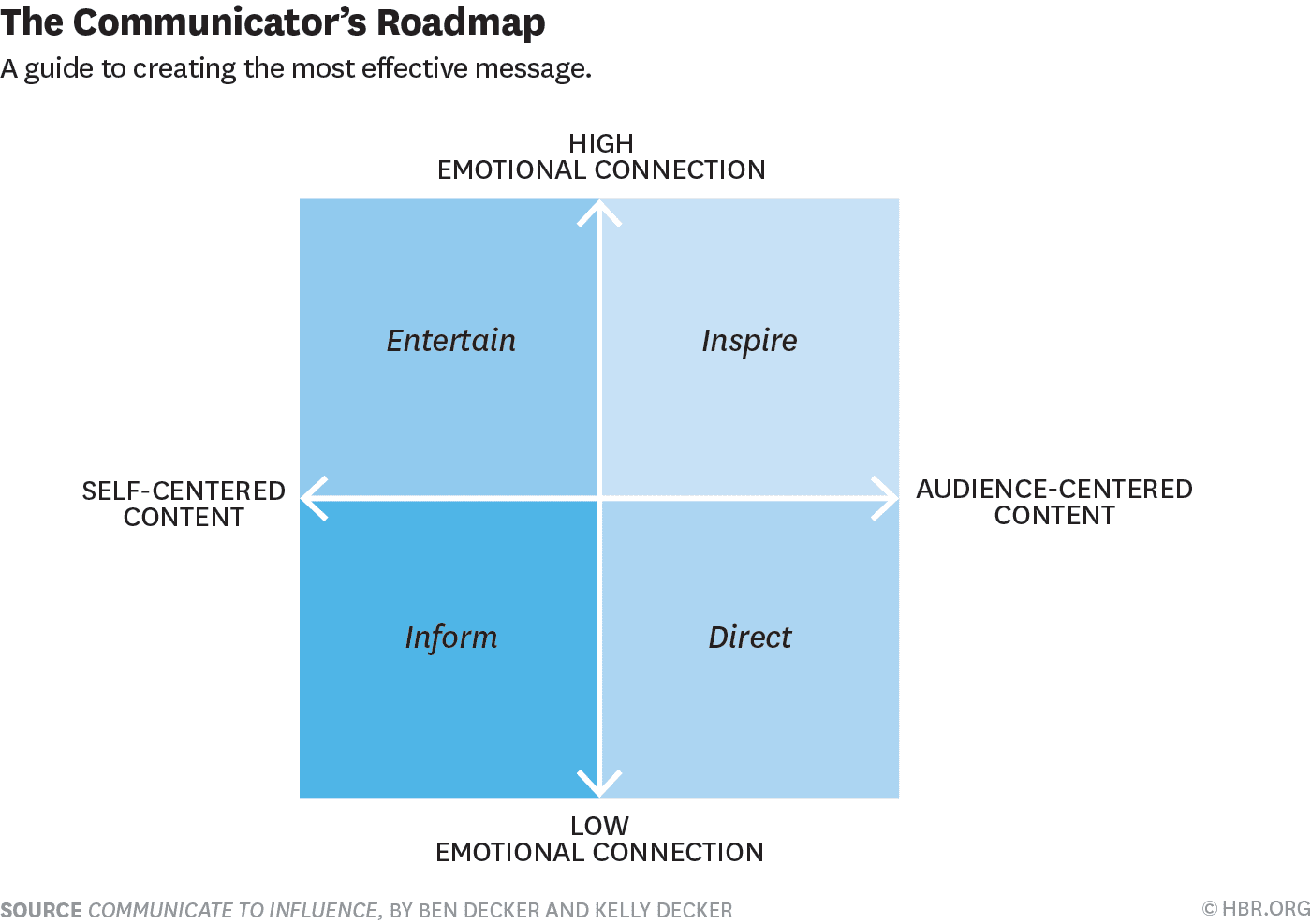
None of us were prepared for the massive shift that we’re currently experiencing. And for businesses everywhere, our marketing and messaging got clobbered.
What do you post so that you’re not promoting "COVID Coupons"?! It’s not a thing. Don’t make it a thing.
Here are some ways you can take immediate action:
1) Pause & Pivot All Scheduled Posts
Your previously planned rollout is no longer relevant and therefore, it’s better to be silent yet intentional than loud and tone-deaf during this time.
"Do you need to reduce how often you post?"
Hop back into your automated scheduler and with a fine-tooth comb replace messaging that no longer applies. And in its place add content that supports your audience's current situation.
2) Prepare to Strategize
Now’s the time to redesign and realign your online goals.
"What's your core message?"
Don’t use this as an opportunity to force-feed content or capitalize on a crisis.
Be mindful of imagery containing crowds and language like “get in touch” or “work hand in hand”. Physical distancing is in full effect.
Adding value should be the top priority right now —not multiplying the online noise. You can do this by injecting humour, storytelling and informative visuals into your marketing.
3) Support a Cause or Start Your Own Campaign
This is a great time to showcase the causes your business supports (show the human side) or even start your own online campaign by using a designated hashtag like the #IStayHome that launched on TikTok.

#IStayHome Challenge
You can get extremely creative here. There's no rule book, remember?
Everyone is experiencing this for the first time. Your business could set an example of how it should be done. From how you promote the causes you support via an Instagram carousel of candid quotes of how people are finding joy in disfunction. Or tag the businesses that complement your own —what are they doing to boost the communities and healthcare workers.
We're in this together, even if we're 6 feet apart.
4) Educate AND Entertain
This one by far is my favorite on the quarantine marketing & messaging list.
It simultaneously highlights your expertise and builds audience engagement for now and future tomorrows. See how these companies, WHO & Canva pivoted in their marketing.


Stay informed on topics relevant to your audience.
This allows you to add to the conversation (via an infographic) not disrupt.
Share your business’ crisis preparedness.
This positions you as a leader with a contingency plan.
All of the above is just as important as creating entertaining distractions like inspirational videos or funny memes.
We are bogged down with enough COVID reports from the media and news outlets. Keep it light, just as much as you stay informed.
Balance.
5) Optimize Your Marketing Material: Website, Blog Posts and Collateral (OHkay, fine)
Where else can you put your attention right now...other than social media to stand out online after COVID?
Did someone say, rebrand? Show your website some l-o-v-e.
Rethink your current content: does it represent the evolution of my brand? Does it highlight your core message? Do you present yourself as approachable, personable and an industry leader? Ponder on that for a minute.
Rewrite your blog posts with updated keywords (👀SEO)
I'm no SEO wizard but it doesn't take one to know, you probably could show up better in search results if you send a bit more time on what keywords help you show up: how you want and for who you want.
Capture new headshots (i.e. smartphone photoshoot!) or a bio refresh, maybe?
Don't underestimate the power of looking like 2020 you, instead of 2010's past (*guilty). And that bio that you use to pitch is sitting in isolation on your website. This time around —include qualitative data & quantitative numbers.
Turn up the brag meter and name the fortune 500 companies you've partnered with.
These are just a few ways to get your biz organized and back on track as the comeback kid. Resilient and powerful.
Be safe, stay healthy!

You Can Quit Entrepreneurship...The Dirty Little Secret I Kept to Myself
And how to re-enter the workforce after # years of hustle and grind as an entrepreneur.
[ short answer ]
Is it okay to quit entrepreneurship and go back to a job?
Yes. Going back to a job isn't failure. It's choosing what works for your growth right now. Tennile Cooper returned to full-time work after five years of self-employment. To make the move: track every application, upgrade your skills, ask recruiters for advice, script your answers (especially "tell me about yourself"), customize every application, and get your mindset right.

[And how I re-entered the workforce after 5 years of hustle and grind as an entrepreneur]
"I quit my job!" is often celebrated.
It signifies freedom from the 9 to 5 shackles. Which to be honest had been a sentiment I shared when I ended my full-time job after 10 years in the social service sector.
Whispers, "I quit entrepreneurship"...now that's a statement that is burdened with shame of failing to make self-employment work. However, for me, it signified the freedom to manage my mental health.
At the time though —quitting entrepreneurship —was the dirty little secret I kept to myself.
Anybody who has ever worked for themselves knows —your brain nags you about everything you could be doing in your business instead. Even at social events, you're thinking about sending out a contract or how you're going to respond to an email.
That being said, let me start from the beginning, where my business launched and what led me to quit entrepreneurship.

Have you ever felt like, you're supposed to do something with your life but yet to figure out what? I felt like this —the majority of my twenties.
Following the path set out by my Caribbean parents: Go to college, get a good job with benefits then retire 35 years later. Well, what if you complete the mission in less time and still feel lost?! I did what was laid out for me and still felt a void.
That sent me on a tailspin of seeking and searching for more.
When I was in a permanent full-time job, I took a contract Communications role (something I didn't go to college for). This well-intended plan was to force me into starting a business 1 year later. The unexplainable feeling I had earlier that made me feel empty inside morphed into: "Start a business, but what?"
Since I went to college for social work with a minor in Psychology, it made perfect sense to become a life coach, right? Sure. That's what I did for the first quarter of my leap out of the workforce. I didn't make any money in my coaching business for 6 months.
No steady income...while in school...and not making a single dime from this "business" I decided to start —just call me loco…my co-workers did!
In my zig —when I should have zagged, I noticed not only myself but other coaches struggled to express what they did in their business. I also spent the majority of my time on marketing and messaging than actually coaching anybody, anyway. So I pivoted.
That's when my true journey of entrepreneurship began in copywriting.
At the time, I didn't even know what copywriting was. What I did know is I could write —mainly poetry but writing nonetheless. Never once did I imagine I could trade writing for money. This led me to write my first online publication without securing one red cent but I was being featured in outlets like the Huffington Post, so that added to my online credibility I told myself.
However, when I eventually found out how to get paid for said writing, I also learned I was in an industry that is known for prolonging payments to writers. How can one live off compensation uncertainty when bills show-up like clockwork?! It was an unsustainable endeavour for me, so I pivoted again.
That's when I stumbled onto a woman online making a significant amount of coin by writing for entrepreneurs. Remember that zig when I should have zagged?

Coaching should have led me down this route instead but when you come from a background of not seeing what is possible —possibilities can look out of focus.
When my vision did eventually align, I began my own copywriting business, for real this time. Still not 100% knowing what area of focus or direction I wanted to go (i.e. B2B or B2C) but I dived in with all ten toes because I could effortlessly combine my gift to identify a message unique to a business and make it marketable. I didn't know it was a gift then —I just knew others couldn't do it, so I ran with it. Which eventually landed me my first contract with a Fortune 500 company and running a content marketing workshop at the Microsoft Store.
Yet, entrepreneurship is hard.
This is what I've learned running a business full-time for the last 5 years.
The highs are high: the amount of money you can make in one month compared to in a year, securing opportunities you're not trained for but are named for, and the incredible people you have access to.
On the flip side: the lows are low when you don't fully understand the ebbs and flows of your business and then go broke for 4 months. And TAXES! Ugh, my Achilles heel and arch-nemesis.
I did finally find my rhythm but not until I returned back to a 9-5 and realized established businesses struggle too! This newfound perspective, yo-yo'd me back into my copywriting business full-time only to realize AGAIN, entrepreneurship —it's still hard.
There is a steep learning curve when you work for yourself.
You need to know when it's the right time to hire a team, lean on experts in your area of weakness and properly plan for the high and low periods in self-employment. Which takes a full plate of guts, instinct, and a side of discipline when sometimes all you want to do is work and collect a paycheque.
So here I am, back in full-time employment after applying to 108 communication & marketing jobs and showing up to 13 interviews within the course of a year. See also; putting my lessons into practice, continuing to work on my craft and digging deeper into my field of expertise.
There were a few things I did to re-enter the workforce, after 5 years of F/T self-employment and being asked the eye-twitching interview question multiple times, "Why do you want to return to a job after working for yourself?"
1 ) I Tracked Every Single Job I Applied And Interviewed At
This allowed me to properly follow-up with recruiters and hiring managers when I sent “Thank You” emails after the interview or after rejection and how often they put out positions to gauge culture fit (also to simply remember the employer. Sometimes jobs contact you 2-8 weeks later).
2) I Upgraded My Skills
I am an avid learner. So that meant, I increased my skills from writing classes to a marketing and sales course to certify myself as an expert. I found out from the roles I wanted —what they wanted from an ideal candidate.
3) I Sought Advice From Friends And Associates Who Worked in the Recruitment Industry (And Also Hiring Networking Events)
This did two things: gave me insider insight (i.e. The Star Interview method) and put myself on their radar to send jobs that were a match for my skills. Cha-ching!
4) I Wrote Scripts
Applying to jobs via ATS, sending follow-up “Thank You” emails (snail mail and e-mail), follow-up rejection script for collecting feedback, a script to do cold outreach to hiring managers on LinkedIn and even for the popular opener interview question "So, tell me about yourself?" Don't wing this question, this is an opportunity to set the tone for the entire interview. Learn how to articulate your value as it relates to the role via storytelling.
5) I Submitted a Customized Cover Letter, Resume and Portfolio for Every Position I Applied
Yup. Don't overlook this step. It's time-consuming —yes, but most people like to hop over it and that's how you stand out. I've heard back from hiring managers that because I took the extra effort to do this they were curious to learn more about me (3 out of 12 job rejections turned into contract roles for my business) 🙏🏾.
6) I Got My Mind Right
Uh...this was the hardest part. I had to do a lot of pep talk to remind myself I wasn't a failure for not making it as a full-time entrepreneur. I had to put other things as a priority, investing in myself (and that meant time, grace and the ability to take a break). My business didn't allow room for that, I was always hustling...and so, being back in a job provides the balance that I require to thrive even further.
*I am sure there are a few more tidbits I could share but maybe in another blog post, we’re creeping up to 1500 words now.
This once upon a time feeling of shame "failing at being an entrepreneur" and returning to a job, has now transformed into me (finally and) fully understanding there is no failure —only what works for your growth.
And working full-time while running my business on the side is most ideal for my growth (at this moment). Considering what entrepreneurship has beaten me over the head with: nothing is certain only how creative you can be with possibilities.
Are you returning back to a job after entrepreneuring? What’s your story?…

Your Best Employees Will Quit! Here's How They Become Evangelists Instead
We know how this story goes, employees who are not appreciated become bitter (and that’s bad for business) but what if there was a way to turn employee engagement into your best marketing strategy EVER?…
[ short answer ]
How do you turn employees into brand advocates?
Value them and give them a platform. Feature employees as experts in your content, give them the tools to share company news with their own networks, and invest in their growth through training, flexible work and support for outside projects. Feeling unappreciated is a top reason people quit (79%, Forbes 2018). Engaged employees stay and attract more great hires.

That’s me in the picture above giving my 5 min Ted talk on how Employee Engagement = Content Marketing at Woman and Color. Then I made it into an article because I am a writer, first and furthermore, SEO but at some point, this will be a reference guide for companies who have learned to market smarter —not harder. Keep reading…
We’ve all had at least one or two jobs we’ve absolutely loved.
Like the crush, you’ve been crushing on for so long — now is crushing on you — and you don’t know where it will lead — but you’re completely on board — and your confidence is through the roof — type of love.
Don’t you just love that reciprocal type of love?!
Fortunately for me, I’ve had 2 and more jobs I’ve loved and they reciprocated the same. Only this type of love also came with a paycheck.
One, in particular — matched my expertise, allowed autonomy in my role (after I passed the 3-month probationary period of course) and they hooked me up with my very own Mac computer.
For my design/techie nerds — you know the level of importance of having premium tools to execute your job to its highest standard. Now any place I apply to I request a Mac computer…most will probably deny it, and I’ll deal, but it would be a bonus. *Employers are you writing this down?*
As a result, in the first 3–6 months, I brought in noteworthy wins. I increased client numbers and engagement exponentially, marketed and promoted two sold-out events then slam-dunked the organization into a major publication feature.
I was on fire.
The team and I were jellying.
In a nutshell, I was in my element and becoming a significant asset to the company. However, something was still off.
Uh-oh, the honeymoon phase was fizzling out.
I didn’t feel my efforts were valued. No matter how much I was helping to raise the organization’s profile, my manager, still made me feel disposable.
Instead of allowing my feelings to decrease my productivity, I arranged a meeting to address my concerns.
Let’s PAUSE here.
You’re the employer, and you have a high-performing player, like myself *pops collar*.
Do you:
A) Pile on the responsibility
B) Carry on business as usual
C) Provide professional development opportunities
In the world of high employee engagement C) Provide professional development opportunities is always the answer.
However, it’s not the case in most workplaces.
Let’s hit PLAY on my little story.
I entered the meeting feeling confident that my work ethic and the results I was bringing to the boardroom would make it a smooth conversation.
Sorta like this: “How can we best support you?” “What do you need to keep performing at this level?” “Do you need another Mac computer?.”
What happened next — I was not expecting.
Instead, I was met with disappointment.
More responsibilities were dumped in my lap (along with a few of my colleague’s tasks), my requests were blocked as well as my professional development and business — it carried on as usual.
A couple of months later, when I was offered to extend on my contract — it was a no brainer for me to decline. Especially with no plans on my employer’s end to bend in our stalemate negotiation.
In most cases, employees in my position would not quit — they’d tough it out and hope it got better. They’d tried their darndest not to harbour resentment or worst become disgruntled.
We know how this story goes though, employees who are not heard usually become bitter and the workplace slowly becomes toxic. And toxicity can become cancerous to an organization’s growth.

Employees are the Biggest Asset to a Company’s Brand.
Global studies reveal that 79 percent of people who quit their jobs cite ‘lack of appreciation’ as their reason for leaving. (FORBES. 2018)
Now, here’s how they become evangelists instead.
MAKE THEM YOUR THOUGHT-LEADERS AND IT WILL BOOST YOUR ONLINE REPUTATION

Every single employee that walks through the door is an expert.
By creating content that pulls from the vast experience and expertise of the team — it builds a rock-solid online presence.
By getting employees involved with what they’d like to see the company highlight, it unleashes their professional knowledge to produce whitepapers, articles (like this), infographics, video series, case studies, interviews, checklist etc.
The content ideas are endless, and this ensures a positive online reputation.
MAKE THEM YOUR BIGGEST BADDEST ADVOCATES AND YOU’LL RECRUIT IN OLYMPIC-RECORD TIME

When companies provide the social tools & resources employees need to do their job well, it cuts down on inefficiency costs and recruiting new hires isn’t a chore.
Being able to tap into an employees’ social media network is invaluable. On average, employee networks have 10 times as many connections as a company’s Profile Page of followers. (LINKEDIN. 2017)
It’s no longer a faceless organizational logo promoting initiatives, events or job openings on Twitter. The team now becomes an army, and the know-like-trust factor of the brand explodes.
MAKE THEM HAPPY AND THEY’LL STAY

When employees are valued and appreciated, they put a ring on it and are committed.
Companies should not hesitate to provide professional development opportunities, offer flex work environments or encourage external endeavours and advancement in their careers.
That includes outside passions and side-hustles.
An engaged employee is a high-performing one, and that only attracts more high-performing players to the team.
Companies like Hootsuite, Google and LinkedIn, put employee engagement as a top priority —by featuring them in their online publications and supporting their employees’ creative and innovative pursuits.
Something any true diverse and inclusive organization should aspire to attain.
In the end, you get to decide how your brand shows up online — but more importantly, you get to have a reciprocal type of love.

*Interested in a communications consultant that can train the team and help you form the social media policy at your organization? Download the free report and let’s see how I can help!

I Mentored 45 Young Entrepreneurs in 2.5 years 👀: Here's What They Taught ME
No matter the age, we require someone to support or sponsor our work and character to help propel us to the next level.

Before I take you down memory lane, let's open this blog post with WHY mentorship is not only for the young.
I feel as we get older, we lose room to make mistakes, ask open-ended questions and look silly. Being mentored allows space for all of this, but adult mentorship is as rare as Chef Gordon Ramsay using his indoor voice.
Maturity doesn't immune us from bucking our toe at various stages in life.
We still require someone to support or sponsor our work and character to help propel us to the next level. I recently read a gem-packed article which touched on the importance of side to side mentorship via Media Mogul, Necole Kane of XONecole —you should skim through it once we're finished here. Mmmkay!
Now, WHY I decided to become a trusted advisor to 45 young entrepreneurs in the first place?!

Long answer: People have shown up for me at different ages of my life from recess to student loans. All unrequested but a blessing of direction, can I get an AMEN! The kind of sage direction that led me to my first dream job and to an all-expense-paid trip to Ghana, Africa. Yes, THAT happened, and it was one of the best experiences for my soul.
Short Answer: I'm paying it forward.
It was spring 2017 when I pitched my workshop services to different companies around the city. Although I didn't secure a project at the time, I eventually partnered with The Summer Company to become one of their mentors instead.
I pondered about the offer for 24 hrs.
1. Would I have the time to commit?
After-all I am running a full-time Copywriting business here, and It's a 12-week program with bi-weekly meetings.
2. Would what I have to share be beneficial?
Hello, imposter syndrome. Anything I undertake, I must add value. No matter how many courses, experience or education you possess —you still want to know "Am I the right fit for this?".
Survey says —I was.
Not because I was the only woman and youngest mentor in the room, I was also the only black one too. More than anything else, representation matters on all fronts because I didn't get to see —what I could be —when I was growing up. Had I did, I probably would have been a black Bill Gates in the making.
So what did these budding entrepreneurs teach me, you ask?

Figure Hard Stuff Out (Because Everything is Figure-out-able)
A round of speed mentoring was underway, where each mentee had an opportunity to talk with the mentors about their business.
This one girl shared with me her education path of studying to be a Computer Engineer (shoutout to girls who code). Building upon the rapport, I shared my journey, "That was the path I would have taken as well if math wasn't a prerequisite." I said. So I took the beaten path of social work instead.
She responded, "You could have gotten a tutor, as I did. It's not an easy program."
It made total sense.
Now, as a full-blown adult that figures hard stuff out all of the time, not as the 17-year-old who wanted things easy. Hands down, this oversight on my journey stunted my professional growth. It's incredibly vital to know/see anybody who took the road less travelled and can show you it would have been worth it.
Hello, future of technology, IT WOULD HAVE BEEN WORTH IT.
Where are you currently stuck? It could be as simple as hiring help.
Shamelessly Ask For Help, Especially When Stuck
There has been a lot of keen and ambitious mentees throughout the program; however, one stood out to me more by how persistent he was on pursuing solutions to a problem.
He had the best questions:
How do I build awareness of my business to a target market outside of my reach? (READ or READ)
Should I charge by project or by the hour? (READ)
What should I outline in project contracts as a freelancer? (SEE)
How do I follow-up with customers without being annoying? (Download these scripts)
He knew what to ask to get him to the next stage. And that folks —is a skill!

Old footage of me playing Monopoly with my sister.
Asking the right questions to pass GO and collect $200, in the game of Monopoly and life. Which, full disclosure, I hated that game because my sister always won. She would scoop up every property she landed on and own the block.
So what I'm saying is this, it's a good strategy for life and business.
Can you shamelessly ask for help when you get stuck?
Bet on Yourself, FIRST
I'm not going to lie to you, not every entrepreneur mentored went on to create a successful business —a few decided to win instead.
The most successful rising star I mentored came in knowing her niche, target audience, and the platform to reach them on. She hosted fashion-focused pop-ups in the city as a meet & greet to attract new customers and engage with existing ones. The best position I could play as her mentor was to be the biggest baddest cheerleader. In my rich Kris Jenner momager voice, "You're doing amazing, sweetie!"
Her game plan was to make contemporary fashion history accessible in Toronto. She did intense customer research, studied eBay engagement, minimized her shipping fees and, even took a flight to Japan to spark ideas of how to curate a full collection of rare and obscure fashion pieces.
BEFORE the validation, co-sign or recognition of her mission.
How often do you bet on yourself, first?
These young entrepreneurs became my Mr. Miyagi and taught me some valuable lessons —that ambition, determination and drive are only a slice of the entrepreneur pizza pie.
You also need to embrace the lesson in everything and adjust as you pass GO.

Pay Attention Friends, Fashion Nova Sets Thirst Traps But it's all a Part of a Multi-Channel Marketing Plan *Inserts Evil Laugh*
New Term Alert: If you haven't been taking an "Integrated Marketing" approach to the way you promote, sell or, share your product/service —you'll want to take feverish notes here. In a multi-channel world, it’s easy to get lost in the clutter and even harder to sashay onto centre stage (the confidence and 6-inch heels required, BAABY).

I've been brushing up on my marketing skills lately (for the nosy ones in the back —I am in school right now because learning never stops and people respect degrees or whatever). That means, lots and lots of research on who is doing a bang-up job at promoting their products like a Mary Kay consultant.
New Term Alert: If you haven't been taking an "Integrated Marketing" approach to the way you promote, sell or, share your product/service —you'll want to take feverish notes here. As it's not only the best way, it’s the only way to reach your target audience any day of the week.
In a multi-channel world, it’s easy to get lost in the clutter and even harder to sashay onto centre stage (the confidence and 6-inch heels required, BAABY).
Competitors aren't your only battle royale opponent. *inserts hysterical laugh that leads into a cough*
So are dinner plans, mobile notifications, multiple open tabs in Chrome and sleep (I stole the last one from Netflix's competitor's list.) Dumping all of your company’s resources into one advertising channel will bankrupt the success rate of any online or offline campaign you undertake.
Instead, by creating a customer-centric content experience across all channels —it allows the company to attract and retain customers in a "loyalty loop" (another new term alert...don't you feel like you're right there in school with me??).
Rarely do we shop at retail stores as frequently as we did in the past and for that reason, companies need to get a bit more creative on how they win business over and over.
Fashion Nova, for example, is an online fashion brand retailer that sells women and men clothing. They use a mix of marketing channels from PPC advertising, social media, influencer marketing, email and affiliate marketing, to name a few.
*Insert defined examples of Fashion Nova's Integrated Marketing plan I speak of*
SOCIAL MEDIA HIJINKS FOR THE HIGHROLLERS: Influencer & Affiliate Marketing
Instagram is the main driver of sales traffic (with 16 million followers) to execute their social media campaigns.

Fashion Nova Appealing to Their Audience by Reposting Celebrity Influencers in Their Clothing.
Fashion Nova (FN) uses celebrity influencers as a marketing campaign, whereby famed VIPS promote the FN brand by posting pictures of themselves in the e-commerce retailer clothing and tagging them on Instagram (which they get a monetary kickback for the intense labour of clicking post —of course).
Think about it, if your favorite celebrity's outfit of the day is your next "hot girl summer 2019" outfit, you're going to buy it —where ever they got it from. And in this case, it happens to be from Fashion Nova (the thirst trap setup). I believe this is the reason their Instagram presence skyrocketed in the first five months in 2018.
“Fashion Nova built its massive fanbase partly by satisfying its customers’ desire for attention—sharing their selfies and shouting them out on Instagram.” —Quartzy
They remain culturally relevant, speak the language of their consumer and post shareable content. From the type of celebrity influencers they snag to the social media platforms they dominate, customers are at the mercy of their creative marketing techniques.
THE DIGITAL MARKETING CONGA LINE WITH A CALL-TO-ACTION ATTACHED: Pay Per Click Advertising + Pop-ups (the well-behaved kind) + Email Marketing
Now, say that “hot girl” outfit lured you to their website even once, a Fashion Nova advertorial will follow you around the internet (a modern-day bug-a-boo).
It'll make you want to start a spam support group.
It'll make you want to report and block.
It'll make you want to break your lease so you can move.
The actual term is called remarketing but doesn't bug-a-boo sound more accurate? It triggers when you've visited their online store while window-shopping without a purchase in-hand. If you really want what they're selling it's tantalizing to return back to the website.

Fashion Nova’s Pop-Up on their Website
So how can your business seduce the looky-loos who missed the "Contact Me" form on your website? Easy peasy lemon squeezy. By taking a page out of Fashion Nova's book and showing them a "Hold up" message when they go to click off your site to trot off somewhere else.
Enter a cleverly timed pop-up discount code or opt-in freebie to sweet-talk them into your email marketing funnel.
But back to remarketing (I really like this term bug-a-boo marketing instead —I'm going to make this stick so help you GAWD) comes in real handy for e-commerce businesses because it appears to look native (like it belongs) on other websites that have similar products. See the last article you read with the words "sponsored" faintly hovering over the ads.

Fashion Nova’s Ad Following Me Where ever I go and Why It Was Triggered By Google
"BRING IT HOME AND MAKE IT MAKE SENSE, TENNILE"
What all this means is there are many opportunities for you to stay on top of a customer's radar —no matter where on the world wide web they've trotted off to.
However, integrated marketing is more than a creepy ad that follows you in the shower. It becomes a results-driven transformer when you intertwine it with a range of promotional techniques on other platforms (i.e. Email, Social Media, PR, Mobile Marketing, Event Marketing etc.) with consistent messaging.
Consumers want information ranging from product reviews to the how-to videos on YouTube. They’re looking for and researching brands they want to engage with; what you want to do is be there when the need to buy arrives. Google describes these as Micro-Moments:

That's why we need to take copious notes of how brands we like, follow and buy from manage to hogtie our attention (certainly with a lavender smelling satin scarf, even if BDSM isn't for you).
#QTNA
How did they catcall your attention?
Where did it happen? Email, social media or direct mail?
What made you buy?
As long as a brand has your attention, it has your interest.
Then it's only a hop skip and a jump until you've bought into the thirst trap that is marketing.
Need help with your marketing and messaging, so it doesn't bug or get boos?
Email me, stat! tennile@sheisepic.com

Why You'll Happily Keep Giving Netflix Your Lunch Money...
Online streaming services are the wave of the future, but most importantly, here's how you can steal Netflix’s winning formula to produce & curate addictive content for your business.

Raise your hand if you have a Netflix account?
Raise your hand if you watch that bad boy at least once a week?
How about 2-3 times a week? Every day? ("It's my cable, Tennile")
Okay, okay, last one, raise your hand if you'll happily keep giving Netflix your lunch money?
Have you ever thought to yourself, why? Rhetorical question.
Well, I have...because addictive things are fascinating to me.
Alongside, people watching and what compels us to pay for a monthly service on autopilot. 55 percent of respondents said they would pay the max price of $11.99. While 11 percent will fork over any amount and scream, "Take my money!".

Online streaming services are the wave of the future, but most importantly, here's how you can steal Netflix’s winning formula to produce & curate addictive content for your business.
1) They House Original Content
Actually, a whopping 85% of new spending goes to original programming.
Praytell? In order to cut down on licensing cost. This is their long term strategy by not having to outsource content creation, Netflix produces its movies and shows in-house.
Remember Bird Box (the viral hit) and Roma (10 nominations for the 91st Academy Awards)? They're thinking looong game. Eventually, they will consider outsourcing their best-selling original projects to up-and-coming streaming services.

Cha-ching!
If you've seen exclusive production deals with the brilliant minds of Shonda Rhimes, Ava Duvernay, Ryan Murphy and the Obamas this is all a part of their masterplan to keep eyeballs and pockets with them.
Disney is just starting to catch on and follow suit with their own streaming service, which will launch November 2019. Why do you think they recently acquired Hulu?!…
I also read they plan to pull all existing content off of Netflix as well but we’ll see how everything unfolds.
💡Think about the YouTube stars that have now gone on to have Featured content on Facebook Watch or landed their own scripted TV show. They started with in-house content.
2) They Share Other People's Content
Netflix strikes exclusive contracts with comedians (like Chris Rock and Amy Schumer) and musical artists (like Lady Gaga and Beyoncé) —this has become the bedrock of special project deals.
As Netflix subscribers, we get first look and access to our favourite celebrity work at our fingertips. The content creator gets access to Netflix's enormous audience and, in return, Netflix gets exclusive licensing to these special projects.
Win/Win.
💡Think about the go-to brands that are on the pulse of what’s happening in the industry. They share reputable sources of content.
3) They Interact with Their Users
Netflix does more than ask, "Are you still watching?" these days.
As a big fan of choose-your-own-adventure novel series, since grade school. Bandersnatch was an epic addition to Netflix's addictive content roster. Or for the kiddies, Puss and Boots: Trapped in an Epic Tale. From a series of choices presented, it allows us to control what happens next by the click of a button on the remote.
I predict they'll double down on interactive content over time, as it's a surefire way to keep people on Netflix longer and multiply subscriptions.
💡Think about the websites that engage with you via a quiz or an online poll. They do this so they can personalize content shared with you.
4) They Keep You Hooked via Binge-Worthy Content
We touched on this briefly in the previous points but it's worth highlighting again.
Netflix is striking deals with noteworthy content creators to produce TV series and/or multiple projects at a time. By their very nature, they've set up a binge-watching culture "Netflix and Chill."
ARE YOU NOT ENTERTAINED?!
Every month they set new release dates and remove "old content" from the platform —keeping things fresh and interesting. There are upcoming shows/movies for us to anticipate or miss out on if we're not tuned in.
💡Think about how you can represent your audience in the content in a more deeper and genuine way. Keeping their interest at the forefront. Always keep a launching strategy in the chamber.