
Obsessed-Like: "Because you watched…" Netflix does it. TikTok does it. but Pinterest does it best.
Guest post by Kiyosha T
Editor’s Note: Ever wondered how TikTok influencers set trends, and Instagram is trailing three months behind? Kiyosha, a social media strategist with a love for spicy campaigns and bold brands, has a knack for uncovering how niche culture collides with the mainstream. So, of course, I tapped into her and she followed the breadcrumb trail—past the influencers—into a silent data vault where billions of whispers decide tomorrow’s obsessions months in advance (weeell before TikTok). This is our first #HypeWatch guest post of Don’t Believe the Hype. 😆 — Tennile
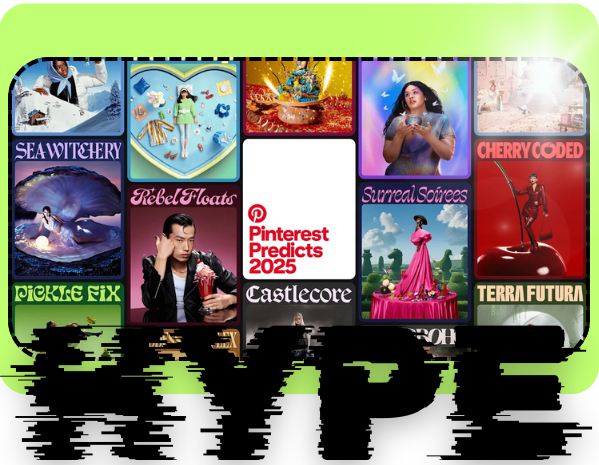
Pinterest Predicts? More like Pinterest Programs.
Trends often masquerade as spontaneous expressions of taste or originality. But a closer examination of how they emerge, when they emerge, and who benefits from them, reveals something else entirely. These seemingly organic aesthetics are often shaped well in advance, backed by data, and quietly nudged into our feeds under the guise of discovery.
Each year, Pinterest releases Pinterest Predicts, its flagship trend forecasting report that functions less like a cultural weather report and more like a strategic blueprint for how consumers will be guided—intentionally or not—toward certain products, aesthetics, and identities. While it reads like a visual lookbook, it’s essentially a streaming platform serving up aesthetics as Next Up suggestions, just like Netflix.
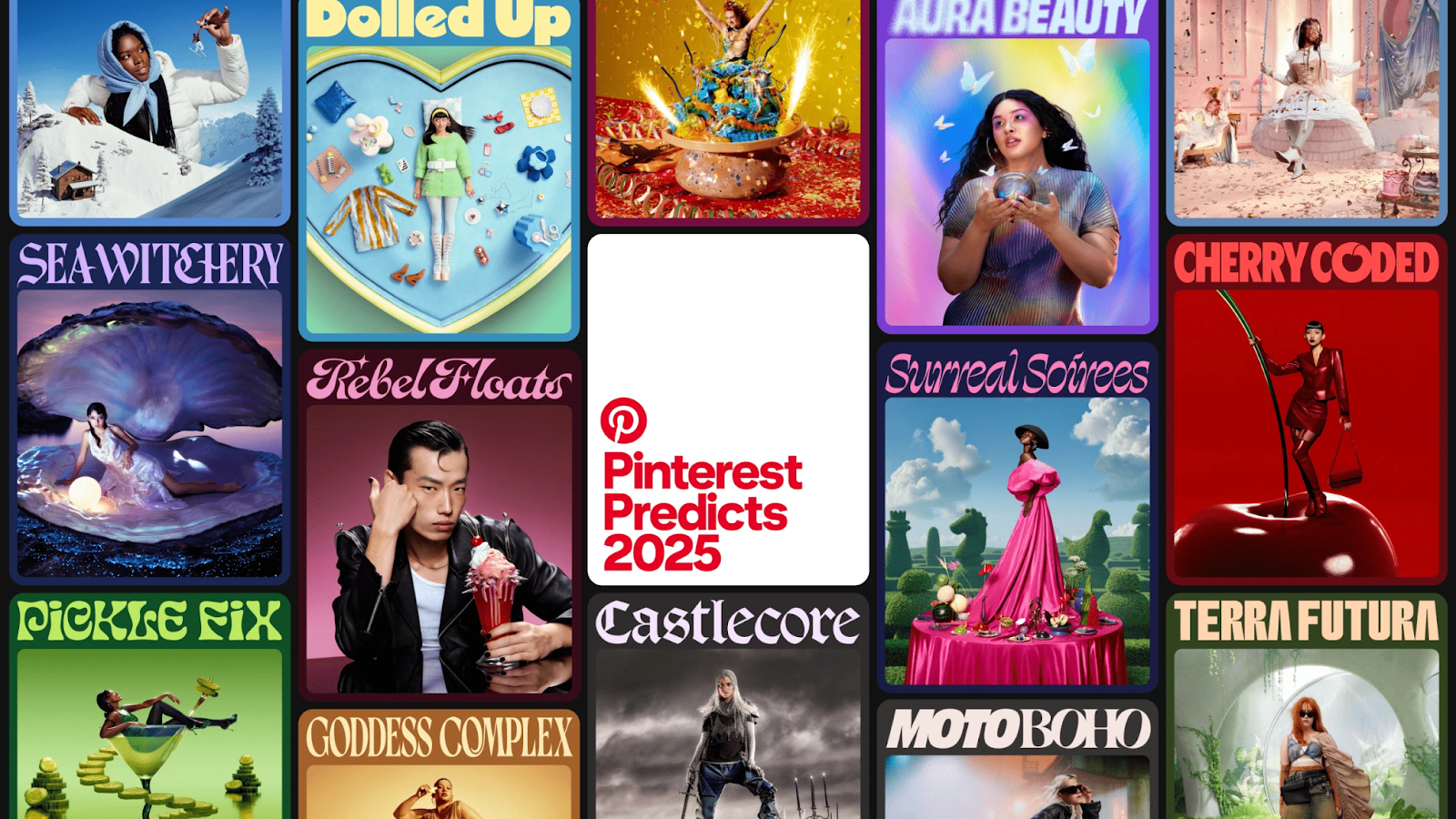
Pinterest predicts 2025
Pinterest is plotting on your new obsession
Make no mistake: Pinterest is not your quirky friend suggesting you try something new—it’s a corporate blueprint built from billions of data points, designed to steer the next 6 to 12 months of consumer behavior.
According to Pinterest itself, the report boasts an 80% accuracy rate.¹ That means 8 out of 10 trends they include do, in fact, go on to dominate timelines, moodboards, and marketing decks alike.
The reason for that isn’t magic—it’s momentum.
Pinterest has quietly positioned itself as one of the most powerful platforms in visual culture by tracking what people love; they’re nudging it forward, polishing it, and handing it to brands who then run with it.
Looking at you Jacquemus.
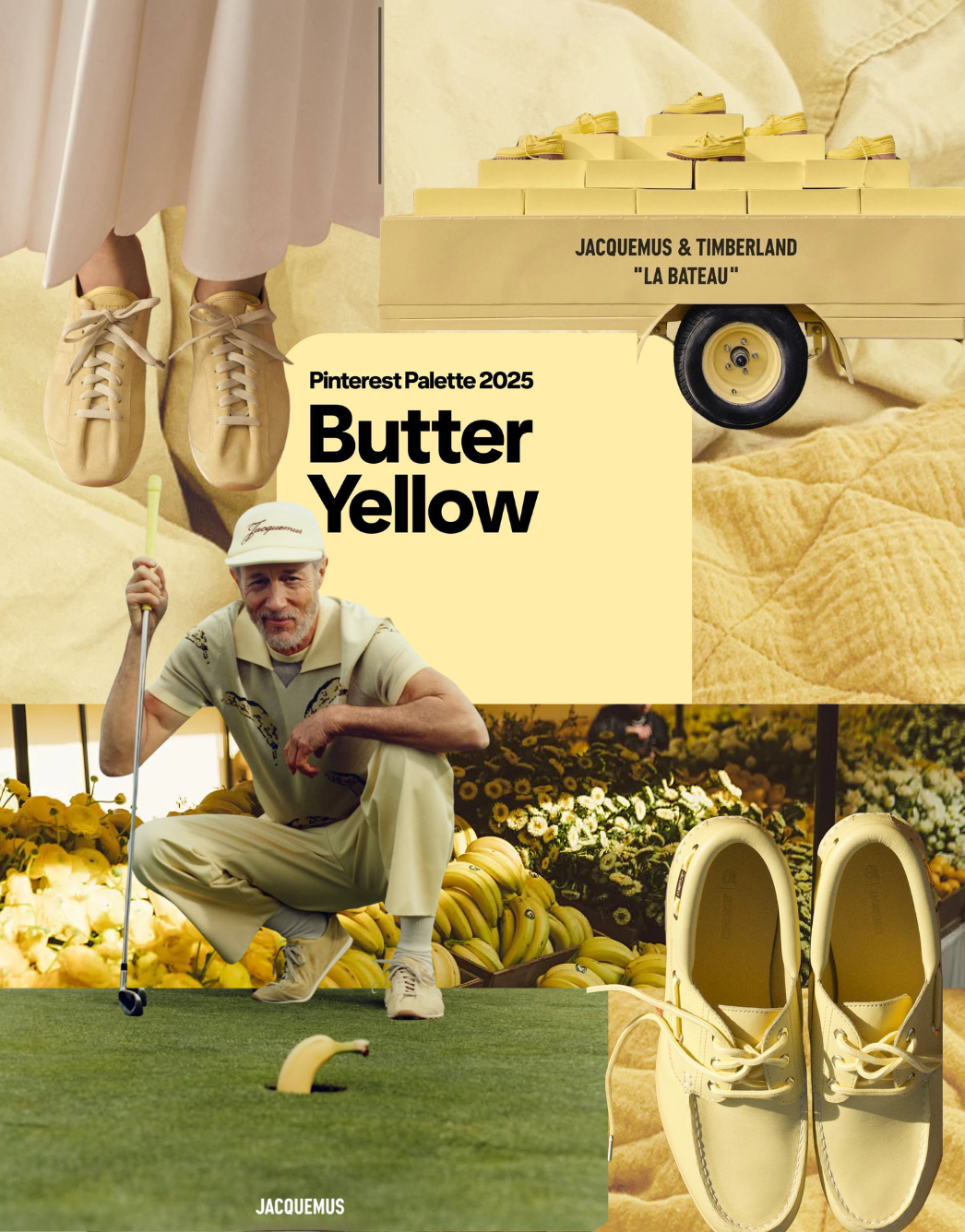
Let’s be honest. “Predicting” a trend only works if you’ve got enough power to ensure it actually happens. Pinterest does. And they wield it with surgical precision, down to which colours you can expect to see IRL and in-feed.
Here’s the process: Pinterest analyzes billions of pins and searches to identify the low-simmering interests bubbling just beneath the surface. Then, Pinterest selects a curated handful of these interest clusters, gives them a clever name and publishes them in a way that feels playful and inspiring, not prescriptive.
But the second that report hits? Marketing teams grab it. Agencies rewrite their decks. Influencers pivot their content plans. The ripple effect is immediate and strategic.
This is how you end up with the same trend popping up from different creators, continents apart. Pinterest uploaded the aesthetic into the cloud, and everyone—from your favourite stylist to your favourite snack brand—downloaded it.
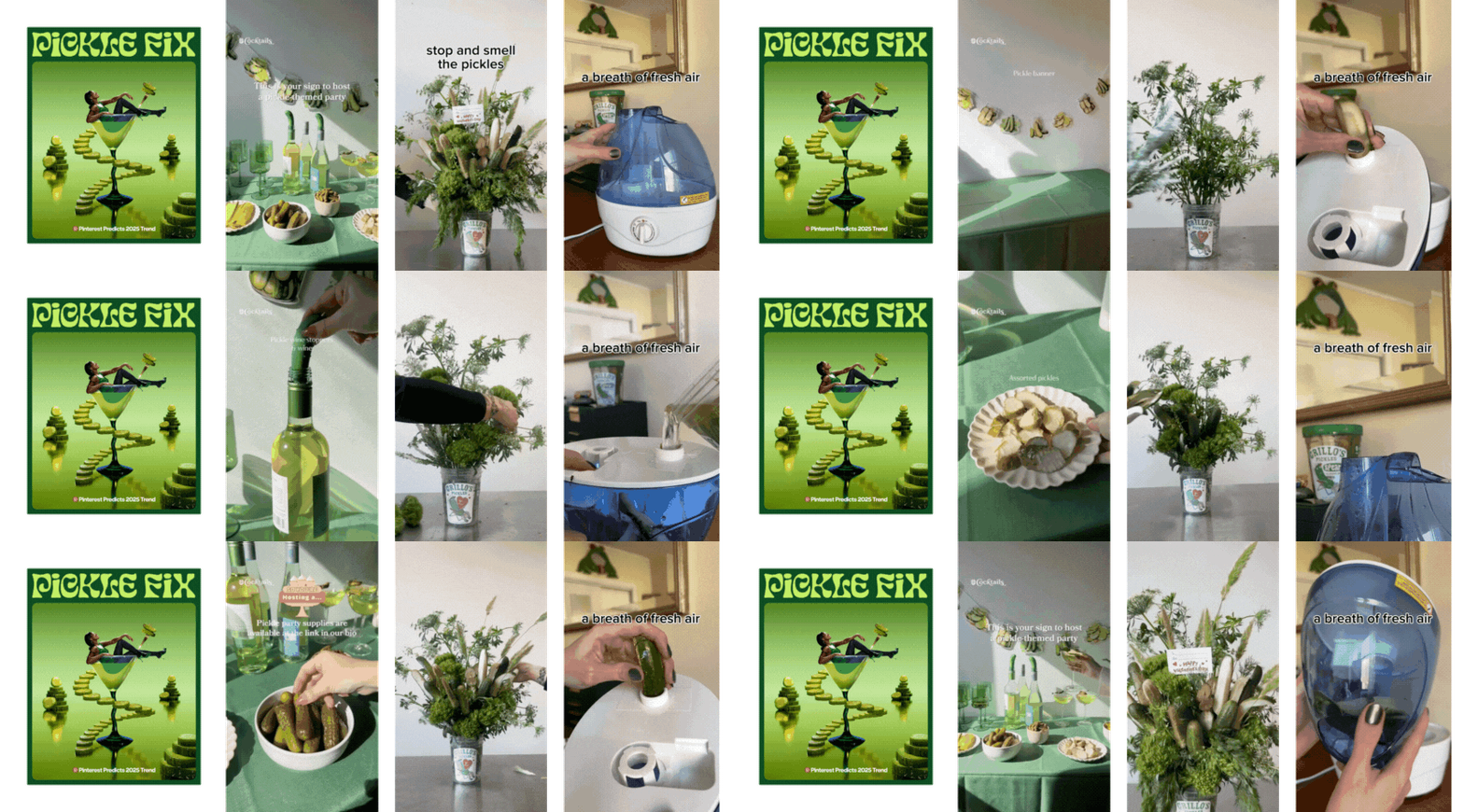
Pinterest Predicts: PICKLE FIX
Why Pinterest Predicts exists (hint: it’s not for you)
Pinterest pitches the report as a helpful, inspiring tool for businesses. But what it really is… is leverage.
Pinterest Predicts allows the platform to insert itself into marketing cycles at the ideation stage. It positions Pinterest not just as a social media platform, but as a cultural authority—a kind of aesthetically pleasing puppet master pulling the strings behind your next product launch, influencer collab, or runway trend.
Here’s what it gives businesses:
Trend Forecasting: Real-time behavior is analyzed and extrapolated to predict future interest.
Creative Inspiration: Think: We saw “Seeing Double” in Pinterest Predicts. Let’s mirror our homepage for the new drop.”
Early Advantage: Brands that adopt early win clout points for being “in the know.”
Data-Driven Validation: Every aesthetic shift comes with a spreadsheet to back it up. It’s creativity with receipts.
The brilliance of it is how non-threatening it all feels. Pinterest isn’t demanding you follow their trends. They’re just putting them out there…surrounded by soft gradients, handwritten fonts, and clever titles that make the marketing feel like a moodboard.
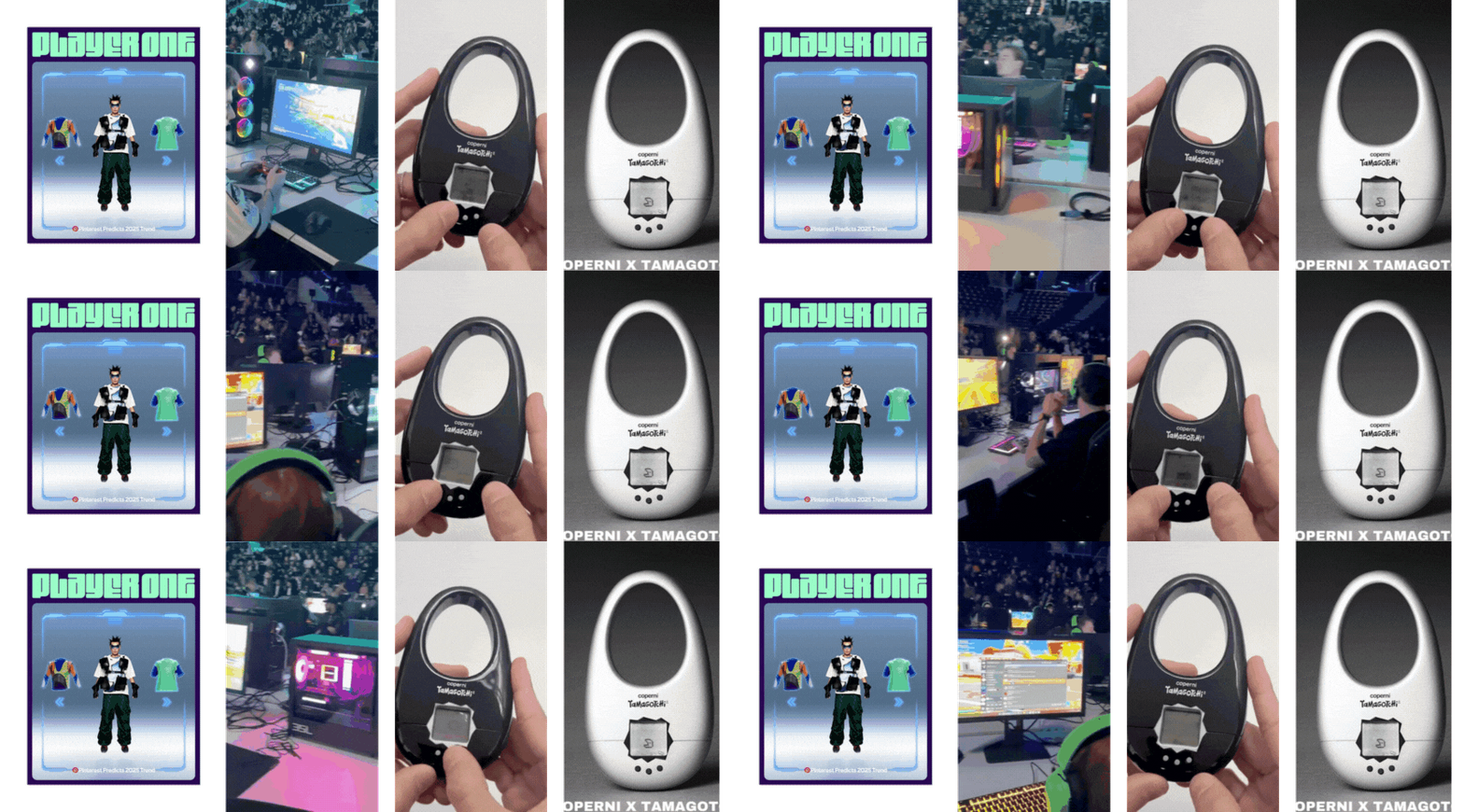
Pinterest Predicts: PLAYER ONE Coperni’s Paris Fashion Week Show and Limited Edition Tamagotchi
Who’s actually winning here?
Spoiler alert: it’s not the creators doing the cultural labor. It’s not the small brands trying to ride the wave after the crest. And it’s definitely not the Black and Brown communities whose innovations so often serve as the unpaid R&D department of the internet, only to see their work laundered through a sanitized, Pinterest-approved aesthetic a few months later.
The real winners are the players who sit closest to the money.
📈 The big dogs: agencies, retailers, brands
Once Pinterest Predicts drops, big brands are already mid-rollout—SKUs approved, shoots wrapped, and product lines built around trends before the public even clocks them. Agencies remix those same forecasts into high-ticket strategy decks, slapping on buzzwords and cashing in on ideas creators made viral for free. Retailers and pop-up curators close the loop, turning Pinterest moodboards into fully shoppable spaces.
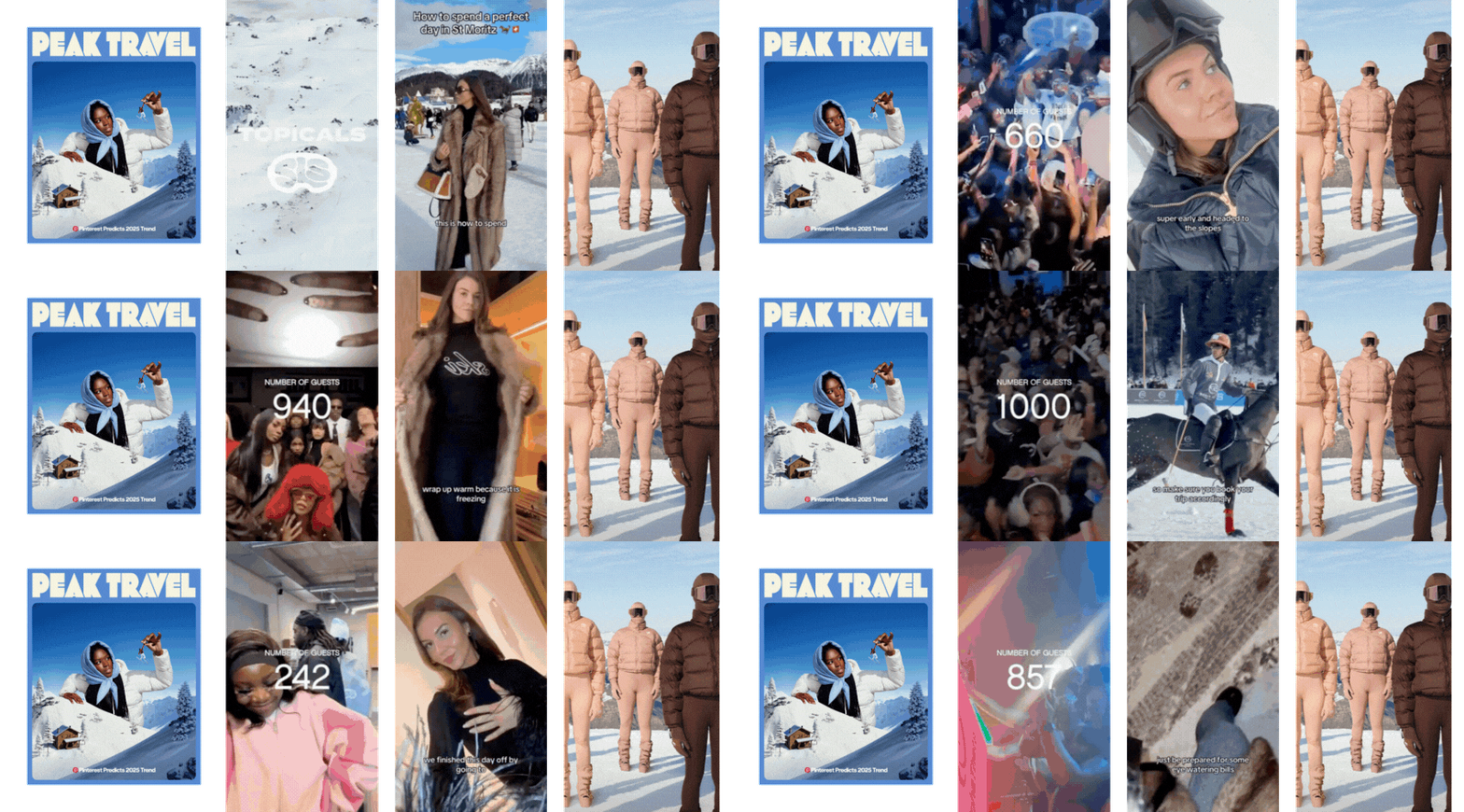
Pinterest Predicts: PEAK TRAVEL Topicals x SLS Influencer Ski Trip and SKIMS x North Face Ski Collection
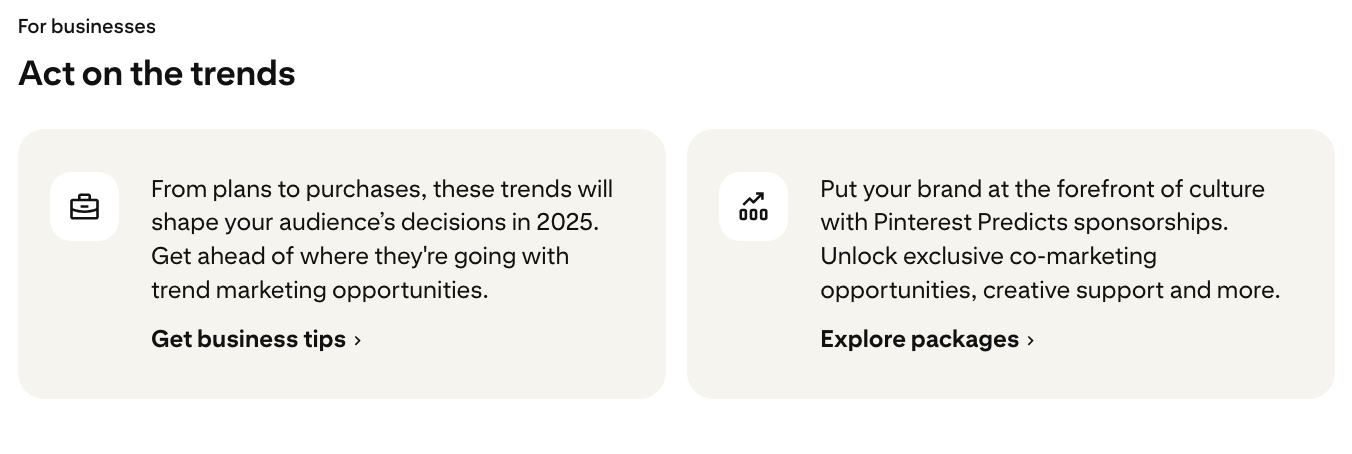
The CTAs in the report clearly have marketers in mind, as Pinterest is positioning itself as a supporter in helping brands build strategies around these trends.
Meanwhile, the people making the trends feel alive—the creators, the style innovators, the niche communities on the edge of culture—are often left in the dust.
They’re often reduced to being “early adopters.” Which is wild, because in many cases, they’re not early adopters.
They’re the blueprint.
But platform culture doesn’t reward origin. It rewards distribution. It rewards palatable. It rewards scalability.
So, unless you’re tied to a brand, an agency, or a platform with media muscle, your cultural capital often gets extracted, then erased, then sold back to you as a rebrand.
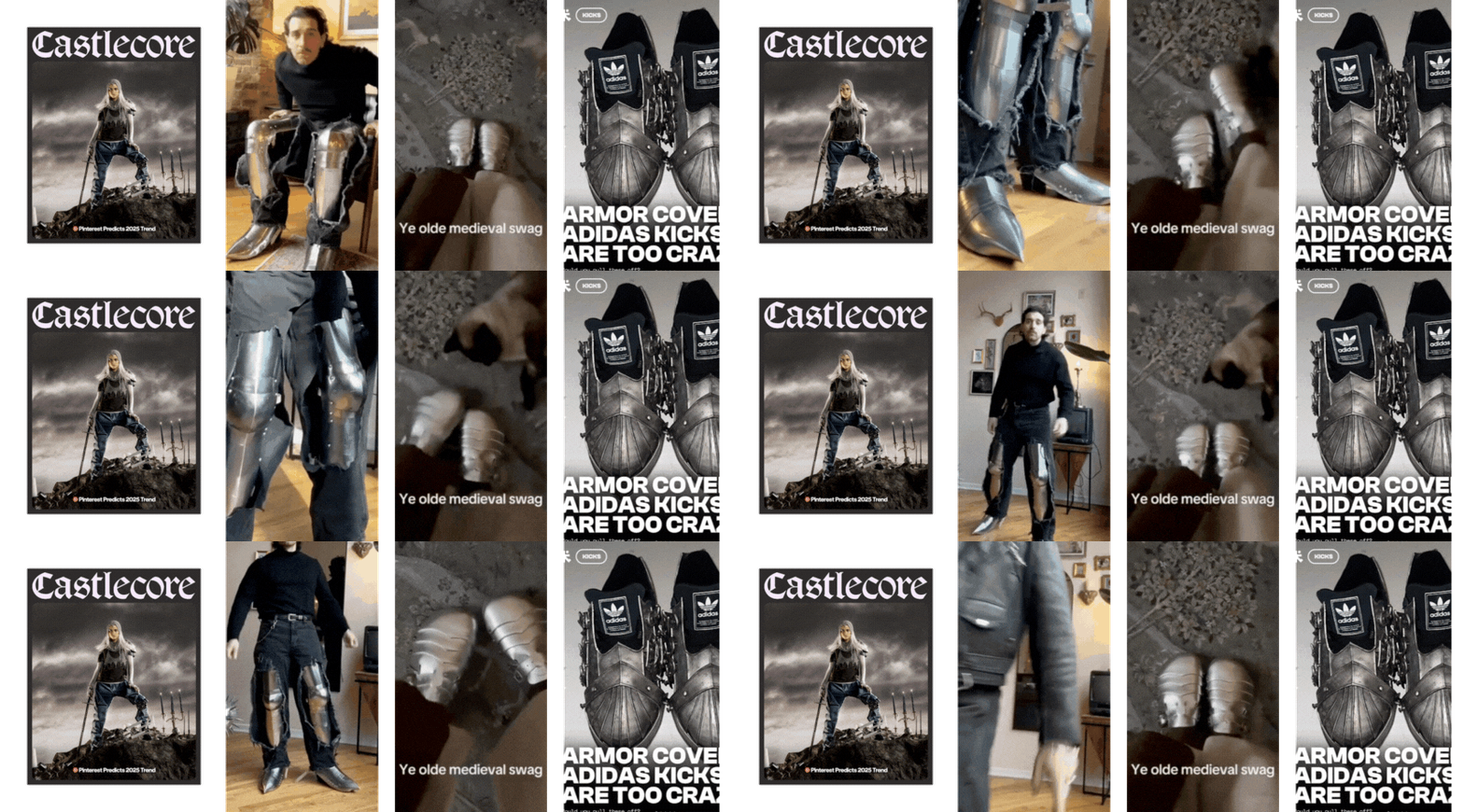
On the flip-side: we owe Pinterest their flowers
You gotta give it up to the Pinployees, they’ve managed to consistently bring the hype to fruition in a way that feels weirdly specific, inclusive of niche interests and also easy enough to participate in.
Moving like a publisher, retail outlet, and cultural producer, all at once?
I can tell you right now, if you’re still treating the Pinterest Predicts Reports like any other trend round-up, you’re gonna miss the rollout.
As marketers, we gotta ask ourselves:
Are we studying how the trend is moving, or just jumping on it once it’s already arrived?
Who’s actually at the center of the trend we're amplifying—and who got erased in the rollout?
What would it look like to partner with the source of culture, instead of just packaging the aesthetics for profit?
Because once Pinterest drops a trend, the chain reaction is set:
A Pin becomes a post, the post becomes a campaign, the campaign becomes a carousel, the carousel becomes a cart—and the cart? It becomes your target audience’s personality.
This isn’t random.
This is Because You Watched Culture™.
So quit playing with Pinterest and get with the programming.
They’ve already queued the Next Up suggestions:
📺 Sci-Fi: Urban Decay SG1: Sea Witchery
📺 Feel-Good Comedy: Uber to the Nesting Party
📺 Period-Drama: Chappell Roan’s Rocco Revival
Now you know what trend is up next!
👋🏾 Soooo…collective illusion is public enemy number one—Don’t Believe The Hype. Every so often, we’ll say the quiet parts out loud (in your inbox). So we can cancel or co-sign marketing or market trends and discern pop culture gems from flops together. And start making sense of the nonsense online.