

[ short answer ]
Why don't my customers come back?
Usually because nothing gives them a reason to return. Tupperware's containers lasted decades, yet the company filed for bankruptcy in 2024 after relying on home parties while buyers moved online. A great product earns the first sale. Repeat customers come back for something new, tested with a few regulars and offered next to the classics they already love, in the places they now shop.
Erykah Badu compared her career to Tupperware, and I can't shake it.
On a recent episode of The Shop, Scott Evans asked her how she judges a show when the crowd knows every word of the old songs and barely any of the new ones. She answered with a business history lesson. Tupperware, she said, made its containers so well that customers never had to come back, so the company went under. Then she pointed the comparison at herself: it's a challenge to play new music for an audience who's come to get Tupperware.
Erykah Badu on The Shop. Watch the full moment on YouTube.
That's a woman with nothing left to prove. Most owners only say this to their dishwasher. The thing people love you for can become the reason they never buy anything else from you.
Before the new album came out, Badu and The Alchemist tested the songs live in small, phone-free rooms. On the same episode, The Alchemist said he'd tried to talk her into slipping the classics into those shows. Her answer, in short: follow my lead.
He followed. Before the World Blows came out on August 28, 2026. And on this fall's tour, the new songs shared the stage with the classics people bought tickets for. "On & On" and "Appletree" sat on the same setlist as the album she'd fought for.
She didn't abandon the regulars. She tested the new material in rooms small enough to tell her whether it worked, then brought it to the people who came for the hits.
The part where everyone blames the containers: why customers stop coming back
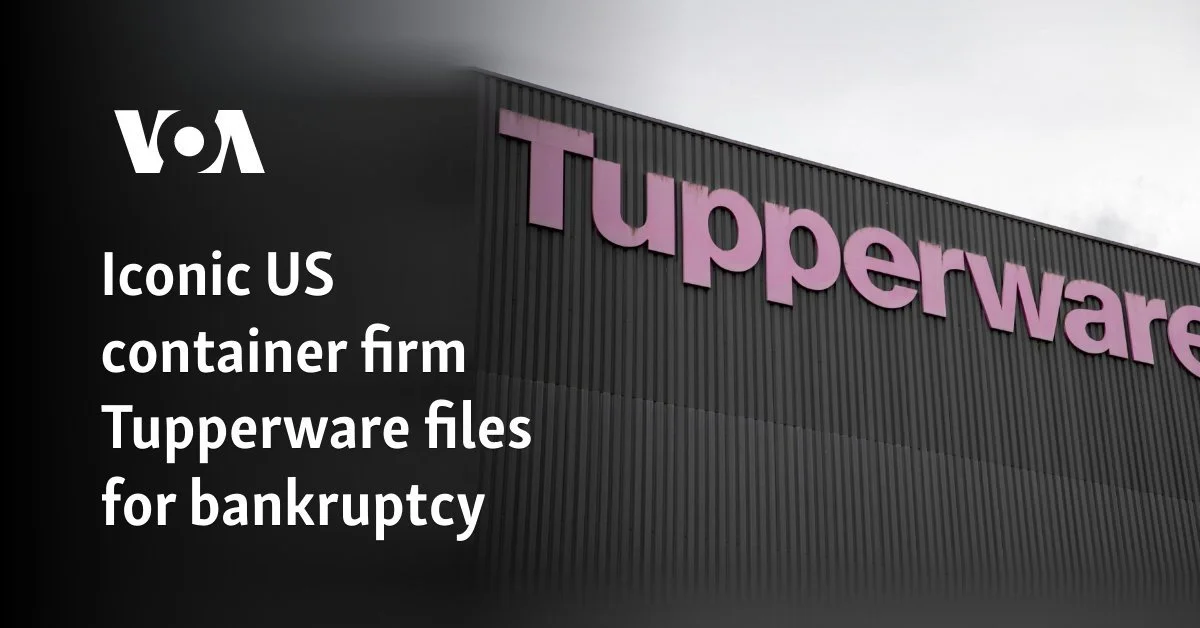
Source: Voice of America
Those containers were built to outlive us, and a lifetime warranty meant even a broken one got replaced for free. (The lids, admittedly, vanished into another dimension within a week. Different issue.)
So Badu's theory is sound. It's the version that went around when Tupperware filed for bankruptcy in September 2024, as people posted containers from the 1970s that still sealed and asked why they'd ever buy more.
The filings fill in the rest. Tupperware told the court its home-party model had turned from a strength into a weakness, partly because it came at the cost of selling online. Its restructuring officer admitted almost everyone knew the brand, but fewer people knew where to buy it. Add climbing costs for resin, labour and freight, and $812 million in debt.
The product held up. The system around it didn't.
I bring this up because small business owners make Badu's diagnosis about themselves all the time. Ask a room of owners how to get first-time customers to come back, and the top answer in an r/smallbusiness thread sums it up: just provide an excellent service and product.
Lovely advice. It was also Tupperware's entire business plan.
When regulars drift, the work is rarely the culprit. Watch what happens after the sale instead: whether they have a reason to return, a route back to you, and a way to see why you're worth the price.
Three counts against your comeback (you'll recognize at least one)
How often do we blame a stalled business on one thing? When really, we could build a RICO case.
Count 1: You're too reliable to come back to
The better your work holds up, the less reason anyone has to think about you again. Badu said Tupperware made smaller containers and other new products, and people still didn't need them. A product that lasts forever answers the customer's question once, then goes quiet.
So bake the next reason into the first sale. A check-in date, a refill, an upgrade, the thing that naturally comes after the thing they bought. Badu's version is new material, even when the room squirms.
Try this: what does your best customer need from you six months after they fell in love with what they bought? If the honest answer is nothing, you've built a very nice container.
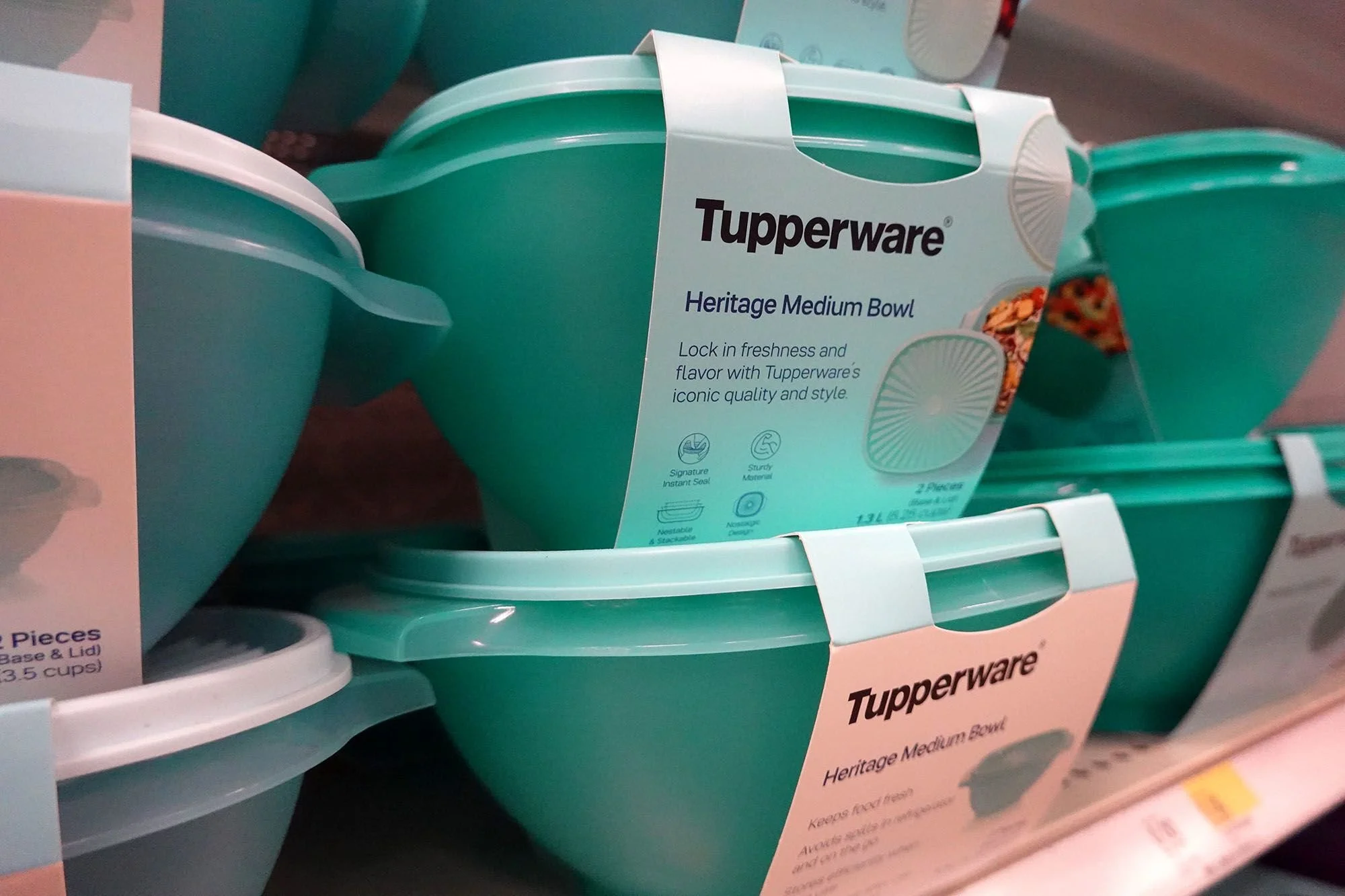
Source: CNN
Count 2: You're in the wrong room
Tupperware kept throwing home parties after its buyers moved online. Most businesses have a home party of their own: the place they keep showing up because it used to work.
Maybe it's the newsletter, that weekly letter landing in an inbox between a shipping notice and a password reset. Maybe it's a group, a fair, or a feed your regulars stopped scrolling. Trace where your last five repeat customers actually heard from you before they came back. If the answer is a room you've stopped paying attention to, start there.
Badu picked her rooms on purpose. Small and phone-free for the experiments, big stages for the tour. Choosing the room was part of the plan.
Count 3: Nobody can see the difference
Tupperware charged premium prices with cheaper containers one click away. A premium price only works when buyers can tell why. If your best work is invisible, you look like the cheaper option too.
The fix is to make the difference easy to say out loud. Ask your regulars what they'd tell a friend about you, and borrow their words for your website, your follow-up and the review requests you send. Badu's setlist works the same way. Next to the classics, the new songs have something to be measured against.
The verdict, tested on my own clients first
Badu's playbook has three moves. Test the new thing somewhere small. Hold your nerve when a smart collaborator asks for the safe hits. Then serve the tested new thing next to the classics.
Your classics bring regulars back once. A new thing, tested small and served beside the classics, gives them a reason to come back again.
That playbook belongs to Badu, though, and it won't fit you exactly.
When I ran my copywriting business, every client who finished a project with me went into a follow-up sequence. At one month, I checked in. At three months, I asked if anything had broken. At six, whether there was a next project. At a year, whether they'd thought about the next tier (usually speaking, which meant they'd need words for it). I stayed two or three steps ahead of what they'd need as they grew.
I've built a growth playbook from scratch at every company I've worked in. Some pieces survive every rebuild, and giving customers a reason to return before they need one is among them. The rest gets built from what your own regulars actually do.
Your move this week, before you close this tab
Write down your classics: the two or three things your regulars come back for.
Pick one new thing you've been sitting on.
Put it in front of five regulars, next to a classic, in person or in a direct message. Note who comes back for which.
Five regulars is a small room. Small enough to hear the squirm. Small enough to fix it before the big room. Small enough to do this week.
This is the part of the post where I mention I do this for a living. I do. If you'd like a second pair of eyes on what brings your regulars back, and what's quietly keeping them away, call RESONĀTE.