
Hella Perspective: The Wicked redefinition of professionalism
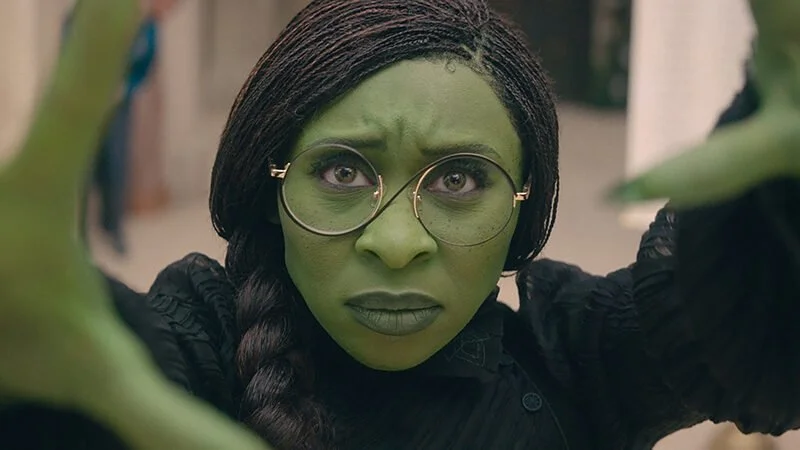
Elphaba Thropp played by Cynthia Erivo, Wicked (2024)
Professionalism has nothing to do with how you look—it’s how you deliver.
And it’s taught in grade school.
I watch my daughter navigate the shark tank that is middle school, and honestly, she’s already clocking in more “professionalism hours” than some grown adults I’ve worked with.
She’s out here navigating tricky social dynamics with the expectations of managing it with the grace of a seasoned diplomat. Her report card is basically a corporate performance review in disguise: graded on responsibility, organization, independent work, collaboration, initiative, and self-regulation. Sound familiar?
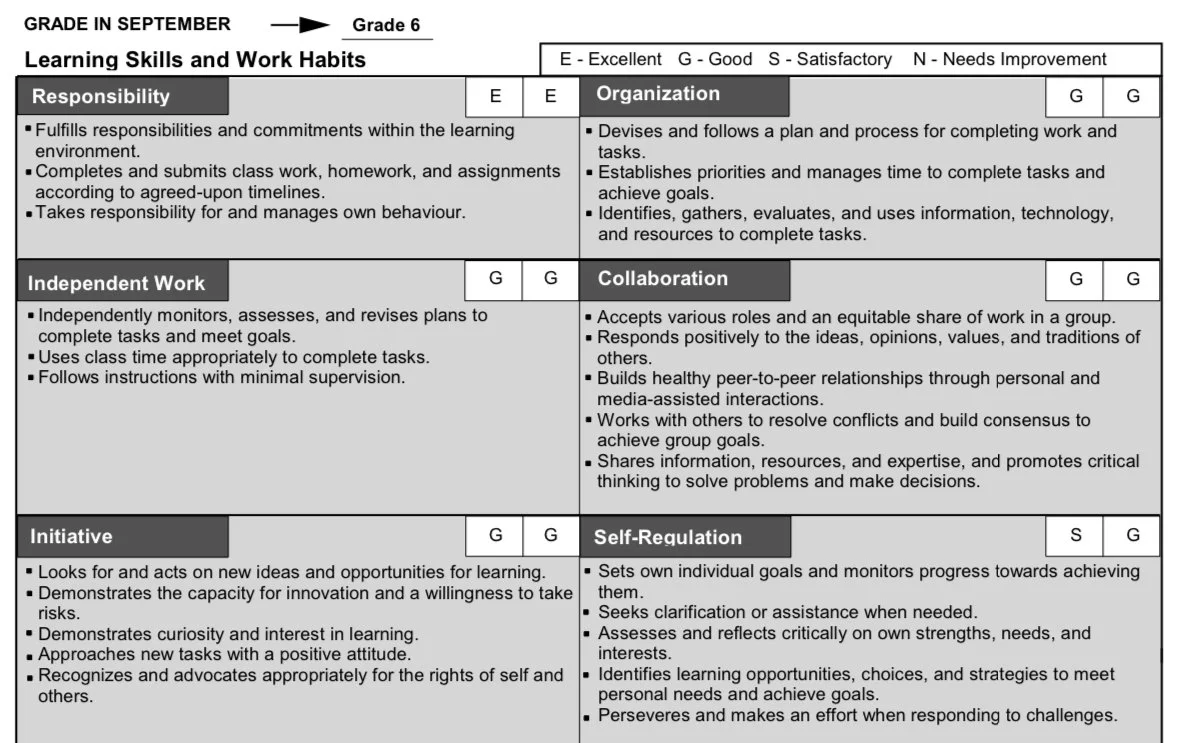
Grade School Report Card
She’s constantly testing the boundaries of her independence with her teachers—like it’s her full-time job. And to understand why, you’d need to know her a little better.
She’s that kid. The one who calls things out, asks the questions that make adults squirm and drops her opinions into conversations like truth bombs—completely unfiltered.
It’s both admirable and mildly terrifying. But her outspokenness often lands her in trouble, like the time her teacher told her to wear her Epipen fanny pack for an outdoor field trip. Her response? “I’m not allergic to outside.”
The same day, we got a call about her.
Here’s the thing, though…this so-called “trouble” isn’t defiance—it’s underdeveloped professionalism.
The thing we all stress over at work. Yeah, it starts way earlier than we realize. And it should have nothing to do with how you look, how loud you are, or whether you tick some outdated corporate checklist.
But it does, even at age 12.
And even in sci-fantasy movies, we can’t seem to escape it. Wicked is not a story about friendship or sisterhood. It’s about being easily cast aside because you don’t fit the “standard.”
If you don’t look the part, your confidence is labeled as cocky, your boldness as insubordination, and your assertiveness as aggressiveness.
Forget competence. You won’t even be offered the same liberties as your peers Glinda. And don’t think it’s any different in the classroom. A student’s behavior has influence on their grades—responsibility, collaboration, and initiative are right there at the top of the report card, bold as hell.
And as we slide further down the funnel of what passes for “professionalism,” the standards get more warped.
There’s a quiet conditioning that it's less about skill and execution and more about appearances and conformity. Frustrating for adults…sure. But downright sobering when you realize these murky standards are already shaping the next generation.
Watching my daughter navigate her social ecosystem with what can only be described as middle-school-level diplomacy (also known as controlled chaos) gave me hella perspective: What if we scrapped this broken script? And redefined professionalism altogether?
We need a Wicked redefinition.
The Wicked Redefinition of Professionalism And Acknowledgements to Those DOing It
You’d think professionalism would be a straightforward concept—show up, do your job, go home. But no, it’s layered with biases, outdated rules, and arbitrary standards like “Do you look like someone I’d trust with a spreadsheet?” Watching my daughter navigate the politics of middle school, where competence and behavior are weighed like some twisted corporate performance review, drove the point home: we’ve been conditioned from day one to stress over professionalism. And for what? To prove we can sit still and smile on Zoom?!
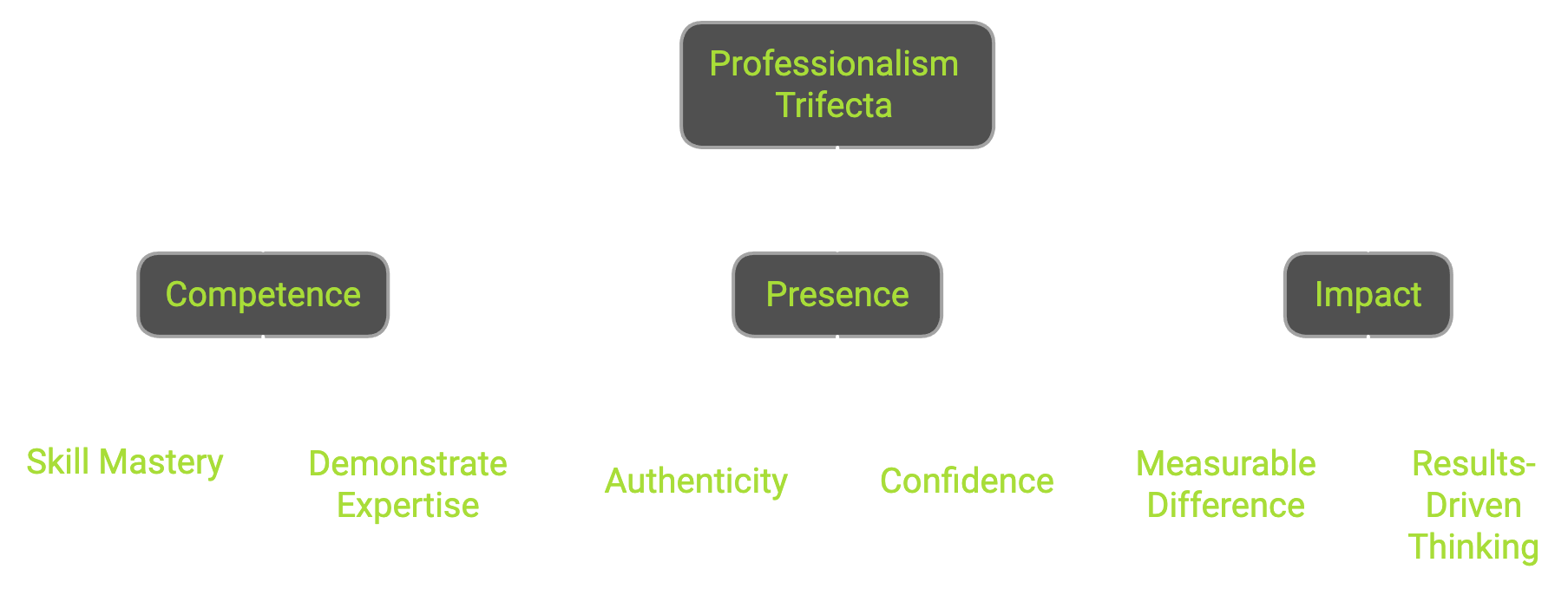
But who’s setting these standards…and why are we still following them? Enter Scott Evans, Kai Cenat, and Bozoma Saint John—three people who’ve ripped the mold to shreds and shown us the alternative. Each of them embodies what I call the trifecta of professionalism: Competence, Presence, and Impact.
Let’s give credit where credit’s due.
1. Competence
To Scott Evans, a walking masterclass in how to deliver—literally and figuratively. Not to be confused with Scott Evans, who played one of the Kens in Barbie (although, he’s cool too).
Whether this Scott is behind the desk at Access Hollywood or interviewing A-listers, I want to thank him for showing up ready. He doesn’t just skim the prep notes. He dives in like the pro he is. If competence had a spokesperson, it’d be him. And honestly, I’d trust Scott to negotiate world peace before I’d trust some of these LinkedIn “thought leaders.”
His most recent project turned my head and has me locked in like an after-school special. The YouTube series House Guest is an intimate, feel-good series where celebrity guests visit his home to share candid conversations and personal stories. It basically feels like you’re kicking it with good friends. You “come for the fun and stay for the joy.”
Scott Evans didn’t become a trusted face in entertainment journalism by accident. His rise is a masterclass in skill development and adaptability.
Do it like Scott:
Hone Your Craft Relentlessly: Scott mastered the art of storytelling, seamlessly blending entertainment news with relatability. Whether covering Hollywood gossip or human interest stories, he does it with a mix of charm and depth that says, “Yes, I did read the room, thanks.” It’s called versatility and consistency, people.
Stay Prepared: Scott doesn’t just skim the Wikipedia page before an interview—he comes armed with receipts. His prep game builds trust but also delivers value to viewers.
Own Your Niche: While the entertainment world is drowning in clichés, Scott stands out because he brings himself to the table. He’s not trying to be anyone else, and it shows. Lesson: your authenticity is way more interesting than blending into the beige backdrop.
Competence isn’t just about doing the job. It’s about elevating it, and Scott, you’ve done just that.
2. Presence
To Kai Cenat, who proves you don’t need a suit and tie to command attention. Thank you for redefining what it means to own a room—even if it’s a virtual one.
This example may be a hard pivot from what we’ve known to be professional (and my 12 y/o told me to leave this one out), but keep following along because his streams and videos are pure nonsense in the best way. Authentic, funny, and unapologetically him. Kai’s presence isn’t about being polished. It’s about being real. He leans into his quirkiness. He’s boldly himself, and that’s why millions can’t get enough.
He’s been making noise recently with the number of celebrity heads popping up on his live streams. Take notes, corporate overlords: even PR pros are amazed at the coordination, logistics and scheduling of running a modern-day Truman Show. His streams can get up to 23 million viewers.
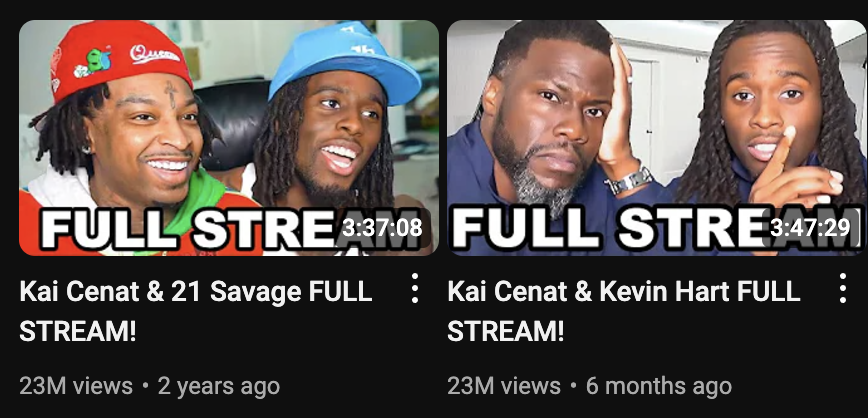
Youtube: Kai Cenat Live
Do it like Kai:
Build a Platform on Authenticity: Kai never tries to be anyone else. His humor, energy, and charisma make his streams and videos magnetic, pulling millions into his chaotic (but real) world.
Stay Consistent: Whether he’s streaming for hours or creating viral YouTube content, Kai consistently shows up for his audience. Presence isn’t just about showing up once and hoping for the best. It’s about doing it again and again until people can’t get enough of you.
Turn Vulnerability Into Strength: He doesn’t shy away from showing the messy parts of his journey, making him relatable and approachable. Confidence isn’t pretending you have it all figured out—it’s owning the process like a boss.
Presence isn’t about blending in or following a script. It’s about showing up, being seen, and making people remember you—like Kai.
3. Impact
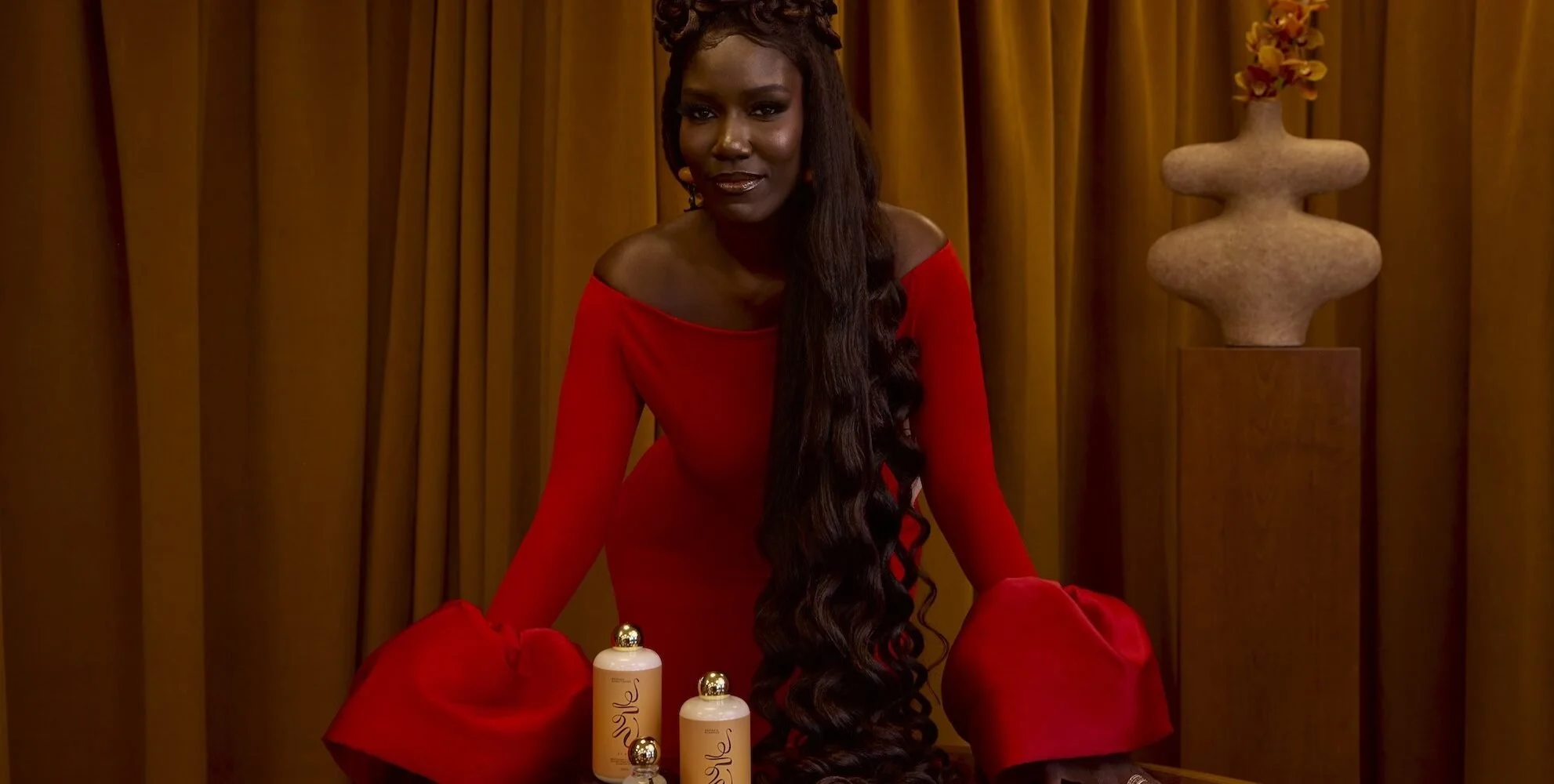
To Bozoma Saint John, she doesn’t just walk into rooms—she owns them. Thank you for showing us what’s possible when purpose meets execution.
From rescuing Uber’s reputation to running game-changing campaigns at Apple and Netflix as the CMO, Bozoma redefines what it means to leave a legacy. Her impact isn’t just felt. It’s seen—bold, unapologetic, and impossible to ignore. She’s proof that professionalism isn’t about playing it safe. It’s about making moves that matter.
This unstoppable force has gon’ on and launched Eve by Boz. A haircare and wig brand that is manufactured in her homeland of Ghana. It’s a revolutionary act that despite Black women and women of color holding 80% of the buying power in this industry—don’t have a say—Boz became instrumental in how these products are constructed.
Do it like Boz:
Make Bold, Strategic Moves: Bozoma Saint John didn’t wait for permission to lead with her ideas. Her bold campaigns reflect her vision, even if they challenge norms and make the old-school execs sweat. You can’t leave a legacy by coloring inside the lines.
Leverage Cultural Intelligence: Boz doesn’t just market products. She connects them to culture in a way that makes brands feel human. The secret sauce to staying authentic is being who you are while still resonating with your audience. It’s not magic. It’s a skill.
Prioritize Visibility: She doesn’t shy away from taking up space. Whether on stage or in a boardroom, she ensures her voice is heard and her work is seen. Take notes: your impact is only as big as the space you claim for it.
Boz, you’ve shown us that real impact goes far beyond job titles—it’s about creating meaningful, lasting change.
Guilty as F*ck: Who knew The Olympics and corporate culture have so much in common?! →
These living examples show us how to rewrite the rules of professionalism and make it work for us—from my 12-year-old powerhouse to Wicked’s Elphaba, you can be a Scott mastering their craft daily, a Kai owning their authenticity by inches or a Boz leaving a lasting impact on Zoom meetings.
Your work inspires us to rethink professionalism as something dynamic, inclusive, and rooted in what actually matters: competence, presence, and impact—the professionalism trifecta.
So here’s to them (you)—and here’s to anyone who’s ever been told they don’t “look the part” but delivered anyway.
Let’s stop stressing over fitting outdated standards and start celebrating the people brave enough to elevate ‘em.
👋🏾 Soooo…collective illusion is public enemy number one—Don’t Believe The Hype. Every week, we’ll say the quiet parts out loud (in your inbox). So we can cancel or co-sign marketing or market trends and discern pop culture gems from flops together. And start making sense of the nonsense online.
P.S. That’s a wrap on Season Two of Don’t Believe the Hype! We’ll return in the new year, ready to cancel or co-sign whatever marketing trend decides to embarrass itself next. See you then…