
Guilty as F*ck: Who knew The Olympics and corporate culture have so much in common?!
👋🏾 Soooo…collective illusion is public enemy number one. “Don’t Believe The Hype”. Every Tuesday, we’ll say the quiet parts out loud (in your inbox). So we can cancel or co-sign marketing or market trends and discern pop culture gems from flops together. And start making sense of the nonsense online.
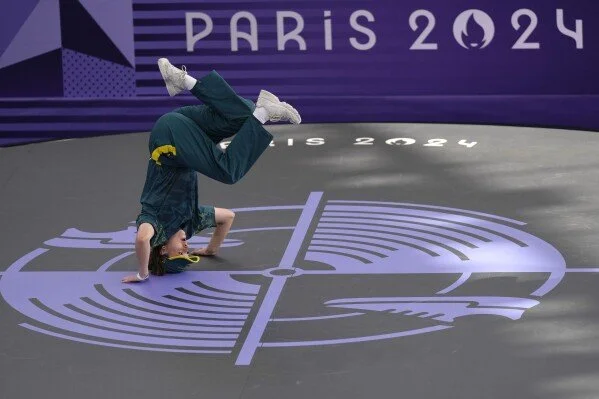
“I was never going to beat these girls on what they do best — their power moves,” said Gunn. “What I bring is creativity.” Source: APNews
How many times have you been passed over by a company because you didn’t meet the requirements?
Then you saw who got the job instead. How disappointing…for them.
Break Dancing's Olympic debut at the 2024 Paris Games raised questions about whether it authentically represented hip-hop culture.
“B-girl” Rachael Gunn, known as "b-girl Raygun," gained attention for her interpretation of Breaking but did not score any points in the competition.
And rightfully so (see video at the end of article).
But, how do we define "authenticity"?
Staying true to the traditions and origins of a practice or art form.
Acting in alignment with one’s values and beliefs.
Being recognized and accepted by the community as genuine.
Preserving the original context and meaning.
Or feeling a deep, sincere connection to an experience or expression?
This is a hard one. Drop your answer in the comments section.
The Olympics is a unique global spotlight to amplify an art form (Breaking), but if not careful, it can also strip it of its soul.
Just like corporate culture is a great platform to amplify the diversity of people and ideas, it can also squeeze the hell outta our pinky toe (in a one-size-too-small heel).
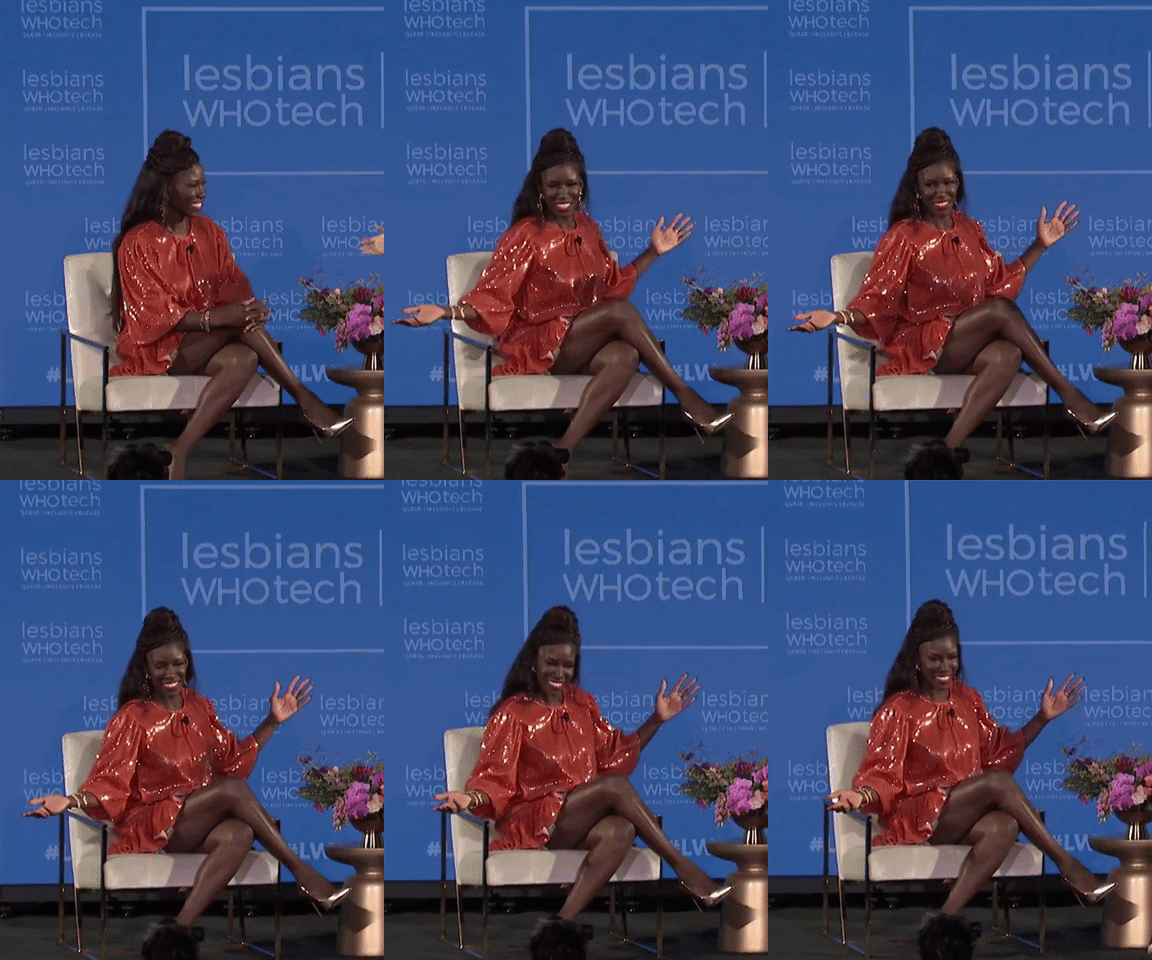
And that’s what I’ll be referencing authenticity as—for the rest of this article, a pinky toe—shout out to Bozoma Saint John for that metaphor. *She is one of the most authentic people in her professional career.
Therefore, if companies don’t want to get watered-down versions of the talent they hire, company culture should embed the following three key elements:
#1 Equitable Representation, Now
Homogenized corporate culture has been the norm for many years i.e. hiring folks who look like the majority.
However, homogenized thinking lacks innovation.
The Olympics introducing Break Dancing at the Paris Games is a major win for the art form on a global scale, but the cultural integrity is at risk. Similar to when companies hire under a DEI lens, the current landscape needs to be set up to support a broader representation of talent.
#2 Voice and Ownership, Now
Once inside, that talent needs to have a seat at the table, not only an invitation. It’s not enough to say you’re here and be grateful. We need to be able to shape the culture.
Similar to how the hip-hop community was concerned about the Olympic commercialization of Breaking—they didn’t involve those directly connected to the culture in the decision-making.
When companies tap into their employees to contribute to cultural and operational decisions, employees feel a sense of ownership over their work and contributions. This loosens the tight squeeze on their pinky toes (aka authenticity, remember?).
#3 Continuous Education, Now
However, it doesn’t stop there. Culture evolves, imposters infiltrate, and cosplaying occurs. Why? In short, entitlement.
“When you're accustomed to privilege, equality feels like oppression.”
Sharing privilege is difficult for some. And to cope, it manifests in different ways. Positively, as an ally. And in the case of “B-girl” Rachael Gunn, as a culture vulture.
cul·ture vul·ture /ˈkəlCHər ˈvəlCHər/
n. someone who adopts elements of another culture without genuinely understanding or respecting its significance
‘…and benefit from.’
There is an inherent benefit to adopting cultures outside of societal norms like economic growth, but I touched on this in another article (Thristy as F*ck). Companies should strive to preserve the diversity of their people and thoughts without diluting or misrepresenting them.
That means:
feedback channels
diverse hiring panels
employee resource groups (ERGs)
leadership training incorporating cultural nuances
and culturally relevant marketing and communication
Otherwise, there’ll be a lot of pinky toes squeezed to death. And how many companies are already guilty as f*ck?
To be fair—most companies do widen their hiring lenses, but the power move is how they retain the same talent they recruit.
And as much noise as you hear around DEI initiatives, don’t believe the hype. They will often settle for the watered-down version instead.