
Thirsty as F*ck: Was 2020 the best year for human capital?
👋🏾 Soooo…collective illusion is public enemy number one. “Don’t Believe The Hype”. Every Tuesday, we’ll say the quiet parts out loud (in your inbox). So we can cancel or co-sign marketing or market trends and discern pop culture gems from flops together. And start making sense of the nonsense online.
Corporate workplaces are thirsty for DEI hires, Chat GPT and hybrid models, but it’s also the 13th reason why companies should foot our therapy bill.
Is That a Hard “er”??
It’s a DEI Hire
At the height of the Black Lives Matter movement (in 2020, shortly after George Floyd riots against police brutality), companies from far and wide coveted Black talent.
Head of D&I roles were plentiful and well-paid, too.
Due to legal and compliance pressures, companies saw the need for equal employment opportunities and to avoid potential lawsuits related to discrimination.
As societal awareness around social justice issues grew, so did social responsibility. Companies faced increased pressure from stakeholders, including employees, customers, and investors, to showcase a commitment to diversity and inclusion.
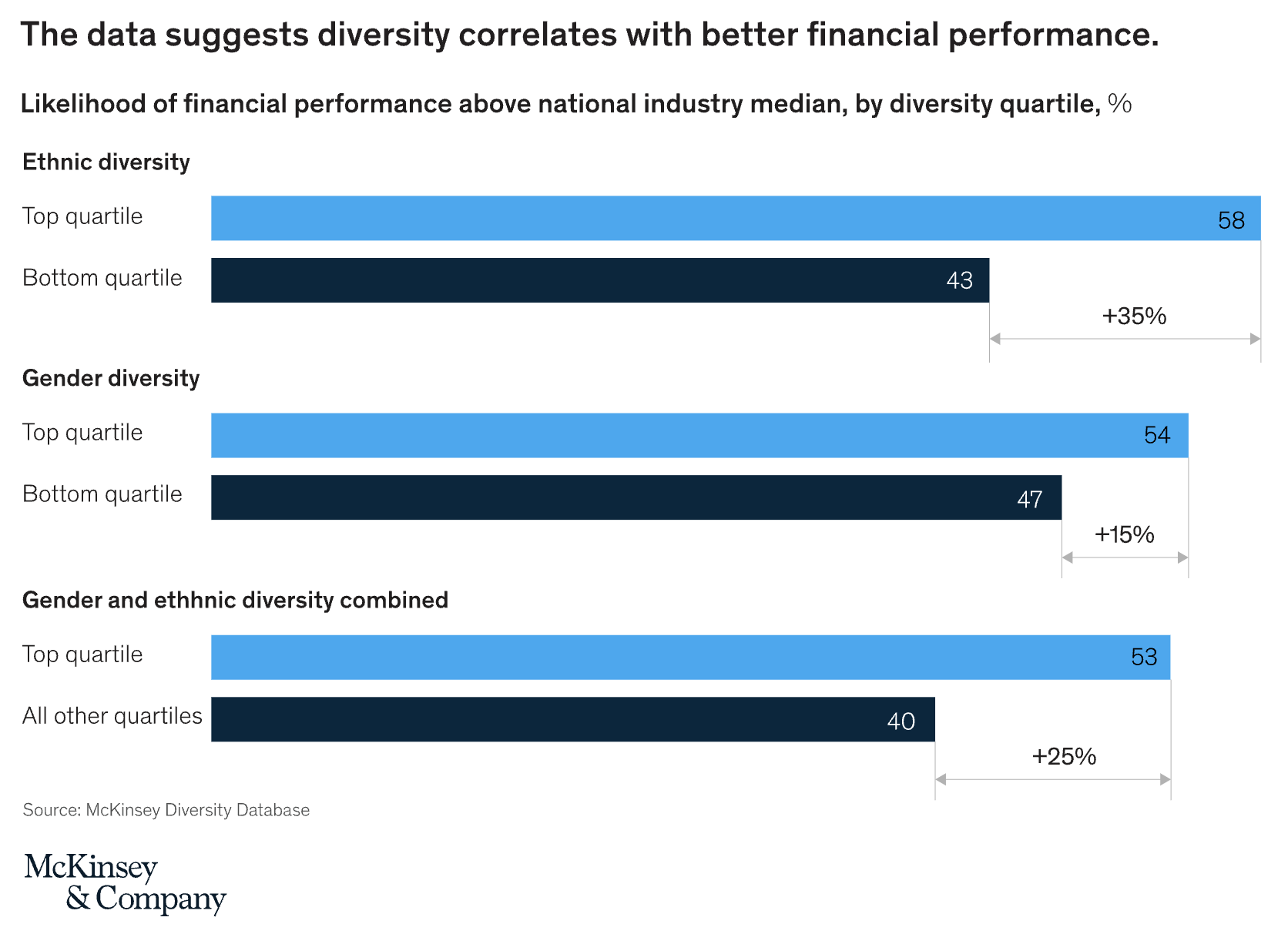
McKinsey & Company research clearly outlined the increased business performance when diverse teams are on board. This leads to better decision-making and innovation, which improves competitiveness and financial performance.
Cue graph for receipts.
Fast-forward to today, and that’s no longer true?!
To be a “DEI hirRE” is to lack qualifications, I’m sorry?? To be honest, DEI is starting to sound like a slur these days.
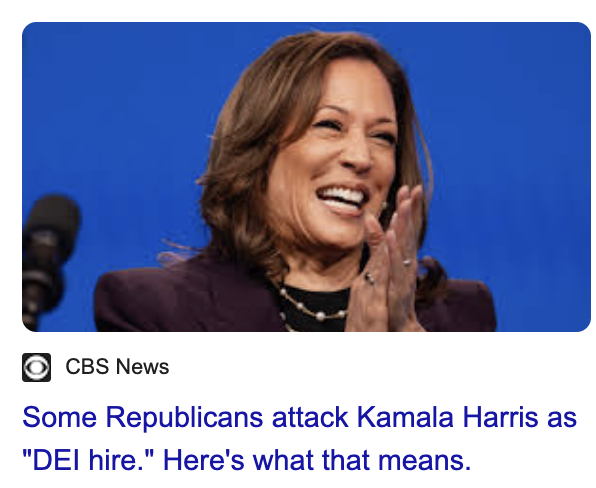
Exhibit A of VP Harris' recent press
Self Driving Careers
It’s a Chat GPT
And where do I even begin about the Olympic race companies are in to adopt AI and Automation expeditiously!
They’re deprecating roles and conducting mass layoffs so fast that they forgot to reskill employees to keep pace. If the aim was to improve efficiency and reduce costs, you kinda failed.
Hi. Do we have a global skills shortage in the room?
As industries rapidly evolve, there is a mismatch between the skills workers have and the skills employers need. Reskilling helps bridge this gap…and keeps the costs low.
However, companies are more worried that reskilling their employees will provide a direct path to job security despite the uncertain job market (people becoming highly employable—who wants that? *Sarcasm alert*).

Workers seamlessly exiting for new roles outside of the company doesn’t sound like a good time, I guess. But, this logic is flawed because employees can also transition within a company.
It’s risky, but outsourcing everything to AI is also risky.
Either way, adaptability is crucial in a world where job roles and requirements constantly change. What are companies going to keep doing? Fire people only to replace them six months later? That’s expensive and inefficient.
A workforce that is augmented with technology and continuously learns and adapts is better positioned to drive innovation within a company.
Because succession is not only reserved for the award-winning TV show, there’s planning involved. The happy side effect is that when a company prioritizes reskilling, it becomes a talent destination.
Now, I didn’t go digging for the research on this, but I am willing to bet worldly riches that employees who are exposed to new ideas and technologies (through reskilling programs) are more likely to be creative, solutions-driven and contribute improvements.
Betting all the gold on this.
Flexibility is Only For Yoga (And Pretzels)
It’s a hybrid Model
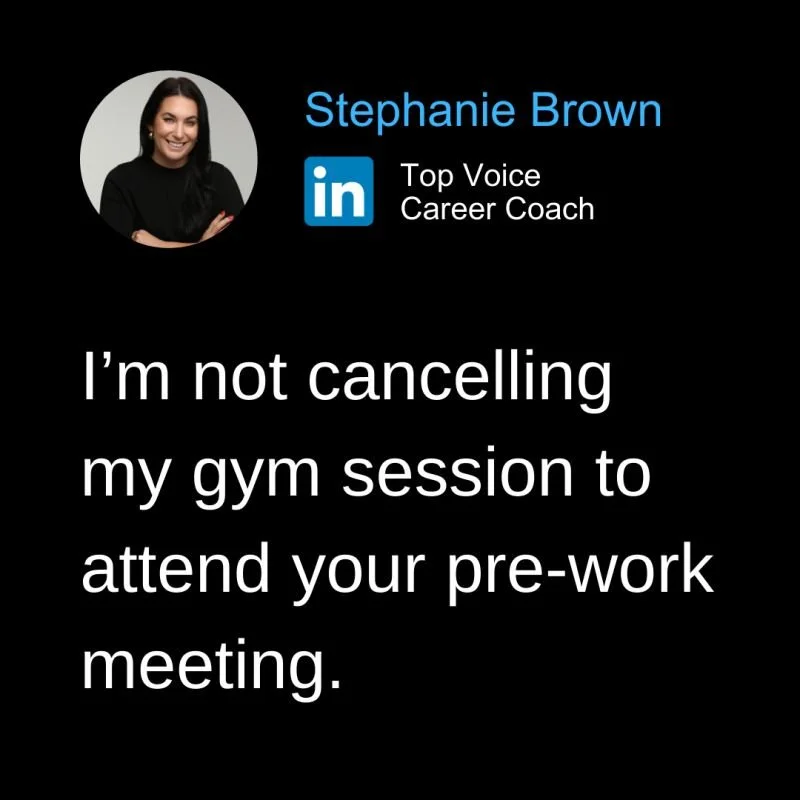
Back in good ol’ 2020, the COVID-19 pandemic forced us to stay indoors.
And companies were like, “No problem. Here’s a laptop. You can work from home.”
Remote work became necessary, leading to permanent shifts in work models. Companies had to invest in digital tools and technologies to maintain productivity and communication. But once our sneeze was no longer deadly, it’s like they forgot we could do all that monotonous work in PJs.
Forget flexibility and work-life balance—I need to see your productivity in person.
And if we’re ALL being transparent here, the Hawthorne Effect kicked in, and the ones who complained about remote work the most were usually the ones who needed to be watched. Shhh. You’re telling on yourself.
The Hawthorne Effect: a type of human behavior in which individuals modify an aspect of their behavior in response to their awareness of being observed
Never mind that flexible work arrangements are valued by top performers and can lead to higher levels of job satisfaction, which reduces turnover, and helps companies retain their talent. F*ck that!
A survey by Buffer (one of my favorite examples of a remote work environment) found that 98% of respondents wanted to continue working remotely, at least part-time, for the rest of their careers.
Not to mention, remote work allows companies to hire from a global talent pool (remember the whole “DEI hire” benefits thingy?).
There will always be a war for talent, despite the current bear job market.
Don’t believe the hype.
Companies will bend the rules and play the fool, but they’ll always be thirsty as f*ck for human capital.
They just want to lower the demand first.