
Hella Great: The 5 Gen Z slang, brands should adopt, immediately
What’d I miss?!
I’ve returned for season two of “Don’t Believe The Hype,” and I have a lot to get off my chest, but I’mma pace myself.
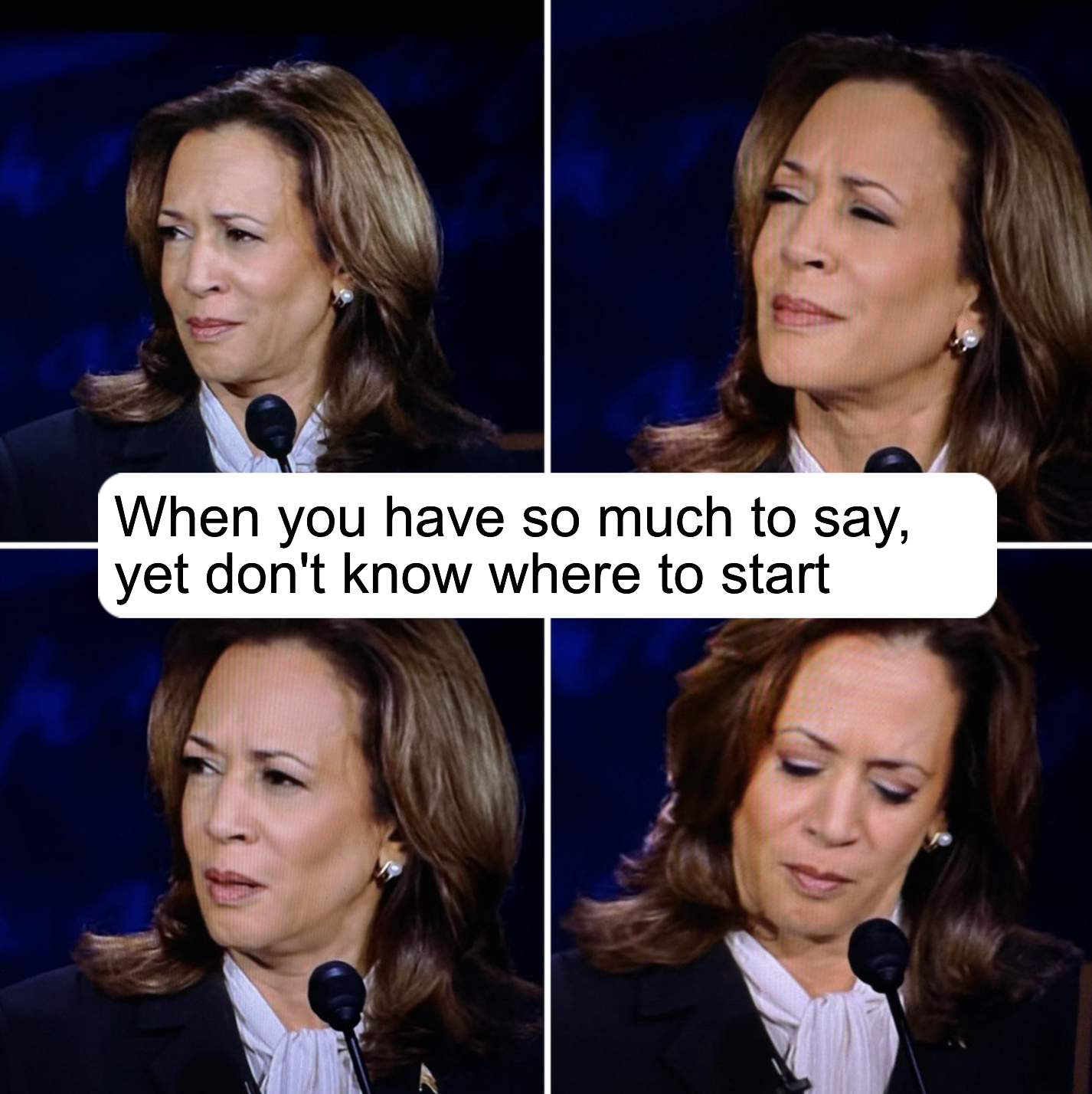
We’ve entered a new era, folks, and I can feel the impact a lot more as an elder millennial. My knees are tingling.
Two generational forces—Gen Z and Gen Alpha—are transforming how brands SHOULD approach everything from marketing to corporate values. But before we swan dive any further, let’s get on the same page regarding the age range of these game-changers.
Gen Z: born between the late 1990s and early 2010s, they’ve grown up in a world shaped by social media, instant information, and global interconnectedness.
Following closely behind, Gen Alpha: those born from the early 2010s onward, are the first generation to grow up in a fully digital world from day one.
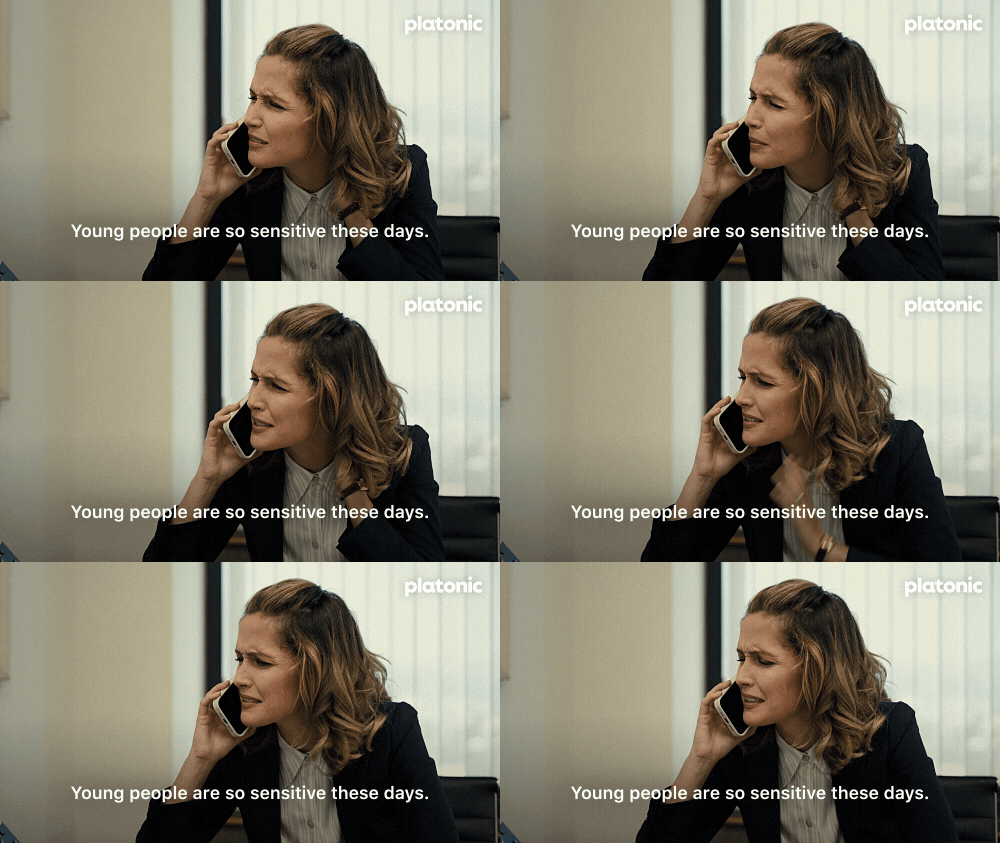
Combined, these two generations may be more sensitive to what’s happening in the world today, and the generations before them should touch grass—don’t believe the hype.
They still have an immense cultural and economic influence that brands can no longer afford to ignore. Despite their growing power, many brands are missing the mark by relying on outdated strategies that worked for previous generations and are rapidly becoming irrelevant.
Traditional methods, like one-size-fits-all advertising, flashy but shallow brand messaging, and performative social responsibility, are falling flat with younger audiences who demand more than just a product—they want a brand to stand for something.
One-dimensional approaches don’t work with multi-dimensional beings.
Gen Z and Gen Alpha care deeply about issues like climate change, diversity, equity, inclusion (DEI), and social justice, while many brands are still stuck chasing short-term profits, appeasing shareholders, or trying to navigate the political minefield of today’s cultural climate.
This disconnect has caused a massive blind spot, leaving brands scrambling to keep up with younger consumers, who are savvy, socially conscious, and quick to call out inauthenticity.
The Gen Z Slang Brands Should High-key Have On Their Radar, Iykyk
1. Gen Z’s Spending ‘Rizz’
(also known as spending power)
“Gen Z currently holds $360 billion in disposable income globally” (Bloomberg, 2021), which is rapidly increasing as more of them enter the workforce. Their growing disposable income is tied to a cautious and entrepreneurial mindset.
Being raised by Gen X and Millennial parents, they’ve seen the societal lies that were fed. That’s why so many of them prioritize financial security over family obscurity. Saving and investing is their white picket fence instead.
2. Brand ‘Drip, No Cap’
(also known as loyalty & authenticity)
“67% of Gen Z believe that brands should contribute to society, not just make a profit” (Edelman's 2023 Trust Barometer). They are drawn to brands that stand on business, especially when it comes to social justice and environmental sustainability.
The collapse of the purchase funnel (buyer’s journey) is upon us. Gen Z expects ongoing engagement from brands, they ask more questions and want experiences—not transactions.

Edelman's 2023 Trust Barometer Report
3. Social Media ‘Pull’
(also known as savvy)
“85% of Gen Z use social media to learn about new products” (Forbes 2020), making platforms like TikTok, Instagram, and YouTube key to engaging them.
Traditional advertising methods are dismal. The millions spent on Super Bowl ads or the Wendy’s coupons we receive in the mail are losing their appeal/rizz. You can argue that Kanye’s commercial is the outlier, but it had to go viral on social media first for them to take notice.
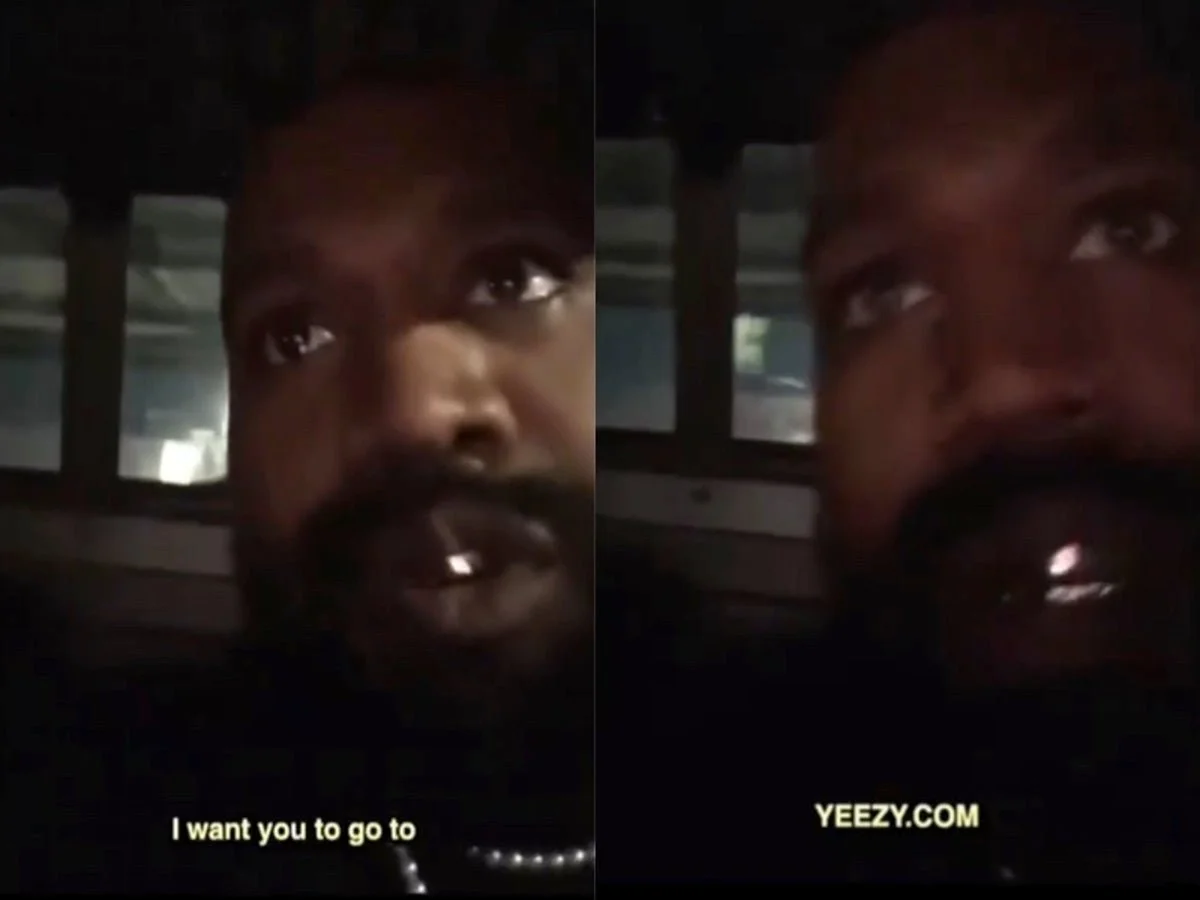
2023 Kanye West Superbowl commercial
Jools Lebron’s trend is a cultural moment. But what makes cultural moments like these happen? There are a few ingredients you need...
Real as F*ck: We keep it demuretsy over here. →
4. Diversity and Inclusion ‘Sus’
(also known as suspicious behaviour)
“80% of Gen Zers said that it’s important for brands to address diversity and inclusion” (Forbes 2022). Gen Z actively support brands that promote DEI, with nearly half stating that they expect companies to speak out against racial inequality and other societal issues…and if not, it’s giving sus behaviour.
Workplaces that cling to outdated definitions of abilities when neurodiversity abounds. And cherry-pick identities for talent as a ‘culture fit’ into homogeneity without genuinely embracing intersectionality?
All of that—is not hella great for a brand’s rep.
5. Digital ‘Wokeness’
(also known as awareness)
Gen Alpha, born entirely in the digital age, is expected to be the most tech-savvy generation yet, with access to smart devices before they can even speak. Digital platforms and virtual experiences will heavily influence their buying habits.
Having said that…
(also known as politically aware)
“40% of Gen Z have actively boycotted brands they perceive as unethical or lacking in authenticity” (Edelman's 2023 Trust Barometer), demonstrating the consequences for companies that fail to align with their values.Reference: The 2023 Bud Light boycott, after its partnership with transgender influencer Dylan Mulvaney, sparked backlash among conservatives and triggered a sharp decline in sales.
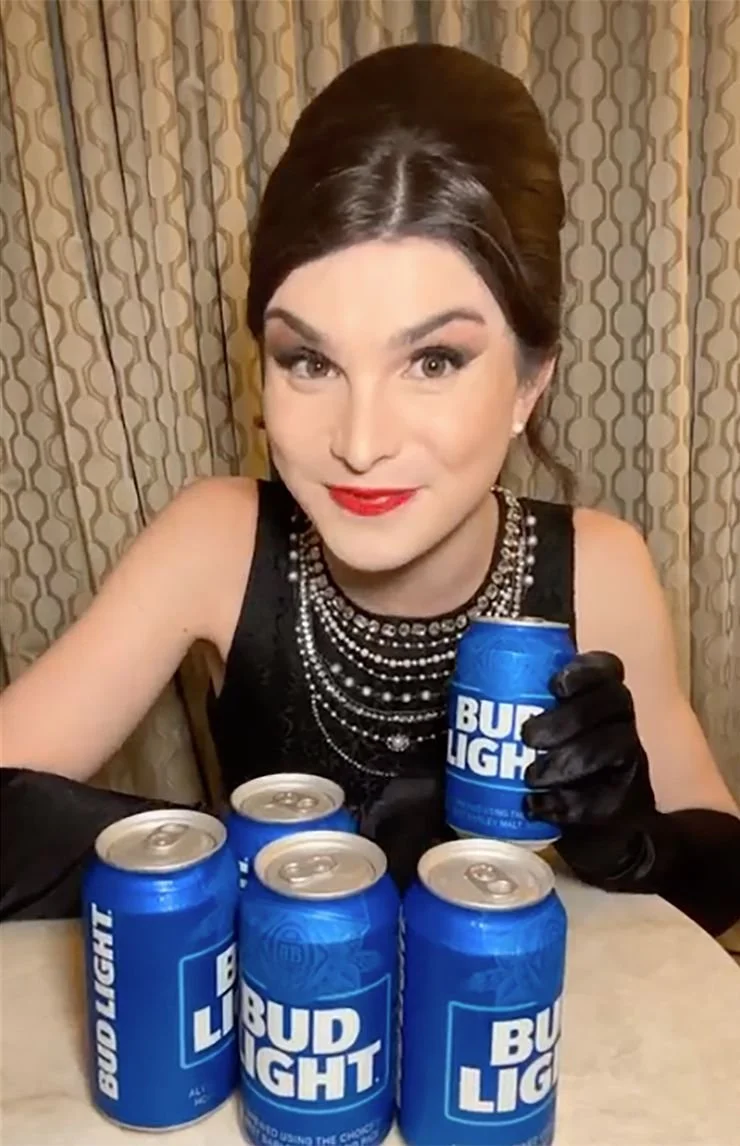
Dylan Mulvaney, Getty
“75% of Gen Zs think sustainable purchases are more important than brand names” (World Economic Forum 2022). Gen Z is willing to spend more on sustainable products, emphasizing the importance of eco-conscious branding.Reference: The 2011 Black Friday, Patagonia launched their "Don't Buy This Jacket" campaign, urging people to repair or reuse their gear instead of buying new, highlighting their commitment to sustainability.
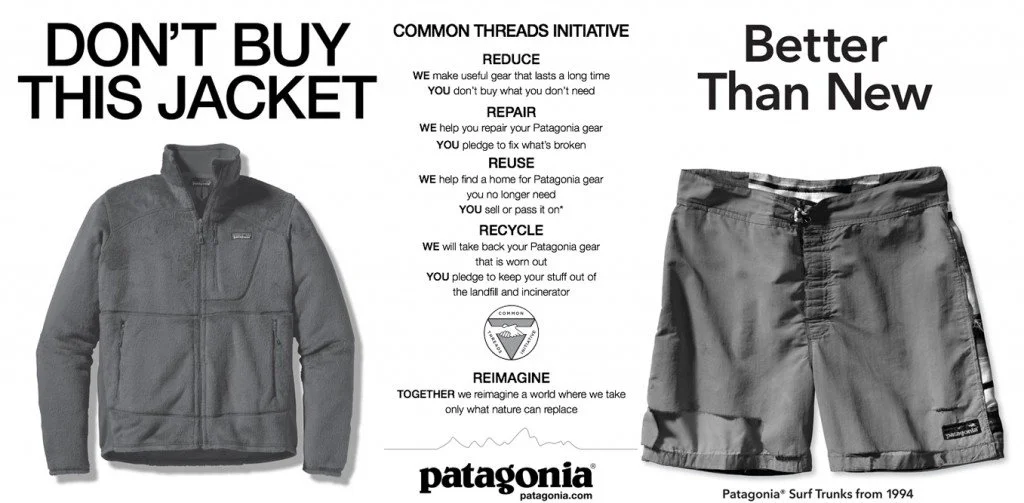
Patagonia 2011 Campaign
Gen Z is often referred to as the "activist generation", with their strong involvement in political movements such as climate change, racial equity, and LGBTQ+ rights, often fueled by social media's visibility and organizing power.
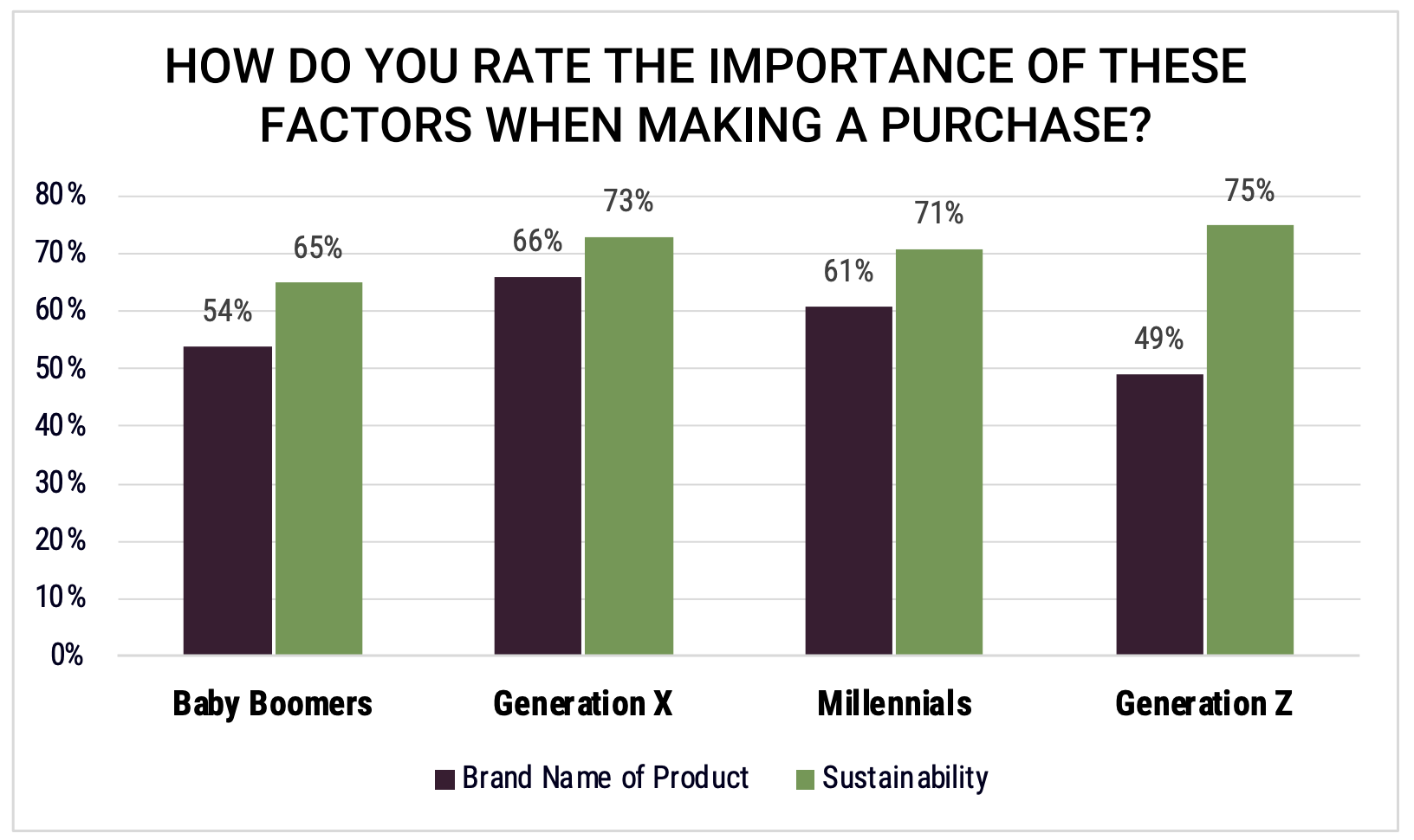
First Insight (2021) The State of Consumer Spending: Gen Z Influencing All Generations
This isn’t just a trend. It’s a seismic shift in how business is done.
Brands that flunk the assignment to evolve are at risk of losing not just revenue but relevance. It’s time to acknowledge that the future isn’t about hella profits—it’s about being hella conscious in the eyes of these emerging leaders and consumers.
And that’s hella great.
👋🏾 Soooo…collective illusion is public enemy number one. “Don’t Believe The Hype”. Every week, we’ll say the quiet parts out loud (in your inbox). So we can cancel or co-sign marketing or market trends and discern pop culture gems from flops together. And start making sense of the nonsense online.