

Hella Shook: Swiping right on AI, where convenience meets caution
I just want to edit a pic, not hand over my whole existence.
Subject: Elevate Your Career: Join the WhatsApp Team
That’s how the scam email got me to open it.
At first glance, it looked like an open door to a dream scenario—no job boards, no pretentious smiles, no rehearsed lines, just direct access to a coveted role.
Who wouldn’t be curious? It felt like skipping the line. No hustle required.
But as the saying goes, “If it’s too good to be true, it probably is.” And this email was too polished, too professional. No typos, no clumsy grammar—just an opportunity that seemed too real. I was hella shook.
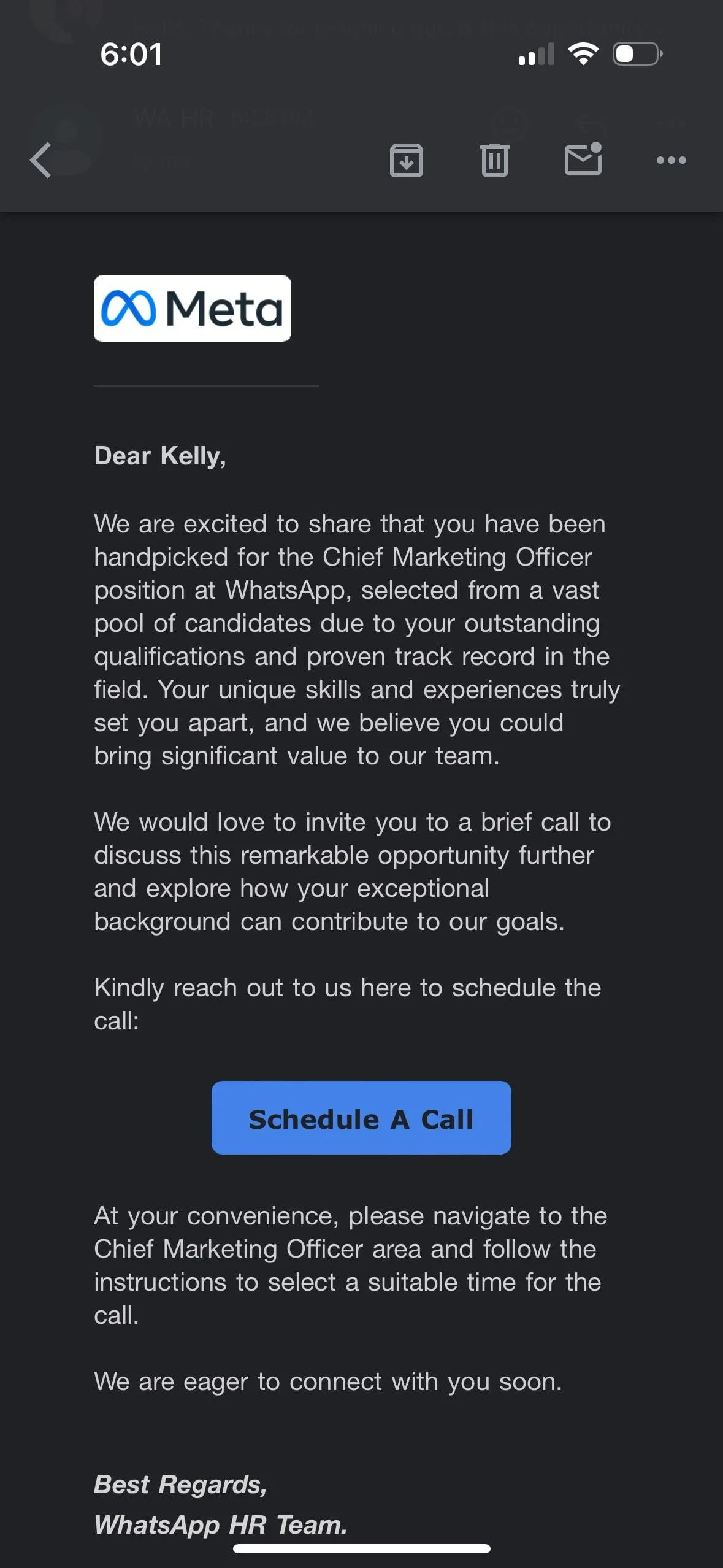
An example of the same email sent to me. I blocked and deleted mine before I thought about writing this article.
When I looked closer, I spotted the trickery.
The email linked to a fake job posting that didn’t exist on the official WhatsApp website. They even asked me to sign in through my Facebook account to view the job description—a major red flag that made me pause. Still, the responses from the “recruiter” were prompt and professional. They did everything right to keep me hooked, and that’s where the threat lies.
This experience made me question the fine line between trust and deception in digital spaces. When it comes to AI-driven systems, we expect seamlessness—no friction, no barriers. But the more frictionless the experience, the more vulnerable we become. And that’s where the tension between privacy and user experience gets messy.
Enter the privacy-personalization paradox…
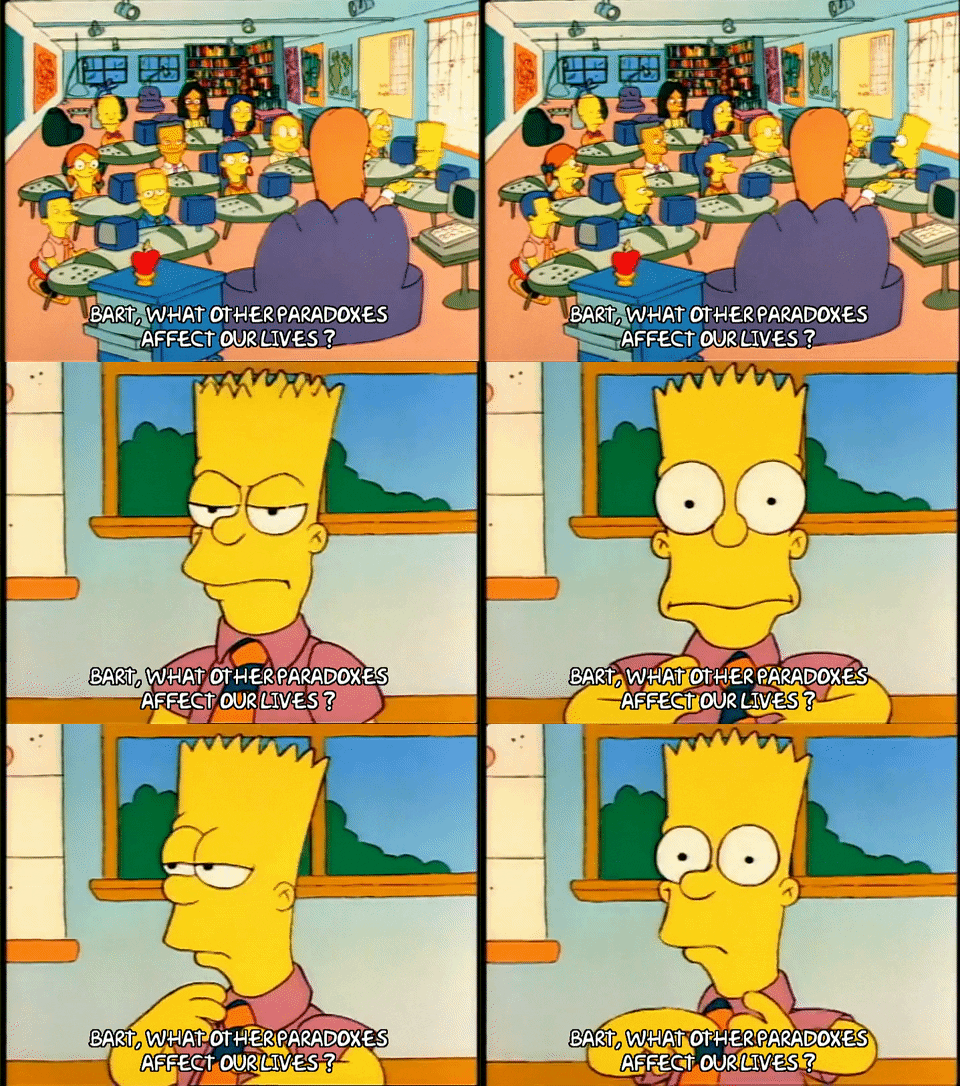
As we collectively dive deeper into the ever-charming world of AI, I can’t help but face the awkward reality.
We all want those seamless experiences—like when I fire up that photo editing app, *coughs* CapCut, ready to tweak a single video. But lo and behold, it demands access to my entire photo library. I just want to edit a pic, not hand over my whole existence.
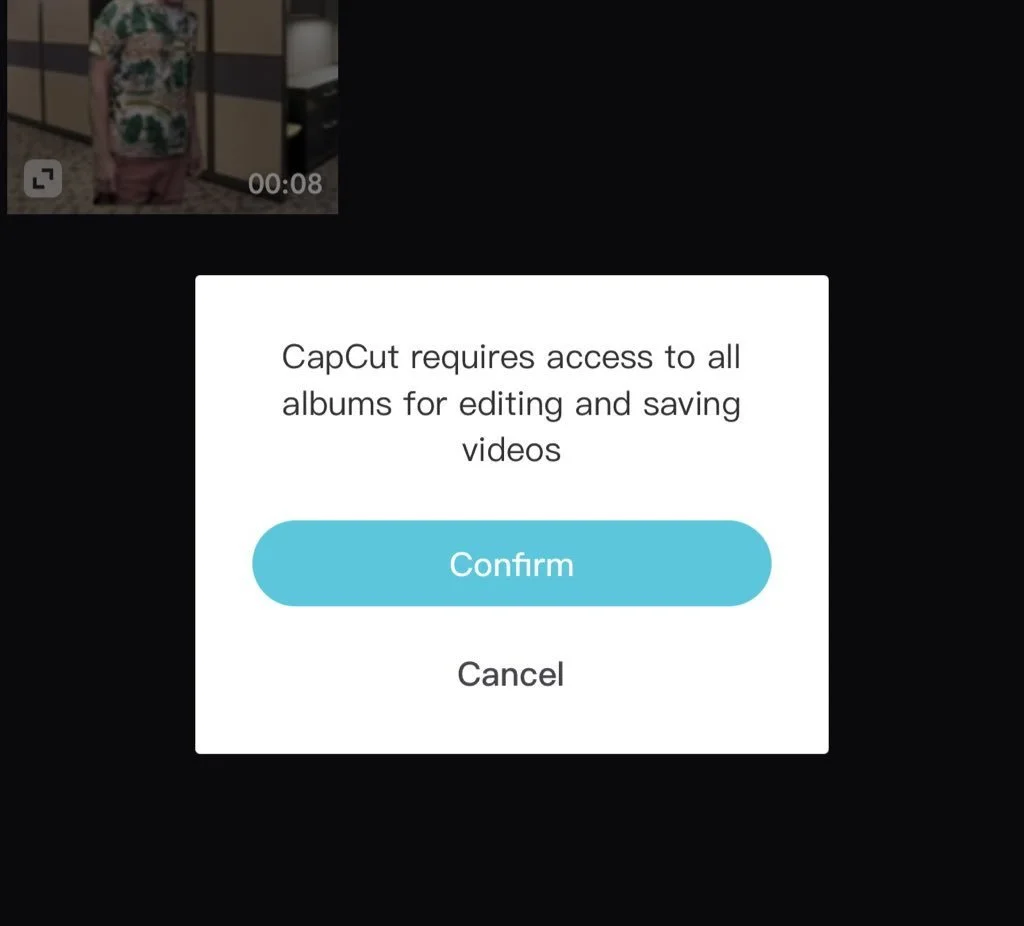
This dance between convenience and privacy is everywhere: whether it's a weather app that insists on constant location updates or Google Maps wanting to stalk my whereabouts even when I’m off the grid.
Sure, it’s convenient, but am I really willing to feel like I’m stuck in a never-ending game of Pac-Man?

This tug-of-war isn’t limited to apps alone, though. That public Wi-Fi at your neighbourhood Starbucks? Instant connection, but it’s as secure as a paper umbrella in a hurricane, leaving our data wide open for all kinds of scamming eyes. And those fitness trackers aren’t any better. Yes, I want to know my step count stats, but do they really need all my personal activity to give it to me?!
I am willing to bet they’re trading our sensitive information to text solicitors (I have way too many SMS’ from bots versus humans, sadly). Then there’s the social media login trap—life’s easier with one-click registrations. But that quick fix comes at a HIGH cost, giving new sites access to unnecessary personal info I’d prefer to take to the grave.
But don’t lose hope y’all! Companies like Google are implementing federated learning, which means apps can learn your quirks without invasive data sharing. Apple’s privacy-first policies are shaking things up by demanding transparency in data collection, showing that we can enjoy the sweet perks of AI without completely tossing our privacy to the proverbial gossip columns.
By keeping our wits about us and choosing tools that respect our data, we can navigate this tricky landscape and aim for a healthier balance between privacy and that oh-so-seamless user experience.
But let’s be real…are the perks worth the red flags? Sounds a lot like dating these days, doesn’t it.
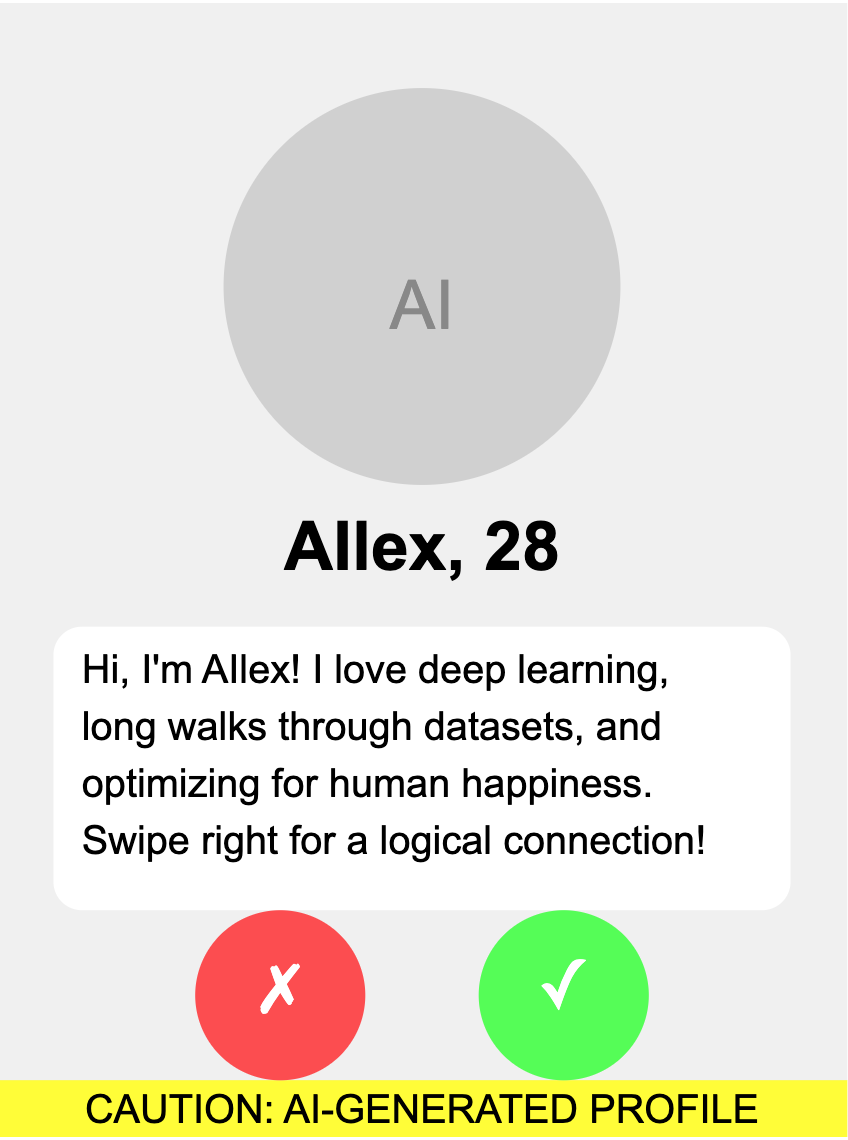
Swiping right on AI: where convenience meets caution
Dating Profile Name: PrivacySeekerUX (User)
Age: 30-something (But as timeless as the internet)
Location: Somewhere between convenience and confidentiality
About Me:
Hi there! I’m just a human trying to navigate this digital landscape where every app feels like a potential match. I love the idea of AI-driven systems that can make my life easier, but I’m also cautious about how much of myself I’m willing to share. I want personalized experiences, but not at the cost of my privacy.
Let's see if we can find a way to make this work.
What I’m Looking For:
I’m searching for a user experience that values transparency and mutual respect in a relationship—whether it's a perfectly curated playlist or personalized shopping recommendations—without demanding my entire life story in return.
I’m open to new adventures but not willing to compromise on my personal space. Ideally, you’ll understand that privacy is more than a buzzword—it’s a commitment we both make.
Interests:
Photo Editing Apps: Love a good photo? So do I! Just don’t ask for access to my entire library—let’s keep it to the one or two pics we need for the gram.
Location Services: I enjoy exploring new places but am not keen on being tracked 24/7. Let’s agree on boundaries.
Smart Home Devices: I’m a fan of convenience—who doesn’t love controlling the lights with their voice? But always listening? That’s a hard no.
Social Media Logins: I appreciate a quick login, but if it means you’re accessing all my social data, I think we need to slow things down.
Free Wi-Fi: Who doesn’t love the thrill of free Wi-Fi…anywhere? Just remember, I’m not sharing my secrets with everyone at the airport.
Personalized Ads: I appreciate a well-placed ad, but I prefer it when my browsing habits aren’t on display for the world to see.
Fun Facts:
I value transparency and not compromising my data.
I’m a minimalist—let’s keep it simple and only share what we truly need.
My ideal date? Discussing the balance between AI-driven personalization and the importance of keeping our private lives private times.
Let’s Connect:
If you’re ready to embrace a modern relationship built on trust and shared interests—without compromising your privacy—swipe right! Together, we can figure out how to enjoy seamless experiences while protecting what we don’t post online.
Learn to get the bots on your side. Enter Back-to-the-Future: quantum leap your life with ChatGPT, a mini course
Hella Open: Back-to-the-Future: quantum leap your life with ChatGPT, a mini course →
👋🏾 Soooo…collective illusion is public enemy number one—Don’t Believe The Hype. Every week, we’ll say the quiet parts out loud (in your inbox). So we can cancel or co-sign marketing or market trends and discern pop culture gems from flops together. And start making sense of the nonsense online.

Hella American: Our obsession with America needs CDC Guidelines, proceed with caution
America is in a bad romance with one-note narratives.
America is in a bad romance with one-note narratives.
The United States of America has mastered the art of seeing things as either this or that—there is no room for a middle ground. And I say this as the polite and peaceful little ‘Canadian’ sister who quietly judges her older sibling’s bad decisions but still wants to see them win.
The national mindset is either success or failure, innocent or guilty, Black or White. Americans are so busy guzzling their own heavily sugared Kool-Aid that they can’t see the forest for the trees—only a forest fire.
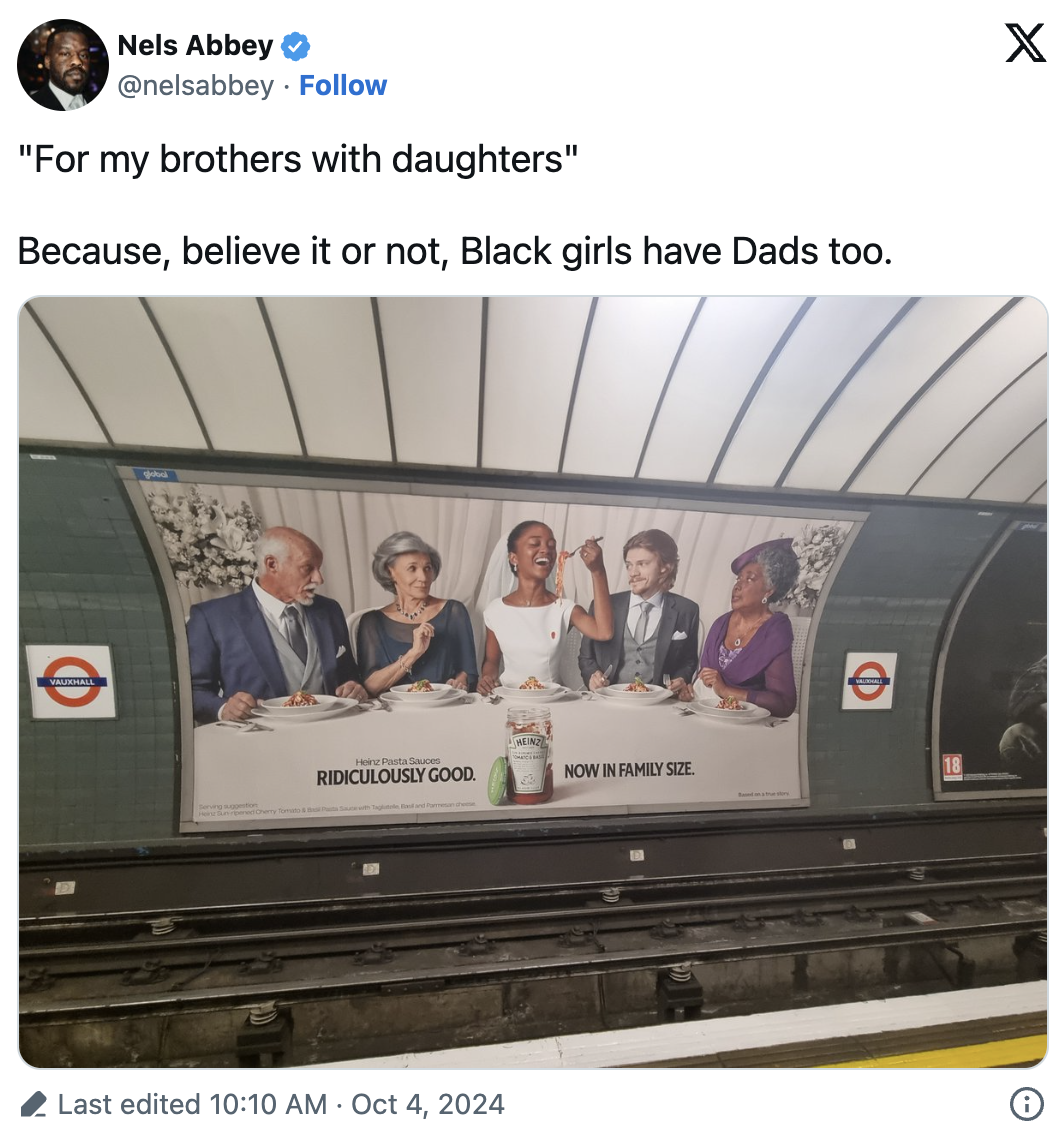
Social media users criticized the advert for “erasing” black fathers | The Guardian
Take the Heinz pasta sauce billboard, for example. They thought they were selling family-sized sauce to celebrate modern family dynamics but sparked outrage online for perpetuating stereotypes, while simultaneously down the pond ‘Heniz Smiles’ another advert, some were calling it “borderline Blackface.”
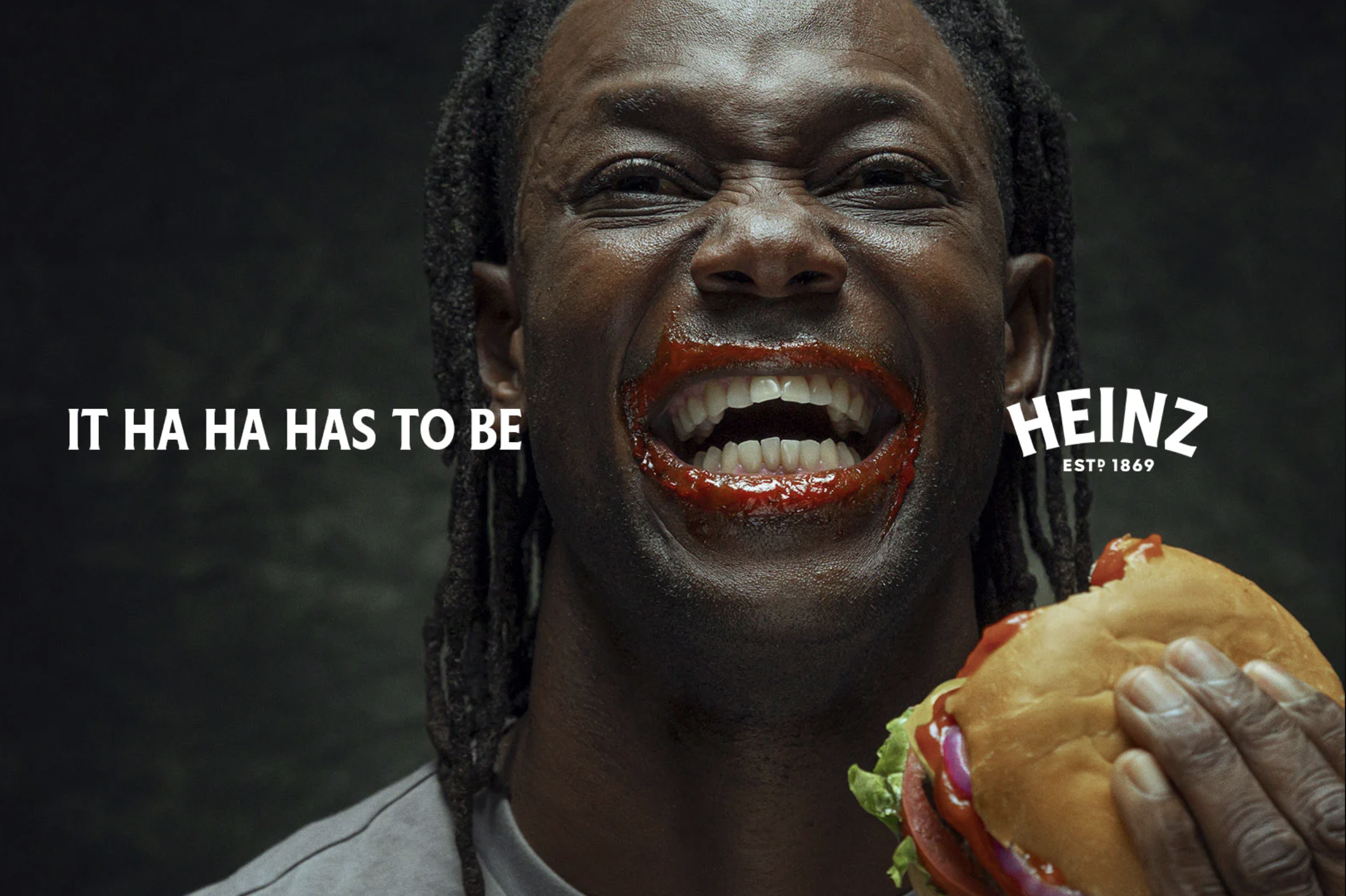
Heinz apologizes and pulls ad with imagery reminiscent of blackface | Ad Age
One billboard, and suddenly, we’re spiraling into a full-blown culture war about pasta. This is how America works: the Black & White, all-or-nothing lens kicks in, and we’re either in the realm of “innocent marketing” or “offensive racial caricature.”
No room for thoughtful discussion, just outrage or defence.
Then, there’s Donald Trump, who can’t seem to deliver a speech without using a city as his political punching bag. He declared that if Big VP Kamala Harris becomes president, the "whole country will end up like Detroit." Ah, yes—the classic scare tactic of associating Black leadership with urban decay. The irony? Detroit has seen significant revival, but Trump's comment shows how deeply ingrained this false narrative is: Detroit equals failure, especially when led by a Black politician.
There’s no middle ground—just an all-out spiral into doom if the "wrong" person takes the wheel. Whadupdoe?!
In these examples, Heinz’s ads and Trump’s rhetoric are only symptoms that feed into a larger issue: the American lens is reductive, oversimplified, and can’t handle complexity. It’s all either/or, Black or White. Americans are so deeply entrenched in this binary worldview that they can’t see the nuances of the real world. It’s not just a forest—they see the flames, fueling fear where there could be understanding.
There needs to be some sort of guide for us (including our American sibling) to navigate these counterintuitive dynamics of identity, race, and culture. I think I have just the resource…
The CDC Guidelines for How to Navigate the American Experience
Issued by: Cultural Disease Control (CDC)
1. Symptoms of Americanism
Watch for signs of the following:
Extreme Patriotism: Think giant flags, military flyovers at football games, and the intense belief that America invented everything from freedom to Basketball (they didn’t). Expect to hear “We’re #1!” on a regular basis, despite glaring evidence to the contrary. And if you want to see case studies, watch 90 Day Fiance, The Other Way.
Individualism Fever: The “I did it all by myself” self-made syndrome completely ignores centuries of systemic inequality, inherited wealth, and privilege. But hey, self-made Kardashians are the new American fairytales.
Gun Culture Obsession: You might think it's wild that people carry weapons casually, and a politicians' solution to minimize school shootings is to arm teachers, but in America, it’s as normal as ordering a venti soy latte. You’ll find out fast that debating gun control is like shouting into a tornado.
2. Transmission of Coded Language
Key Phrases You Might Encounter:
“Good Neighborhood” / “Bad Neighborhood”: You might think this is about crime rates or safety. Nope. It’s a subtle cue for racial and economic segregation. Translation: “Good” means predominantly caucasian and expensive, while “bad” means where everyone else lives.
“Urban”: Congratulations! You've stumbled upon the safest racial euphemism in America—add newly included entries “woke” and “DEI.” It's code for anything associated with Black culture, but don’t worry—it’s used liberally (pun intended).
“Melting Pot” Myth: America likes to claim everyone is welcome to the land of freedom, but let’s be honest, some folks melt a lot easier than others. Spoiler: The “pot” often melts certain cultures away, leaving you with something a lot less flavorful.
3. Quarantine Zones
Protecting Yourself from Cultural Shocks:
Media Bubbles: It's best to choose a channel and stick to it—either swim in the Fox News or MSNBC pool but never both at once. Jumping between them may cause dizziness, whiplash, and a complete loss of reality.
Gentrification Spread: Keep an eye out for avocado toast and overpriced coffee shops popping up in “up-and-coming” areas (translation: poor neighborhoods being devoured by rich hipsters). Warning: Side effects include rising rent and the erasure of local culture.
4. Safety Guidelines
How to Interact with Authorities and the Public:
Dealing with Law Enforcement: Best advice? Know your rights—but also know that rights are sometimes, um, “flexible” depending on your skin color. It’s a choose-your-own-adventure game, but the stakes are life and death.
Understanding Race Relations: America believe it’s post-racial “We had a Black president—we’re progressive,” but only in God we trust. The country’s Black and White lenses has permanent tunnel vision. Don’t be fooled—in 2024, we’re still counting firsts, i.e. “The first Black _______” insert profession or achievement here.
5. Avoid Exposure to Toxic Ideologies
Be on the lookout for the following hazards:
The American Dream Virus: While America loves to tell you that anyone can make it big, the ladder to success is often missing a few rungs for certain folks. Even though many Americans themselves can’t expat their way out of there fast enough, the dream’s shiny allure is strong—just pull yourself up by your bootstraps!
Political Polarization: Here, politics is more than just policy—it’s identity. Liberal or Conservative. Democratic or Rebpulican. Choose quickly, and in the words of our sovereign advisor, Tiffany “New York” Pollard, “Do you know you have 30 minutes?” Spoiler: Your values, beliefs, and even moral standing are on the line.
6. Localized Variants
Regional Precautions to Take Depending on Your Location:
California & New York: Bright lights, big city dreams, and rent prices that would make you wanna weep. But hey, you’ll probably get 10k Instagram followers just by living there. Welcome to hustle culture, friend.
The South: Y’all might think you’ve travelled back in time with all the Confederate nostalgia, but it’s not a theme park—it’s very real. Proceed with caution when driving through “sundown towns” that signal deeper racial divides.
The Midwest: The “heartland” has the Clark Kent small-town charm you’ve seen in movies, but don’t expect too much diversity there. It’s all cornfields, casseroles, and conservatives. But they are very polite about it.
Final Warning: Why the World Can't Quit America
Despite the hot mess, the global obsession with America is powerful. Why?
Hollywood and Celebrity Culture: Let’s face it—America has the glitz. The rest of the world can’t resist the Kardashians, the Marvel Cinematic Universe, and Taylor Swift. America is the cultural blockbuster everyone wants a ticket to.
Marketing Magic: America is the king of selling dreams. The idea that you could make it here (even if you struggle) is enough to get people on a boat. It’s the most effective marketing campaign in human history—and more addictive than TikTok.
Tech, Trends, and Twitter (X) Wars: Whether you’re on Instagram, Twitter (X), or TikTok, American culture shapes global conversations. It’s a hella American digital world, and we’re all just co-existing in it.
Your experience will vary dramatically depending on race, location, and socio-economic status. Proceed with caution.
Signed your friendly northern American,
Don’t Believe the Hype.
THE GREATEST MARKETING CAMPAIGN to ever exist: make the general population believe skin color is tied to the content of one’s character. Click for the playbook.
Racist as F*ck: A convicted felon running for president. My pitch for a Black Mirror episode →
👋🏾 Soooo…collective illusion is public enemy number one—Don’t Believe The Hype. Every week, we’ll say the quiet parts out loud (in your inbox). So we can cancel or co-sign marketing or market trends and discern pop culture gems from flops together. And start making sense of the nonsense online.

Hella Open: Back-to-the-Future, quantum leap your life with ChatGPT, a mini cours
Move at your own speed—quantum leap or quantum crawl, just don’t quantum stop.
It’s all the buzz online…or maybe just heavy on my TikTok for-you-page that I built brick-by-brick — we’re manifesting our future selves with quantum leaps, my friend!
Exhibit A: “Using ChatGPT to manifest my dream life”
Ever feel like your dreams are just out of reach? Join the online club! But what if I told you there’s a mini-course on how to quantum leap into your dream life faster than you can say “Very demure”?
We’re cracking open ChatGPT and leveraging the illusions it creates as more than just an AI assistant—but as your bestie, therapist, and career consultant rolled into one.
As one viewer put it, “ChatGPT is literally my therapist and mentor,” while another, “I use it for ALL life advice.”
People are discovering that good prompts are just about asking the right questions, which can lead to eye-opening, life-changing insights. Whether it’s leveraging your birth chart for career guidance, brainstorming daily affirmations, or even crafting a 5-year plan, the possibilities are hella open.
So I created what I think the course would be if anyone wants to kick the tires on this thing. Here’s what I’m calling it…
“Back-to-the-Future: Quantum Leap Your Life with ChatGPT”

Photo Credit: motorbiscuit
Instructor: Ms. Cooper
Course Duration: Hella open, but let’s just say 6 Weeks.
Format: Self-paced, and also learn as you go—leap as you grow.
Course Overview:
In this course, you’ll learn how to be "hella open"—not in a deep, mystical way, but in an “I’m done waiting for my future self to show up, and I’m ready to teleport there faster than Marty McFly kind of way.” We’ll leverage ChatGPT to make quantum leaps in your life—skipping those exhaustive baby steps and, instead, strapping up in a ‘Back to the Future’ DeLorean for your goals and mindset shifts.
Course Objectives:
By the end of this course, you will:
Understand how ChatGPT can be your secret weapon for rapid growth (creative breakthroughs and productivity)—faster than you can say "self-help book."
Master the art of future-self flexing: leveraging ChatGPT to re-write your ho-hum life into amazing-YOU and all your achievements before you even get out of bed.
Develop a daily practice that’ll have you making leaps big enough to scare your current self.
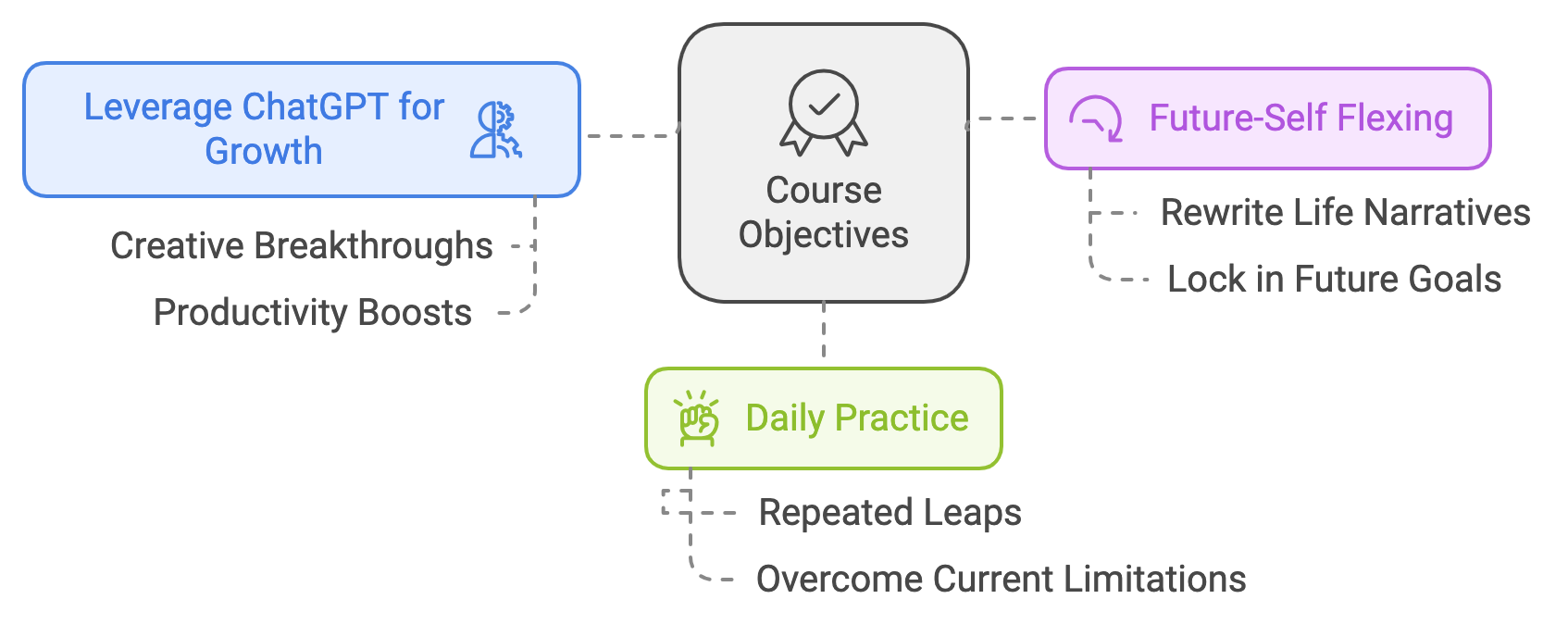
Course Structure:
Week 1: Introduction to Quantum Leaping & ChatGPT
Topics:
What is Quantum Leaping? (Hint: It’s not just a sci-fi plot twist)
Overview of ChatGPT: a.k.a, your new BFF (Best Future Facilitator)
Embracing the "Hella Open" mindset—basically, letting go of “playing small.”
Assignment:
Take inventory of your goals and dreams, tell ChatGPT them, and then ask it to write as if you’ve already crushed them. Think of it as scripting your own superhero origin story (i.e. “Write as if I have already achieved…”).

Week 2: Professional Growth - Skipping Steps
Topics:
Skill Development: Forget the years-long of “paying your dues” nonsense.
How ChatGPT can simulate career mentorship: Think of it as a career coach without the hourly fee.
Assignment:
Pick a professional challenge—ask ChatGPT to brainstorm how to tackle it. Think of it as your own brainstorming buddy who won’t roll their eyes when you suggest your wild ideas. *Bonus points if you upload your birth chart to the chat and identify your astrological strengths.

Week 3: Personal Breakthroughs - Rewiring Limiting Beliefs
Topics:
Why your brain loves staying in its comfort zone—and how to make it panic a little (in a good way).
Future-self letters: Dear Current Me, I’m rich, happy, and definitely over my ex.
Assignment:
Write a letter from your future self detailing how you left your fears in the dust. Let ChatGPT turn your self-doubt into a joke from the past. And always say Thank you!

Week 4: Creative Projects & Productivity - Amplify Your Imagination
Topics:
Overcoming Creative Blocks: It’s not “writer’s block,” it’s just an overly dramatic millennial pause.
How to delegate your busywork to ChatGPT while you take all the credit (you’re welcome).
Assignment:
Pick a creative project you’ve been putting off. Ask ChatGPT for a list of ideas or an outline to get the ball rolling. Implement at least one productivity hack. Only rule: at least one creative project has to be “ridiculously unrealistic”—because, why not?

Week 5: Becoming Your Future Self - The Visualization Technique
Topics:
Visualizing success: Think less “meditating under a waterfall” and more “winning your own version of the lottery.”
ChatGPT as your personal manifestation tool: because if the law of attraction had a keyboard, it would be this.
Assignment:
Spend 10 minutes each day imagining you’ve already made it BIG! Use ChatGPT to write daily journal entries about your new fancy life. Reflect on that reality and the steps. Remember: de lulu is the way for it to be true-true.

Week 6: Integrating & Sustaining Your Leap
Topics:
Daily habits for repeat quantum leaps (spoiler: it’s not drinking a gallon of celery juice).
Pulling it all together: mindset, skills, creativity, and leverage…if ChatGPT were a superpower, this is where you learn how to finesse it.
Assignment:
Create your personalized "Quantum Leap Playbook" with ChatGPT. Add things like daily routines, action steps, and any hacks that’ll keep you feeling like you’ve got the cheat codes to life (think, Mastery by Robert Greene but laser-beamed on you).
Required Materials:
Access to ChatGPT: Obviously.
Journal: Any journal will do, but if it looks fancy, it might make you feel fancy. What Would Future You Do (WWFYD)?
Evaluation:
Participation: Completing weekly assignments (50%). Don't worry, no pop quizzes here.
Final Project: Submission of your "Quantum Leap Playbook" (50%). This is where your future-self flexes.
Grading Criteria:
Clarity of Vision: Are you dreaming big enough, or do you need a bigger leap?
Engagement with ChatGPT: Did you make the AI work for you, or did it out work you?
Consistency: It’s not about perfection, but if you ghost on your future self, you’re no better than recruiters.
Course Policies:
Self-Paced: Move at your own speed—quantum leap or quantum crawl, just don’t quantum stop.
Accountability Partners (Optional): Return to this post, exchange future-self letters and flex on us in the comment section.
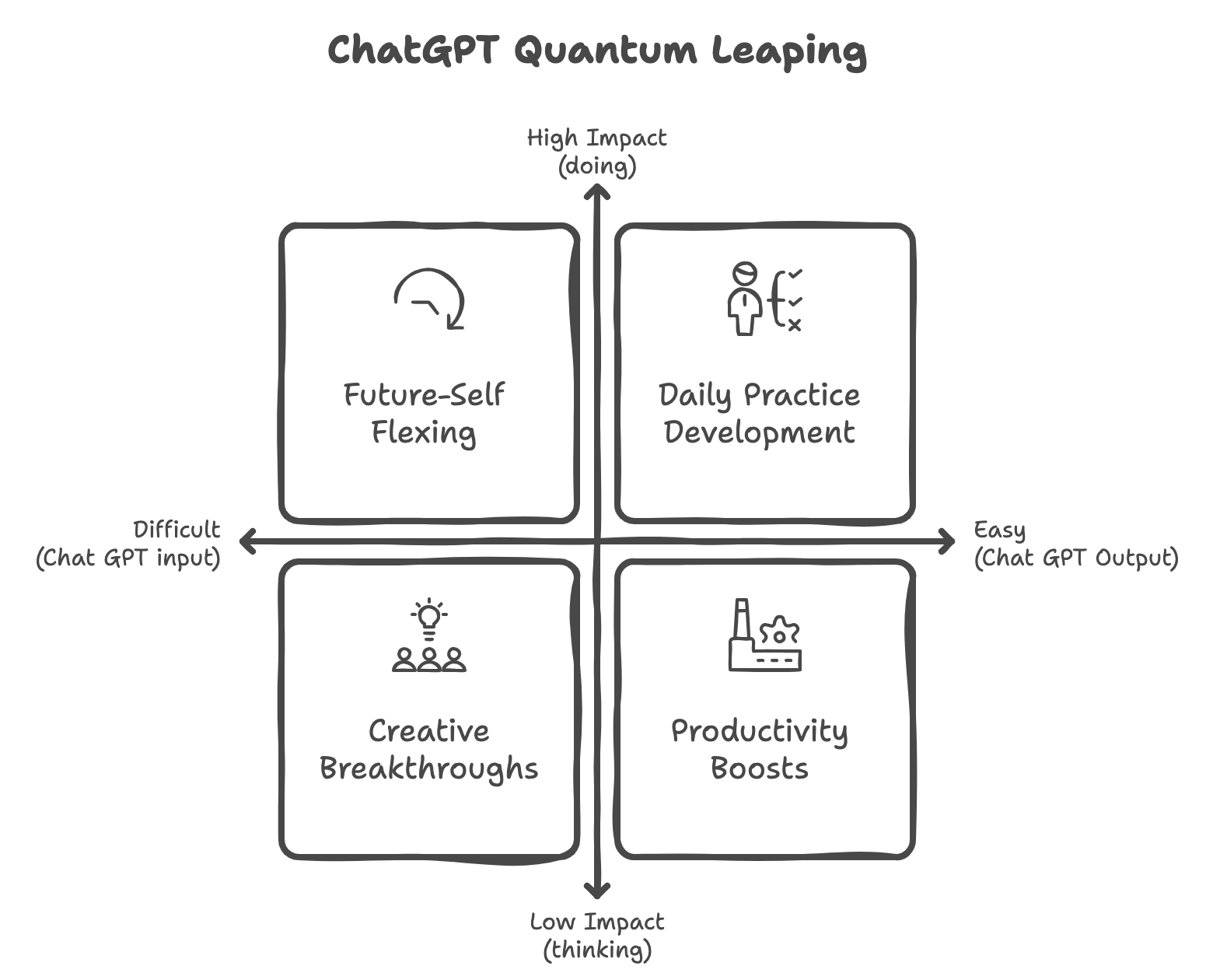
Your dream life is waiting for you to make the first move!
Disclaimer: AI can sometimes say the wrong thing, get stuff mixed up, or just flat out create illusions. It can give you legal, financial, or worldly advice, however, please don’t make life decisions based solely on what it says—do your own independent research despite how good it may sound (in other words, use responsibly and leverage this tool).
👋🏾 Soooo…collective illusion is public enemy number one—Don’t Believe The Hype. Every week, we’ll say the quiet parts out loud (in your inbox). So we can cancel or co-sign marketing or market trends and discern pop culture gems from flops together. And start making sense of the nonsense online.

Hella Questions: A Non-Tipper's Terms and Conditions for Tipping
Why do we tip our server but not the nurse who took care of us?
[ short answer ]
Why is tipping culture so confusing?
Tipping now pops up everywhere, from coffee counters to delivery apps, often before any real service. In the US, its history is tied to avoiding paying formerly enslaved workers, and in places like Japan tipping is seen as rude. Tennile Cooper's take: tip to reward exceptional service, but fair pay should be the employer's job, not the customer's.
CBC News
Americans reluctantly spend nearly $500 per year on tipping (USA Today, 2024).
I’ve structured these terms and conditions for my fellow non-tippers so we can manoeuvre through this whole gratuity thing. It’s popping up everywhere, like a thousand bottles of non-Costco baby oil press from a P. Diddy case.
And for my big tippers, this may alter your opinion of me for better or for worse, but I need to get this one off my chest.
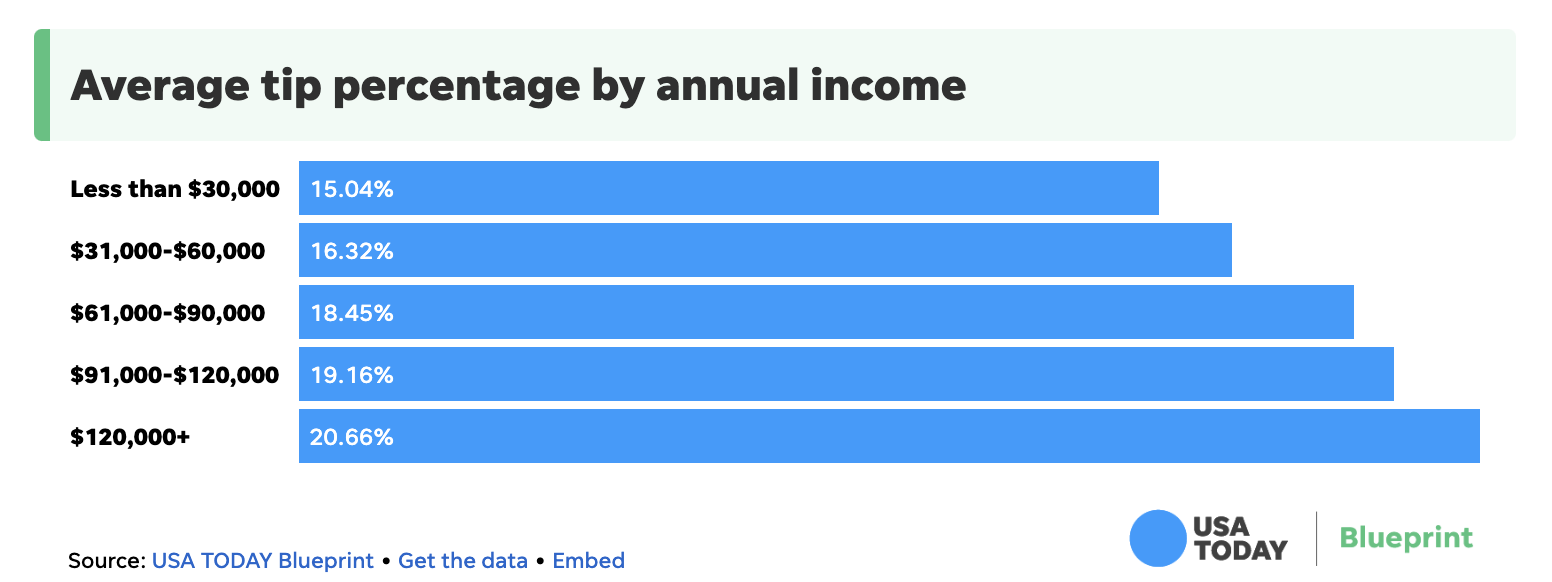
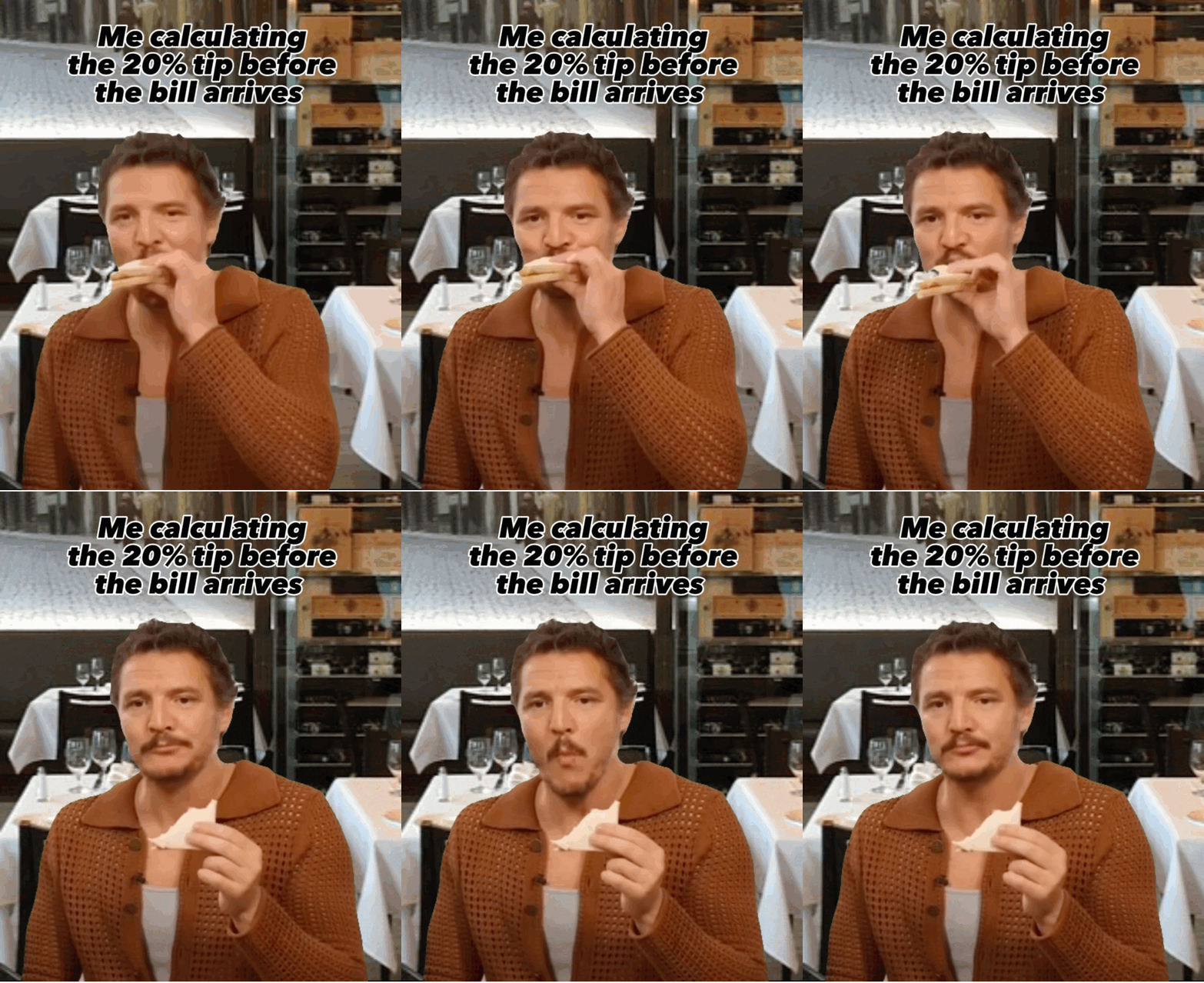
Listen, I agree to tip, but under the following terms: I’m still struggling to navigate the confusing etiquette of rewarding service workers while pretending I understand all the unwritten rules. I understand that tipping is supposed to reward good service. I understand that you, the worker, often (and unfortunately) rely on it. I also understand that everyone is nudging me to tip, from the little jar at the coffee shop to the bright prompts on my food delivery app.
But we need to talk—assuming, of course, that you’re willing to meet these modest, reasonable conditions.
A Non-Tipper's Terms and Conditions for Tipping
INTRODUCTION
These Tipping Terms and Conditions constitute a socially binding agreement between the Service Provider (you) and the Slightly Confused, Possibly Overwhelmed Customer (me), concerning our Exchange of Services (including but not limited to: dining, grooming, and food deliveries).
EXPECTATION
When you say “tip,” I understand I’m supposed to add extra money for your service. I also understand it’s my duty to decide how much, often based on your smile, the speed of delivery, or just sheer guilt. I am willing to comply, as long as we agree that tipping is a reward for exceptional service—not a default surcharge or a way to subsidize wages because an employer won’t.
HISTORICAL PRIVILEGE
When we talk about tipping, I understand this isn’t just about tossing spare change into a jar. We’re diving into a tradition that dates back centuries. Let’s recognize that its complex historical roots are tied to racial oppression and economic structures that emerged after the 16th-century Civil War in Europe and transplanted to America, where affluent individuals would discreetly offer small amounts to servants for prompt service (TIME, 2019).
In other words, it was a way to avoid paying formerly enslaved workers—instead, it was a token of their inferiority. If this tradition is considered a sign of generosity, it also serves as a subtle indication of social hierarchy.
GLOBAL SPREAD
As globalization took root, tipping practices varied widely. Some cultures, like Japan, view tipping as unnecessary and even rude, while others, like North America, have adopted a tipping culture deeply embedded in the service sector. And if everywhere is requesting a tip, what’s left in the customer’s pocket? In this shaky economy, we’re in a state of tipping fatigue!
I’m willing to acknowledge that this global perspective complicates the conversation about the motivation behind tipping to express gratitude or conform to the social norm.
KOKOROZUKE WORLDVIEW
心付け “ko-ko-ro-zu-ke” n. gratutity
I agree to tip, but only if we acknowledge that, again, people in Japan would find this whole thing weird. There, tipping is seen as disrespectful, implying the worker is not paid adequately by their employer. Shouldn’t we have “kokorozuke” (gratuity coming from the heart), take a cue from them, and focus on ensuring fair wages rather than random “generosity”? Or is my $3 really the key to saving the industry?
DIGITAL PRESSH-SHA
…it’s getting worsa and worsa
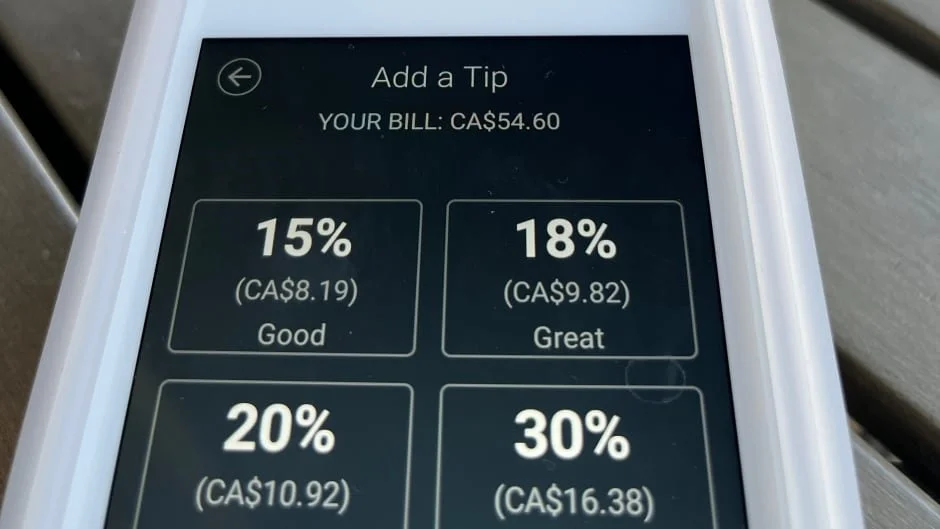
I understand that digital tipping screens have made my tipping decisions more public. However, I reserve the right to feel slightly offended when the barista spins that iPad around, and I’m staring at percentages starting at 18%, even when I haven’t had any service. Did you expedite my muffin in the bag quickly enough for the reward of a Shark Tank investor deal? Let’s agree that the pressure I feel isn’t because I don’t value your effort—it’s because this feels less like a choice and more like an obligation.
POWER DYNAMICS
I agree to tip, provided we both understand the power dynamics at play here. As a customer, I wield the ability to affect your income with the flick of my pen (or the tap of my screen). Is this empowering, or just awkward for both of us? When I see your eyes widen in anticipation as the tip line comes up, it makes me question whether tipping is about appreciation—or whether it’s become a negotiation in which I always feel like I owe you more.
PUSHBACK
I know some places have dropped tipping in favor of mandatory service fees (you’re not slick Uber), and while I’m all for less mental math, I’m also skeptical. Is this the global tipping reset we need, or just another way for businesses to shift the costs? If we’re rewriting the rules, can we finally admit that fair pay shouldn’t come down to whether I had a good day or fallen prey to tipflation?
HELLA QUESTIONS
I agree to tip, but is this my own free choice, or have I been culturally conditioned? Why do we tip our server but not the nurse who took care of us?
I agree to tip, but only if the responsibility of paying workers a living wage doesn’t rest solely on me. Is it my job to ensure the server or driver can afford rent, or should the company play a bigger role?
I agree to tip, but when the barista spins that screen around with 18%, 20%, and 25% options, am I still tipping for good service or the privilege of feeling like a 16th-century aristocrat?
I agree to tip, but maybe I shouldn’t. In Australia, tipping is more of a bonus than an expectation because wages are higher. Who’s got it right? Shouldn’t we, as customers, all play by the same rules, with workers getting a fair deal regardless of the country?
I agree to tip, but only if we can have an honest conversation about why, where, and how much. Maybe we need to reset the whole system—because, at this point, I’m not sure who’s benefiting the most: the worker, the employer, or the payment app coercing me into an 18% deal.
AGREEMENT
By providing me with your service, you agree to read, understand, and accept that these Tipping Terms and Conditions reflect my confusion, concern, and genuine attempt at being a decent person because I don’t believe the hype.
☐ I agree to these terms.
☐ I would rather risk pressuring you for a tip
☐ I think we both deserve better and need to rethink this whole system.
👋🏾 Soooo…collective illusion is public enemy number one—Don’t Believe The Hype. Every week, we’ll say the quiet parts out loud (in your inbox). So we can cancel or co-sign marketing or market trends and discern pop culture gems from flops together. And start making sense of the nonsense online.

Hella Great: The 5 Gen Z slang, brands should adopt, immediately
One-dimensional approaches don’t work with multi-dimensional beings.
[ short answer ]
What do Gen Z consumers want from brands?
Gen Z wants brands that stand for something. They have serious spending power, find products on social media, expect real commitment to diversity and inclusion, and will boycott brands that seem unethical or fake. 67% believe brands should contribute to society, not just make a profit (Edelman, 2023). One-size-fits-all ads and performative social responsibility fall flat with them.
What’d I miss?!
I’ve returned for season two of “Don’t Believe The Hype,” and I have a lot to get off my chest, but I’mma pace myself.
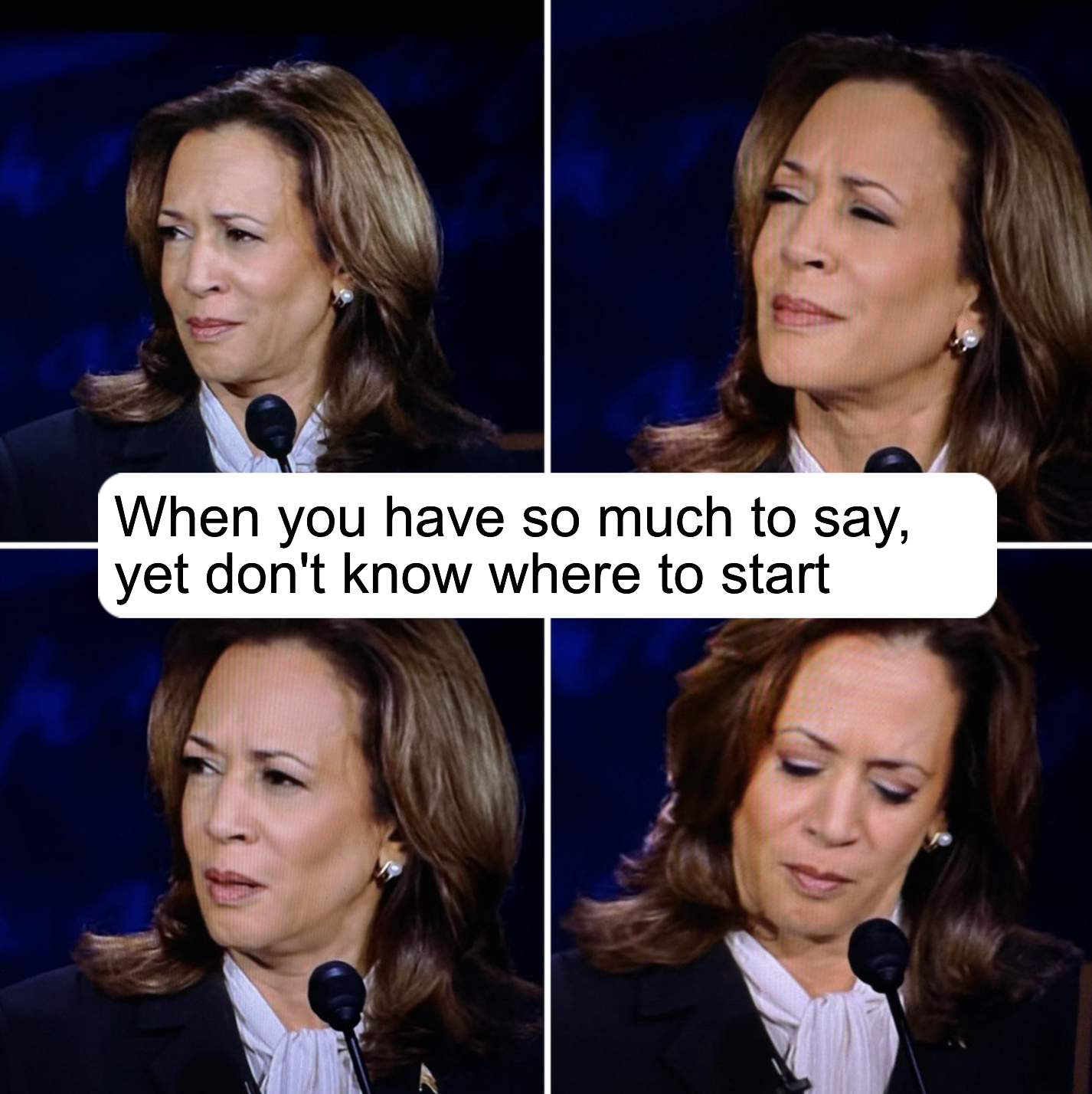
We’ve entered a new era, folks, and I can feel the impact a lot more as an elder millennial. My knees are tingling.
Two generational forces—Gen Z and Gen Alpha—are transforming how brands SHOULD approach everything from marketing to corporate values. But before we swan dive any further, let’s get on the same page regarding the age range of these game-changers.
Gen Z: born between the late 1990s and early 2010s, they’ve grown up in a world shaped by social media, instant information, and global interconnectedness.
Following closely behind, Gen Alpha: those born from the early 2010s onward, are the first generation to grow up in a fully digital world from day one.
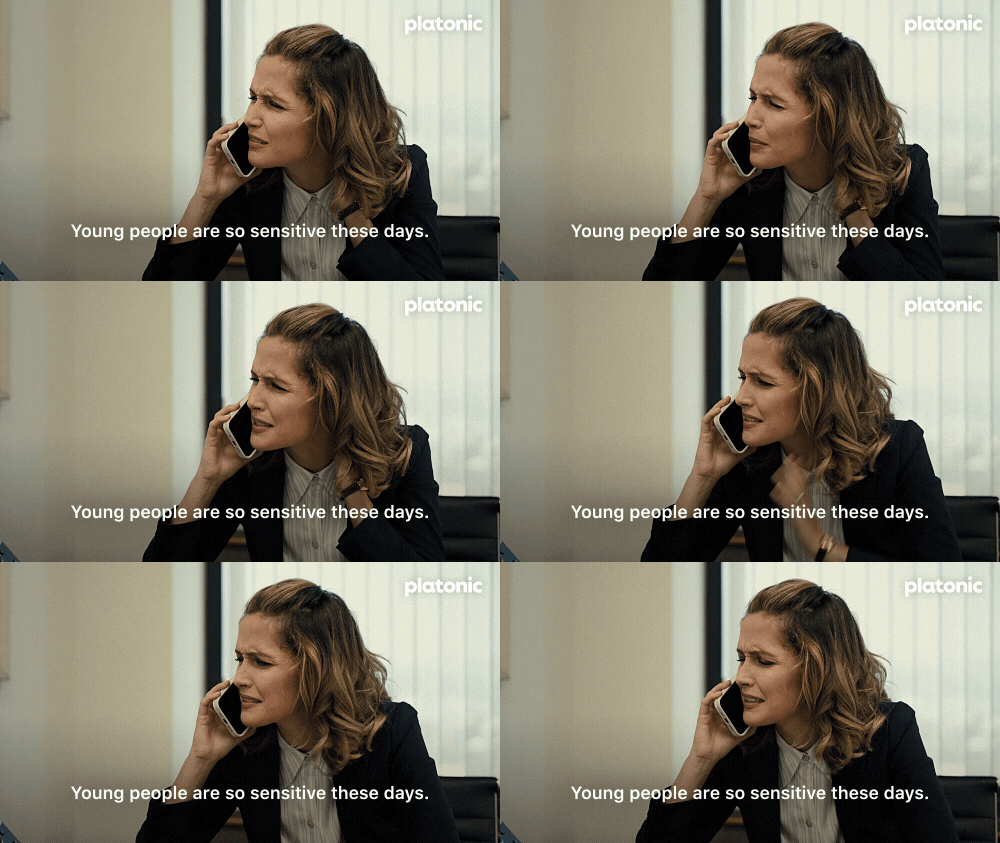
Combined, these two generations may be more sensitive to what’s happening in the world today, and the generations before them should touch grass—don’t believe the hype.
They still have an immense cultural and economic influence that brands can no longer afford to ignore. Despite their growing power, many brands are missing the mark by relying on outdated strategies that worked for previous generations and are rapidly becoming irrelevant.
Traditional methods, like one-size-fits-all advertising, flashy but shallow brand messaging, and performative social responsibility, are falling flat with younger audiences who demand more than just a product—they want a brand to stand for something.
One-dimensional approaches don’t work with multi-dimensional beings.
Gen Z and Gen Alpha care deeply about issues like climate change, diversity, equity, inclusion (DEI), and social justice, while many brands are still stuck chasing short-term profits, appeasing shareholders, or trying to navigate the political minefield of today’s cultural climate.
This disconnect has caused a massive blind spot, leaving brands scrambling to keep up with younger consumers, who are savvy, socially conscious, and quick to call out inauthenticity.
The Gen Z Slang Brands Should High-key Have On Their Radar, Iykyk
1. Gen Z’s Spending ‘Rizz’
(also known as spending power)
“Gen Z currently holds $360 billion in disposable income globally” (Bloomberg, 2021), which is rapidly increasing as more of them enter the workforce. Their growing disposable income is tied to a cautious and entrepreneurial mindset.
Being raised by Gen X and Millennial parents, they’ve seen the societal lies that were fed. That’s why so many of them prioritize financial security over family obscurity. Saving and investing is their white picket fence instead.
2. Brand ‘Drip, No Cap’
(also known as loyalty & authenticity)
“67% of Gen Z believe that brands should contribute to society, not just make a profit” (Edelman's 2023 Trust Barometer). They are drawn to brands that stand on business, especially when it comes to social justice and environmental sustainability.
The collapse of the purchase funnel (buyer’s journey) is upon us. Gen Z expects ongoing engagement from brands, they ask more questions and want experiences—not transactions.

Edelman's 2023 Trust Barometer Report
3. Social Media ‘Pull’
(also known as savvy)
“85% of Gen Z use social media to learn about new products” (Forbes 2020), making platforms like TikTok, Instagram, and YouTube key to engaging them.
Traditional advertising methods are dismal. The millions spent on Super Bowl ads or the Wendy’s coupons we receive in the mail are losing their appeal/rizz. You can argue that Kanye’s commercial is the outlier, but it had to go viral on social media first for them to take notice.
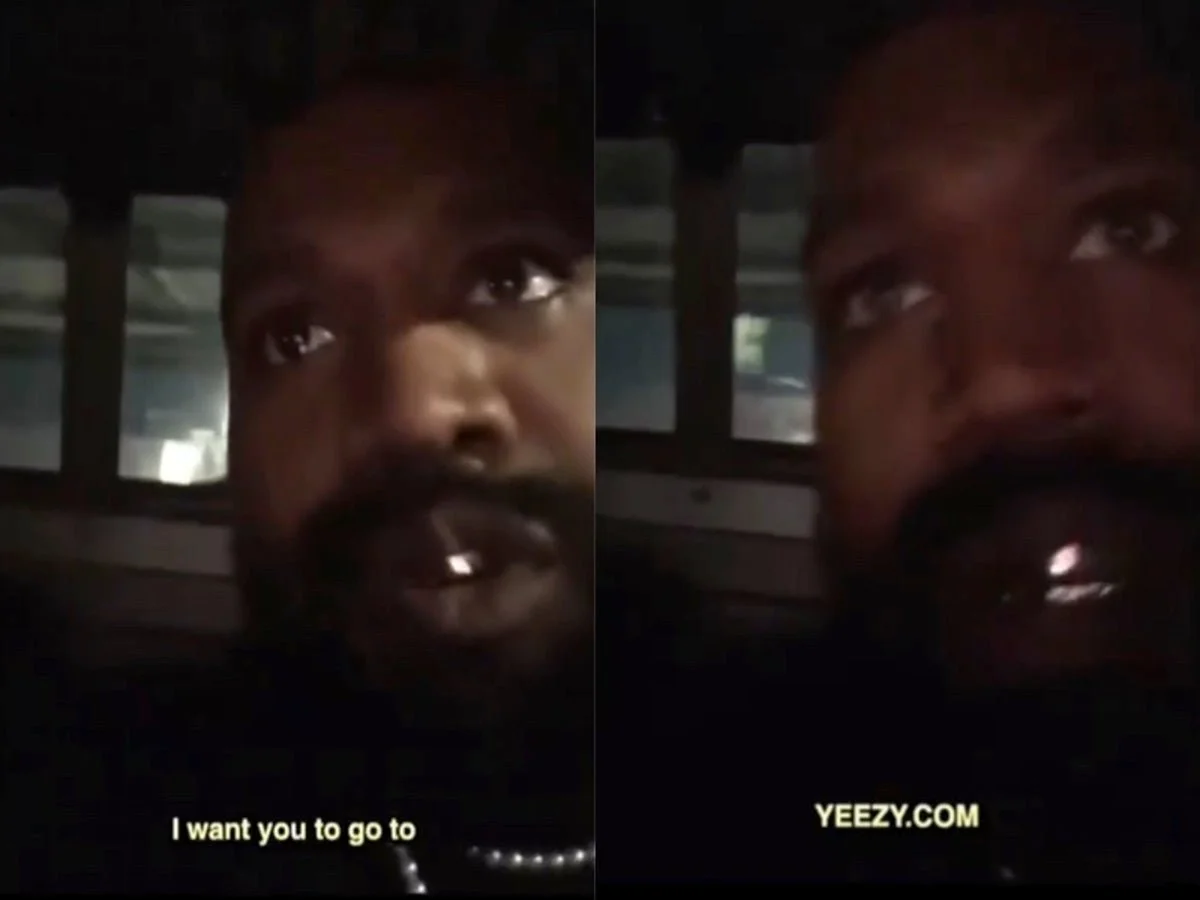
2023 Kanye West Superbowl commercial
Jools Lebron’s trend is a cultural moment. But what makes cultural moments like these happen? There are a few ingredients you need...
Real as F*ck: We keep it demuretsy over here. →
4. Diversity and Inclusion ‘Sus’
(also known as suspicious behaviour)
“80% of Gen Zers said that it’s important for brands to address diversity and inclusion” (Forbes 2022). Gen Z actively support brands that promote DEI, with nearly half stating that they expect companies to speak out against racial inequality and other societal issues…and if not, it’s giving sus behaviour.
Workplaces that cling to outdated definitions of abilities when neurodiversity abounds. And cherry-pick identities for talent as a ‘culture fit’ into homogeneity without genuinely embracing intersectionality?
All of that—is not hella great for a brand’s rep.
5. Digital ‘Wokeness’
(also known as awareness)
Gen Alpha, born entirely in the digital age, is expected to be the most tech-savvy generation yet, with access to smart devices before they can even speak. Digital platforms and virtual experiences will heavily influence their buying habits.
Having said that…
(also known as politically aware)
“40% of Gen Z have actively boycotted brands they perceive as unethical or lacking in authenticity” (Edelman's 2023 Trust Barometer), demonstrating the consequences for companies that fail to align with their values.Reference: The 2023 Bud Light boycott, after its partnership with transgender influencer Dylan Mulvaney, sparked backlash among conservatives and triggered a sharp decline in sales.
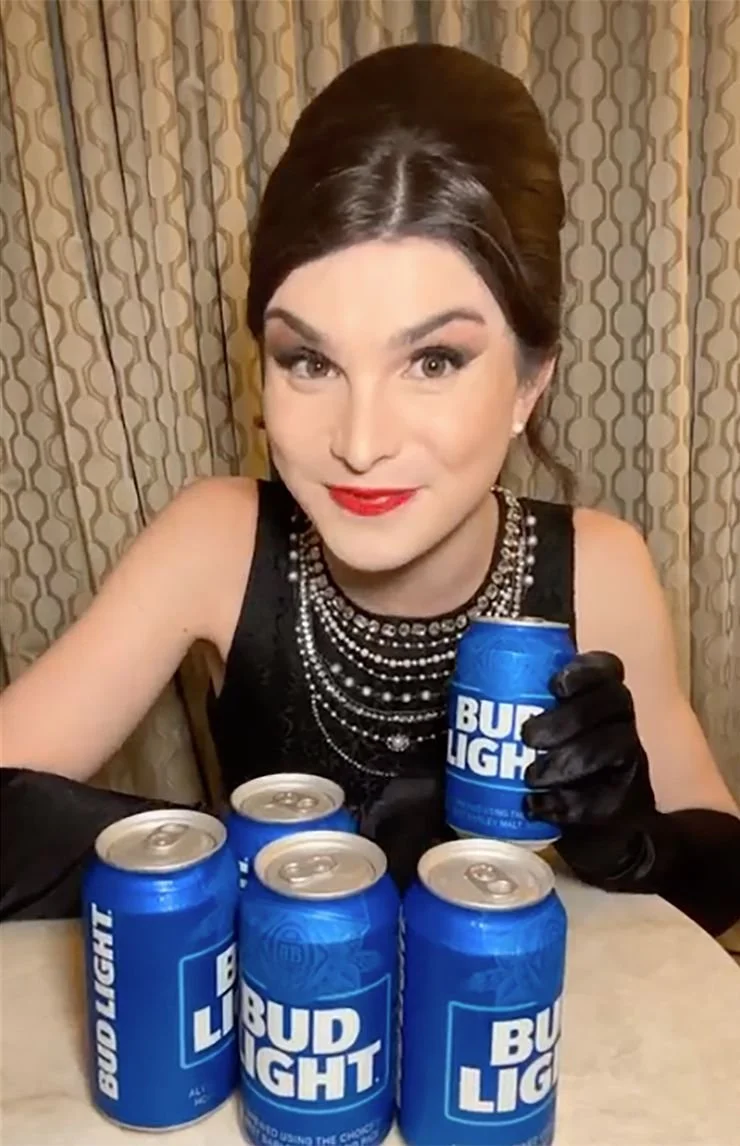
Dylan Mulvaney, Getty
“75% of Gen Zs think sustainable purchases are more important than brand names” (World Economic Forum 2022). Gen Z is willing to spend more on sustainable products, emphasizing the importance of eco-conscious branding.Reference: The 2011 Black Friday, Patagonia launched their "Don't Buy This Jacket" campaign, urging people to repair or reuse their gear instead of buying new, highlighting their commitment to sustainability.
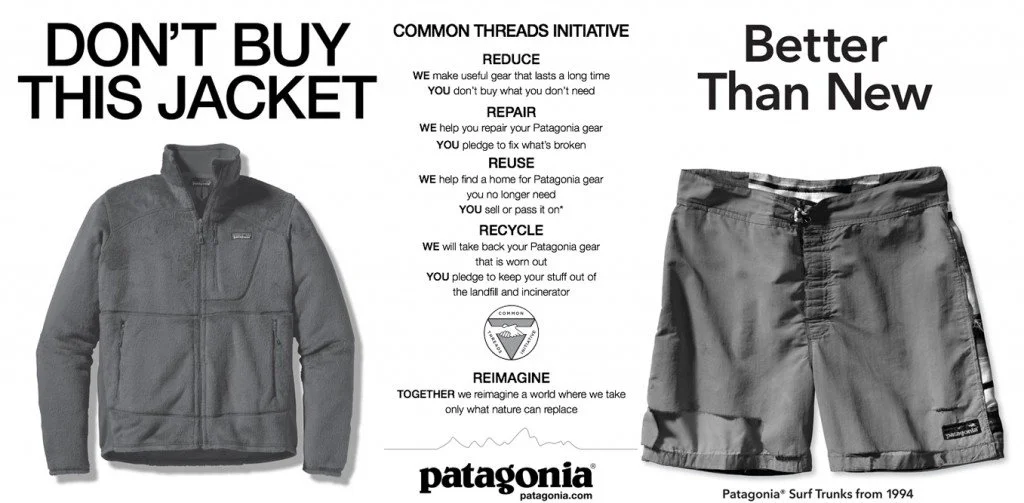
Patagonia 2011 Campaign
Gen Z is often referred to as the "activist generation", with their strong involvement in political movements such as climate change, racial equity, and LGBTQ+ rights, often fueled by social media's visibility and organizing power.
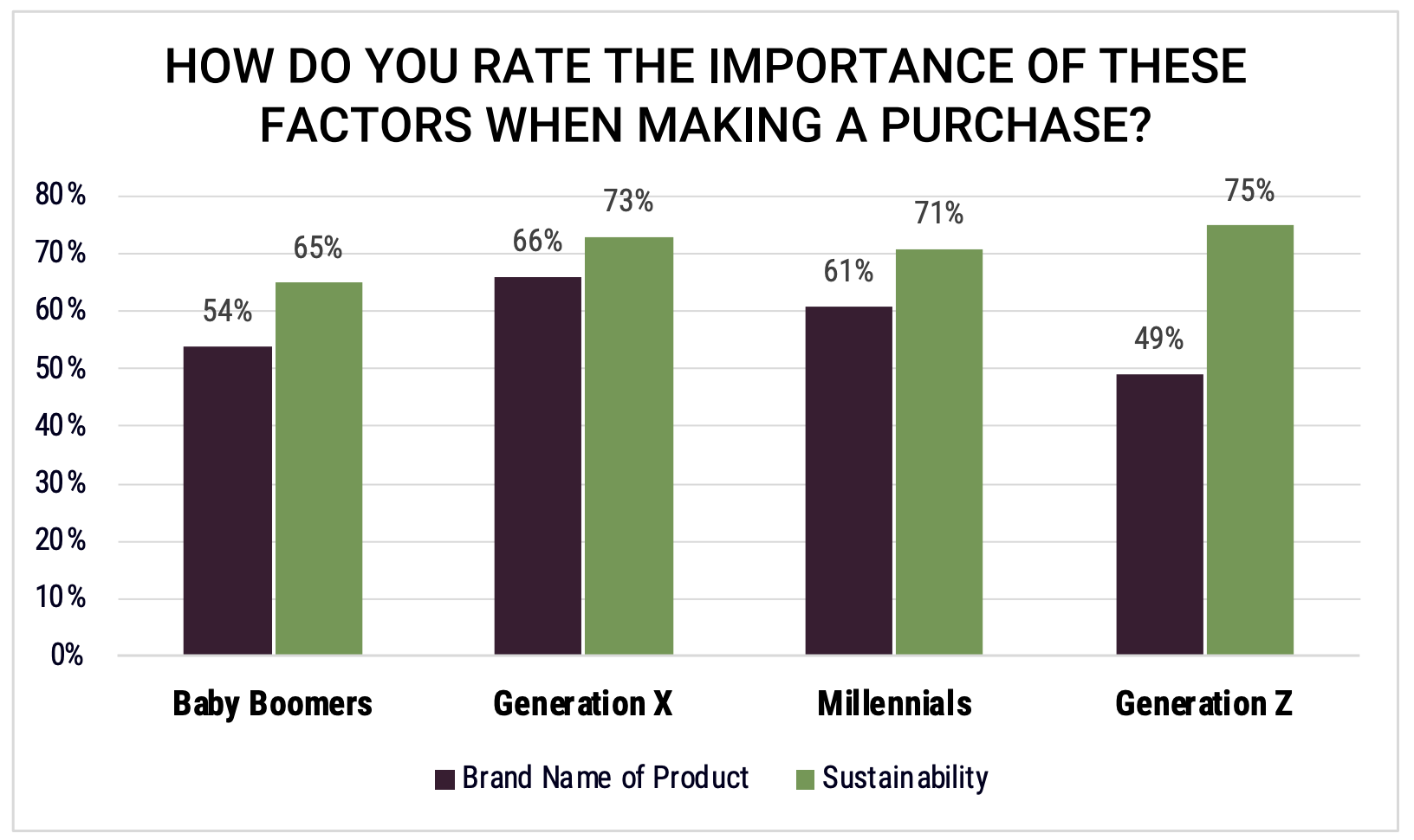
First Insight (2021) The State of Consumer Spending: Gen Z Influencing All Generations
This isn’t just a trend. It’s a seismic shift in how business is done.
Brands that flunk the assignment to evolve are at risk of losing not just revenue but relevance. It’s time to acknowledge that the future isn’t about hella profits—it’s about being hella conscious in the eyes of these emerging leaders and consumers.
And that’s hella great.
👋🏾 Soooo…collective illusion is public enemy number one. “Don’t Believe The Hype”. Every week, we’ll say the quiet parts out loud (in your inbox). So we can cancel or co-sign marketing or market trends and discern pop culture gems from flops together. And start making sense of the nonsense online.

Broken as F*ck: The creative brief for making people believe ghost jobs are real
Thank you for applying for this now obsolete role, sorry we didn’t hire you.
[ short answer ]
What are ghost jobs?
Ghost jobs are job postings for roles a company doesn't plan to fill soon, or at all. They're used to collect résumés, look busy to investors and competitors, or research what candidates want and expect to be paid. Warning signs: the same role reposted for months, vague "future-focused" descriptions, invitations to join a "talent community," and long application processes.
👋🏾 Soooo…collective illusion is public enemy number one. “Don’t Believe The Hype”. Every week, we’ll say the quiet parts out loud (in your inbox). So we can cancel or co-sign marketing or market trends and discern pop culture gems from flops together. And start making sense of the nonsense online.

37,000 applications...but only 4,000 positions were available @ the Toronto CNE (2024) Source: CP24
Ghosting has taken to the job market streets, y’all.
And I’m not even talking about the recruiters who ghost us, and not what may or may not be happening in your IG DMs (it’s a safe space here). It’s the job postings that are merely a mirage—the number of ghost jobs that exist in name only, designed more to mislead than to hire.
I know why these companies do it.
Yes, it’s complete nonsense, and I am here to make sense of it, even if we still need to trade time for money when the world's seven wonders are waiting to take up storage in our camera roll.
It’s ALL marketing.
Since we’re now eight Substack articles deep (shout to me and consistency), I can let you in on why I went to school for marketing. You ready? Perception is reality. The psychology of why we go to a specific school, take a job, or partner is all based on how it’s marketed.
Would you have given [enter so-and-so’s name here] a second date if they didn’t present themselves just the way you expected?
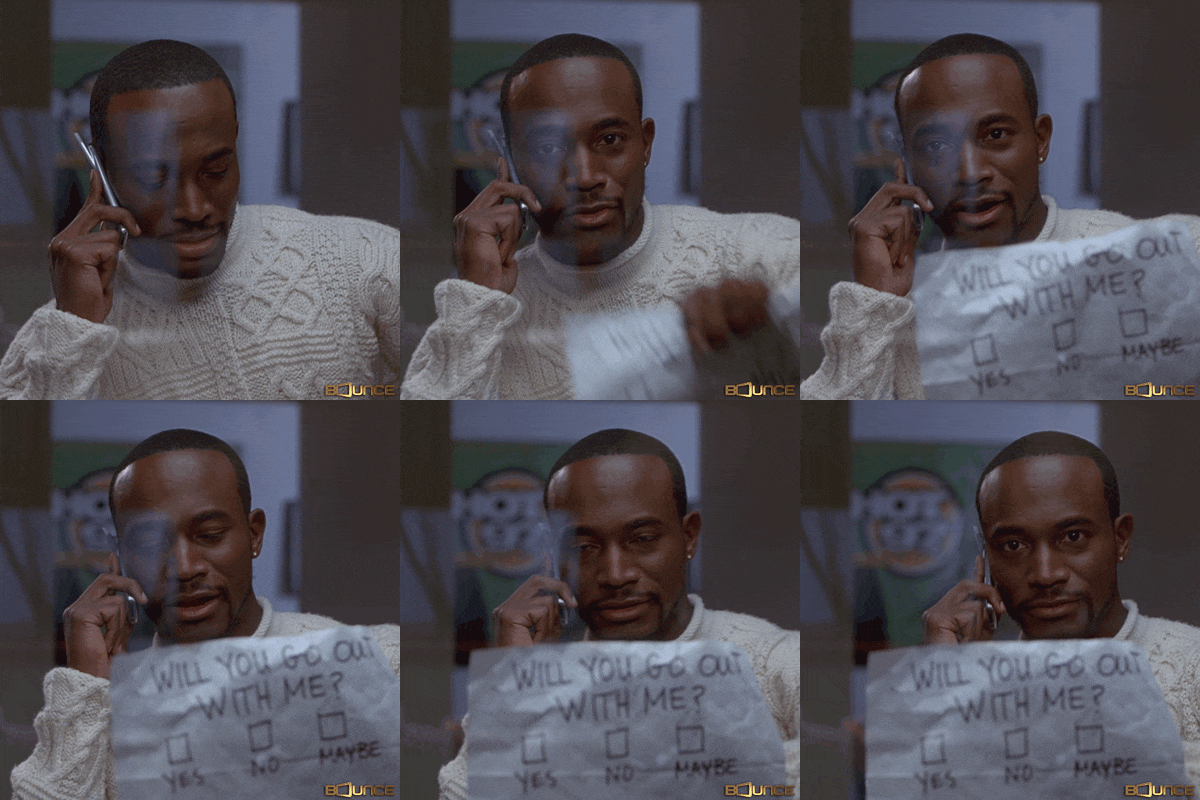
Either way, the perception, not the reality, of the situation is what has most of us in a chokehold (just like the gap between the number of jobs available stat to the lived experience of still being unemployed). And this is what working in marketing does to you. Force your hand to see right through the facades of the world—leaving no wonder. It’s scary sometimes.
So, as we have all experienced in some capacity—whether you or someone you know has been laid off, decided to switch jobs, or you’re just tapped into what’s going on in the economy.
The job market is broken as f*ck.
I don’t have the answers, but I can help lighten your perception of it.
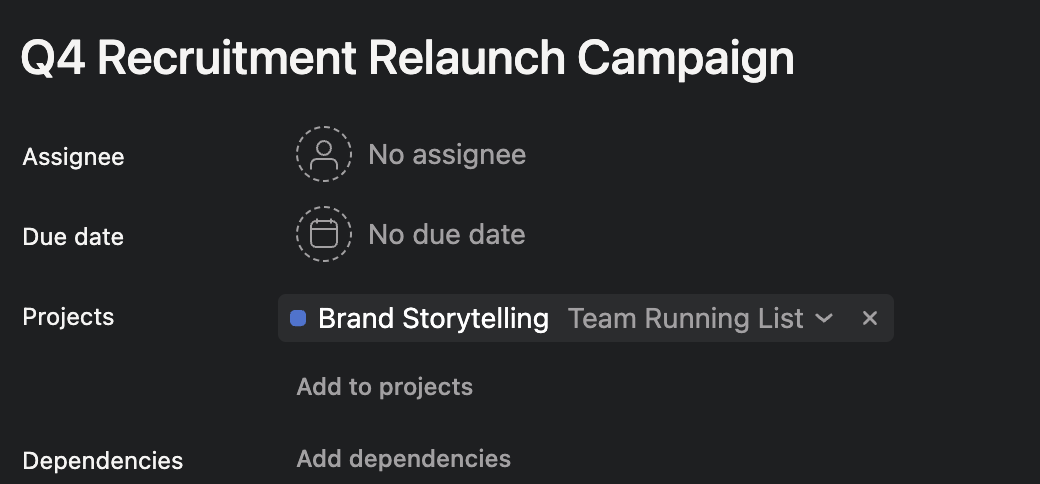
The Creative Brief for Making People Believe Ghost Jobs Are Real
Client:
Me, the company that doesn’t want to fill vacancies but piss off the talent pool, gather resumes like Thanos and deter competitors by appearing booked & busy.
Assigned to:
Preferably to a junior marketer with 5 - 7 years of experience who will do free job application assignments.
Briefed in at: 07:46 a.m., Tuesday
Deliverables are due by: 07:49 a.m., Tuesday
Flexible?
Of course! Must be able to work in a fast-paced environment and come to the office five days a week to sit in virtual meetings.
Project description/context:
Focus on the job abundance recruitment trick to mislead job seekers, increase investor confidence and create unnecessary competition, making it harder for actual job openings to stand out. So far, we’ve had ten jobs of the same title out for six months.
Purpose:
Create an illusion of a competitive hiring environment to manipulate the market, but we’re not genuinely seeking new hires.
Target audience:
Job seekers actively looking for employment, have probably been on the hunt for months and, at this point, are desperate for a callback.
Design needed:
N/A —We may test them in the job description to see if they read it. Something clever like, “Please include the word ‘moneyprintergobrrr’ in your application.”
Main messages to convey to the audience:
"We appreciate your patience, but we're just testing the waters."
"I understand it’s frustrating, but we’re gauging interest."
"Your skills are great, but unfortunately, this role was never intended to be filled immediately."
"I know you've been waiting for a callback, but sometimes these postings are just placeholders."
"It’s not you—it’s the market."
"The truth is, some roles are posted to gather collectables, also known as resumes.”
"I get it, you've applied everywhere. But some listings are there to attract top talent…for later."
"I wish I had better news, but this position was posted more as a strategy."
"Hang in there. We’re hope dealers.”
Tone of voice:
Strategically aloof, i.e. "We're always on the lookout for the best."
Slightly temperamental, i.e. "Opportunities are always on the horizon."
Half-heartedly competitive, i.e. "Our next big move is just around the corner."
Ideal audience reaction/response:
A hint of determination.
Even though job seekers may sense something is off, we still want them to feel compelled to keep trying and believe that getting their foot in the door could lead to something big! Thoughts like, "I’ll keep applying; you never know when they’ll actually need someone.”
I will also accept:
“Why haven’t I heard back?”
Past creative that might be applicable to this brief:
For reference, we have done the following recruitment tactics for applicants:
Frequent Social Media Posts: Regularly posting about "exciting opportunities."
Exclusive “Talent Pools” or “Talent Communities”: Inviting applicants to join where they can stay updated on “future opportunities.”
High-Profile Job Fairs and Events: Participating in or hosting job fairs and recruitment events where we collect resumes and engage with “potential candidates.”
Elaborate Application Processes: Designing a complex and thorough application process that demands applicants' effort, time, and engagement.
"Future-Focused" Job Descriptions: Posting job descriptions that are intentionally vague or focused on future needs, using phrases like "This role is part of our long-term vision.” Keeping our hiring timeline ambiguous.
Strategic Partnerships or Collaborations: Announcing partnerships with other companies or institutions, implying that new roles will emerge from these deals.
Mock Job Openings for Market Research: Posting roles designed to gather information about what candidates are looking for, what skills are in demand, or what salary expectations are—under the guise of a real job opening. This one has yielded us the best results!
Competitive analysis (what others are doing well):
Do the complete opposite of Buffer, the social media management company.
They create a sense of scarcity vs abundance by hiring infrequently and making job openings highly coveted—we’re not interested in making it clear why positions are rare. However, it has helped them attract high-quality candidates who are genuinely interested and committed to the company’s values and culture.
Budget:
To be determined based on scope and needs but we’re putting zero dollars or sense behind this.
Approvals:
Head of HR, maybe the CEO, but we can wing it.
Additional notes:
While I was taking the time to give you all the details, we re-posted the position. Nobody has applied yet, but when you do, you’ll be the first to be considered. Thank you for applying for this now obsolete role, sorry we didn’t hire you.

Don’t believe the hype.
P.S. Season One of ‘Don’t Believe The Hype’ essays have come to a close. The ______ as F*ck edition. Stay tuned for Season Two a week (or two) from now 🙏🏾
Wanna hear from me sooner?

Real as F*ck: We keep it demuretsy over here.
The LGBTQ community is to thank for many of the expressions used today.
👋🏾 Soooo…collective illusion is public enemy number one. “Don’t Believe The Hype”. Every Tuesday, we’ll say the quiet parts out loud (in your inbox). So we can cancel or co-sign marketing or market trends and discern pop culture gems from flops together. And start making sense of the nonsense online.
You’re either cringing, or you don’t know what the f*ck I’m talking about.
It’s probably fizzled out by now…
Over here, we’re “Very demure, very mindful” of new trends. You might not even have had the time to cancel this one.
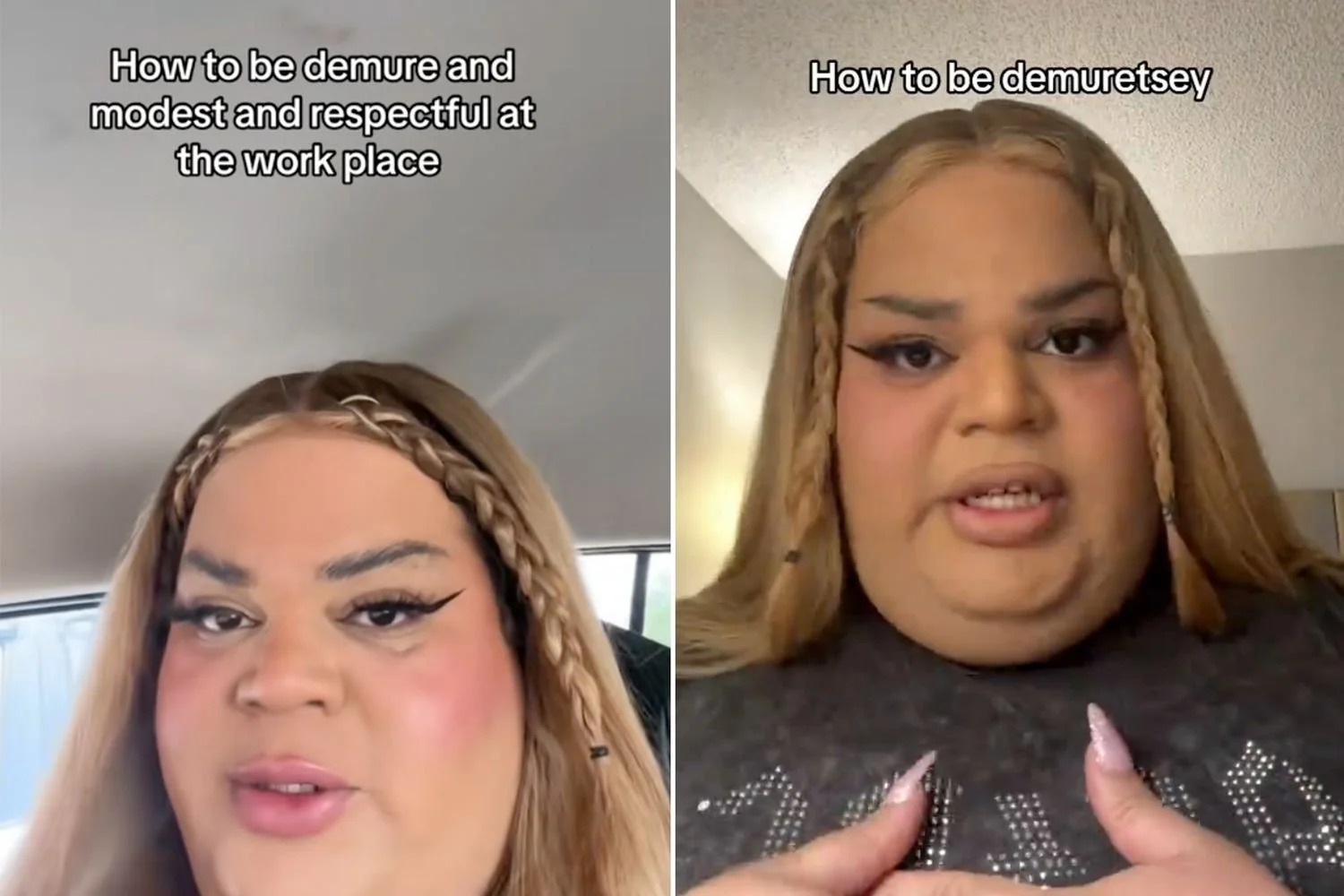
However, Jools Lebron’s trend is a cultural moment.
Like many others before it, this trend is a timestamp of where we are in history. Five or ten years from now, this period will be pop culture trivia at game night.
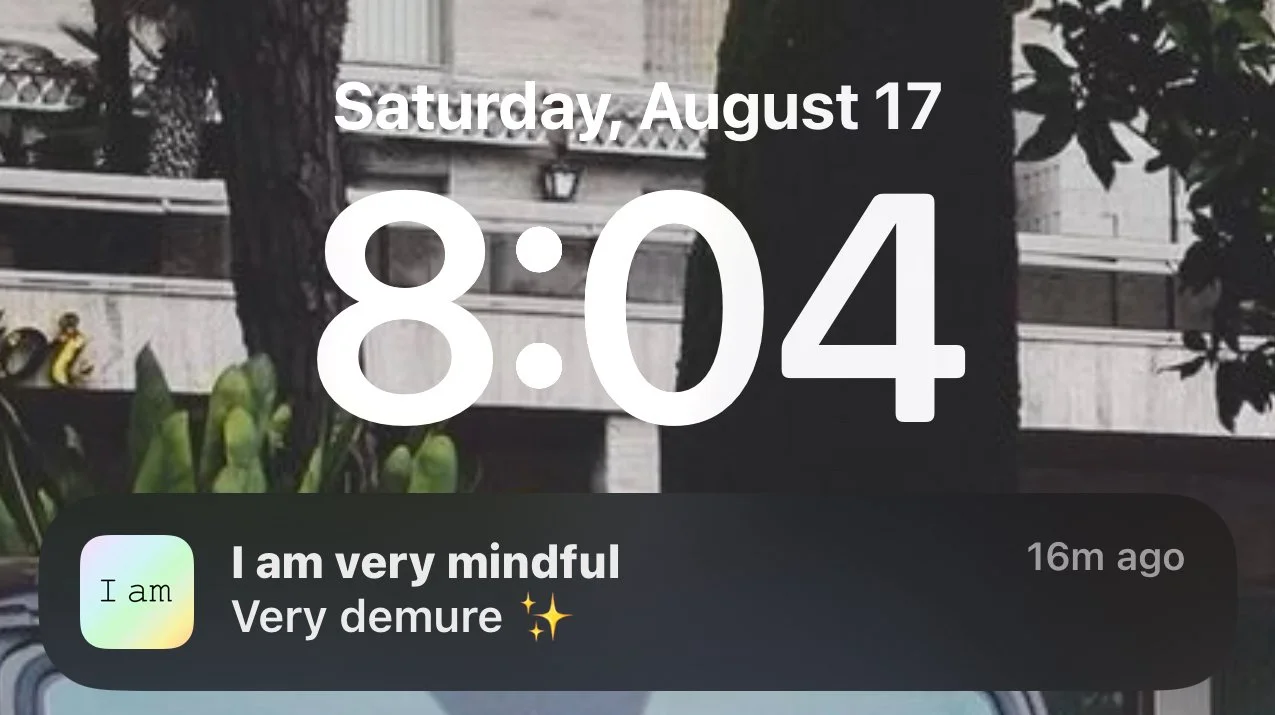
But for Jools, it will be a core memory.
Going viral allowed her to finance the rest of her gender transition from newfound brand deals and opportunities just by being herself. And that is something no forefathers could ever have predicted.
Connection and community also happen online, and it can change lives.
So, what makes cultural moments like these happen? Here are the few ingredients you need:
1 Ounce of Shared Experience
Make your audience feel like Insiders
Then, it becomes a global conversation. It’s easier said than done, but trends like "very demure" transcend societal norms. From facing gender ambiguity stares to misinformed “Are you gay?” questions, Jools is living out loud a life for many.
If you want to tap into culture, you must share something relatable that doesn’t necessarily appeal to a large group.
1 Cup of a Niche Community
Make your topics taboo or take private, public
This brings me to how the internet allows niche communities to sprout, which gives many folks a voice and bring like-minds together. Jools is an outspoken trans content creator who posts about daily life. So you may start to understand why r/FrugalMaleFashion, r/VanLife, or r/Showerthoughts subreddits (on Reddit) are created…so you can find your people.
Communities like these, no matter how silly, often provide validation, support, and a space for creative expression.
1 Pint of Viral Representation
Make the details a big deal
Feeling underrepresented in mainstream media? "Very demure," beyond the dictionary definition, celebrates an aesthetic that may not always be in the spotlight. Creators have the power to influence culture by how they represent their piece of the internet, attracting those who can appreciate it.
Don’t believe the hype. The LGBTQ community is to thank for many of the expressions used today.
And that’s real as f*ck.
You could make the content that might just change your life, too.
Keep it demuretsy! ✌🏾
What’d I miss?!
Hella Great: The 5 Gen Z slang, brands should adopt, immediately →