

Fresh-Like: Why I'm decentering work after losing my sister
And I finally got the memo: work will never grieve you.

I never want to force myself to write for this blog just to hit some arbitrary deadline. If I’m hitting publish, it’s because something needs to be dragged out of my brain and into the light.
There are a million things I could write about, but choosing the ones actually worth my time (and yours) is the tricky part.
That said, if you ever spot a hidden gem or flaming flop in some deranged social experiment disguised as marketing, drop me a line. I love a good deep dive.
Anyway. I fought hard not to write this post because death is inconvenient, sad and forced memories that you know you can never recreate because that person is gone. When my sister passed (1 year-2 months-3 weeks and 2 days ago), it was like my entire nervous system short-circuited. People say their world stops. And I used to call bullshit, but that is the best way to describe it.
I screamed. I cried. Until my face was unrecognizable from the swelling under my eyes. I’ve had migraines before, but this one lasted for weeks.
She died on the job.
She was an overcommitted Personal Support Worker. The go-to person. The one who showed up for everyone—inside and outside of work. And yet, the day she passed, it was business as usual.
I didn’t know after a series of events, it would lead me to this.
I stumbled across a TikTok (because of course I did), and it was talking about decentering work. And suddenly, it clicked. I finally had the language for something I’d been feeling and doing for a while.
Fresh-like approach
This is exactly why I started this Substack—because work was swallowing my life whole. And even though I like to work, I also need to get back to what lights me up.
Writing.
Not for a magazine byline or brand guest post but for me.
Because job titles were becaming my entire identity, and the last time I let that happen, I spiralled. It’s why you won’t catch me doing those “Thrilled to join *company*!” posts on LinkedIn anymore. I get that the whole purpose of the briefcase app is to publicly pledge allegiance to your employer, but… doesn’t anyone else find it a little weird?
I mean—the economy is shifting like a glitchy Sims world. Workplace rules are chaotic. Orgs are being restructured every quarter, if not more. The idea of staying with one company for a decade is something our parents did. We won’t.
So, where does that leave us?
How we view expertise is no longer about tenure—it’s about track record: Competence. Presence. Impact.
Professionalism has nothing to do with how you look—it’s how you deliver.
Hella Perspective: The Wicked redefinition of professionalism →
Can you show ROI? Leverage synergies? Run it up the flagpole? Boil the ocean? Or translate corporate Duolingo?
NONE of that has anything to do with the other half of your life. And YET, for some of us—myself included—it gets lost in the blur of our professional selves.
Maybe it’s time to step back.
Not to disengage—but to reclaim the parts of ourselves that don’t come with a paycheck.
So I’m on that discovery.
Who am I without the role, the title, or the company logo stamped behind my name?
If I’m not “Senior Insert Impressive Title Here at Respected Company™,” then what’s left? What do I actually enjoy outside of productivity hacks and industry insights? Am I still ambitious if my ambition isn’t tied to a job description?
I don’t have all the answers yet. But what I do know is this: I refuse to have my headstone read business as usual.
And before you ask, decentering work isn’t about doing less—it’s about making sure work isn’t the only interesting thing about you.
So, what’s the less morbid alternative?
Prioritizing Autonomy
I didn’t stumble into my marketing career—I strategically stacked my skills.
Three credentials deep in social service, IT, and marketing, I was making all kinds of zigzag moves that didn’t make a lick of sense at the time. But breaking into tech did. It felt like getting into an exclusive sorority—one where the title, the paycheck, and the respect were the ultimate flex. I had something to prove.
But then, the same company that once gave me that warm, fuzzy sense of belonging decided it didn’t need me anymore. Laid off. And let me tell you, the first time was crippling. The second time? Infuriating because trailing behind it was my sister’s funeral.
And I finally got the memo: work will never grieve you.
It’s then I realized I didn’t just want a seat at the table—I wanted the ability to walk away from it if it no longer served me. Autonomy over attachment. That’s the goal now.
Bigger Than the Title
At first, success meant getting in the room. Getting the title. Getting the paycheck. I measured my worth in corporate acceptance letters like Ivy League admissions.
But when that job got pulled from under me, it forced me to ask: What was I really building?
If I had to start over from scratch every time, then clearly, I wasn’t playing big enough. That layoff didn’t end me—it recalibrated me.
Redirecting your building efforts into something that can catch you when you fall is a skill set they don’t teach in school. Being unfirable is not about gripping your PTO tightly. It’s about building a network that opens doors.
A foundation so strong that even if a job disappears, your value doesn’t.
Work Can’t Be the Main Character
I wouldn’t change a thing about my career journey.
Not the struggle, not the heartbreak, not the frustration. Because every time I lost a job, I found myself. Now, I don’t let work consume me—I let it support me. The difference is I put ME as the priority. And ME will always have my back.
Decenter work by making sure you’re the one in control of your autonomy, purpose, and life.
And because old habits are hard to break, I’ve done what any recovering taskmaster would—I’ve established a set of guiding principles to keep me accountable.
I invite you to explore what decentering work looks like for you, too. Maybe it’s setting firmer boundaries, reclaiming your time, or not announcing your next role on LinkedIn. And if you have a better way to do it—or a hobby recommendation that doesn’t involve running at 6AM—drop me a line. I’m all ears.
The Decentered Work Credo
I am not my job.
I am more than a title, a salary, or a performance review.
Work supports my life—it does not define it.
At my best, I give my energy to what matters.
I commit to excellence, but I reject burnout as a badge of honor.
Overwork is not a virtue—it is a failure of boundaries.
I choose autonomy.
I build options not just for financial freedom but for leverage.
A paycheck is not my safety net.
My skills, my adaptability, my network—that is my foundation.
I embrace seasons.
Some years are for acceleration. Some are for stillness.
There is strength in knowing when to push forward and when to step back.
Not every year needs to be a hustle year.
I measure milestones beyond work.
I refuse to let my greatest accomplishment be how much PTO saved.
The best moments in life are not tracked in KPIs.
They are found in experiences, in relationships, in personal growth.
I work hard. But I work smarter.
I build. I grow. I live.
And in doing so, I choose ME.
👋🏾 Soooo…collective illusion is public enemy number one—Don’t Believe The Hype. Every so often, we’ll say the quiet parts out loud (in your inbox). So we can cancel or co-sign marketing or market trends and discern pop culture gems from flops together. And start making sense of the nonsense online.

Backwards-Like: The silent class war behind DEI rollbacks & the rise of personal branding
There is no innovation in stagnation.

It’s not about priorities. It’s about power.
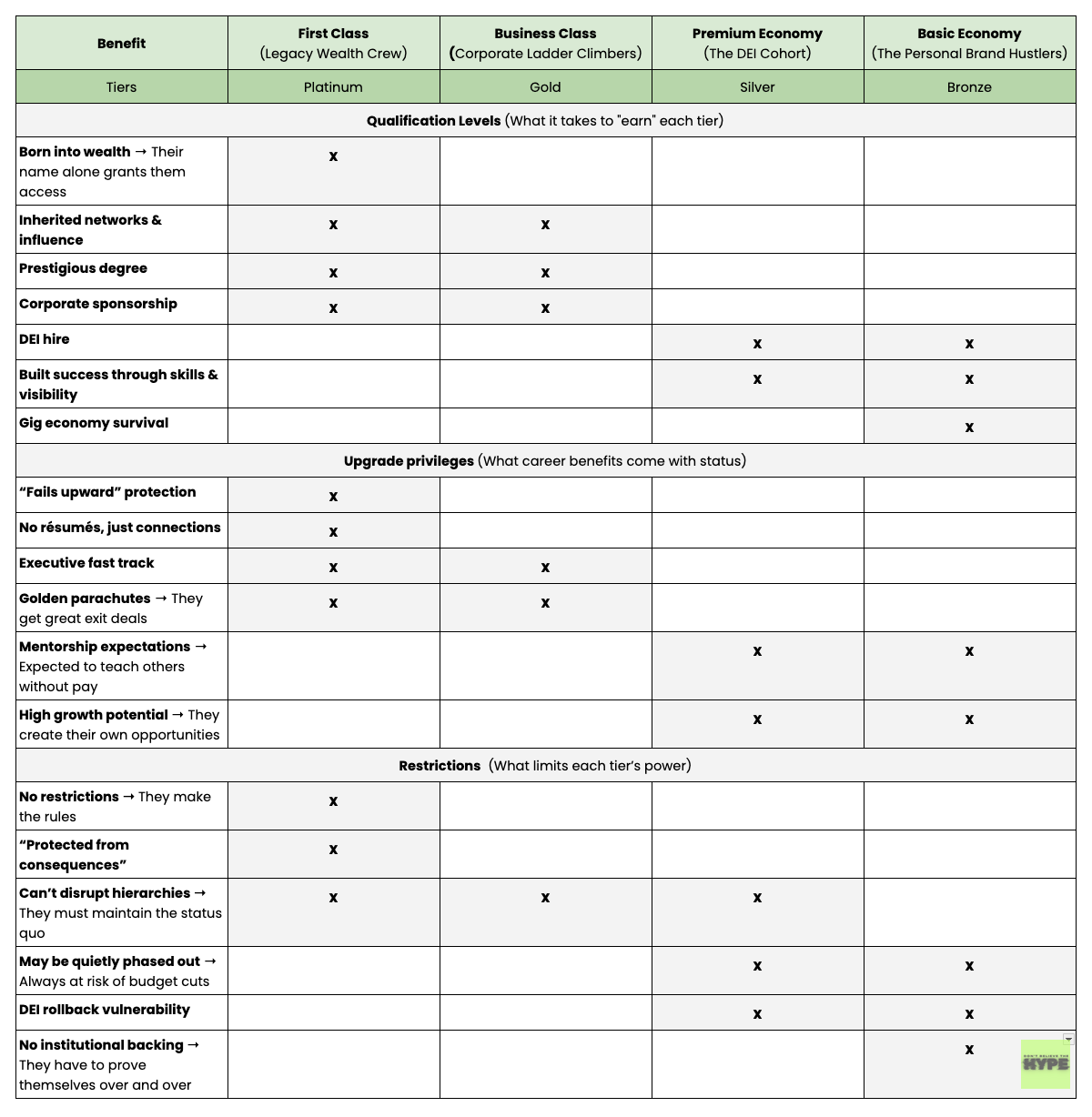
The rollback of DEI isn’t a step backward—it’s a correction to keep class structures intact.
I told myself I wasn’t going to write about DEI again. Lord knows the internet doesn’t need another think piece. It’s the same conversation on loop, usually led by Black and Brown folks. But there’s an angle being overlooked—one that makes the whole DEI debate a little more logical. And that it’s never been just about race.
Classism has been the main character all along.
Too many “non-traditional” hires found a way in, and now the corporate world is hitting the reset button.
But they forgot to close the back door.
While companies pull back DEI, the rise of personal branding: LinkedIn thought leadership, TikTok entrepreneurs, and Twitter commentators are building influence without permission. And it’s giving individuals a way to bypass traditional gatekeepers and build influence on their own terms.
And that, my friends, is what corporations really fear: not the increase of diversity, but the lack of control.
Mini caption for the sister of woke
DEI: Diversity, Equity and Inclusion.
A wise LinkedIn commentator once said we should start writing it out because when you shrink DEI into an acronym, you shrink its meaning too. And honestly…points were made.
If you’re against Diversity, Equity, and Inclusion, then what you’re really advocating for is fake meritocracy—a system propped up by bias, discrimination, lawsuits, attrition, groupthink, and, let’s be real, mediocrity.
The part where it’s backwards-like: class loyalty vs. class mobility

We’re living in two work realities at the same time, and somehow, we’re supposed to be great at both.
On one hand, there’s the Industrial Era Thinking (Class Loyalty): work hard, be grateful, keep your head down, and maybe—maybe—you’ll climb the corporate ladder.
On the other hand, we’ve got the Tech/Digital Era Thinking (Class Mobility): work smart, build a personal brand, and make your own lane because corporate loyalty won’t pay the bills.
The problem? Companies expect us to juggle both.
But let’s put this into context. The days of working on the assembly line for 40 years and retiring with a pension are gone. Social mobility used to be tied to inheritance (family farms, generational businesses), and then education became the new currency. The most valued career paths—professional and technical jobs, entrepreneurship—require an advanced degree, capital, or both.
Over the years, gatekeepers have made sure not everyone gets access, and the price of entry kept rising.
This is why DEI wasn’t just about diversity—it was about who gets access to capital, opportunity, and power. Historically, wealth was tied to financial capital (land, money), but in today’s landscape, human and social capital determine who moves up. And guess what personal branding does? Did you guess it?? It bypasses the traditional power structures and creates new paths for influence. That’s why it’s on the rise.
So now it’s less about nepotism and elite pedigrees. The average person is getting a shot now because of skill.
And although DEI was supposed to be the bridge between these two worlds, giving marginalized folks a fair shot at the same corporate perks that had always been reserved for the right kind of professionals (read: the ones who already fit in). Companies got to look progressive, hire a few “culture adds,” feature a few minority-owned brands and pat themselves on the back for “opening doors.”
But now that too many outsiders have made it inside—the door is being slammed shut with the quickness.
Follow-up point of backwards-like behaviour: self-made vs. skill-made success
Skill—not pedigree—is producing our next wave of CEOs, founders, and millionaires.
And honestly…the old guard is stressed about it. For decades, success was gatekept behind Ivy League degrees, country club connections, and last names that sounded like they owned a railroad. But now. The real currency is skills. And according to McKinsey, those skills have the lifespan of an iPhone update—half of them are irrelevant in five years (whispers in AI).
And let’s be real—education systems are crumbling under the weight of their own irrelevance. Schools can’t keep pace with online learning, and the proof is in who’s winning: experience and skill are outpacing advanced degrees every time. 28% of high school graduates out-earned the median associate’s degree holder, and 37% of associate’s degree holders outearned the median bachelor’s degree holder—all because they learned skills through experience rather than traditional education.
That’s why people from lower-income backgrounds are finding new pathways to wealth—the gatekeepers are still holding clipboards at the front door while folks are building whole empires through YouTube, TikTok, and AI-powered businesses. Like my daughter, who’s getting a middle school education by day and running a YouTube empire by night. Which one is more important? Yes, both. One gets you through the gatekeepers, and the other makes sure you don’t need their approval ever again.
It’s the same for companies. The longer you stay at one place, the more outdated your skills become. Workers who take on higher-skill distance jobs (also known as “job-hopping” to roles requiring 30-40% new skills) are the ones climbing income brackets, while those who stay in familiar roles see little to no financial progression.
But instead of training employees to keep up and stay put, companies clutch their pearls, worried that talent will take what they’ve learned and leave.
News. Flash.

That’s already happening. Either people jump ships, or they stay and sink the ship.
There is no innovation in stagnation.
And in a world where experience is the real golden ticket, companies refusing to evolve are about to find themselves on the wrong side of the wealth gap.
And isn’t this what the people want?!
We are in the Age of Aquarius—where technology reigns, and the power belongs to the people. It’s written in the stars. So while some see the rollback of DEI as a reverse Uno of progress, the powers that be are about to learn what else is backwards-like.
Don’t believe the hype—because the real power shift. It’s not happening in boardrooms.
Just scroll online.
Build the skills that don’t expire in 5 years but compound instead. Start here ⬇️
Professionalism has nothing to do with how you look—it’s how you deliver.
Hella Perspective: The Wicked redefinition of professionalism →
In conclusion, The Corporate Classism Rewards Program
👋🏾 Soooo…collective illusion is public enemy number one—Don’t Believe The Hype. Bi-weekly, we’ll say the quiet parts out loud (in your inbox). So we can cancel or co-sign marketing or market trends and discern pop culture gems from flops together. And start making sense of the nonsense online.

Familiar-Like: An Executive Order, Your first 90 days on the job are a power play
You were chosen, so stop acting like you need permission to belong.
[ short answer ]
How do you make a strong impression in your first 90 days at a new job?
Treat your first 90 days as a three-month plan. Month 1: act like you belong, audit what's broken, and ask targeted questions about bottlenecks. Month 2: join existing projects and solve the problems you found. Month 3: set up your own workflows, automate repetitive work and build a process. Listen more than you talk, and don't fill everyone's calendar with intro meetings.
It’s a rare and beautiful thing when a manager actually does their homework before hiring you.
Because let’s be real, half of them are out here playing a guessing game with job descriptions they copy-pasted from LinkedIn.
But I’ll never forget the time a hiring manager really understood my brand & customer marketing expertise well before I even stepped into the first interview. She didn’t just skim my resume—she came prepared with receipts.
This woman asked me about the chatbot on my website and told me she wanted me to implement it at the company! A hiring manager who actually researched my work? I almost cried.
That kind of recognition will have you walking into a new job feeling like Beyoncé on her Homecoming tour—respected, ready, and already in formation.
That request will always make me feel warm and fuzzy inside.
Because of that, I hit the ground running on day one. No second-guessing, nor was I sidelined. No need to prove myself. I was trusted as a decision-maker, given the autonomy to actually do the job they hired me for, and empowered to lead with confidence instead of survival mode.
That kind of endorsement makes you want to give more because you’re not spending half your energy convincing people you belong.
But let’s keep it real…this kind of support is not standard.
For women entering the workforce, it’s still the exception, not the norm. And for Black women? It’s like spotting a pink unicorn—magical, mythical, and nowhere near as common as it should be.
And for that reason, I created this executive order.
Whether you have that level of support or not, you can make a power play in the first 90 days. Heck, you can start over even if it’s your 90th week on the job. Because waiting for someone else to advocate for you…that’s a gamble you don’t have time to take.
BY ORDER OF THE NEW HIRE POWER PLAY DEPARTMENT:
This executive order is a decisive action—no debate, no committees, no waiting around for approval.
It’s how leaders walk into the room, make their presence known, and start moving things in their favor from day one. Some have used it to bulldoze their way into power, signing off on decisions like they were flipping through a restaurant menu (we all remember that first week in office.) But in your case, it’s about stepping into your new role with authority—not hesitation.
Now, before we get into the details, let’s address the obvious: a lot has been happening. The year of January alone had enough plot twists to make a full-season recap necessary. So, after taking a moment to process all of that, it’s time to focus.
The first 90 days of a new job are your personal administration’s transition period. Move with intention, operate with clarity, and establish your reputation before someone else defines it for you.
Failure to comply may result in unnecessary meetings, performance anxiety, and coworkers forgetting you exist until month four.
MONTH 1: YOU WERE HIRED FOR A REASON—ACT FAMILIAR-LIKE
Directive 1A: You did not stumble into this job by accident. DO NOT underplay your skills. You were chosen, so stop acting like you need permission to belong.
Conduct an audit like a consultant: What’s broken? What’s slowing the team down? Where can you help immediately?
Accept all the meetings. Even invite yourself to ones (that seem relevant) —cross-functional included. However, avoid spamming your coworker’s calendar with meaningless 1:1s just to “introduce yourself” or coffee chats. Not only is it not a good use of your time (initially), but nobody likes unnecessary meetings when they’re at capacity.
Instead, ask targeted questions: What’s the biggest bottleneck? What’s taking longer than it should? What’s not working as well as it could? This is how you establish yourself familiar-like—as someone who listens, learns, and solves.
These are your golden tickets to scoring quick wins.
MONTH 2: THE SIDELINES ARE A TRAP—GET INVOLVED FAMILIAR-LIKE
Directive 2A: Watching from the sidelines is a one-way ticket to irrelevance. Get involved quick.
Get involved with existing projects early. Offer to help on projects where your skills apply, but be strategic—this is about contributing, not overcommitting. Every company wants you to learn its values, mission and culture by reading the documentation. But you learn faster by jumping in and working with the team.
Read the onboarding materials (yes, all of them) so you don’t waste time asking questions that already have answers or stepping on anyone’s toes. But also, don’t be timid about diving in simultaneously.
Be the solution to existing issues. Whether that’s setting up a process to make it easier to do something, recording the action items from a meeting to re-share or stepping in to fill a role if they’re short a person. *You would have discovered the existing issues by doing the audit in month one.
The faster you contribute, the faster you become familiar-like with the real work culture—not just the handbook version.
📌 NOTE: If you are waiting for someone to personally guide you into productivity, prepare to be disappointed. Self-starting is the real onboarding.
MONTH 3: AUTOMATE, ORGANIZE, AND WORK SMARTER—FAMILIAR-LIKE A PRO
Directive 3A: Chaos is inevitable, but preparedness is optional.
Set up your own workflows early. Organize your tasks in a way that makes sense for you.
Automate redundant work. Not to take on more, but to protect your mental bandwidth on days when you don’t want to think—just do.
Have a process. Working smarter is how you maintain your energy (not your time). A process in place allows you to put more emphasis on the strategy rather than the execution. The sharper the sword, the cleaner the cut.
⚠️ VIOLATION PENALTY: Failure to automate may result in burnout, unnecessary overtime, and wondering why this job suddenly feels way harder than it should.
FINAL RULING:
Getting up to speed is your job—nobody’s handing you a syllabus.
Your fresh perspective is only valuable if it’s backed by actual understanding. If you don’t have enough context yet, don’t be out here scheduling 1:1s just to ask, "So, what do you do?" That’s LinkedIn small talk, not strategy.
The goal isn’t to be the new hire everyone remembers because you booked half their calendar—it’s to be the one they respect because you ask smart questions and move with intention. Don’t come in thirsty to prove yourself (gives off pick-me energy). Instead, be active where it counts: drop insightful questions in meetings or Slack (“Where are the biggest opportunities for improvement?” “What’s a total time-suck we should fix?”).
Listen more than you talk. That’s how you figure out what actually matters.
Once, a manager mandated I set up 1:1s with everyone during a campaign launch. Imagine squeezing yourself into someone’s already overbooked calendar just to say hi—when they’re trying to meet a deadline?! Be so for real.
To successfully familiar-like your first 90 days, you must:
Pay attention, then conduct an audit.
Get involved early.
Establish your process and presence.
*Also, I am dropping this post here once you’ve settled into your new role and realize it’s a hot mess like every other company you’ve been in.
Thirsty as F*ck: Was 2020 the best year for human capital? →
OFFICIAL SEAL OF APPROVAL: If followed correctly, these directives will result in a seamless, confident, and respected presence at your new job. If ignored, prepare for a long, awkward onboarding period where people constantly ask, “Oh, are you new here?”…although it might buy you some grace (and plausible deniability) when you inevitably fumble a few things in your first 90 days.
“Who knew it could be this complicated?”
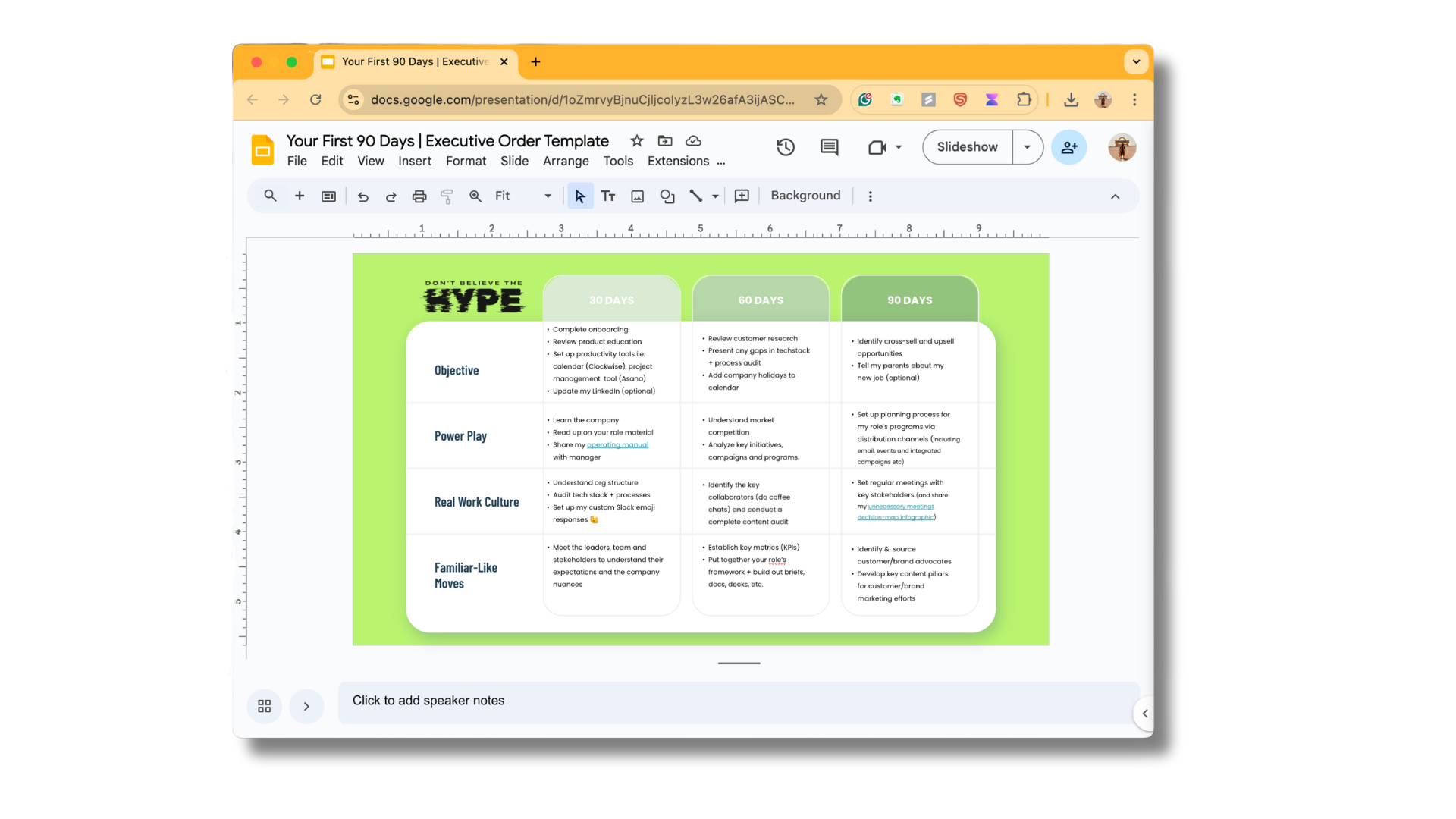
Need a 90-day template? Here’s mine. File. Make a copy.
👋🏾 Soooo…collective illusion is public enemy number one—Don’t Believe The Hype. Bi-weekly, we’ll say the quiet parts out loud (in your inbox). So we can cancel or co-sign marketing or market trends and discern pop culture gems from flops together. And start making sense of the nonsense online.

Better-Like: The Anti-Prediction Predictions List For 2025 🔮
Predictions are for clickbaits. Preparation is for power moves.
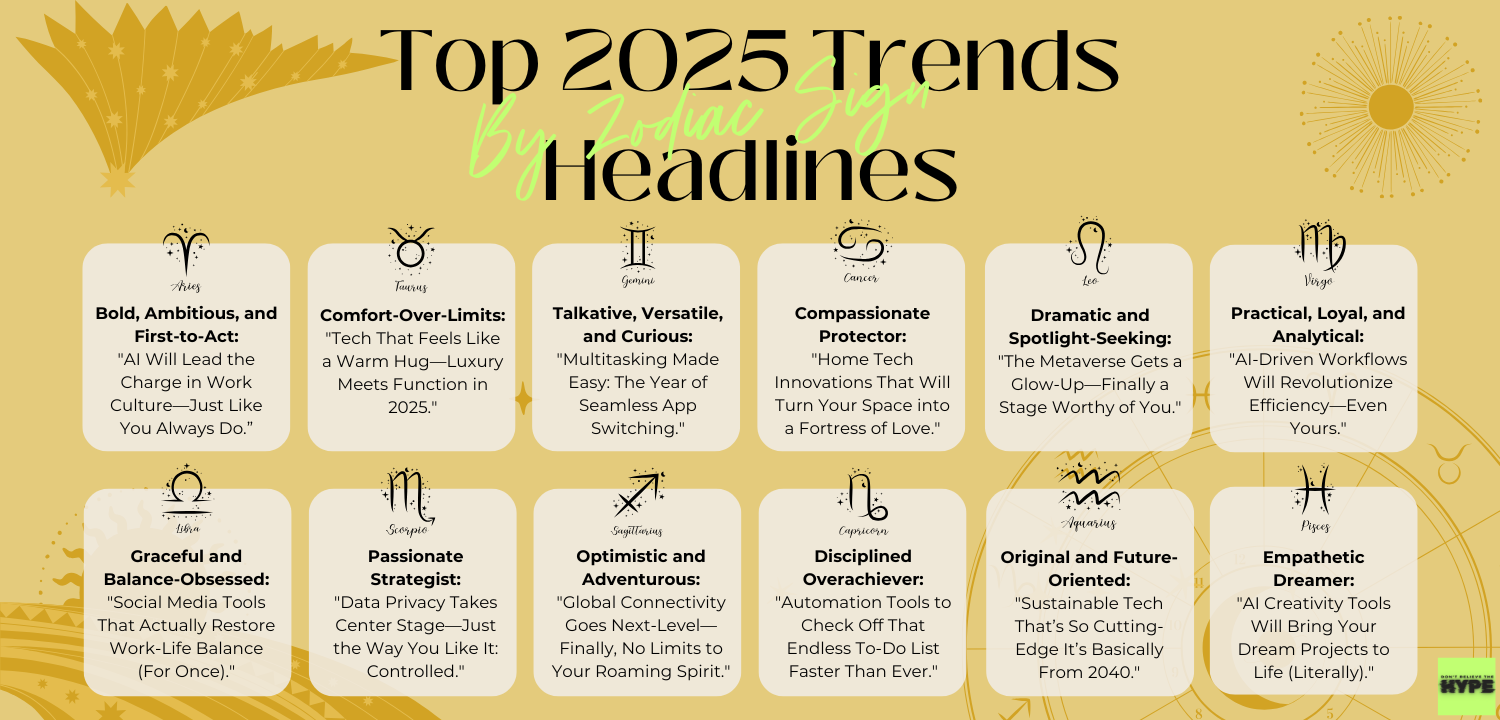
What “Top trends for next year” feel like…Horoscopes
“Top Predictions” lists are useless.
Does anyone else’s anxiety spike every time they read one?!
Let’s be honest—are we actually predicting or just tossing glitter on guesses and calling it strategy? Because we can’t be studying this wayward market for trends?! It’s giving dartboard decision-making.
I’ll be real with you. I’ve searched for patterns, and guess what? Nothing. Not because I failed Miss Cleo 101 certification course, but because everything is pure chaos. The economy. The government. Health care. Zuckerberg. You name it. It’s all a mess.
Let’s BFFR. And let Christine catch you up.
Predictions are supposed to spot patterns, analyze trends, and forecast what’s upcoming. Cute in theory. But in this reality…in this big flop economy. NOBODY KNOWS.
Wow. That felt really good to get off my chest.
I mean, it’s understandable to want clarity—humans crave it like Wi-Fi in a dead zone. But let’s repeat for emphasis: not me, not you, not the market analysts with the fancy charts, and certainly not the internet’s self-proclaimed astrologers of business know what’s up.
No more than astrology can predict your soulmate based on your rising sign. (And yes, I know my big three—don’t test me.)
But NFTs…those I can’t explain, and honestly, neither can the blockchain bros at this point.
So let me tell you what’s (In+) and what’s (Out-) for 2025.
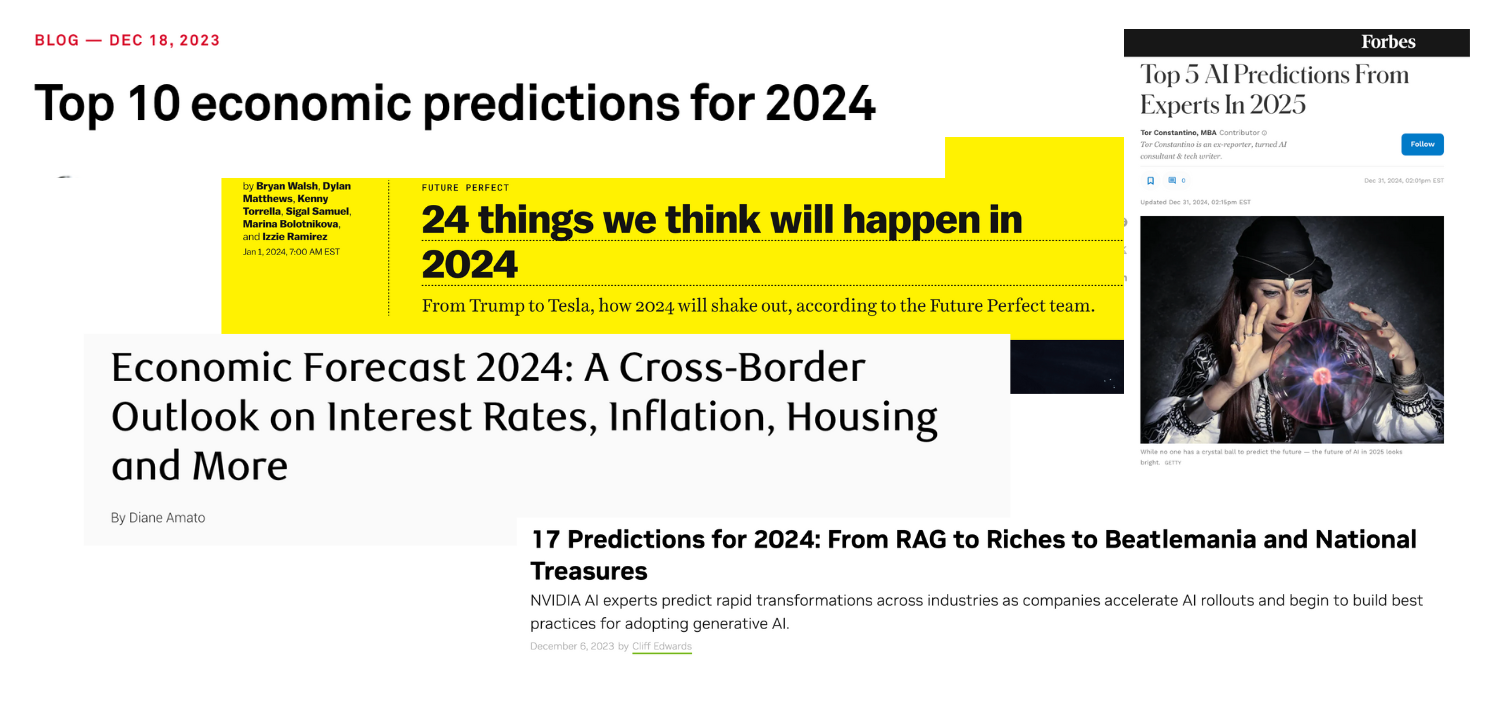
2023 Prediction Headlines for 2024
(Out -) 🔮 Fortune-Telling
Astrology at least owns up to its mysticism: “Here’s what the stars might suggest…”
But for market predictions, they slap on buzzwords like “projections” to make their wild guesses sound like gospel. Weren’t these the same experts who swore remote work was the future but are now preaching “office culture is back.” And let’s not forget the DEI foreshadowing—once a corporate must-have, now the brands are rollingback “prices” and parity.

The game isn’t about being right. It’s about being first.
The bolder the prediction, the more clicks it gets—accuracy be damned. And in the race to shout “trend alert!”, we lose sight. We eat up predictions because they make the chaos seem manageable. It’s comforting to believe someone has a crystal ball—even if it’s cracked.
But life, much like social media algorithms, does what it wants. You can hustle and strategize all you like, but the universe (or the internet) will decide what’s next, and your plan will be the first casualty.
✨ (In+) The Shift From Prediction to Preparation
If we learned anything from the dark months of the pandemic era, we need to be more planful than prophet.
The prediction game isn’t about helping you prepare—it’s about grabbing your clicks on “Top Trends for 2025.” It’s horoscopes in a corporate disguise: “AI will revolutionize work culture!” and “The metaverse will redefine community!”.
But preparation is about focusing on what’s actionable, or as the Latin phrase "Carpe diem quam minimum credula postero,” reminds us, “pluck the day, trusting as little as possible in the next one.” (Shoutout to the My So-Called Midlife podcast with Reshma Saujani and guest Bozoma St. John for that gem—IYKYK.)
And that’s the shift: trust less in what’s next and instead set clear priorities, celebrate small wins, and build systems that outlast the latest trend cycle. Predictions are for clickbaits. Preparation is for power moves.
❗️A “Better-Like” Philosophy
Instead of obsessing over what’s coming, what if we focused on getting 1% better every day? Be better-like.
Better-Like n. adjacent to better
It’s not about trying to go viral or make the Forbes 30 Under 30. It’s about showing up. Tweaking a caption here, rethinking a process there. Small, unglamorous wins that stack up into something meaningful.
It’s like playing the social media game. You can’t predict which post will blow up (although it’s probably the one you spent 30 seconds on), but you can control the quality of the content you put out.
Personal growth works the same way. Those “viral” moments in your career or Instagram feed are just happy accidents of consistency and timing. No strategy, no secret sauce—just doing the work, one slightly better-like day at a time.
👀 This is Your Official Invite
So, since we’re officially done with the prediction circus, here’s the real move. Stop chasing trends and start focusing on what you can control—getting just a little better every day. Predictions might make for great headlines (and clickbait), but they distract us from what really matters: doing the work.
So today, tweak that process. Tomorrow, improve that email. Because the future isn’t about knowing what’s next—it’s about being ready for when it happens.
And honestly, how can we focus on “bigger and bolder” when we haven’t even mastered better.
The Guest List, Or: People Personally Invited to Be “Better-Like” in 2025
The one clapping for themselves in their car because nobody else recognized surviving 2024 felt like winning The Hunger Games. (We see you.)
Anyone who deleted “become a billionaire” off their vision board and replaced it with “pay off the highest-interest credit card.”—knowing grounded goals are the new manifesting.
The multitasker who has 15 tabs open, two half-finished projects, and zero memory of what day it is.
The person still posting ‘New Year, New Me’ in 2025.
Anyone on the internet who was giving “very demure, very mindful, very cutesy,” but their browser history screams chaos.
Drake. We shall overcome.
That people pleaser who would rather play Mad Libs with themselves than ask what the hell they actually want.
The A-type whose Monday morning feels like plotting a heist in Ocean’s Eleven with Lupin energy.
Anyone who made it through a Zoom meeting without saying, “Let’s circle back.” Bravo.
The human with a disaster kit—not just for earthquakes but for career plot twists. Skills > excuses.
The quiet genius building systems while everyone else is chasing shiny objects. You’re the real MVP.
Every late bloomer who keeps showing up, moving forward, one tiny, consistent step at a time. Your 1% is about to flex on er’body.
Happy New Year!
👋🏾 Soooo…collective illusion is public enemy number one—Don’t Believe The Hype. Bi-weekly, we’ll say the quiet parts out loud (in your inbox). So we can cancel or co-sign marketing or market trends and discern pop culture gems from flops together. And start making sense of the nonsense online.

Hella Perspective: The Wicked redefinition of professionalism
If you don’t look the part, your confidence is labeled as cocky, your boldness as insubordination, and your assertiveness as aggressiveness.

Elphaba Thropp played by Cynthia Erivo, Wicked (2024)
Professionalism has nothing to do with how you look—it’s how you deliver.
And it’s taught in grade school.
I watch my daughter navigate the shark tank that is middle school, and honestly, she’s already clocking in more “professionalism hours” than some grown adults I’ve worked with.
She’s out here navigating tricky social dynamics with the expectations of managing it with the grace of a seasoned diplomat. Her report card is basically a corporate performance review in disguise: graded on responsibility, organization, independent work, collaboration, initiative, and self-regulation. Sound familiar?
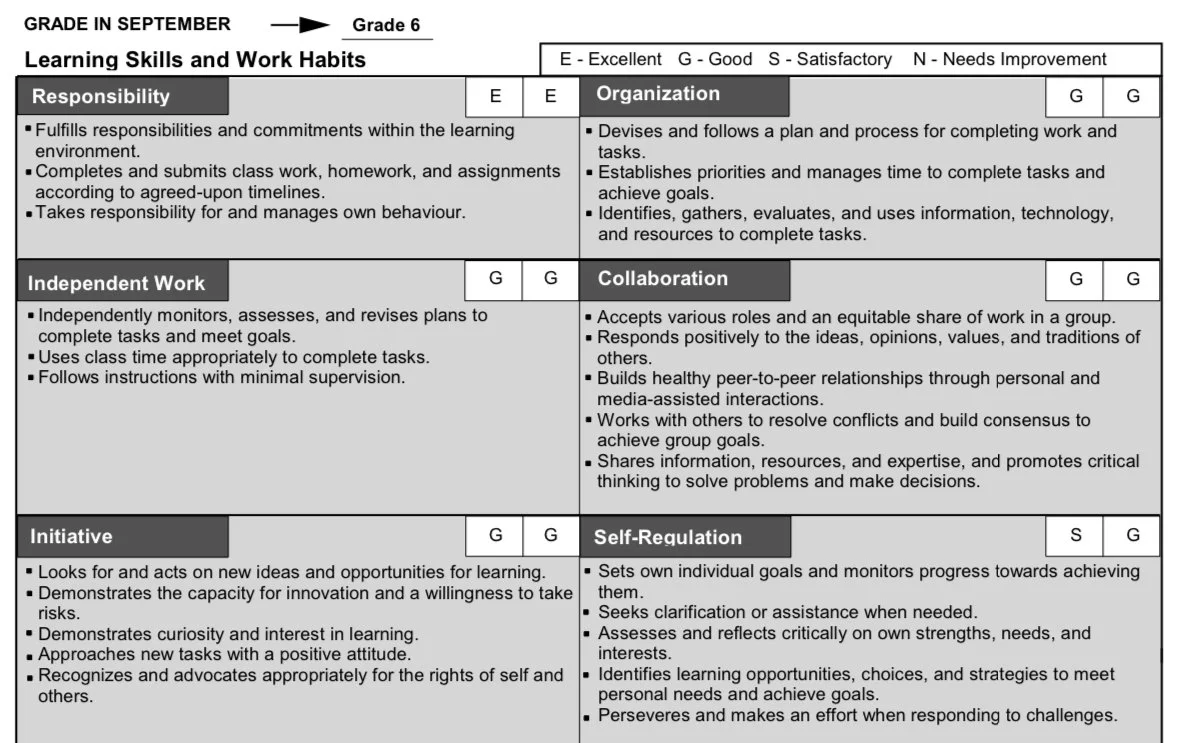
Grade School Report Card
She’s constantly testing the boundaries of her independence with her teachers—like it’s her full-time job. And to understand why, you’d need to know her a little better.
She’s that kid. The one who calls things out, asks the questions that make adults squirm and drops her opinions into conversations like truth bombs—completely unfiltered.
It’s both admirable and mildly terrifying. But her outspokenness often lands her in trouble, like the time her teacher told her to wear her Epipen fanny pack for an outdoor field trip. Her response? “I’m not allergic to outside.”
The same day, we got a call about her.
Here’s the thing, though…this so-called “trouble” isn’t defiance—it’s underdeveloped professionalism.
The thing we all stress over at work. Yeah, it starts way earlier than we realize. And it should have nothing to do with how you look, how loud you are, or whether you tick some outdated corporate checklist.
But it does, even at age 12.
And even in sci-fantasy movies, we can’t seem to escape it. Wicked is not a story about friendship or sisterhood. It’s about being easily cast aside because you don’t fit the “standard.”
If you don’t look the part, your confidence is labeled as cocky, your boldness as insubordination, and your assertiveness as aggressiveness.
Forget competence. You won’t even be offered the same liberties as your peers Glinda. And don’t think it’s any different in the classroom. A student’s behavior has influence on their grades—responsibility, collaboration, and initiative are right there at the top of the report card, bold as hell.
And as we slide further down the funnel of what passes for “professionalism,” the standards get more warped.
There’s a quiet conditioning that it's less about skill and execution and more about appearances and conformity. Frustrating for adults…sure. But downright sobering when you realize these murky standards are already shaping the next generation.
Watching my daughter navigate her social ecosystem with what can only be described as middle-school-level diplomacy (also known as controlled chaos) gave me hella perspective: What if we scrapped this broken script? And redefined professionalism altogether?
We need a Wicked redefinition.
The Wicked Redefinition of Professionalism And Acknowledgements to Those DOing It
You’d think professionalism would be a straightforward concept—show up, do your job, go home. But no, it’s layered with biases, outdated rules, and arbitrary standards like “Do you look like someone I’d trust with a spreadsheet?” Watching my daughter navigate the politics of middle school, where competence and behavior are weighed like some twisted corporate performance review, drove the point home: we’ve been conditioned from day one to stress over professionalism. And for what? To prove we can sit still and smile on Zoom?!
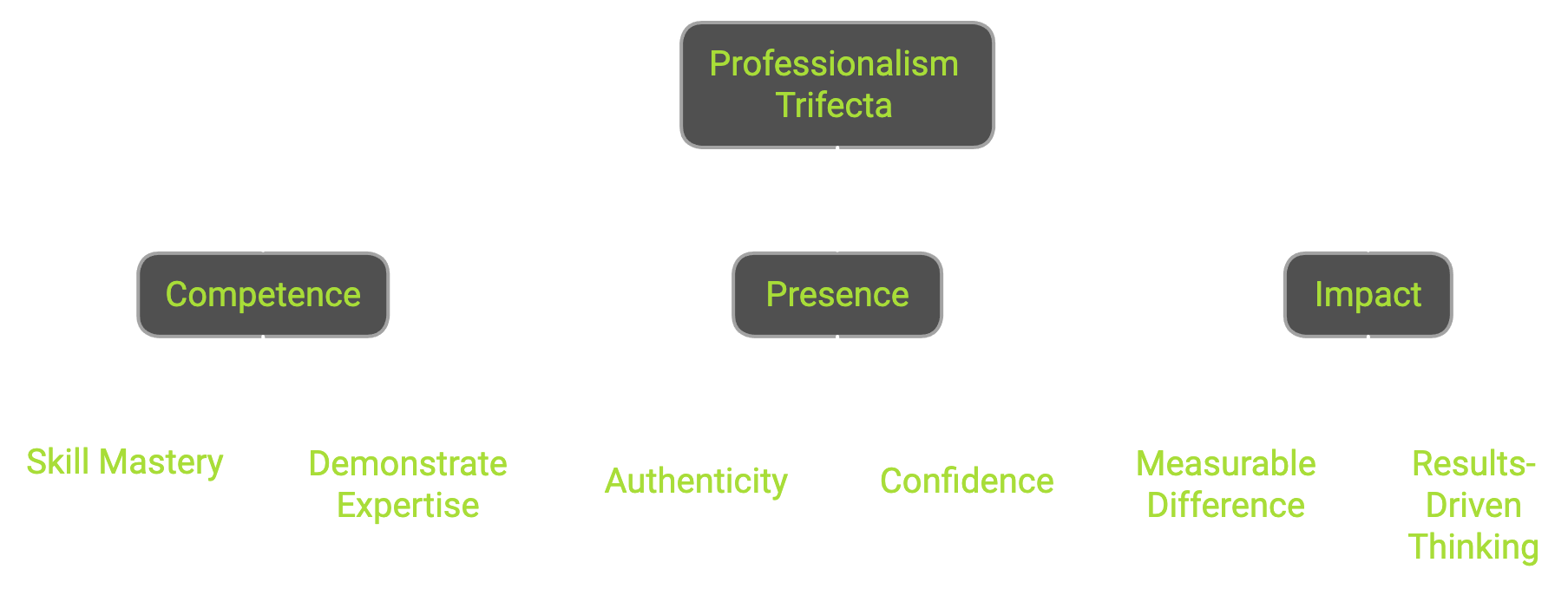
But who’s setting these standards…and why are we still following them? Enter Scott Evans, Kai Cenat, and Bozoma Saint John—three people who’ve ripped the mold to shreds and shown us the alternative. Each of them embodies what I call the trifecta of professionalism: Competence, Presence, and Impact.
Let’s give credit where credit’s due.
1. Competence
To Scott Evans, a walking masterclass in how to deliver—literally and figuratively. Not to be confused with Scott Evans, who played one of the Kens in Barbie (although, he’s cool too).
Whether this Scott is behind the desk at Access Hollywood or interviewing A-listers, I want to thank him for showing up ready. He doesn’t just skim the prep notes. He dives in like the pro he is. If competence had a spokesperson, it’d be him. And honestly, I’d trust Scott to negotiate world peace before I’d trust some of these LinkedIn “thought leaders.”
His most recent project turned my head and has me locked in like an after-school special. The YouTube series House Guest is an intimate, feel-good series where celebrity guests visit his home to share candid conversations and personal stories. It basically feels like you’re kicking it with good friends. You “come for the fun and stay for the joy.”
Scott Evans didn’t become a trusted face in entertainment journalism by accident. His rise is a masterclass in skill development and adaptability.
Do it like Scott:
Hone Your Craft Relentlessly: Scott mastered the art of storytelling, seamlessly blending entertainment news with relatability. Whether covering Hollywood gossip or human interest stories, he does it with a mix of charm and depth that says, “Yes, I did read the room, thanks.” It’s called versatility and consistency, people.
Stay Prepared: Scott doesn’t just skim the Wikipedia page before an interview—he comes armed with receipts. His prep game builds trust but also delivers value to viewers.
Own Your Niche: While the entertainment world is drowning in clichés, Scott stands out because he brings himself to the table. He’s not trying to be anyone else, and it shows. Lesson: your authenticity is way more interesting than blending into the beige backdrop.
Competence isn’t just about doing the job. It’s about elevating it, and Scott, you’ve done just that.
2. Presence
To Kai Cenat, who proves you don’t need a suit and tie to command attention. Thank you for redefining what it means to own a room—even if it’s a virtual one.
This example may be a hard pivot from what we’ve known to be professional (and my 12 y/o told me to leave this one out), but keep following along because his streams and videos are pure nonsense in the best way. Authentic, funny, and unapologetically him. Kai’s presence isn’t about being polished. It’s about being real. He leans into his quirkiness. He’s boldly himself, and that’s why millions can’t get enough.
He’s been making noise recently with the number of celebrity heads popping up on his live streams. Take notes, corporate overlords: even PR pros are amazed at the coordination, logistics and scheduling of running a modern-day Truman Show. His streams can get up to 23 million viewers.
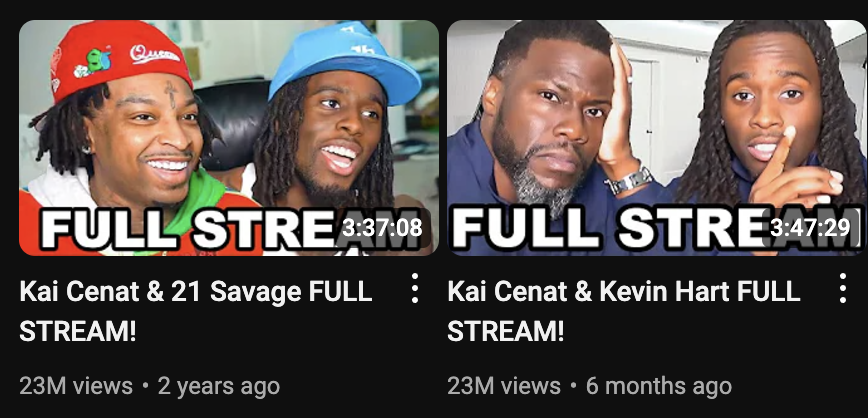
Youtube: Kai Cenat Live
Do it like Kai:
Build a Platform on Authenticity: Kai never tries to be anyone else. His humor, energy, and charisma make his streams and videos magnetic, pulling millions into his chaotic (but real) world.
Stay Consistent: Whether he’s streaming for hours or creating viral YouTube content, Kai consistently shows up for his audience. Presence isn’t just about showing up once and hoping for the best. It’s about doing it again and again until people can’t get enough of you.
Turn Vulnerability Into Strength: He doesn’t shy away from showing the messy parts of his journey, making him relatable and approachable. Confidence isn’t pretending you have it all figured out—it’s owning the process like a boss.
Presence isn’t about blending in or following a script. It’s about showing up, being seen, and making people remember you—like Kai.
3. Impact
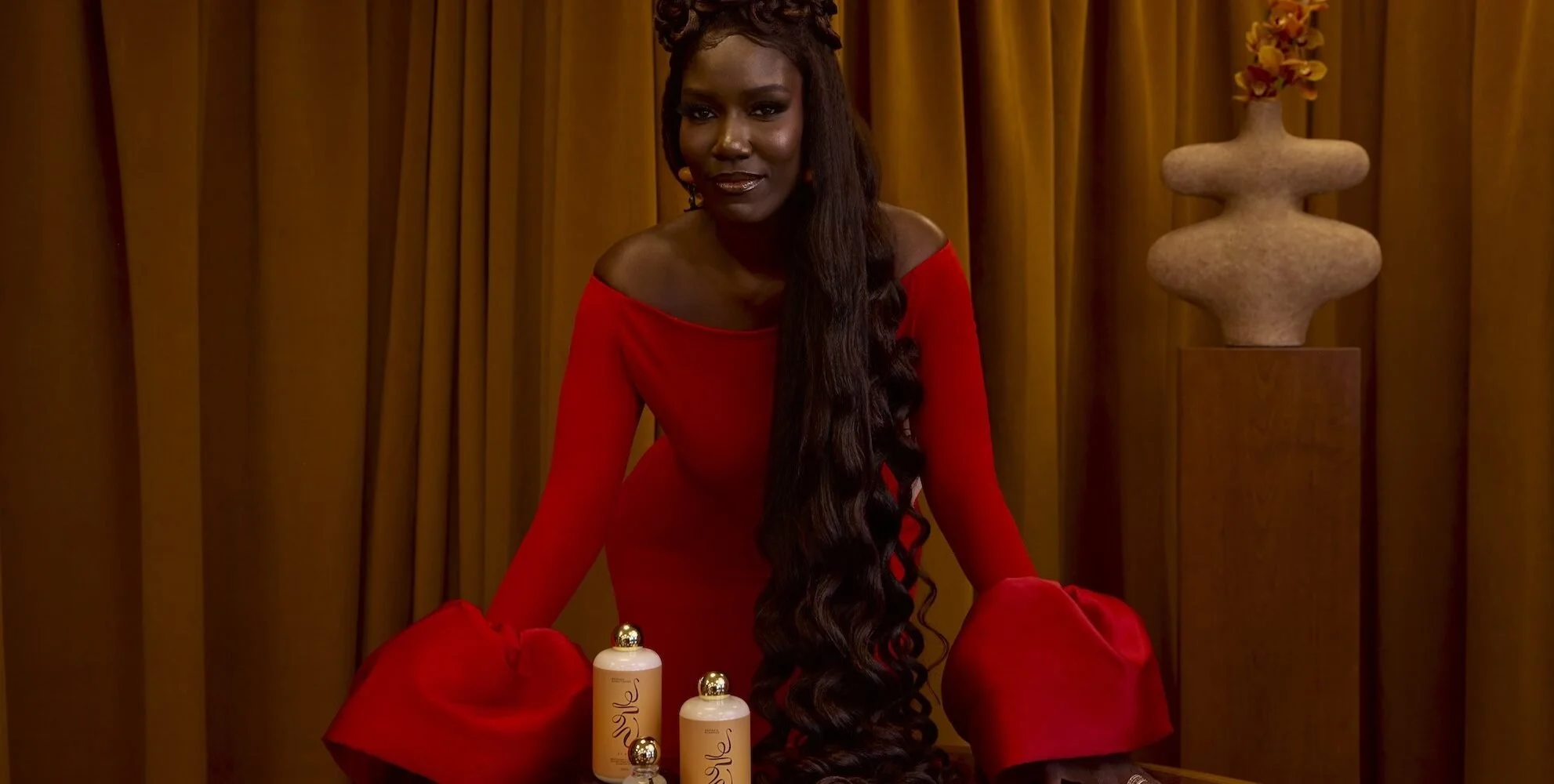
To Bozoma Saint John, she doesn’t just walk into rooms—she owns them. Thank you for showing us what’s possible when purpose meets execution.
From rescuing Uber’s reputation to running game-changing campaigns at Apple and Netflix as the CMO, Bozoma redefines what it means to leave a legacy. Her impact isn’t just felt. It’s seen—bold, unapologetic, and impossible to ignore. She’s proof that professionalism isn’t about playing it safe. It’s about making moves that matter.
This unstoppable force has gon’ on and launched Eve by Boz. A haircare and wig brand that is manufactured in her homeland of Ghana. It’s a revolutionary act that despite Black women and women of color holding 80% of the buying power in this industry—don’t have a say—Boz became instrumental in how these products are constructed.
Do it like Boz:
Make Bold, Strategic Moves: Bozoma Saint John didn’t wait for permission to lead with her ideas. Her bold campaigns reflect her vision, even if they challenge norms and make the old-school execs sweat. You can’t leave a legacy by coloring inside the lines.
Leverage Cultural Intelligence: Boz doesn’t just market products. She connects them to culture in a way that makes brands feel human. The secret sauce to staying authentic is being who you are while still resonating with your audience. It’s not magic. It’s a skill.
Prioritize Visibility: She doesn’t shy away from taking up space. Whether on stage or in a boardroom, she ensures her voice is heard and her work is seen. Take notes: your impact is only as big as the space you claim for it.
Boz, you’ve shown us that real impact goes far beyond job titles—it’s about creating meaningful, lasting change.
Guilty as F*ck: Who knew The Olympics and corporate culture have so much in common?! →
These living examples show us how to rewrite the rules of professionalism and make it work for us—from my 12-year-old powerhouse to Wicked’s Elphaba, you can be a Scott mastering their craft daily, a Kai owning their authenticity by inches or a Boz leaving a lasting impact on Zoom meetings.
Your work inspires us to rethink professionalism as something dynamic, inclusive, and rooted in what actually matters: competence, presence, and impact—the professionalism trifecta.
So here’s to them (you)—and here’s to anyone who’s ever been told they don’t “look the part” but delivered anyway.
Let’s stop stressing over fitting outdated standards and start celebrating the people brave enough to elevate ‘em.
👋🏾 Soooo…collective illusion is public enemy number one—Don’t Believe The Hype. Every week, we’ll say the quiet parts out loud (in your inbox). So we can cancel or co-sign marketing or market trends and discern pop culture gems from flops together. And start making sense of the nonsense online.
P.S. That’s a wrap on Season Two of Don’t Believe the Hype! We’ll return in the new year, ready to cancel or co-sign whatever marketing trend decides to embarrass itself next. See you then…

Hella Disrespectful: Favor ain’t fair if you’re a woman and Black—we’re OOO
Hope is currently out of office and, honestly? She’s exhausted.
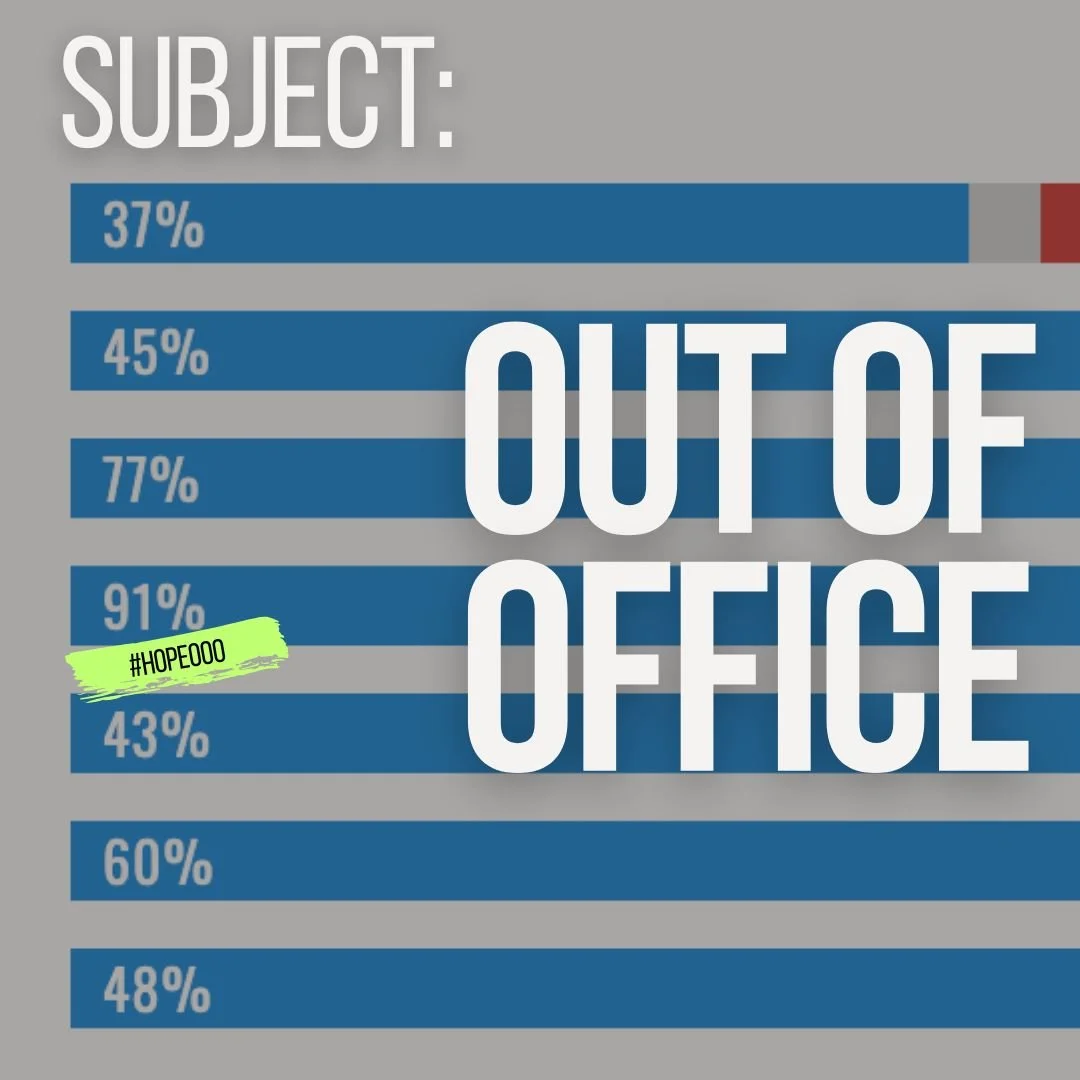
Waiting for this election hype to die down has been an emotional marathon.
It's like we’re stuck in a loop, watching history repeat itself in real time—a trauma bond we can’t break, and it’s making us sick.
People aren’t talking about hope like they used to.
They’re talking about losing it, too exhausted to put themselves through another round of empty promises. The familiar faces, the empty slogans, the “authentic” voices claiming to represent us—it’s all starting to feel hella disrespectful.
We’re told to believe in change, but when the same privileged voices wrapped in a flannel shirt are held up as the “real influencers,” it’s hard not to feel disregarded. They’re dealing us hope like crack in the 90s, laced with “messaging strategy and relatability”, and leaving out the messy realities—racism, misogyny, the quiet erasure of anyone who doesn’t fit their mold.
It’s hard to trust in a future that doesn’t seem built for us.
If hope is going to mean anything this time, it has to be more than just another buzzword. It has to actually confront the ugly truths we’re all exhausted from living through. And until that happens, don’t expect anyone to believe in a change that doesn’t include them.
For 91% of us though, the stakes are even higher.
Favor ain’t fair if you’re a woman and Black.
The thing about being exalted—whether you’re on a higher platform or anointed—is that it’s not the free pass people imagine. There’s this expectation that you should move differently, that you’ll carry hope on your shoulders for everyone else. But let’s be real: history shows that favor often demands more than it gives.
It’s a gift and a curse, requiring you to be twice as good, twice as resilient, and twice as willing to look past the same systemic disrespect everyone else gets to rage about freely.
When you’re a Black woman, the pressure to perform hope isn’t just a personal burden—it’s practically public policy.
You’re expected to smile through setbacks, to represent, to “be the change.” But what happens when you’re out of hope? When even your resilience feels like a commodity, paraded as proof that “things are getting better”?
On these high platforms, the so-called favor becomes an obligation to carry hope for others, whether it’s realistic or not.
So, here’s the truth they’re skirting around: favor isn’t fair, and for Black women, it’s a weight, not a privilege. And as we watch this cycle of performative hope, strategic hype, and surface-level authenticity, maybe it’s time we stop pretending that hope alone will save us.
Instead, let’s demand something real—something that respects the history, the burden, and the resilience it takes just to stand up to the abusive cycle in the first place.
Our obsession with America needs CDC Guidelines, click to read them.
Hella American: Our obsession with America needs CDC Guidelines, proceed with caution →
Subject: Out of Office - Hope is Unavailable
Hey there,
Hope is currently out of office and, honestly? She’s exhausted.
She’s been stretched thin trying to keep spirits high and deliver on promises that keep coming up short. Right now, she’s taking a much-needed break from carrying everyone’s expectations on her shoulders, especially those who ignore the hard truths staring us all in the face.
She’ll be back when there's real change on the table—not just the same faces and empty promises.
In the meantime, try reaching out to Accountability or Real Talk. They’re more likely to give you honest answers right now.
Best,
Hope’s Out-of-Office Bot
👋🏾 Soooo…collective illusion is public enemy number one—Don’t Believe The Hype. Every week, we’ll say the quiet parts out loud (in your inbox). So we can cancel or co-sign marketing or market trends and discern pop culture gems from flops together. And start making sense of the nonsense online.

Hella Blows: The eulogy to Quiet Influence in the age of the loudest wins
It was never the loudest in the room, but it was always the most honest.
Once upon a time, female artists were seen as delightful yet costly accessories in the entertainment world—like the decorative parsley on a gourmet dish.
From their hair and makeup to their on-stage outfits.
Fast forward to today, and they're the main course, commanding center stage and, more importantly, the big bucks. Take K-pop Blackpink's Lisa, for example, who didn't just become a global ambassador for Celine, she practically turned the brand into a household name among Gen Z. And then there's Taylor Swift, whose brand partnerships are so lucrative that her cat probably has a better retirement plan than most of us.
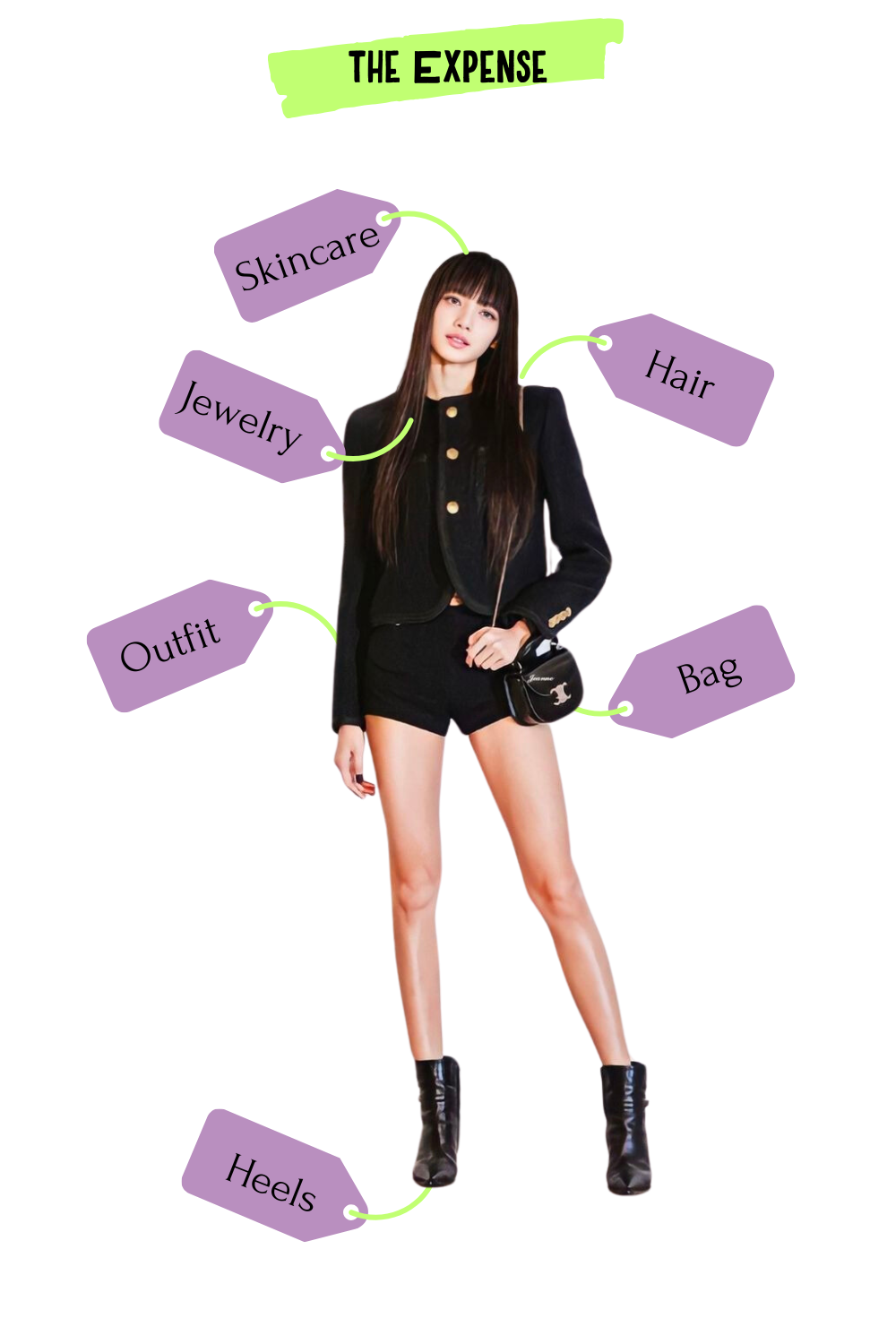
This is Lisa, a prominent member of the K-pop group Blackpink
This evolution from irritating expense to profitable investment isn't just a win for gender equality. It's a masterclass in how to turn a perceived 'deficit' into an asset goldmine.
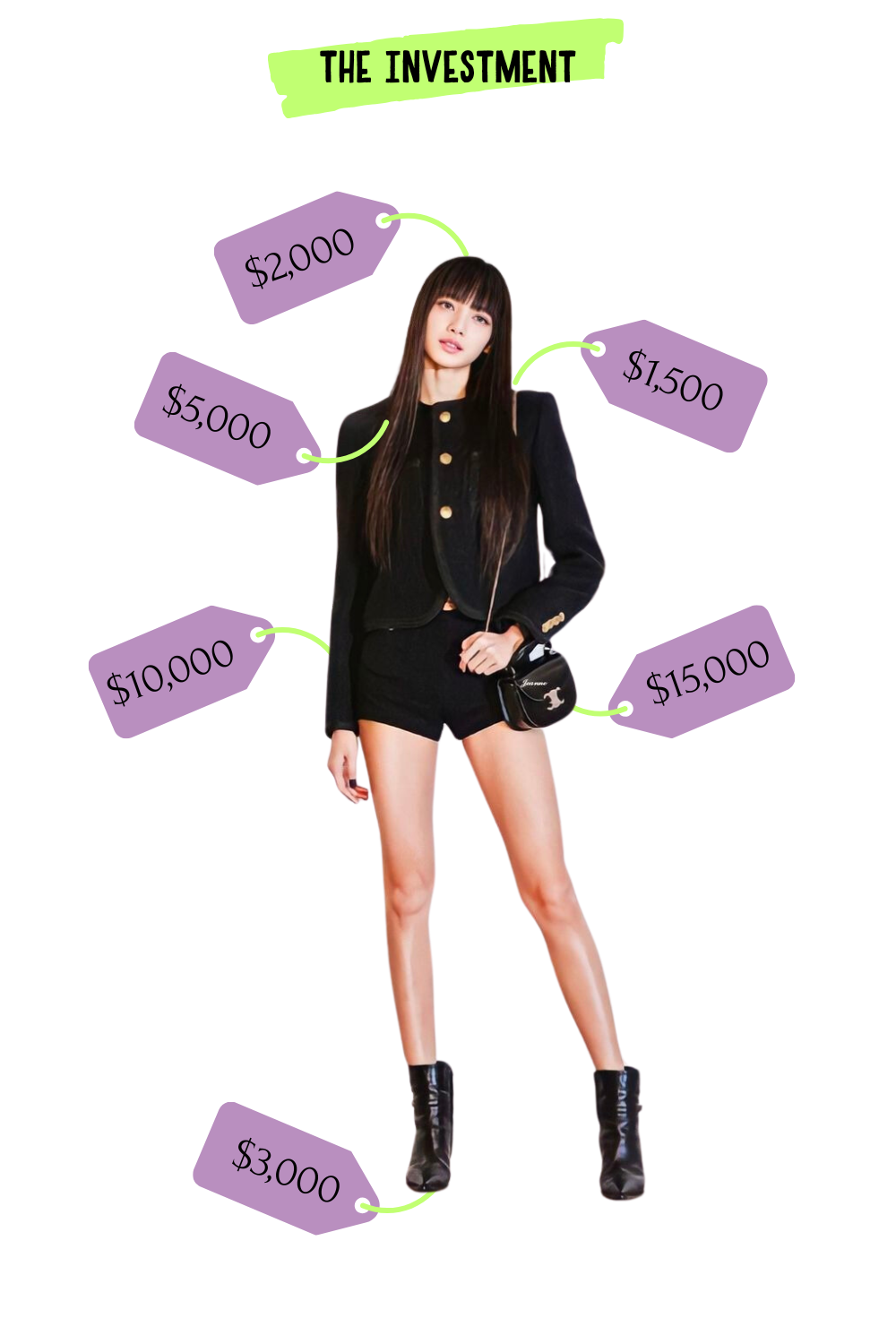
Cha-ching! Brand partnerships have entered the chat…
But here’s the thing—while it’s all rainbows and dollar signs now, the expectation for female artists to always 'show up' with the perfect blend of beauty, relatability, and influence has a cost.
This isn’t just a celebrity problem. It’s a corporate one, too.
As female artists (and women in general) get funnelled into loud, marketable personas, what happens to those who prefer quiet influence? The ones that get things done without a booming sound system.
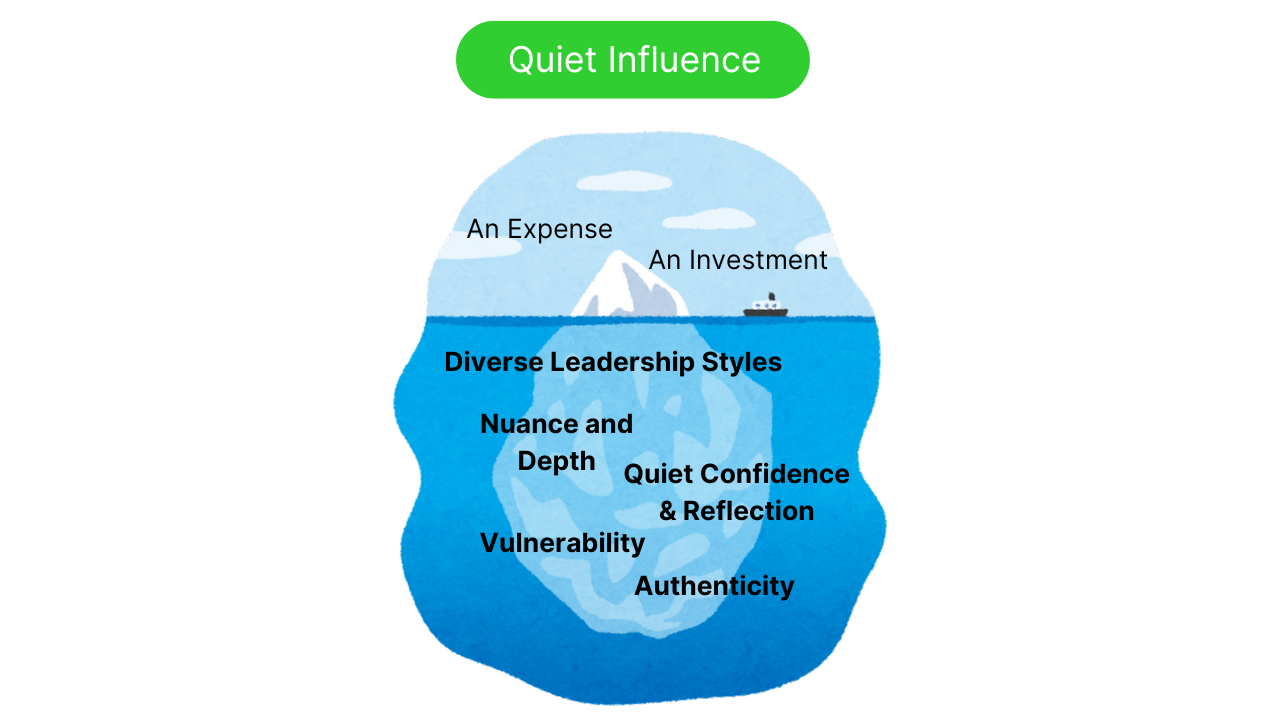
What happens to the quiet leaders and quiet geniuses? Do they become an expense or an untapped investment?
It’s almost like we should bury the quiet voice to make room for the loud and deceptively more profitable.
The Eulogy to Quiet Influence in the Age of the Loudest Wins
Please gather ‘round for the Eulogy—but let’s call it a ‘Corporate Memo,’ because we’re here to address the Quiet Voice that’s been taking hella blows.
Yes, the dearly silenced, often mistaken for shyness.
This Quiet Voice was never meek.
It was resilient, reflective, the one that spoke up when it truly mattered. But as loudness became our culture’s currency, the Quiet Voice was edged out, its strength mistaken for weakness, its subtlety for irrelevance.
Here lies Authenticity. Lost in the shuffle of shallow performance, booming voices, and an endless race for clicks and short-tail attention.
Once the quiet heartbeat of genuine connection. Authenticity lived—no filters, no exaggerated poses, no one-liners crafted for “maximum engagement.” It was never the loudest in the room, but it was always the most honest.
Authenticity died as we cranked up the volume, pushing louder and louder until it was silenced by the pressure to perform. We traded sincerity for a watered-down version of what looked good on camera but was hollow at its core.
With the demand for constant output, Authenticity couldn’t keep up with the noise and chose, instead, to take its blows.
We mourn the loss of Nuance and Depth, too, the closest companions of Authenticity. When every conversation had to be Black or White, Liberal or Conservative, there was no space left for the layered thoughts and complex insights they offered.
Quiet Confidence and Reflection were Authenticity’s true friends, loyal and steadfast. But as the push for self-promotion grew, they faded out as well. It’s hard to stay quietly confident when we reward volume over value. Reflection, who always took its time, stood no chance in the world of fiery hot takes.
When Authenticity passed, Quiet Confidence and Reflection took its last breath.
Diverse Leadership Styles, an endangered species now, had been the torchbearers for thoughtful, calm, and empathic guidance. But as loudness became the default setting for success, they found themselves overshadowed by charisma without content, flash without foundation.
They tried to keep pace, but the one-size-fits-all mold of “loud leadership” eventually escorted them out.
And we can’t bypass the death of Vulnerability. Performative, replaced reality. There was no room for softness, no tolerance for being real. We crafted perfection for our feeds but left our true selves out of reels. Authenticity had always provided space for vulnerability, holding it gently, making it safe.
But without it, Vulnerability became a foreign language, a risk too high to take.
As we say goodbye to Authenticity, we’re left with a question: Who are we without it?
Authenticity was our foundation, the reason people felt seen, heard, and understood. Without it, we’re just noise, chasing the next big, bold, ultimately empty moment.
An expense, not an investment to our truer selves.
In loving memory of Authenticity, in a world that feels hella loud, there’s an undeniable goldmine in the quiet influence within ourselves.
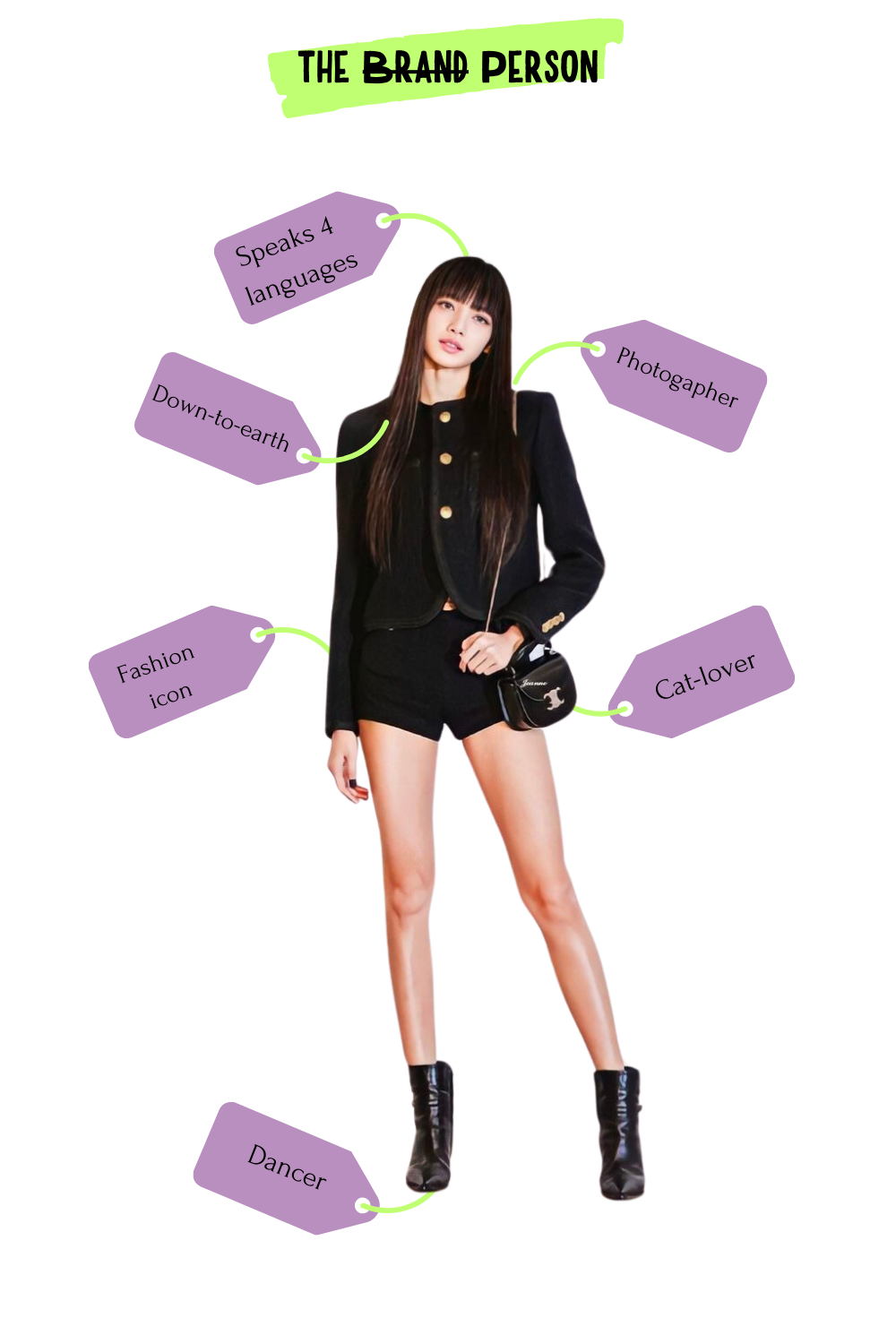
We can’t connect to a brand, but we can to a person.
As we reflect on the loss of Authenticity and the rise of brand building: Are we co-signing genuine connections or canceling performative hype?
👋🏾 Soooo…collective illusion is public enemy number one—Don’t Believe The Hype. Every week, we’ll say the quiet parts out loud (in your inbox). So we can cancel or co-sign marketing or market trends and discern pop culture gems from flops together. And start making sense of the nonsense online.